Battersea Power Station: Industrial Heritage Reborn
The Anthropocene demands a reckoning with what industrial civilisation built—and what it abandoned. Across Europe,...
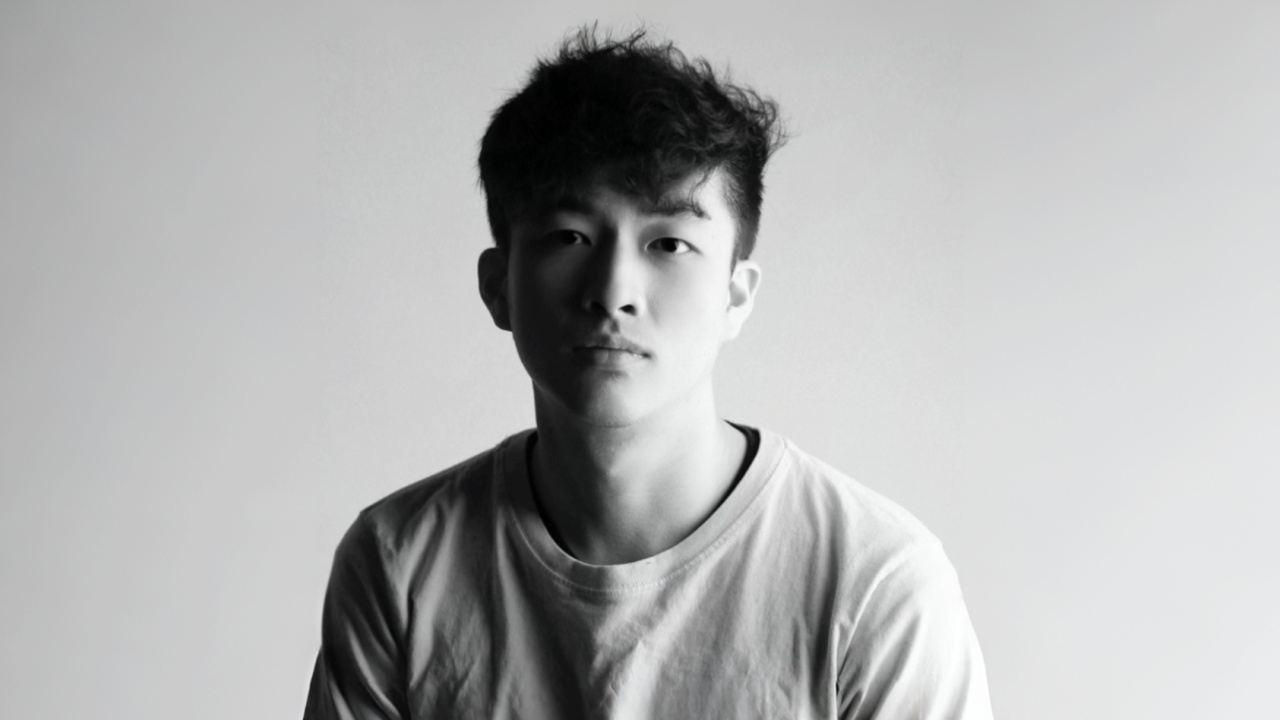
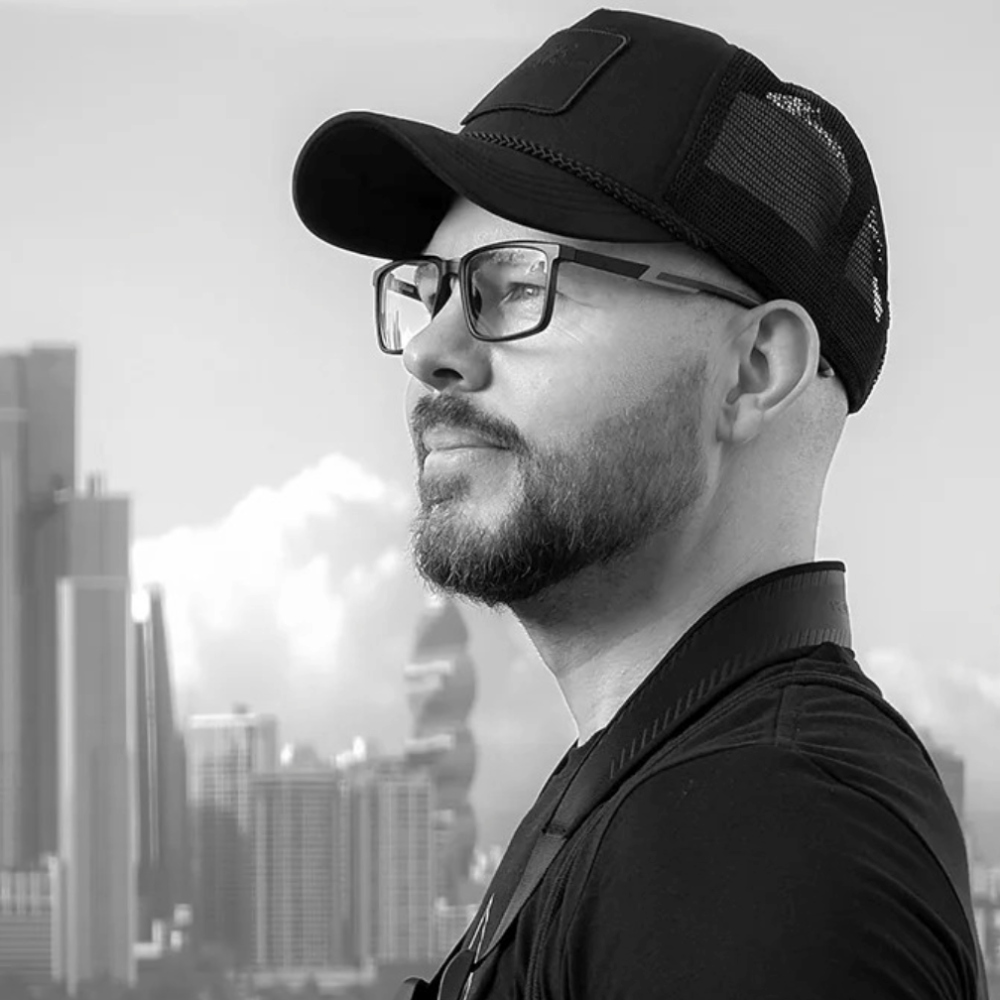
Benjamin Cheng is a UK-based photographer whose work spans architectural, fine art, landscape, and documentary photography. Guided by a longstanding fascination with light and its ability to shape meaning, he creates images that seek to reveal deeper perspectives on the built and natural world.
I'm a professional photographer based in South Oxfordshire, UK, holding the ARPS, LBIPP, and European Photographer distinctions. My practice centres on architectural, fine art, landscape, and documentary photography — work that tries to make the built and natural world legible in ways that go beyond documentation.
My relationship with photography began through a genuine fascination with light — how it transforms a subject, how it creates meaning where there was none. That curiosity took me through a BA in Photography at Nottingham Trent University and has kept evolving since.
Over the years, I've moved from academic experimentation toward a more focused practice: major long-term projects, international exhibitions, and a commitment to work that carries real conceptual weight. Winning at the London Photography Awards feels like a meaningful marker in that evolution.
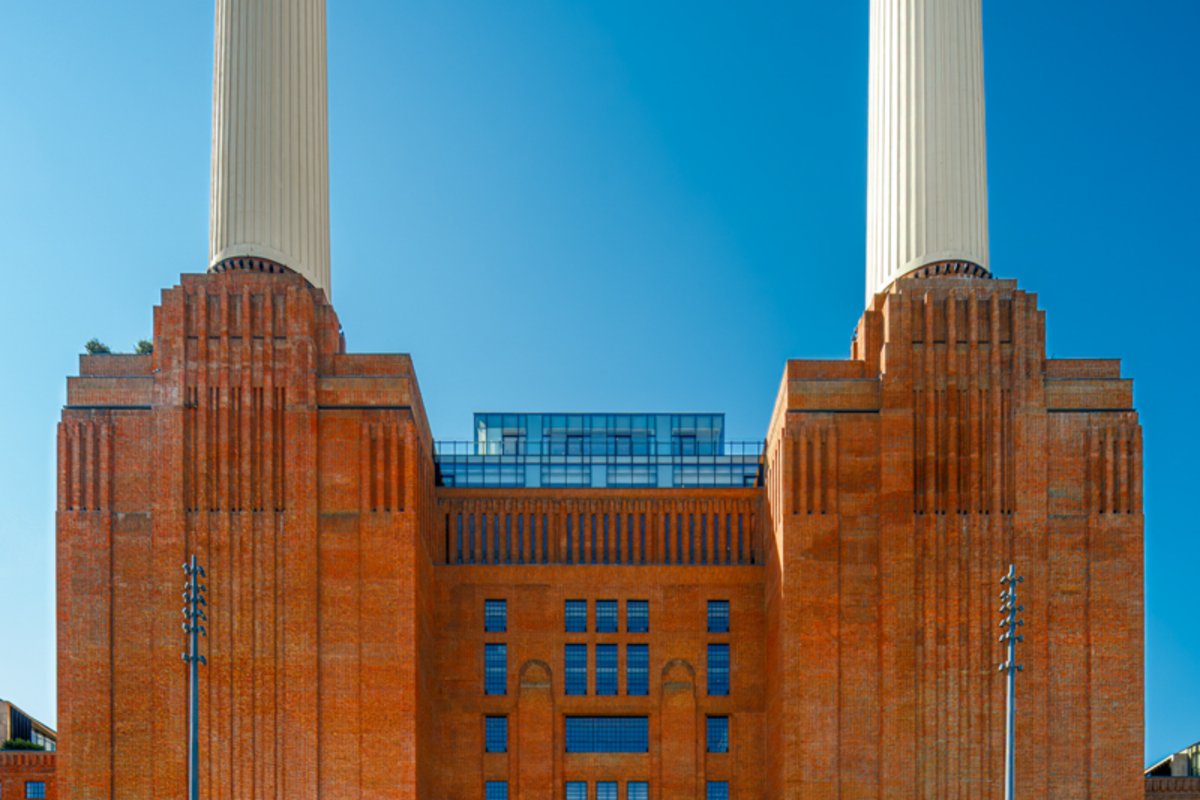
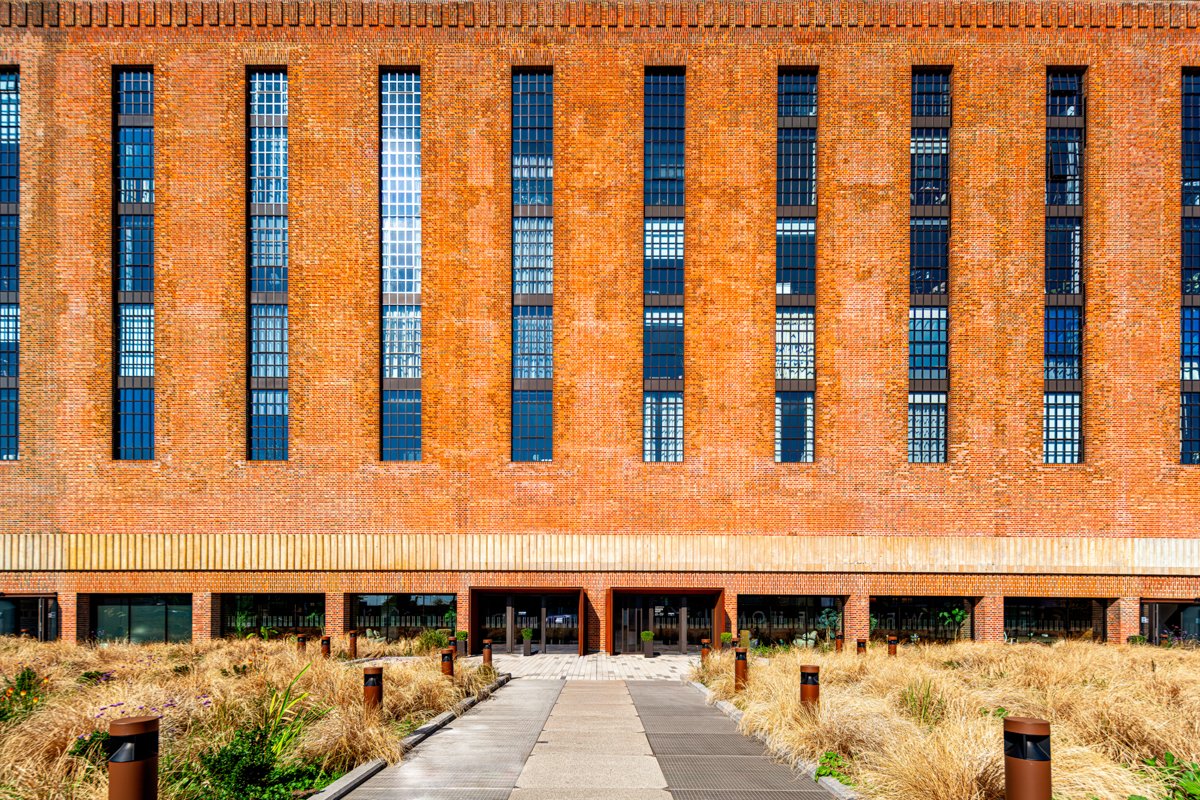
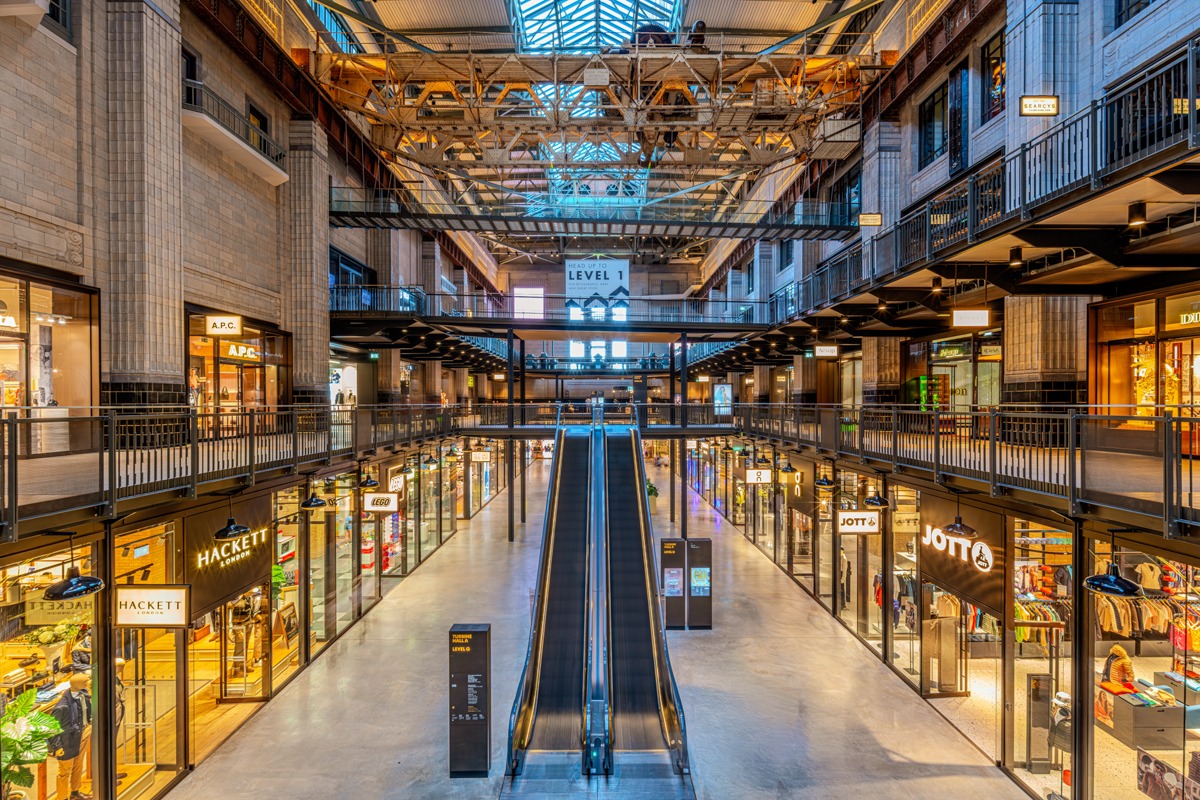
The Battersea series grew from a deeply personal relationship with the building. From 2019, I lived in Nine Elms for three years and passed the construction site almost daily, watching WilkinsonEyre's restoration gradually reveal the building's bones. When I returned in 2025 to photograph the completed transformation, it wasn't simply an assignment — it was a reckoning with something I had watched become.
The broader impulse behind the work is the idea that industrial heritage belongs not just to history but to us — to the communities whose working lives were shaped by these structures. Photography's task, as I see it, is to make the argument for their preservation visible before the memory of what they were fades entirely.
Winning this award is affirming in a specific way: it confirms that a rigorous, long-form approach to architectural photography — one grounded in genuine engagement with a subject rather than technical spectacle — can connect with an audience.
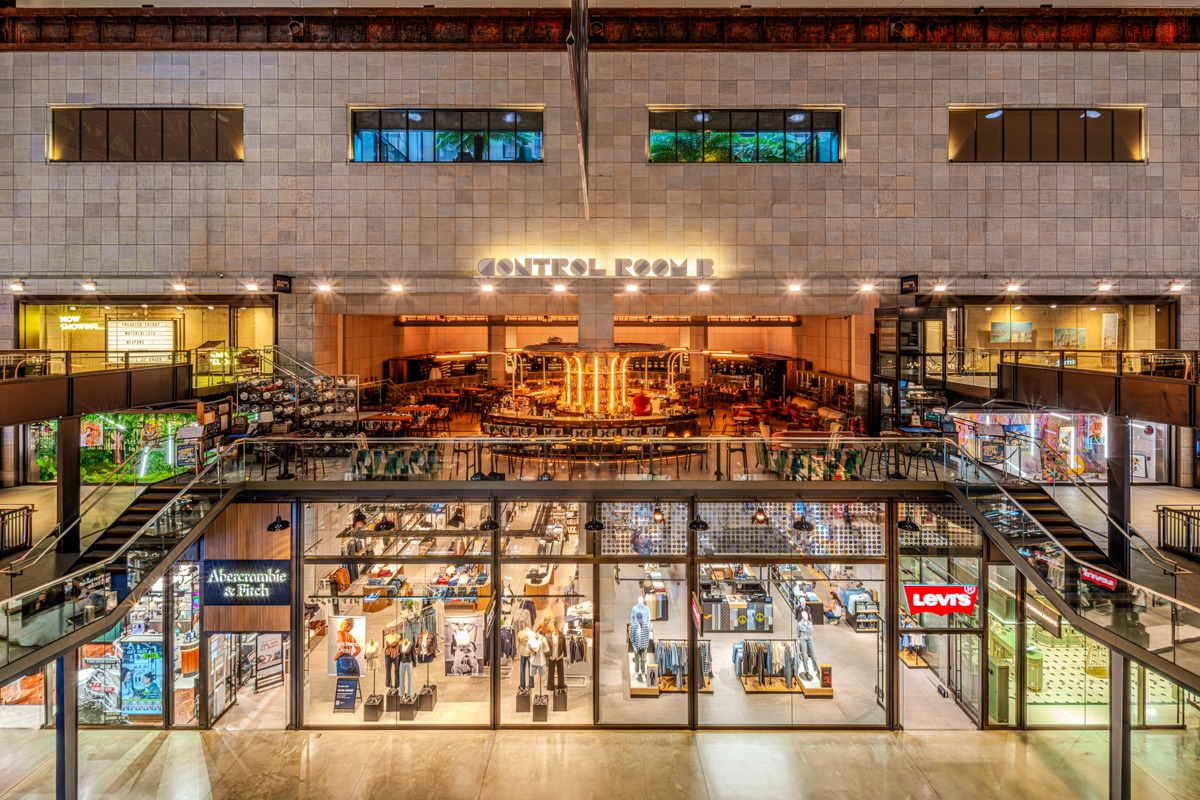
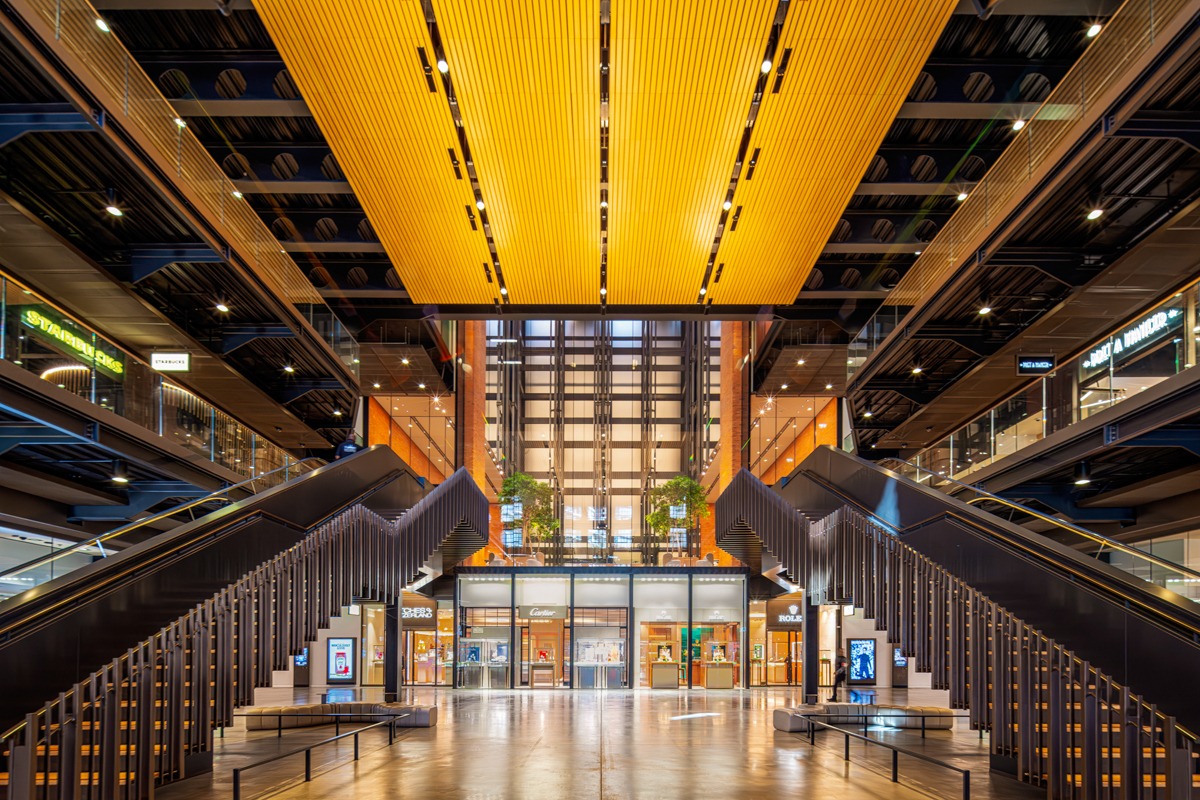
I look for coherence first. Individual images that stand alone brilliantly are valuable, but I find that a series with a clear narrative arc — one that takes the viewer on a journey — tends to create a more lasting impression. For the Battersea submission, the sequence moves from exterior monumentality through interior spatial drama, ending with human figures and renewed life within those vast volumes. That arc was as deliberate as any single frame within it.
Beyond narrative, the most important thing is knowing your own work honestly. A photographer has to be able to step outside their own attachment to an image and ask: how does this land for someone encountering it for the first time? What does a judge see? What does a viewer feel? The work has to resonate on its own terms — not because you made it, but because of what it does.
I remember, as a child, picking up my father's film camera and looking through the viewfinder — not to photograph anything in particular, just to look. The frame changed the way the world appeared.
But the moment I first thought seriously about photography was during my secondary school years, when I kept encountering extraordinary sunsets and had no way to hold onto them. I started photographing the sky, and eventually shared what I thought was the most beautiful image on 500px. That was the first time I put my work in front of an audience — and the beginning of taking photography seriously as a practice.
Honestly, I find genuine joy across many genres — there are several that sit equally at the top for me. Architectural photography holds a particular place because buildings are never purely formal objects: they carry social memory, cultural intention, and political will. A well-composed architectural photograph isn't just a record of a building — it's an argument about what that building means. Given the nature of this award, that's the work I'm speaking to here.
For architectural work, I use the Leica SL — the lens renders with a precision and quality that suits the demands of the genre. For street and documentary work, the Fujifilm X-T series is my preferred choice: the film simulation JPEGs produce an aesthetic that suits observational work, and the smaller form factor changes how people respond to being photographed.
What matters most across both is working in natural light. All of my architectural work, including the Battersea series, is shot in available daylight. The quality of light at a specific moment on a specific day is something no studio setup can reproduce — and that specificity is central to what the work is trying to do.
That they are present inside the space, not outside looking at a picture of it. The best architectural photographs don't describe — they transport. If someone looking at the Battersea images feels the scale of those turbine halls, the quality of light flooding through restored glazing, the weight of what that building has been and what it has become, then the work has done what I intended.
The fundamental challenge was that I had to work on the building's terms, not mine. This is a living building — people moving through it, light changing by the hour, no possibility of controlling the environment. Shooting hand-held, at low ISO, in natural light that shifted constantly meant that patience and precise timing were the only tools available. You wait for the right moment, and you take it when it comes.
The editorial challenge followed from that: I came away with a large number of strong images, and the discipline of selecting and sequencing a cohesive series of eight — rather than defaulting to individual standouts — required a different kind of rigour.
Places where time has left a visible mark — where the weight of what something once was is still present in the fabric of what it has become. That tension between past and present, between function and memory, is where I find the richest material. I'd rather not be too specific: what draws me evolves, and I've learned to stay open to what I find rather than commit too firmly to any single answer.
Many photographers I admire have shaped my understanding of the medium, but what I find most nourishing comes from outside photography entirely: painting, poetry, music, and literature. These are where the richest ideas live — and then the work becomes a question of translation: how to bring what I've imagined into photographic form.
When I think about architectural photography specifically, what comes to mind isn't other photographers' images — it's architectural drawings, Bauhaus graphic language, the thinking that goes into how a building is conceived before it exists.
Photography competitions are one of the most accessible ways for photographers outside academic environments to receive serious, informed feedback on their work. That's what makes them valuable — not just the recognition, but the exposure to how professional eyes engage with your images.
My advice: show your strongest work, the work you are most proud of, the work that represents where you genuinely are as a photographer. And then receive whatever response comes with openness. Whether you win or not, the process of putting work in front of a rigorous panel and asking "how does this hold up?" is one of the most important things a photographer can do for their own development. It's part of how the practice advances.
Enjoy the process — without pressure, without anxiety about where it's going. Before you raise the camera, stand in the environment and feel your relationship to it: to the light, to the subject, to the space between you and what you're photographing. Photography is a practice of attention. The camera is just the instrument. Developing that quality of attention — that way of being present with a subject — is the work that matters most, and everything else follows from it.
Post-processing is part of the work. I use it to close the gap between what the camera records and what I actually saw — because a camera, however good, doesn't see the way a human eye does. The tonal relationships, the colour, the quality of light I experienced standing in front of Battersea's restored interiors: I process toward that. It's about restoration and honesty, not invention.
History consistently shows that technological change drives progress — in every industry, in every era. Those who refuse to engage with new tools tend to be left behind by them; those who learn to work alongside them find new possibilities. That's my orientation toward AI as well.
In practice, AI already plays a meaningful role in how I plan and develop my work. Before beginning a new architectural project, I use it to organise my thinking, clarify my intentions, and develop a research framework. It also significantly improves how I plan logistics — scheduling, itineraries, coordinating the many moving parts of a serious shoot. The ideas are mine; AI helps me make them clearer, more structured, and more actionable. That's a genuine advantage, and I don't see any reason not to use it.
North Korea. If I could go anywhere in the world to photograph, with no restrictions, no censorship, no constraints on what I could record — it would be there. It remains one of the least documented places on earth, a country that is deliberately opaque, where the gap between official image and lived reality is almost entirely unknown. That mystery, and what might lie behind it, is exactly the kind of subject I would want to spend time with.
Discover how Lea Long Creates Intentional Visual Narratives Through Film, Photography & Design by clicking this link here.