Algae Food Bank: Reactivating Nature
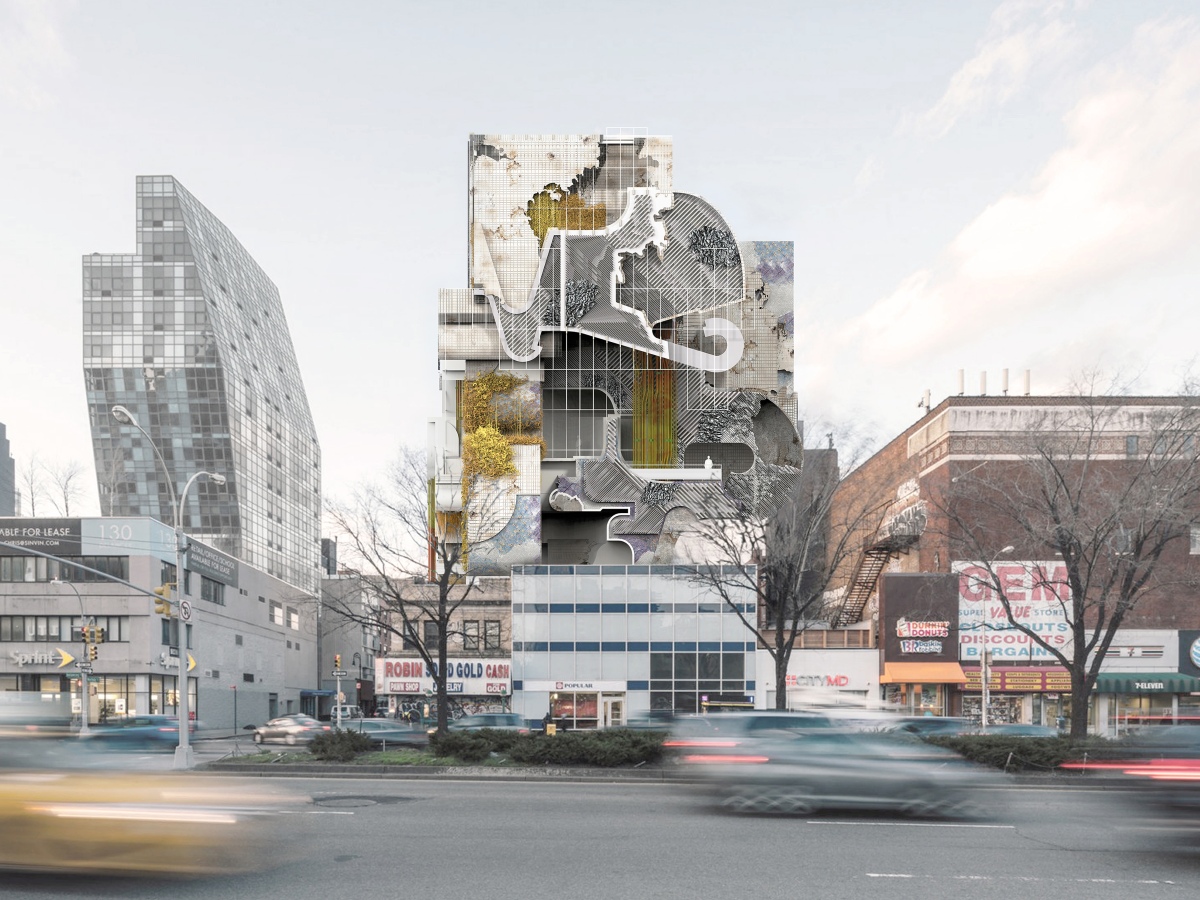
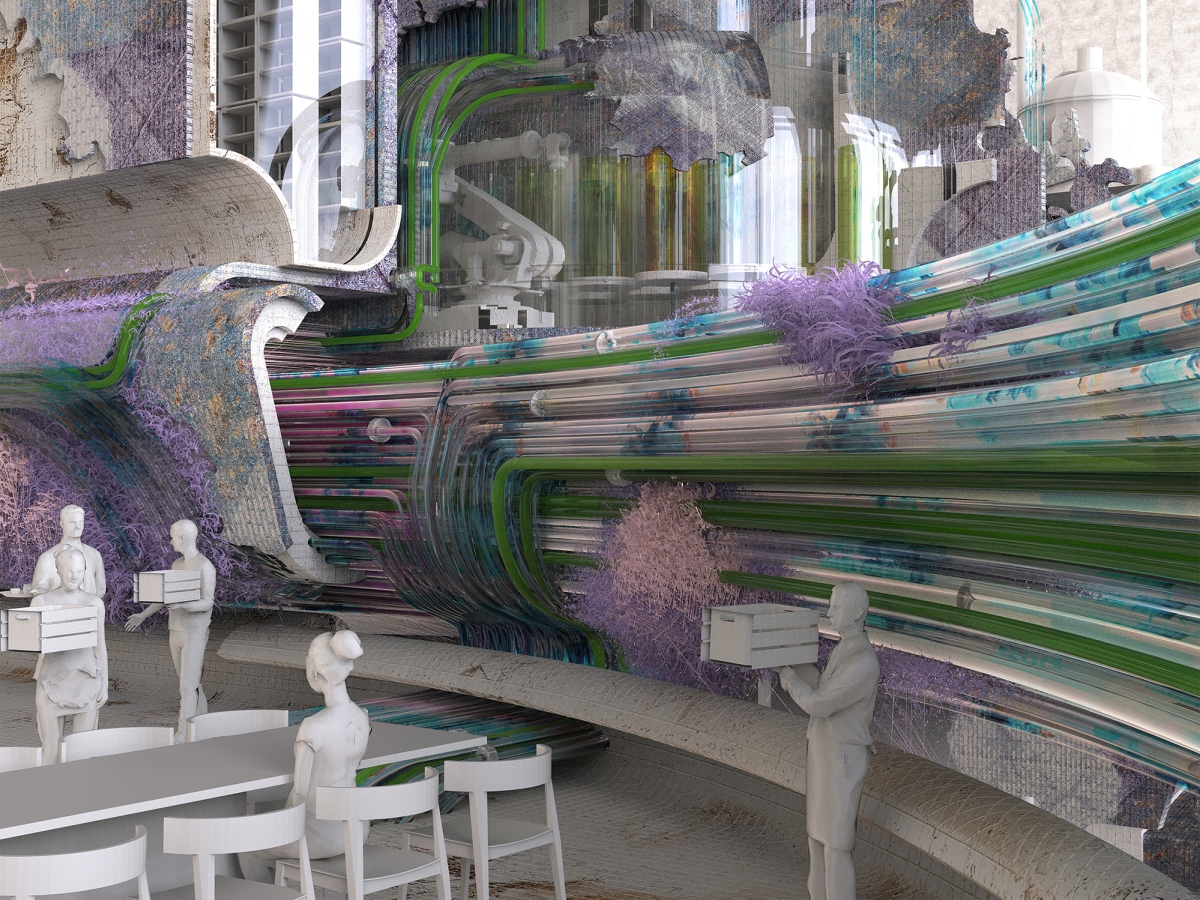
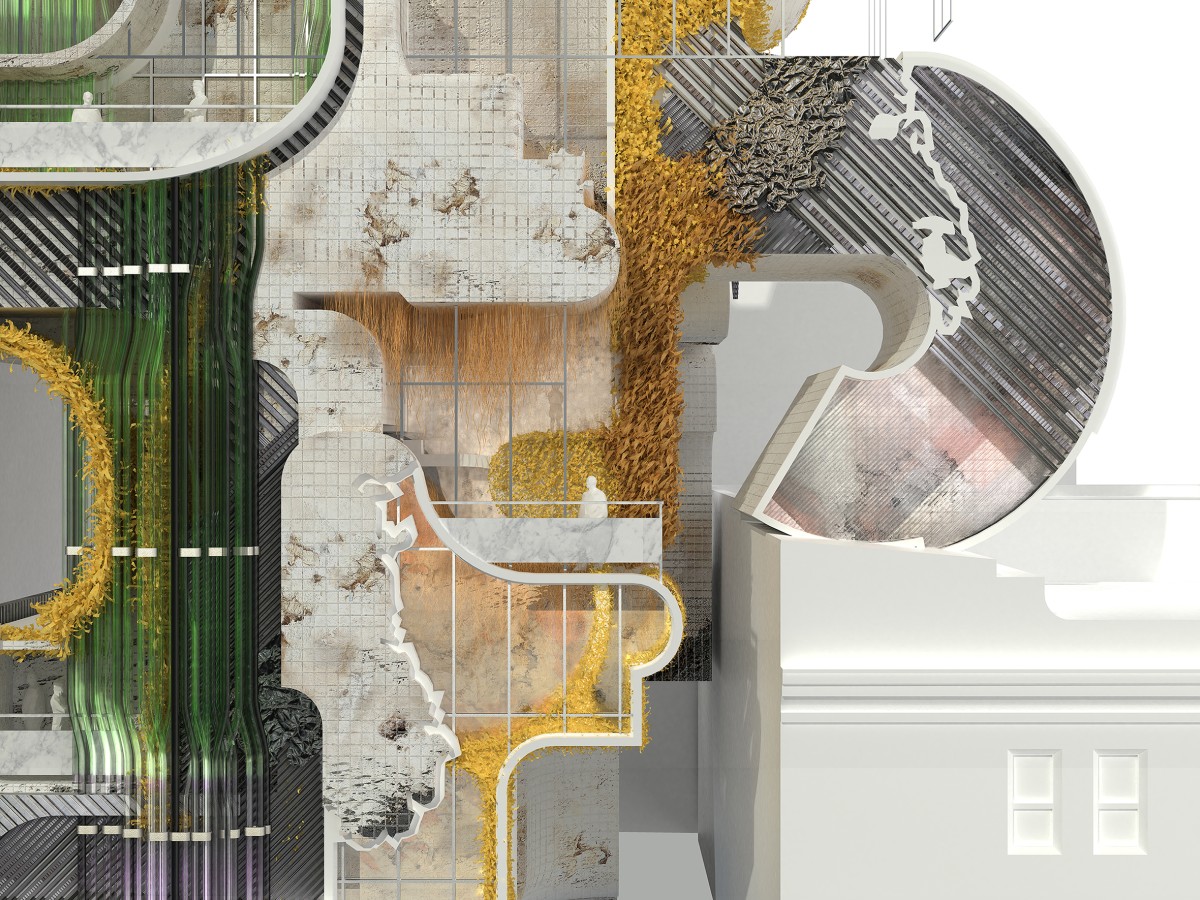
Reactivating Nature is an architectural proposal that integrates algae farming with a food bank, exploring...
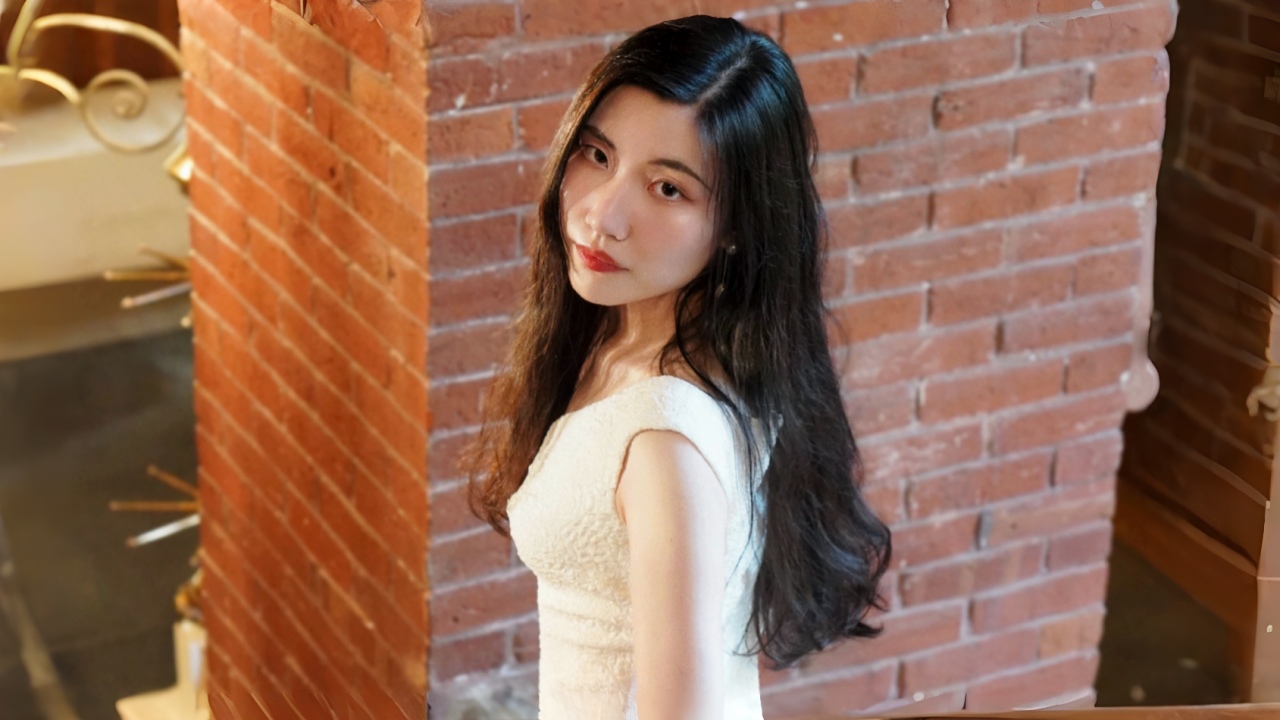
Huichao Dong is an architectural designer whose work examines how adaptive reuse, infrastructure, and environmental systems can reshape the future of cities. Guided by a systems-based approach, she develops projects that connect architecture with sustainability, public service, and evolving urban needs.
Thank you! I’m honoured to receive recognition from the London Design Awards. I am an architectural designer whose work focuses on adaptive reuse, public-serving infrastructure, and the relationship between architecture and evolving urban systems. I received my Master of Architecture degree from the University of Pennsylvania, where I developed a strong interest in how design can respond to broader social and environmental challenges.
My interest in architecture began with a curiosity about how space shapes everyday life and human behaviour. Over time, this evolved into a deeper exploration of how architecture can support communities through housing, healthcare, sustainability, and cultural infrastructure. I see design not only as a process of creating buildings, but also as a way of developing systems and environments that improve how people live, interact, and access essential resources within cities.
Receiving recognition from the London Design Awards is incredibly meaningful to me because it affirms the value of design research that addresses larger environmental and social questions. This project explores how architecture can integrate food production, public space, and sustainable infrastructure within dense urban environments, and I am grateful to see these ideas resonate internationally.
The recognition also encourages me to continue developing work that connects architecture with broader public needs, particularly in areas such as sustainability, community access, and adaptive urban systems.
This recognition has strengthened my confidence in pursuing research-driven architectural work that engages with public-serving infrastructure and environmental systems. It has also expanded opportunities for publication, interviews, and conversations with other designers and organisations interested in adaptive reuse, sustainability, and emerging urban challenges.
Professionally, it has reinforced the importance of combining technical architectural experience with broader design exploration. My work in healthcare and institutional projects has influenced how I think about accessibility, public well-being, and long-term spatial impact, and this award encourages me to continue developing those connections through future projects and collaborations.
Experimentation plays a central role in my creative process because I see architecture as an evolving system rather than a fixed object. I often explore how unconventional relationships between materials, infrastructure, and human activity can generate new spatial possibilities.
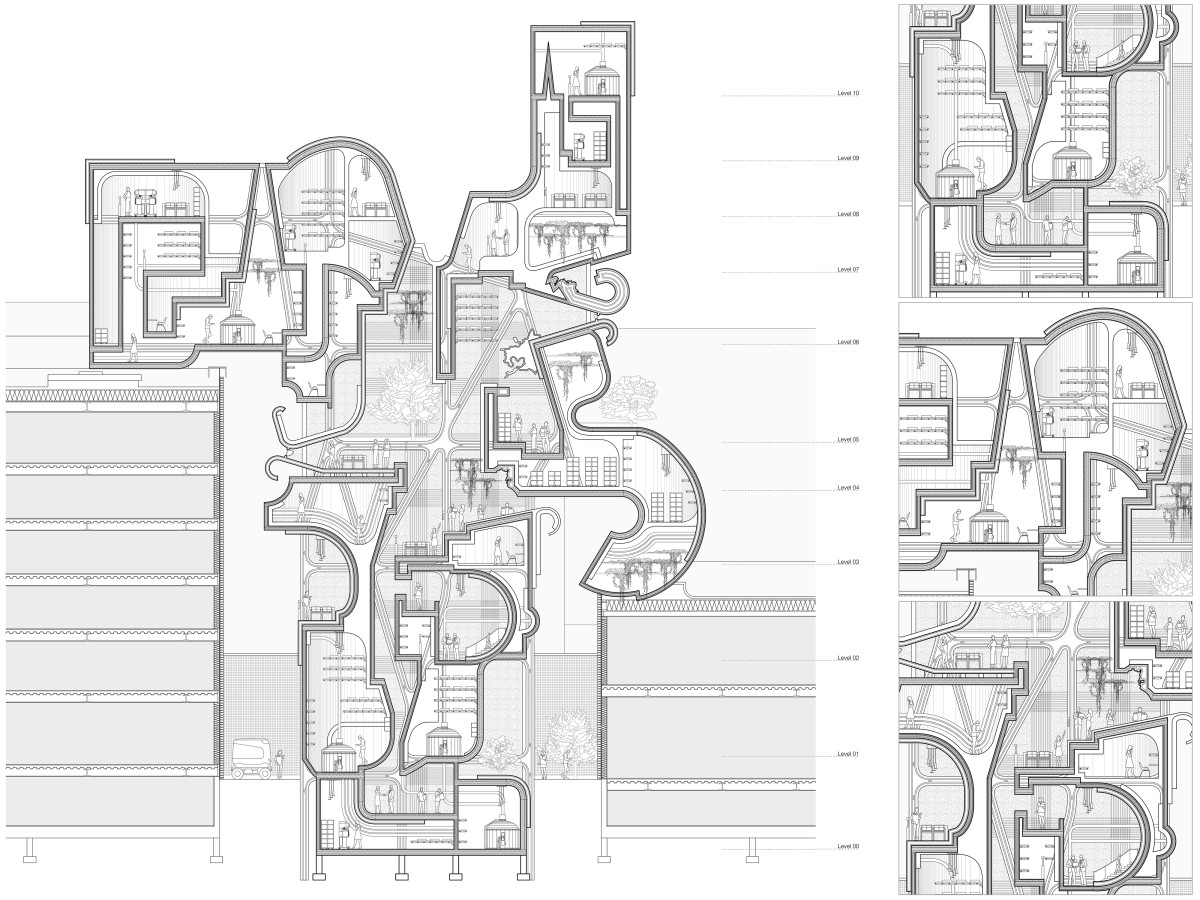
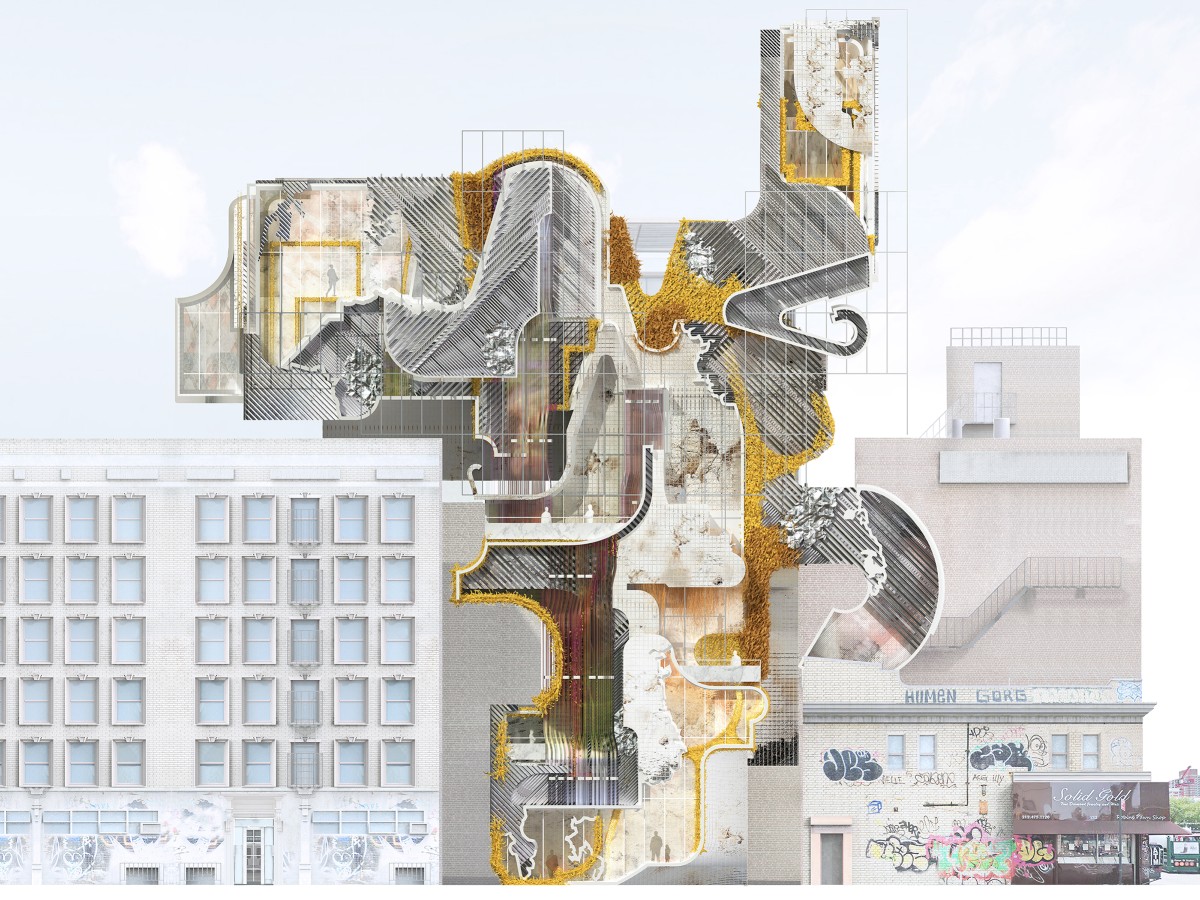
In this project, experimentation emerged through the integration of algae cultivation systems into the architectural framework itself. Rather than treating infrastructure as something hidden, the project incorporates algae production into circulation, façade systems, and public spaces, allowing environmental systems to actively shape the spatial experience of the building.
One unusual source of inspiration for me has been biological systems and processes that are normally invisible within everyday urban life. In this project, I became interested in algae not only as a sustainable food source, but also as a living system capable of influencing architecture spatially, materially, and atmospherically.
I was fascinated by the idea that environmental processes could become visible and experiential parts of the built environment rather than remaining hidden technical operations.
I wish more people understood that design is not only about creating visual form, but also about organising relationships between people, systems, infrastructure, and long-term social needs. Good design often involves balancing technical, environmental, cultural, and human considerations simultaneously.
Many of the most meaningful design decisions are shaped through research, collaboration, and continuous refinement rather than sudden moments of inspiration.
I believe successful design comes from understanding the deeper goals behind a project rather than approaching client expectations and design ideas as opposing forces. In professional practice, especially within healthcare and institutional work, listening carefully to users and stakeholders is essential because architecture directly impacts daily experience and well-being.
I try to approach each project by identifying opportunities where technical requirements, public needs, and broader design ambitions can reinforce one another rather than compete.
One of the main challenges was balancing speculative environmental systems with architectural clarity and human experience. Because the project combines food production, research spaces, public programs, and infrastructure systems, it was important to ensure that the design remained spatially coherent and accessible rather than overly technical.
I addressed this by focusing on layered spatial organisation and creating transitional zones that connect public life, production systems, and environmental infrastructure in a more intuitive and integrated way.
I usually step away from the project briefly and return to observing spaces, films, photography, exhibitions, and everyday urban conditions. I find that creativity often comes from reconnecting with lived experiences rather than forcing solutions too quickly.
Travel, architectural photography, and studying how people interact with environments are also important sources of inspiration for me because they reveal subtle relationships between movement, atmosphere, and space.
I value accessibility, adaptability, and the idea that architecture should meaningfully support everyday life. My professional experience working on healthcare and institutional projects has strengthened my awareness of how spatial environments influence human well-being, behaviour, and public experience.
Across both professional and independent work, I try to develop design approaches that connect environmental responsibility with social and cultural relevance, particularly through adaptive reuse and public-serving infrastructure.
I would encourage young designers to develop both curiosity and patience. Strong design often comes from sustained observation, refinement, and critical thinking rather than immediate results. It is also important to build a clear personal direction instead of only following trends.
At the same time, I believe designers should remain open to interdisciplinary thinking, because many contemporary challenges—such as sustainability, healthcare, and urban resilience—require collaboration across multiple fields.
I would be very interested in collaborating with Cedric Price because of his forward-thinking approach to flexibility, infrastructure, and the social role of architecture. His projects often treated architecture as an evolving framework rather than a static object, which strongly resonates with my own interests in adaptive systems and changing urban conditions.
I admire how his work challenged conventional boundaries between technology, public life, and spatial organisation in ways that still feel highly relevant today.
I wish more people would ask how architecture can participate in larger ecological and social systems rather than existing as isolated buildings.
For me, architecture becomes most meaningful when it operates as part of broader networks involving infrastructure, community, environmental processes, and public life. Many of my projects explore how underutilised structures and emerging technologies can be reimagined to support new forms of collective living, sustainability, and cultural engagement within cities.
Start Exploring Design Insights with Footwear Designer Solvita Melne of SOLVITA ICON by clicking this link here.