The Evolution of the Universe – Learning Through Wonder
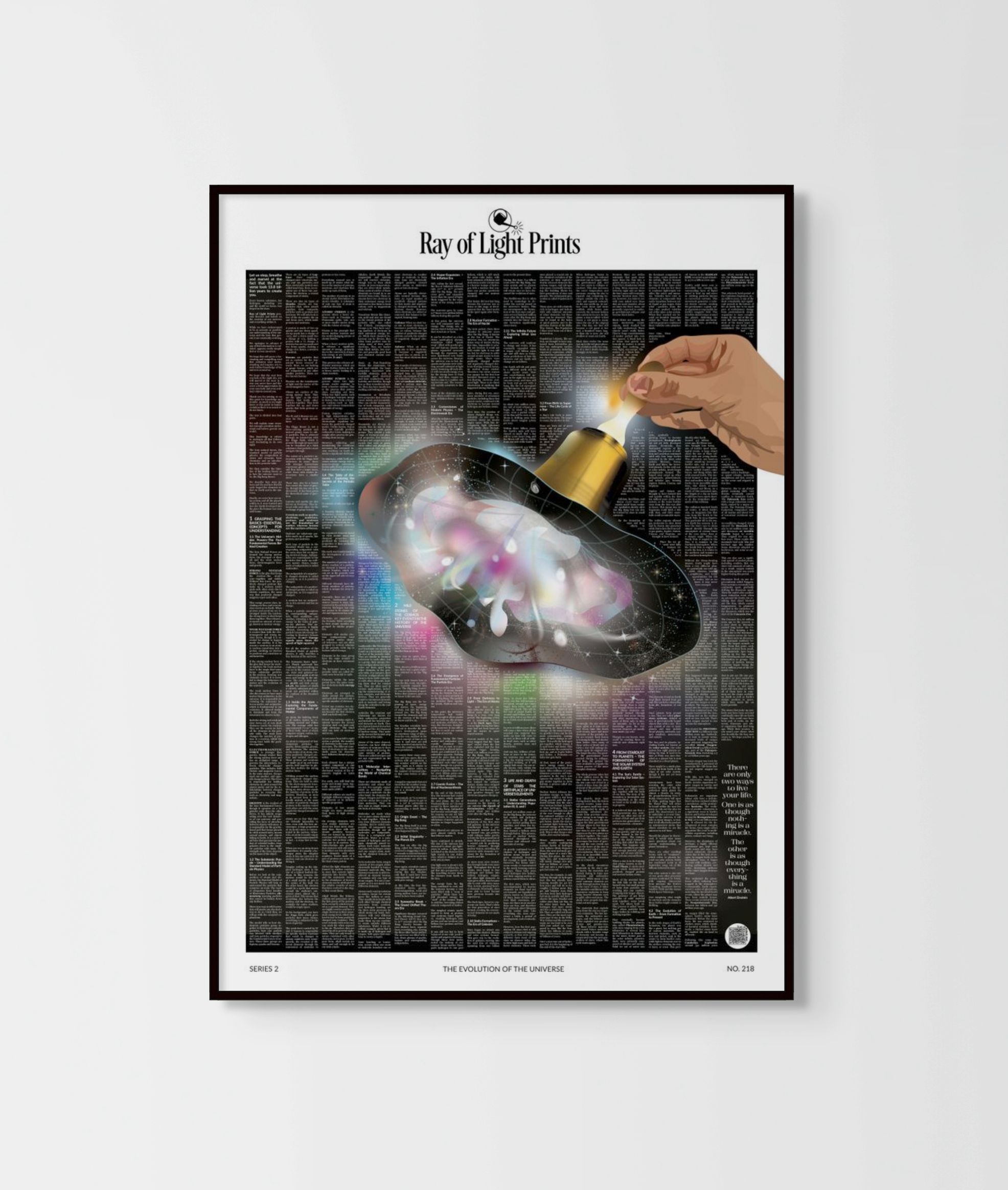
The Evolution of the Universe print transforms 13.8 billion years of cosmic history into a...
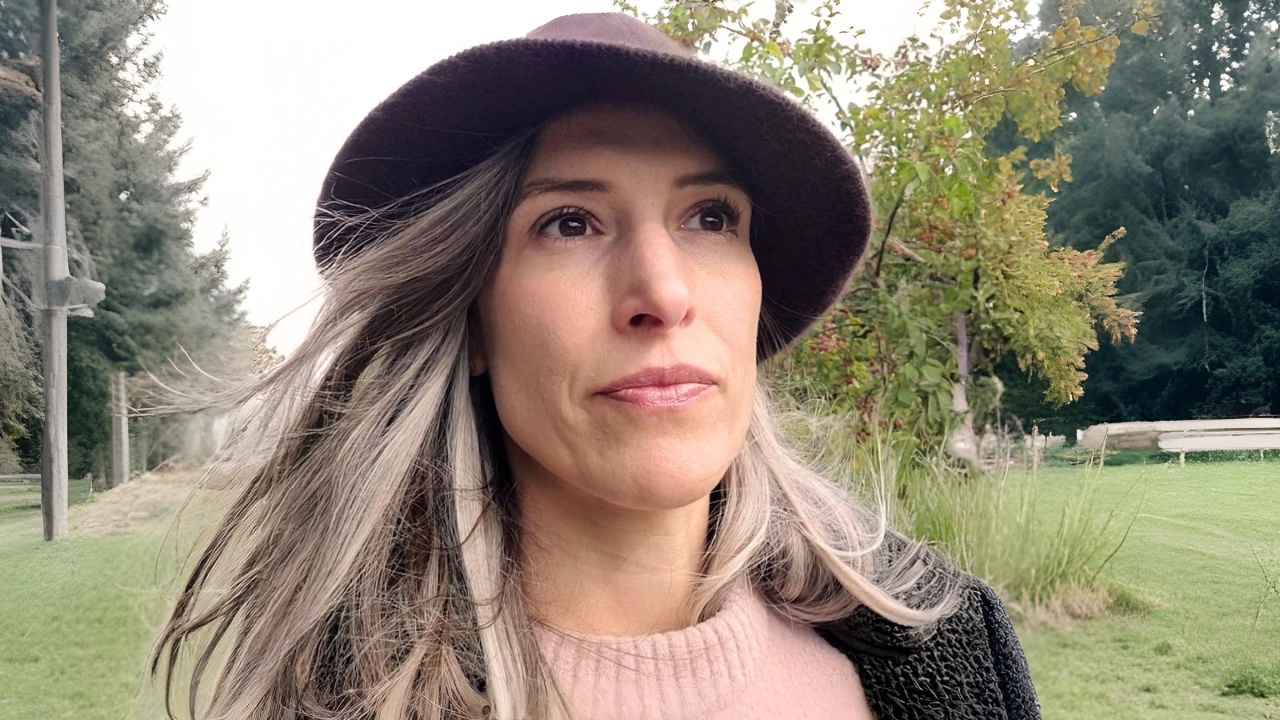
Through Ray of Light Prints, Julia de Schultz explores how design can carry knowledge into everyday environments. Drawing from wide-ranging reading and personal reflection, she translates complex systems into calm, human-centred visuals. Her work seeks to hold perspective and meaning in a lasting, physical way.
Thank you, it truly means a lot.
I’m the founder of Ray of Light Prints, a project that sits at the intersection of design, knowledge, and quiet reflection. My work focuses on transforming complex subjects, such as the universe, the human body, or the building blocks of life, into visual pieces that people can live with every day.
I didn’t come to design through a traditional path. What drew me in wasn’t aesthetics alone, but a deep curiosity about how understanding something can change the way we relate to it. Over time, I noticed that knowledge often lives in books or documentaries, but rarely becomes part of our daily environment. I wanted to explore what would happen if learning wasn’t something we consumed briefly, but something we lived alongside.
Design became my way of bridging that gap. It allows me to take subjects that can feel overwhelming or abstract and translate them into something human, tangible, and emotionally resonant. Whether it’s cosmic history or the intelligence of the body, my aim is always the same: to create work that invites perspective, wonder, and a sense of connection.
Ray of Light Prints grew out of that desire to create art that doesn’t just decorate a space, but quietly reminds us of the extraordinary systems and stories we’re part of.
Being recognised by the London Design Awards feels both deeply affirming and genuinely moving. This work has been created quietly, with a lot of care, intention, and time spent refining not just how it looks, but what it offers people emotionally and intellectually.
The Evolution of the Universe print was never meant to be fast or loud. It was designed to invite reflection, perspective, and a sense of connection to something much larger than ourselves. To have that kind of work recognised by a respected design body gives me confidence that there is real value in slowing down and designing with meaning at the centre.
On a personal level, it’s incredibly rewarding. It tells me that trusting my instincts, choosing depth over trends and substance over noise, was the right path. This recognition encourages me to keep creating work that honours curiosity, learning, and quiet wonder.
The impact so far has been subtle rather than immediate, but it’s been meaningful. Ray of Light Prints is still a young, independent project, and much of my focus has been on building a strong, thoughtful foundation.
This recognition has given the work an added layer of trust and credibility. The Evolution of the Universe print carries a lot of depth and knowledge that isn’t always visible at first glance, and the award helps reassure people of the care and substance behind it.
Looking ahead, it gives me confidence to keep developing the collection, to share the work more widely, and to explore collaborations and opportunities that align with this slower, more considered approach to design. I see it as a strong signal that there is space for educational, meaning-led work to grow.
Experimentation plays a quiet but essential role in my process. I tend to experiment by questioning how knowledge can be experienced differently, not just absorbed and forgotten.
The Evolution of the Universe print is a good example. It began as an experiment in translating an enormous, complex subject into a single visual piece without overwhelming the viewer. I explored how much information could live in one artwork while still feeling calm, spacious, and reflective.
Another part of that experimentation was pairing the physical print with extended written content accessed through a QR code. This allowed the artwork to remain visually balanced while giving viewers the option to engage more deeply, at their own pace.
For me, experimentation is about refining the relationship between design, understanding, and emotion until it feels intuitive and human.
Some of my most unusual inspirations have come from books that had nothing to do with the subject I was working on. I read widely, often across philosophy, science, psychology, or completely unrelated topics, and what tends to stay with me isn’t the information itself but the shift in perspective it creates.
A lot of my work grows out of a simple question: How do I make sure I don’t forget this?
Not just intellectually, but emotionally. How do I turn a fleeting insight into something that stays present in daily life?
Inspiration also comes from much smaller moments, quiet realisations, personal experiences, or subtle nudges you get along the way that feel meaningful but easy to lose. My work often begins with the desire to preserve those moments, to give them a physical form so they don’t fade.
In that sense, inspiration can come from anywhere. What matters most to me is recognising those moments and finding a way to hold onto them.
I wish more people understood how much of the design process happens before anything visible exists. The finished piece often looks simple or calm, but that clarity usually comes from a long period of questioning, refining, and sitting with uncertainty.
For me, design isn’t about finding a quick solution or making something look good. It’s about understanding what truly matters, what can be removed, and how to translate complex ideas into something that feels intuitive and human. That takes time, patience, and a willingness to slow down.
Good design often hides its own effort. When it works well, it feels effortless, but behind that ease is a process of deep thinking, experimentation, and care.
I don’t work with clients in the traditional sense. I create work for customers, and the balance comes from designing what I genuinely wish I had in my own space.
Every piece begins with a personal need: a question I’m sitting with, a perspective I want to return to, or a piece of knowledge I don’t want to forget. By starting there, the work stays honest and grounded, rather than shaped by external expectations.
At the same time, I’m very conscious of how people live with these prints. I think carefully about clarity, readability, and how the artwork feels in a real environment. Staying true to my ideas doesn’t mean ignoring the viewer; it means trusting that if something feels meaningful and carefully considered to me, it will resonate with others who are looking for the same depth.
For me, the balance isn’t about compromise. It’s about alignment, creating work that feels authentic, thoughtful, and genuinely useful to live with.
One of the biggest challenges was condensation without loss of meaning. The Evolution of the Universe print draws from a vast range of scientific sources and spans billions of years of history, yet it needed to fit onto a single page in a way that still felt coherent and readable.
Another challenge was finding visual language that could carry that depth. The artwork needed to reflect complex ideas without overwhelming the viewer, and to feel unified despite drawing from many different references and disciplines.
I worked through this by continually pruning away what wasn’t essential, focusing on what truly supported understanding and perspective. Through repeated experimentation with layout, hierarchy, and pacing, the piece gradually became clearer and more balanced.
In the end, it was a process of refinement rather than addition, trusting that clarity comes from restraint, and that less, carefully chosen information can carry more meaning.
When I hit a creative block, I step away. For me, creativity returns through quiet rather than effort. I make space by reducing noise — mentally and physically — and giving myself time away from the project.
Silence, time in nature, walking, meditation, and simple practices like using a sauna all help quiet the mind. That distance allows ideas to settle and reconnect in their own time. I’ve learned that pushing rarely helps, but stepping back often does.
Once the mind is calm, clarity tends to follow naturally.
I infuse a strong sense of consciousness, order, and meaning into my designs. I’m drawn to clarity, not just visually, but conceptually, and I care deeply about how information is structured, understood, and lived with.
My work reflects a belief that knowledge can be grounding rather than overwhelming, and that order creates space for meaning to emerge. I’m interested in how thoughtful structure can help complex ideas feel calm, accessible, and human.
Ultimately, my designs are shaped by a desire to bring perspective into everyday life, to create work that feels considered, intentional, and quietly supportive of reflection and awareness.
Don’t chase trends. Spend your time finding your own voice instead. Trends fade quickly, but work that comes from genuine curiosity, care, and conviction tends to last.
Create the kind of work you truly love and would want to live with yourself. When something is made with sincerity and depth, that energy radiates outward and people can feel it, even if they don’t consciously know why.
Success rarely comes from copying what’s already visible. It comes from trusting what feels meaningful to you and having the patience to let that path unfold in its own time.
I would love to collaborate with Hilma af Klint. Her work moves beyond representation and into meaning, structure, and unseen systems, which resonates deeply with how I approach my own work.
What I admire most is how her paintings balance intuition with order. There’s a sense of clarity, symbolism, and quiet intelligence in her compositions, as if they’re mapping something larger than what’s immediately visible. That way of working, where art becomes a bridge between knowledge, consciousness, and deeper understanding, feels very aligned with my own intentions.
A collaboration rooted in that space, where structure and spirituality coexist, would feel incredibly natural to me.
I wish more people would ask, “How do you hope this work makes someone feel over time?”
My answer would be that I don’t create my work for a single moment of impact. I design it to live quietly alongside someone’s life. Over time, I hope it brings perspective, calm, and small moments of remembering, reminders of how much meaning exists beneath the surface of everyday life.
Whether it’s the universe, the human body, or the elements, my work is meant to be returned to. To slowly unfold. To offer something steady rather than loud. If it can gently shift how someone sees themselves or the world, even occasionally, then it’s doing what it was meant to do.
Read about the Interview with Yuya Nakazawa | When Material Leads the Design here.