The Realm of Horse
The horse is a universal symbol of dignity, strength, and freedom, embodying humanity’s eternal pursuit...

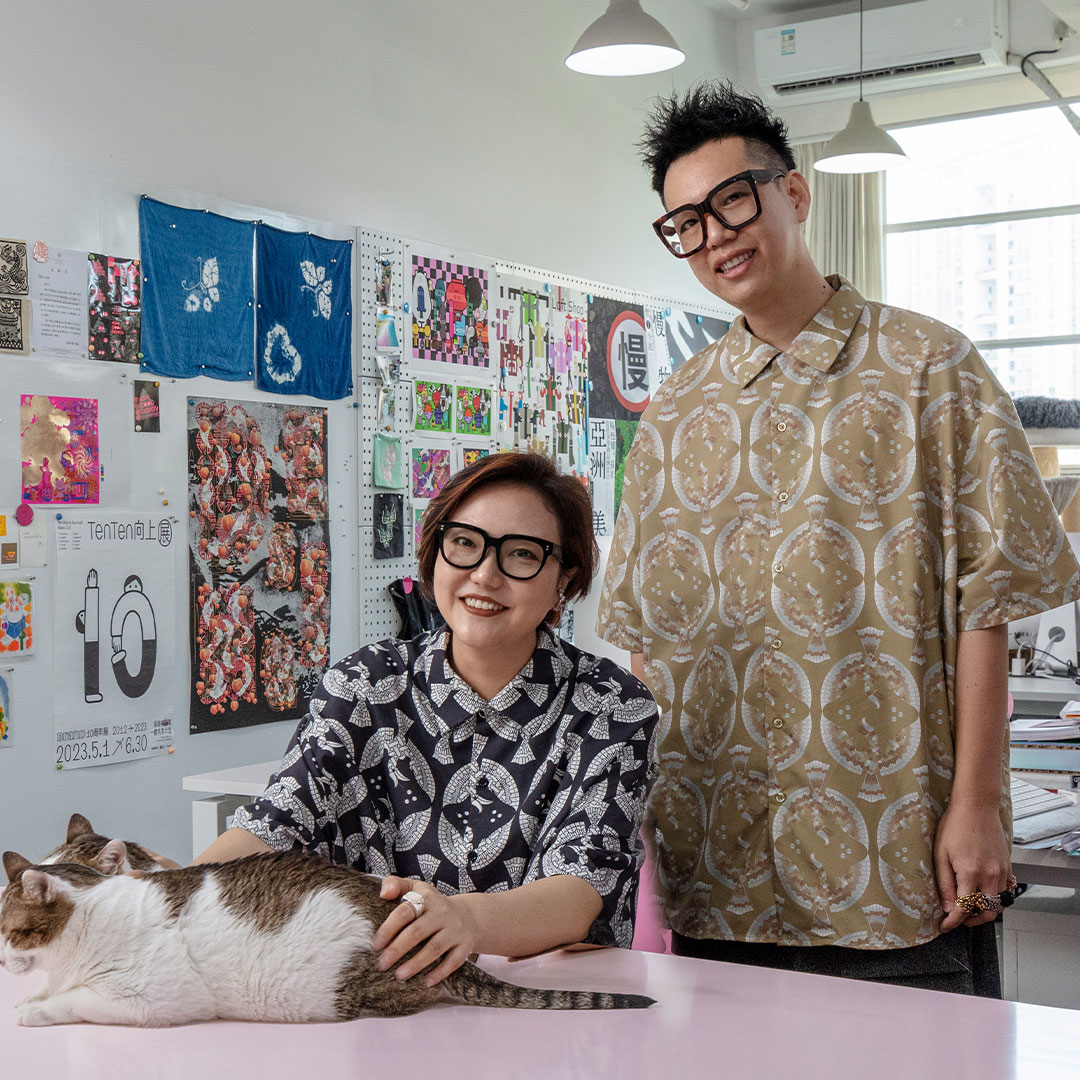
As Founder and Chief Creative Officer of Dongxi ZhiShang, Yixi Xue approaches design as a bridge between tradition and modern life. Drawing from years of practice and reflection, she is committed to translating Eastern cultural values into relevant, globally resonant design experiences.
I’m YIXI, founder and Chief Creative Officer of Dongxi ZhiShang, and a design practitioner whose work is rooted in the philosophy of “Boundless Innovation.” To me, “designer” is more than a title—it’s the core identity through which I deliver value to the world.
From an early age, I was immersed in art and nurtured by a keen sensitivity to form and colour. This led me to China’s premier design institution, Beijing Institute of Fashion Technology, where I completed both my undergraduate and master’s degrees. Immediately after graduation, I entered the industry as a full-time designer.
Over the past decade, my understanding of design has evolved from surface-level aesthetics to deeper cultural resonance. Initially, my focus was on visual beauty—on how things looked. But with time, experience, and reflection, my practice matured into a mission: to champion the globalisation of Eastern aesthetics and the modernisation of traditional craftsmanship.
Today, my core purpose is to create works and lifestyle solutions that merge artistic integrity, functional utility, and cultural depth—offering global audiences meaningful experiences that bridge civilisations and enrich everyday life. For me, design is not just about objects; it’s a bridge between cultures and a catalyst for a more beautiful world.
Winning the London Design Awards is a powerful validation from the global design community of my long-held belief in “culture-empowered design.” It’s also a resounding affirmation of my team’s years of dedication to cross-cultural design excellence and uncompromising craftsmanship.
This honour has deepened my confidence in my aesthetic framework and technical capabilities, but more importantly, it has reinforced a profound truth: great design transcends language and geography—it becomes part of our shared human heritage.
While it hasn’t altered my original intention, it has sharpened my sense of purpose. I now see myself not only as a creator of objects, but as an advocate and pioneer in cross-cultural design. I believe exceptional art and design are luminous expressions of human wisdom—and I am committed to using my work as a medium to inscribe a lasting, distinctly Eastern voice into the global design narrative.
This recognition has expanded our global visibility and positioned our “modernised Eastern aesthetics” approach firmly on the international stage. It has opened doors to collaborations with leading designers and premium global brands.
Currently, we’re leveraging this momentum to launch an international “Chinese Gifts” initiative—curating culturally resonant products for global markets. We’re also assembling a council of top-tier Chinese design experts to systematically explore how to tell Eastern stories in ways that resonate universally.
For our studio, Dongxi ZhiShang, the award has significantly elevated our international reputation and industry influence. We’ve already begun developing a global independent e-commerce platform to share deeper cultural narratives and curated designs with worldwide audiences.
At the same time, we remain humble—what we call maintaining an “empty cup” mindset. We’re actively seeking participation in major international art and design exhibitions and pursuing diverse cross-border collaborations, all aimed at advancing the global presence of Eastern culture through contemporary design.
Experimentation is the engine and ultimate validator of my creative process—the vital link between concept and reality. I firmly believe that even the most imaginative idea remains theoretical unless tested for market viability, user experience, and technical feasibility.
Therefore, I consciously shed subjective bias and adopt a triple perspective: designer, user, and market evaluator. I’m often the first tester of my own concepts—assessing not just whether something looks good, but whether it feels right to use and makes sense in the real world.
This experimental approach ensures every piece I create strikes a precise balance between artistic expression and practical function—transforming vision into value.
As a designer deeply attuned to inner spirit and natural harmony, I believe true inspiration doesn’t come from forced brainstorming—but from moments of alignment with the universe. It arises when the soul resonates with nature, silence, or rhythm.
Some of my most breakthrough ideas have emerged in non-traditional settings: during deep meditation, while walking through forests observing subtle textures, listening to the emotional arcs in classical music, or in the flow state of physical movement. In these moments, insights arrive like shooting stars—sudden, vivid, and fleeting.
My practice hinges on staying receptive: cultivating awe, sharpening perception, and immediately capturing these ephemeral sparks through sketches, notes, or voice memos—so they can later be refined into the soul of a design.
I wish more people realised that design is far more than aesthetic styling. It’s a complex, systemic discipline that integrates inspiration, logic, structure, and execution.
From the first spark of an idea to translating it into lines, colours, and light to building 3D prototypes and finally achieving scalable production, every stage demands rigorous expertise.
The key difference between a designer and an artist? We don’t just create beauty—we make beauty useful. Our work must solve real problems, enhance daily life, and carry emotional or cultural meaning.
Regardless of experience level, a designer’s ultimate mission is to advance the evolution of beauty and guide humanity toward more thoughtful, humane, and elevated ways of living.
I anchor this balance in a principle I call “value alignment.” Rather than trying to please every client, I proactively seek partnerships with those who share high standards, cultural awareness, and a deep appreciation for design.
Through intensive dialogue, I uncover the core values behind their requests—then align those with my creative vision to co-create something greater than either party imagined alone.
My advice: mature designers shouldn’t merely fulfil briefs, nor should they rigidly impose their own views. Instead, become a “creative partner and value guide”—someone who navigates the intersection of personal vision, client needs, and market realities to achieve win-win outcomes.
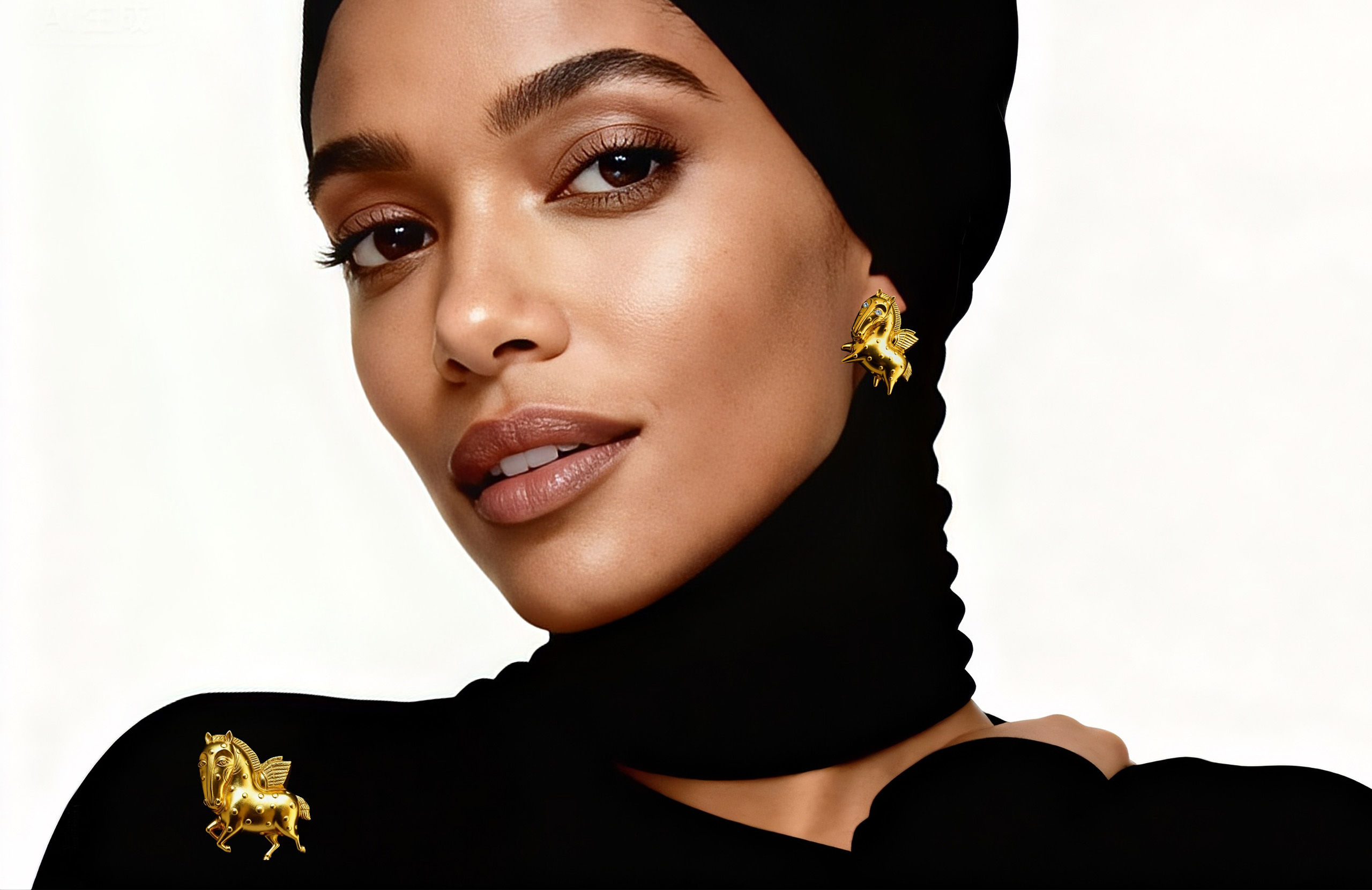
The central challenge was bridging two seemingly disparate worlds: “museum-grade stone carving art” and “wearable contemporary jewellery.”
Should we replicate the heavy, solemn texture of traditional stone reliefs? Or deconstruct them into something light, modern, and fashion-forward? This dilemma tested not only our material and structural ingenuity but also our command of aesthetic coherence.
To resolve it, my team conducted extensive multidimensional experiments. We studied the cultural essence of stone carvings to extract symbolic motifs, then explored modern materials and fabrication techniques through iterative prototyping. After countless rounds of testing and refinement, we succeeded in reinterpreting ancient stone art through innovative jewellery craftsmanship—resulting in a piece that honours heritage while radiating contemporary elegance.
For me, a creative block isn’t a lack of ideas—it’s a temporary rigidity in thinking. My strategy involves three steps: cross-pollination, mindful emptiness, and grounded synthesis.
First, I seek inspiration beyond design—delving into natural science, ancient texts, or contemporary art to disrupt habitual patterns.
Second, I practice intentional stillness—through meditation or walks in nature—to create mental space for insights to arise organically.
Finally, I filter these emergent ideas through real-world constraints, ensuring they’re not just poetic but viable.
This cycle keeps my creativity both expansive and executable.
My guiding principle is: “Create beauty through design; connect the world through culture.”
I see designers not just as stylists, but as cultural stewards and innovators. Thus, I constantly study across disciplines—drawing from history, philosophy, and lived experience—to inform my work.
For instance, in one project, I wove childhood memories of watching artisans craft traditional objects with the functional needs of modern urban life. The result was a collection that evoked nostalgia yet felt utterly current—proof that personal history, when thoughtfully translated, can give design its unique emotional signature.
Ultimately, I believe a designer’s highest calling is to use talent and vision to create works that carry meaning, beauty, and cultural connection into the world.
Three pillars: Root yourself in culture. Embrace interdisciplinarity. Cultivate independent judgment.
First, dive deep into your cultural roots. In a globalised world, cultural identity isn’t a limitation—it’s your superpower. Authenticity born of heritage is what makes your voice stand out.
Second, step outside design. Today’s most impactful work lives at intersections—with technology, psychology, sustainability, or social innovation. Cross-pollination sparks true originality.
Third, develop your own compass. The design world is noisy with trends. What young creators need most isn’t technical skill (though that matters), but the ability to discern what is truly valuable, beautiful, and meaningful. Dare to question. Dare to stay true.
Design isn’t a sprint—it’s a marathon. Those who endure are the ones who can gaze at the stars and walk steadily on the ground.
I’d choose John Galliano.
Known as fashion’s “enfant terrible” and “hopeless romantic,” Galliano has, since the 1990s, redefined haute couture with his theatrical vision, masterful tailoring, and fearless emotional intensity. His work pulses with narrative, drama, and sublime craftsmanship—qualities that deeply resonate with my own pursuit of “modernising Eastern aesthetics” and “rejuvenating tradition.”
I believe our collaboration could fuse the philosophical depth of Eastern heritage with Galliano’s romantic genius—creating designs that are at once globally relevant and culturally profound, pushing cross-cultural dialogue into uncharted territory.
Question: As an Eastern designer, what do you see as your unique mission within the global design landscape?
Answer:
I believe our mission goes beyond simply “showcasing Eastern aesthetics.” It’s about redefining their relevance and expression in the contemporary world. This requires three commitments:
First, extract spirit, not just symbols. Move beyond decorative motifs to capture the philosophical underpinnings, aesthetic logic, and emotional structures of Eastern thought.
Second, recode this wisdom in a modern design language—making it accessible, desirable, and usable for today’s global audience.
Third, position Eastern design as an equal participant in global cultural discourse—not as exotic ornamentation, but as a vital contributor of alternative perspectives, values, and solutions.
My personal mission is to ensure Eastern design steps onto the world stage with confidence, sophistication, and depth—so that people everywhere can witness the true power and beauty of our cultural legacy.
Read about Slowing Down to Design Better with Wanqing Zhang here.