Chinese Adolescent Depression
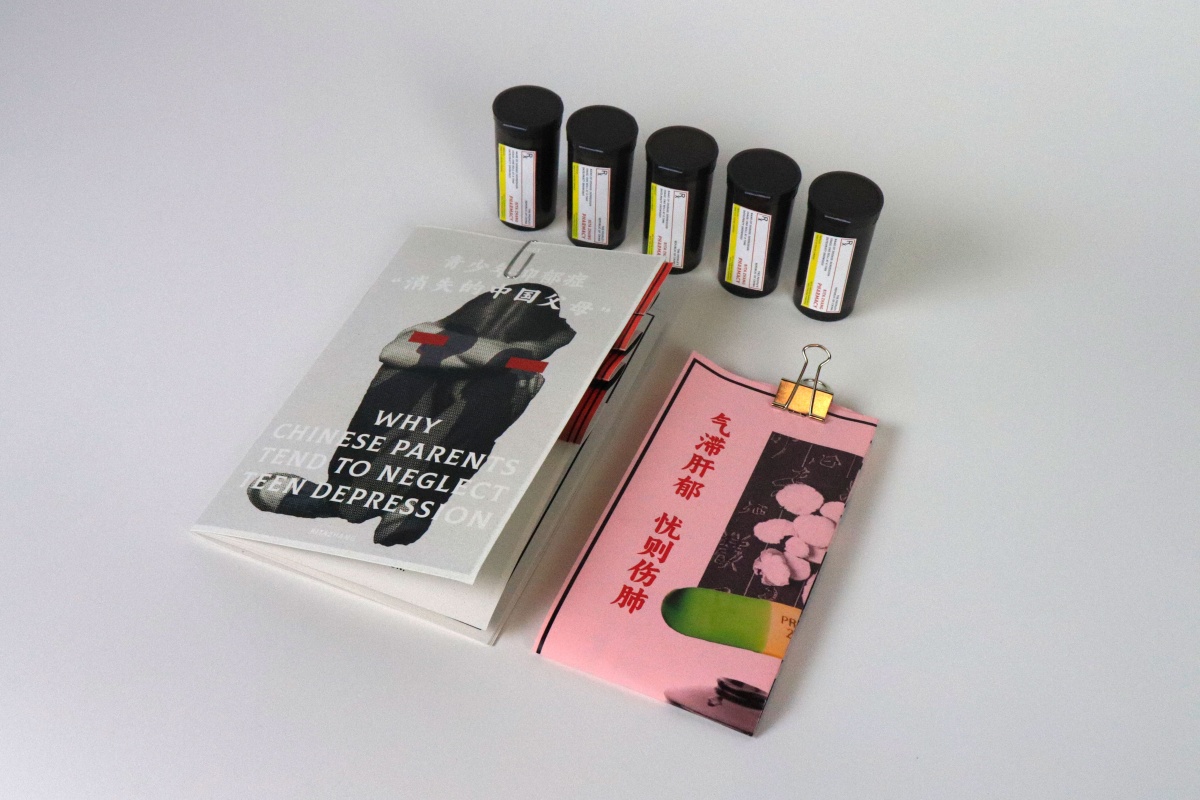
The project revolves around a societal concern: the tendency of Chinese parents to overlook depression...
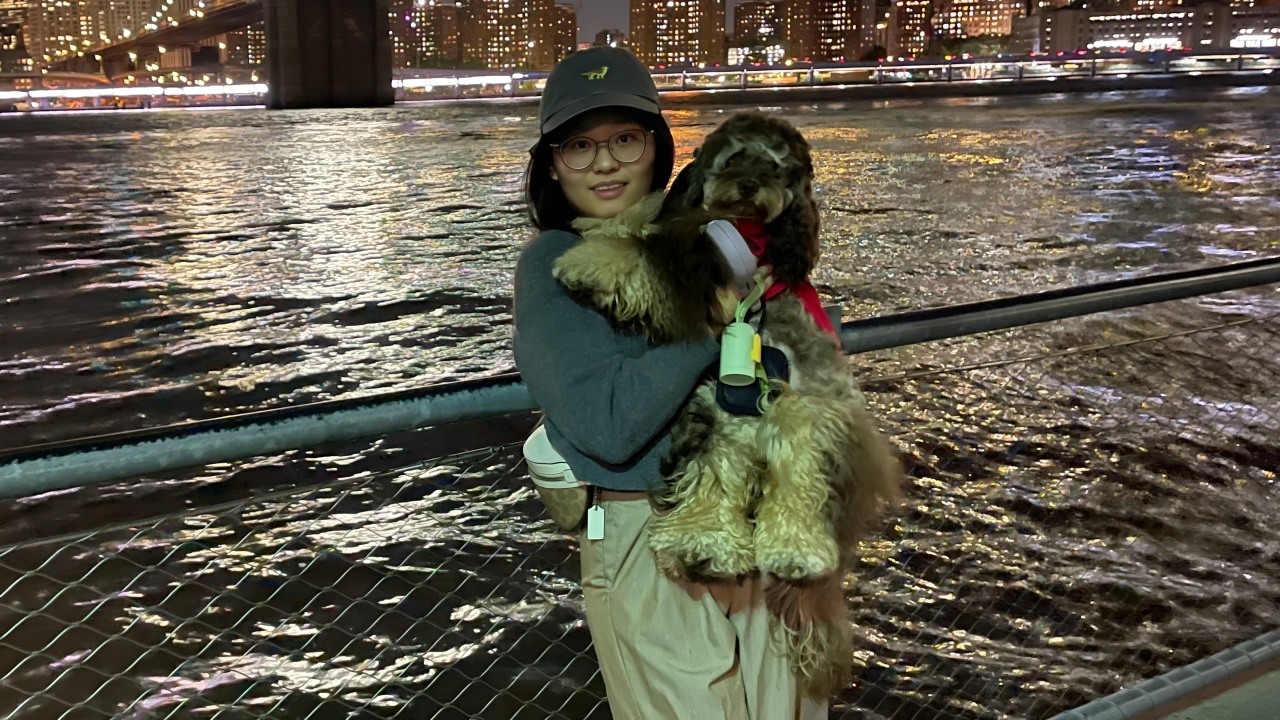
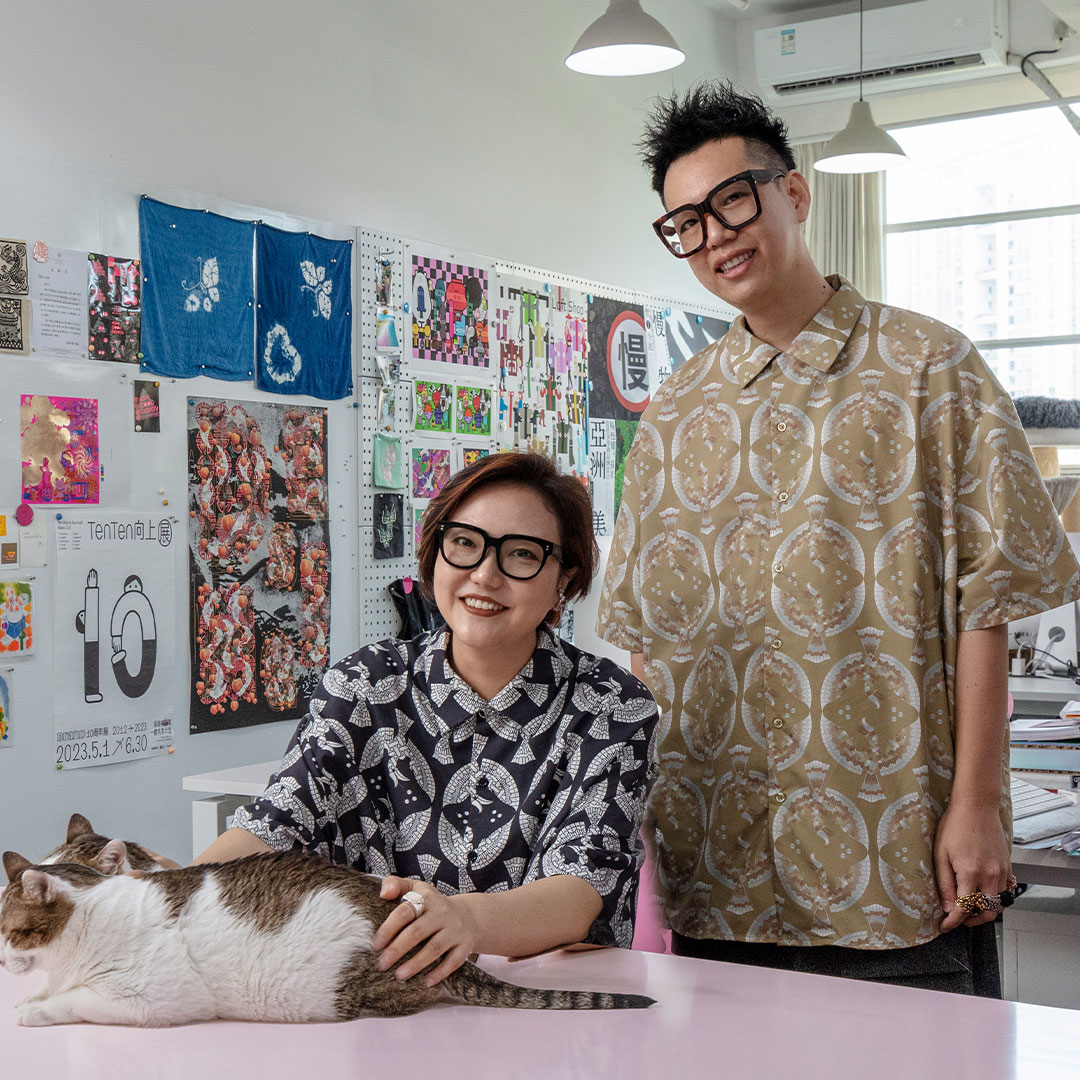
Wanqing Zhang believes design gains meaning through structure, research, and critical thinking, not surface aesthetics alone. With a background in Communication Design from Pratt Institute, she develops projects that range from digital interfaces to book formats, using user insight and visual logic to make complex ideas more accessible.
Hi, I’m Wanqing Zhang, also known as Rita Zhang. I graduated from Pratt Institute with a major in Communication Design, so pursuing a career as a designer felt like a natural next step.
But if I trace back to the very beginning, my decision to become a designer really grew out of curiosity. My childhood experiences with learning musical instruments and painting planted a seed in me—a seed that grew into a deep sensitivity to aesthetics. This sensitivity sparked an endless curiosity about the “designed” nature of the world around me.
It recognises my current design skills and supports my journey to becoming a better designer.
Through this experience, it makes me feel more confident about my career path, and know more about my current status in the design industry, what should I do, what should I learn, and which part I should work on more in the future.
Before I submitted my project, I learned a lot about previous participants' work, and this preparation experience also helped me a lot as well. At the same time, this platform will significantly increase the visibility of my work and bring valuable professional collaboration opportunities.
It is a continuous process of organising my thoughts and seeking better design solutions. In visualising the outcomes for this project, I explored various design directions and forms of expression—including UX/UI, booklet design, illustration, and performance art.
During the UX/UI design phase, user interviews helped me gain a deeper understanding of their pain points. The insights collected guided me in thinking critically about how an application could help users record their emotions, understand them, and cope with emotional setbacks.
In the book design process, I focused on how to communicate information more efficiently to the audience—transforming heavy topics into content that is easier to digest and more readable. At the same time, I considered how different binding and structural approaches could convey deeper, implied meanings.
Pre-modern Chinese Literature/Ancient Chinese Prose.
I want people to see that graphic design is so much more than making things “look good.” Beneath the surface lies a serious, logic-driven discipline. Each project is built on a foundation of research, strategic thinking, and iterative refinement—a professional system where every choice is deliberate.
This thoughtful process is what gives design its real value. It cannot be replaced by AI’s quick outputs, and speed should never be its only measure. It’s time we recognised and respected the true craft of design.
I view design as a problem-solving partnership. When disagreements arise, I adopt a two-step approach: 1) faithfully execute the client's vision, and 2) develop a parallel solution based on my expertise.
By presenting both options, we can evaluate the best path forward based on the project goals. The client has the final decision, and my priority is the project's success.
My work explores a deep and abstract theme. To communicate it effectively, I adopt a multi-medial approach: I use Performance Art to create an immersive experience, translating abstract issues into a tangible, present moment.
Graphic Design helps me to turn the key viewpoints into clear visual language, while content is used to articulate the speculative journey. This integrated method is an invitation for the audience to step into the conceptual space of my work.
Analysing the works of outstanding designers to understand their strategies for translating concepts into visual language; Visiting art exhibitions to grasp the core issues preoccupying cutting-edge artists, along with their reflections and responses to these questions.
Also, I value conversations with friends across diverse fields to proactively introduce multifaceted perspectives and break free from entrenched thinking patterns.
This forms a cycle of observation, introspection, and collision, keeping my thought processes fluid and evolving.
This project comes from a part of my personal journey. The entire design process serves both as a call to raise awareness on this issue and as a path to my own answers. I, too, have been searching for an answer to this question.
What I’ve learned so far is to give myself more chances to try and not be too quick to judge myself when things don’t work out. Of course, knowing this is one thing—putting it into practice is much harder.
I have been searching for an answer to this question. What I’ve learned so far is to give myself more chances to try and not be too quick to judge myself when things don’t work out. Of course, knowing this is one thing—putting it into practice is much harder.
I am always eager to connect and collaborate with designers whose skills match or exceed my own, so we can learn and grow together. There are some designers in my mind I always want to learn or collaborate with in the future, but I don't wanna mention their name here; when it's the right time, things will happen.
What do you hope your design/work will leave with the audience, beyond just being seen?
I hope to leave behind more than just ‘good work’—I want to create an opportunity for reflection. What I truly wish is for the audience to stop by, even if just for a minute, to feel and understand the struggles faced by teenagers with depression.
If my work could serve as a ‘bridge’ that connects people’s hearts to an often-ignored reality, that would be its most meaningful part to me. Visual styles shall fade, but a moment of genuine connection can last.
Discover more design insights here - Julia de Schultz Translates Knowledge into Design Through Ray of Light Prints.