The Age of Flowers
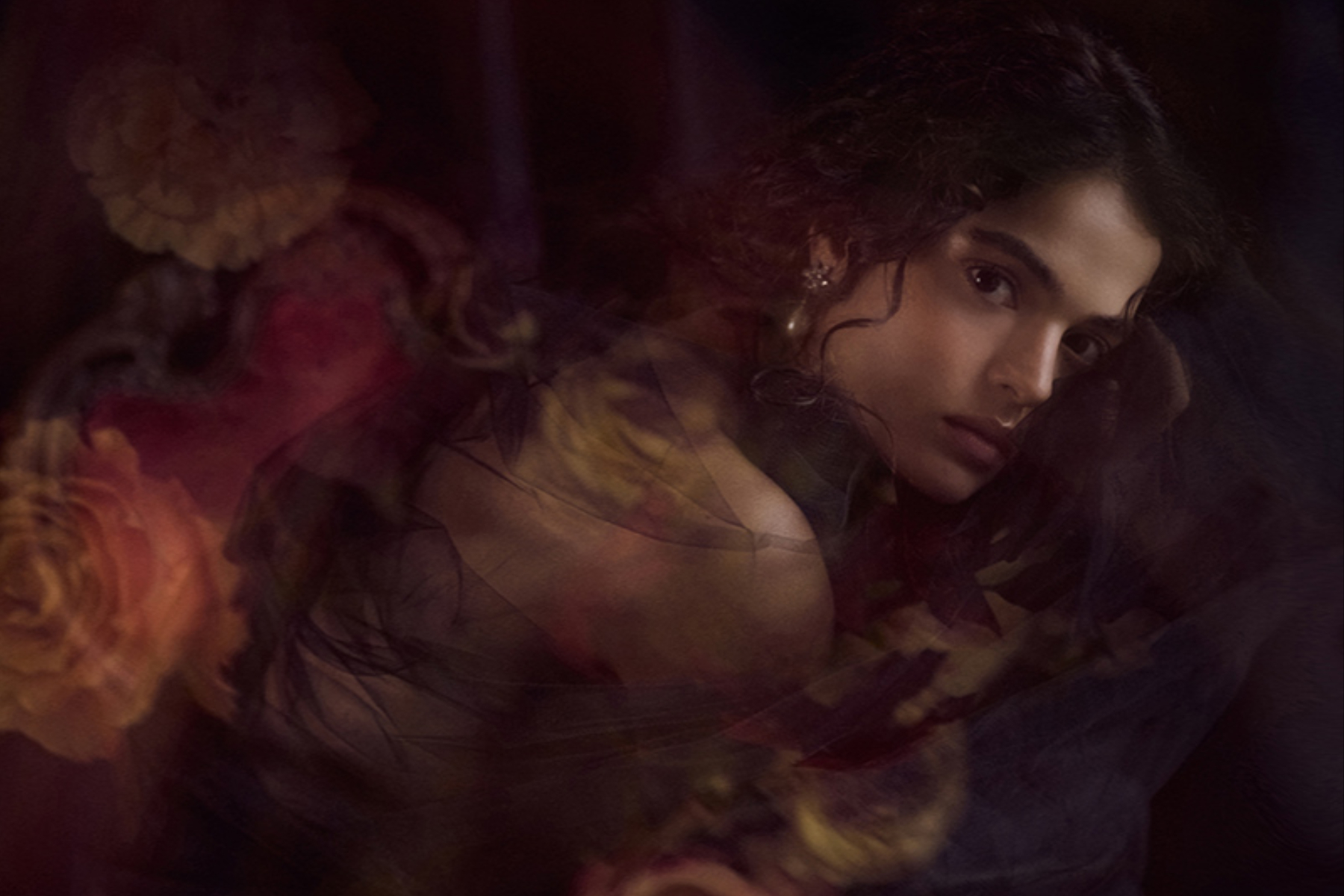
The Age of Flowers is a Portrait series where I experiment with a mix of...
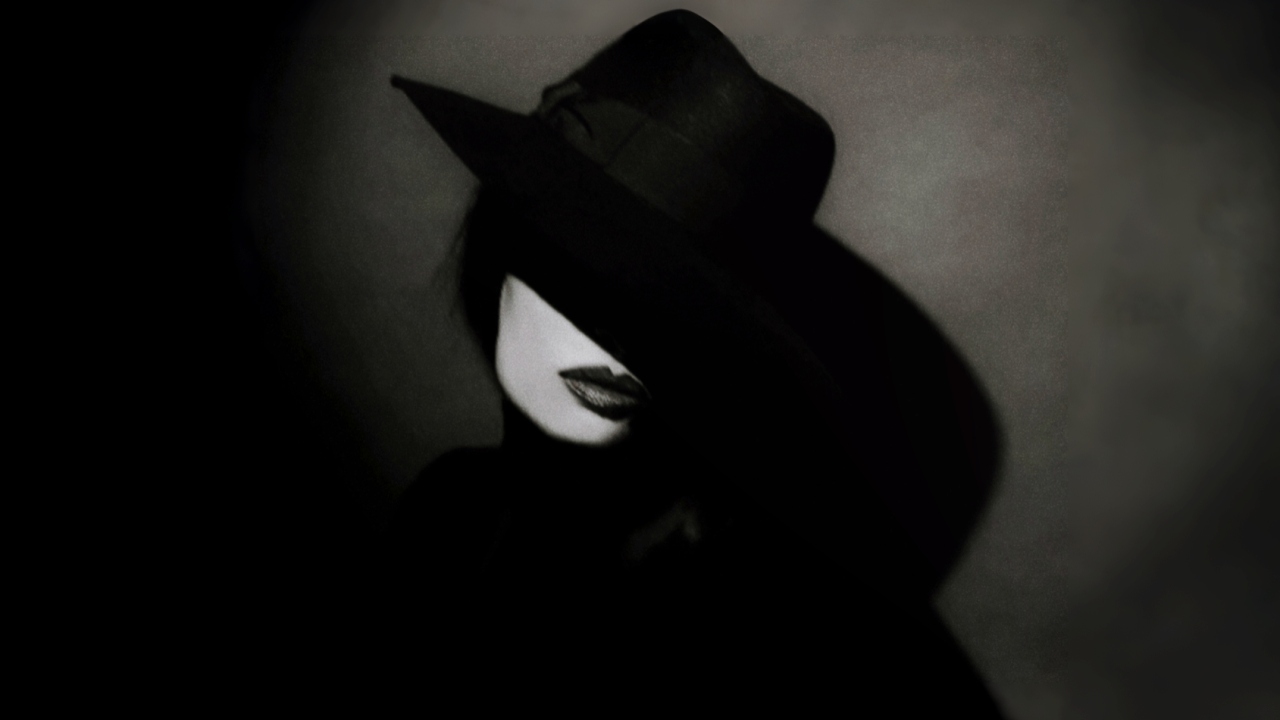
Driven by an enduring need for creative expression, Olivia Mazzola returned to photography later in life and built her artistic voice through relentless experimentation and practice. Today, her fine art portraits reflect a deeply personal approach to storytelling, capturing atmosphere and emotion with striking authenticity.
I am a fine art photographer based in Milan, and my journey into photography began from a deep need for creativity. My family did not encourage me to pursue a creative career, so when my father passed away eight years ago, I found myself carrying years of unexpressed creativity inside me. At that moment, I realised I needed to be courageous and follow my dreams.
Even though I was no longer very young, I decided to return to photography school, and I have never stopped photographing since then. School helped me understand the foundations of photography, but my real growth came through constant practice, experimentation, and photographing every single day in order to refine my own visual language and artistic identity.
This recognition makes me incredibly proud. It is a true honour and an important achievement that motivates me to continue experimenting and creating.
My inspiration has always come from art and painting. My grandmother was a painter, and she deeply influenced and nurtured my inner world from a very young age. I am also deeply passionate about light painting, which is the technique I used to create these images. What fascinates me most is the challenge of shaping light out of complete darkness and transforming it into something emotional and expressive.
I evaluate my work very carefully in order to select the images that best represent my artistic vision and technical quality. However, no matter how objective I try to be, it is still my own work. That is why it is important for me to submit it to the judgment of experienced professionals and industry experts.
The loss of my father is what first led me to photography. At that time, photography became a way to confront pain and process emotions. It felt almost like a form of therapy and comfort, allowing me to distance myself from the harshness of reality and create a world where I could feel safe and free to express myself.
What I love most is the act of creating — starting from an idea, allowing my imagination to evolve freely, and transforming something intangible into something tangible. Portraiture gives me the freedom to express emotion, atmosphere, and storytelling in a deeply personal way.
I truly enjoy experimenting, so I work with many different formats, including film cameras, Polaroids, and digital systems.
For my digital work, I use both a mirrorless and a medium format camera. My favourite focal lengths are 50mm and 80mm because they allow me to create intimate and immersive portraits while maintaining a natural sense of depth and emotion.
I would like my work to evoke emotion. If, even for a brief moment, my images can transport someone away from reality and into another emotional space, then I feel I have achieved my purpose as an artist.
The most challenging aspect was the technique itself. Light painting requires careful planning and intention because every movement of light contributes to the final image. It is a slow and demanding process that forces you to fully engage with each frame and appreciate photography in a very conscious and deliberate way.
I find inspiration in many different things while observing my subjects. Non-verbal language is extremely important to me — gestures, movements, posture, and expression all carry emotional meaning. Before composing an image, I spend a great deal of time observing these subtle details.
My grandmother has been my greatest artistic influence. She was a painter, and from childhood she introduced me to art, colour, and creativity in a very natural way.
As long as photographs remain hidden in a drawer, we remain their only judges. Photography is a universal language, and I believe it should be shared with the world.
I would encourage emerging photographers to trust their instincts, believe in their vision, and have the courage to submit their work to competitions. Beyond recognition, competitions can become meaningful opportunities for growth, self-discovery, and artistic development.
Practice constantly and train your eye to see beyond the ordinary. Learn to observe light, emotion, colour, and composition in everyday life, and never stop experimenting or challenging yourself creatively.
Post-processing plays an important role in refining and completing my work. For me, it serves a similar purpose to the darkroom process in film photography — it allows the artist to shape the final emotional atmosphere and bring the creative vision fully to life.
I believe photographers need to learn how to coexist with evolving technologies if we want to continue growing creatively in the future.
Personally, I do not consider a fully computer-generated image to be photography, because photography remains a hands-on artistic practice built through emotion, labour, observation, and human connection. However, I do believe AI and photography can coexist through a hybrid creative approach when used thoughtfully and responsibly.
I would have loved to photograph the painters and models of the Belle Époque and Impressionist era inside their studios while they were creating their work. I am fascinated by that artistic world, its atmosphere, and the relationship between movement, light, and creativity.
Discover this interview Inside the Journey of 2026 London Photographer of the Year, Roberto Pazzi by clicking this link here.