Martina
Adolescence is a suspended passage between childhood and adulthood: a fragile territory made of metamorphosis...
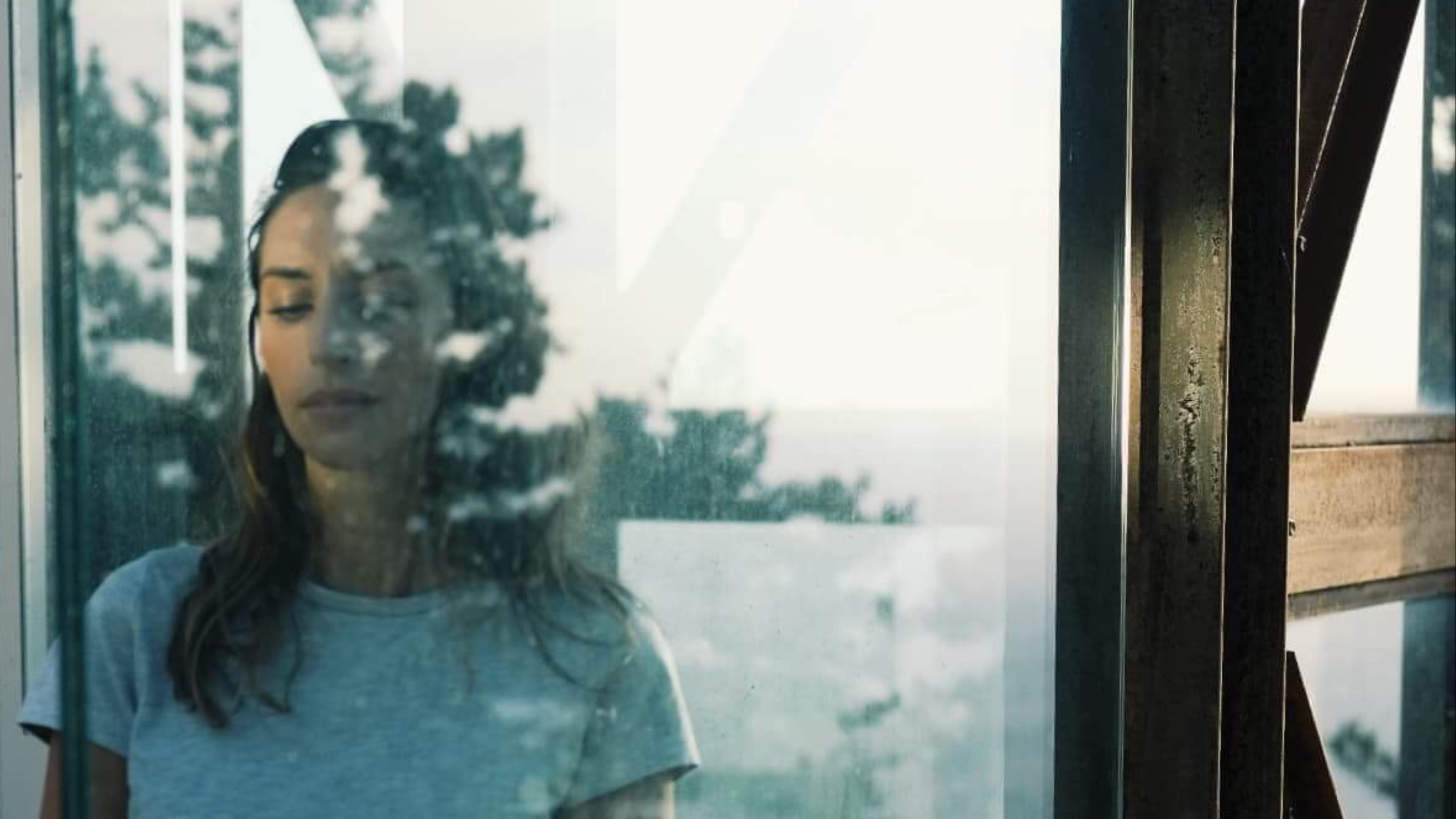
For Elise De Gauche, photography is a language for investigating identity, transformation, and the subtleties of human emotion. Her black and white portraits, often centered on women, strip images down to gesture, expression, and light, creating intimate spaces where complexity and vulnerability are honored.
Thank you very much. Photography entered my life as a way to observe and understand reality on a deeper level. From my very first shots, I was less interested in documenting what I saw and more drawn to exploring what lies beneath the surface — emotions, inner states, and invisible tensions.
Over time, photography became a language through which I could investigate themes of identity, transformation, and human vulnerability. My journey has evolved from intuitive experimentation to a more conscious, research-driven practice, where each image is part of a broader conceptual reflection. I am particularly interested in liminal moments — those in-between spaces where change is taking place but has not yet fully revealed itself.
As my work matured, I began to see photography not only as a means of expression, but as a tool for emotional and symbolic inquiry, capable of giving visible form to inner experiences that are often difficult to articulate with words.
The award-winning image is part of a project that reflects on adolescence as a suspended and transformative phase of life. Martina became the subject almost naturally, not as a character to be portrayed, but as a presence capable of embodying that in-between state between childhood and adulthood. I was interested in capturing a moment that feels fragile yet intense, where identity is still forming, and emotions are experienced with a particular depth.
The choice of black and white was essential to strip the image of any distraction and focus on light, gesture, and expression. It allowed me to emphasize the emotional contrasts that define adolescence — clarity and uncertainty, strength and vulnerability — and to create a timeless atmosphere, detached from a specific place or moment. The slight sense of movement and imperfection in the image reinforces the idea of transition rather than completion.
Winning this award is deeply meaningful for me. It feels like a confirmation that a quiet, introspective approach to photography can resonate beyond personal experience and speak a universal language. It encourages me to continue trusting my vision and to further develop my research-driven practice, knowing that images rooted in emotional truth can connect with others on an international level.
When deciding which photograph to submit for a competition, I focus on images that can stand on their own while also representing a coherent body of work. I look for photographs that carry a clear conceptual intention, not only a strong aesthetic presence.
An important factor for me is whether the image communicates something beyond its surface — whether it suggests a narrative, an emotional state, or a question rather than offering an immediate or definitive answer. I also consider how timeless the photograph feels, and whether it can resonate with different viewers regardless of personal background or context.
Finally, I ask myself if the image truly reflects my current artistic research. If a photograph feels honest, aligned with my vision, and capable of expressing the core themes I am exploring at that moment, then I know it is the right one to submit.
I first picked up a camera out of a desire to observe and understand the world more carefully. Photography offered me a way to slow down and pay attention to details, emotions, and moments that often go unnoticed.
What began as curiosity gradually became a need — a way to translate inner perceptions into images. The camera became a tool to explore not only what was visible, but also what was felt, allowing me to give form to thoughts and emotions that were difficult to express through words alone.
My favorite type of photography is black and white portraiture, particularly focused on women. I am drawn to this approach because it allows me to explore identity, vulnerability, and strength in a direct and intimate way. Removing color helps strip the image down to its essential elements — expression, gesture, light, and emotional presence.
Through portraiture, I am interested in creating a space where women are not idealized or reduced to roles, but simply allowed to exist, to be seen in their complexity. Black and white photography gives a timeless quality to these portraits, emphasizing inner states rather than external context. This is why I love it: it allows me to tell quiet, human stories that resonate beyond appearance and moment.
I mostly work with analog photography. I am drawn to it because it encourages a slower, more intentional way of working, which aligns closely with the nature of my projects. Shooting on film requires presence, attention, and trust in the moment, and this approach allows me to build a deeper connection with my subjects, especially in portraiture.
Analog photography works best for my practice because it embraces imperfection and unpredictability, elements that I find essential when exploring themes such as identity, vulnerability, and transformation. The materiality of film, its grain and tonal depth, helps me achieve a sense of intimacy and timelessness, particularly in black and white work.
My favorite aspect of working with analog is the process itself: the limitation of each frame forces careful observation and deliberate choice. It slows down the act of photographing and turns it into a reflective experience, where every image is the result of intention rather than immediacy. For my projects, this way of working feels honest and deeply connected to the emotional core of the image.
If someone looks at my work, I would want them to feel a sense of quiet recognition — the feeling of encountering something familiar, even if it cannot be immediately named. I hope my images create a moment of pause, inviting the viewer to slow down and connect with an inner emotional space.
I am interested in portraying the complexity of human identity, including vulnerability and the growing awareness of the body as part of self-discovery. These elements are suggested rather than shown, remaining subtle and open to personal interpretation.
More than understanding, I value feeling. If my photographs allow someone to sense emotional truth, presence, or a shared human experience, then the image has fulfilled its purpose. For me, photography is about resonance rather than explanation.
The most challenging part of capturing the winning shot was finding the right balance between intimacy and distance. Working with a young subject required creating a space of trust and calm, allowing her to feel present and natural in front of the camera.
I wanted the image to feel suspended rather than posed, capturing a moment that was authentic and emotionally truthful. This meant waiting, observing, and knowing when not to intervene. Technically, working in analog and in black and white added another layer of complexity, as it required trusting light, timing, and intuition without immediate feedback.
The challenge was not about controlling the scene, but about allowing it to unfold — recognizing the precise moment when expression, gesture, and emotion aligned naturally.
I am most inspired by women as subjects. I am drawn to the complexity, strength, and vulnerability that coexist within female identity, and to the subtle emotional states that emerge when women are portrayed outside of fixed roles or expectations.
Rather than a specific place, it is the presence of the subject that inspires me — the moment when trust is established and a shared emotional space opens up. Through portraiture, I am interested in exploring individuality, inner transformation, and the quiet intensity of being seen.
Rather than direct influences, there are photographers whose work has accompanied and inspired my way of thinking about photography. Anders Petersen is one of them. His images showed me the value of emotional honesty and presence, and the importance of staying close to human experience without judgment. His work did not shape my style, but it reinforced my belief in photography as a space of authenticity and emotional truth.
Another meaningful reference for me is Jim Goldberg, particularly his book Raised by Wolves. That work resonated deeply on a personal level. The phrase itself has become symbolic for me — to the point that I chose to tattoo it — as it speaks about identity, resilience, and growing up within complex emotional environments.
These references do not define my work, but they exist as points of emotional and conceptual resonance. They remind me that photography can be intimate, imperfect, and deeply human, and that it can hold ambiguity without needing to resolve it. My practice develops from this awareness, while remaining rooted in my own personal research and experience.
I would encourage photographers to participate in awards not as a way to seek validation, but as an opportunity for reflection and growth. Preparing a submission forces you to look at your work with honesty, to understand what truly represents your voice and your research at that moment. That process alone is already valuable.
My advice is to submit work that feels sincere rather than strategic. A strong image is not necessarily the most technically perfect one, but the one that carries intention, coherence, and emotional truth. Take time to understand why you are choosing a specific photograph, and what you want it to communicate beyond aesthetics.
Finally, trust your vision. Competitions are subjective, but authenticity is recognizable. When an image is rooted in personal research and genuine experience, it has the power to resonate beyond trends and expectations.
My advice to anyone just starting in photography is to follow what truly interests you, not what is fashionable or what others tell you that you should be doing. Trends change quickly, but personal curiosity and passion are what give depth and longevity to your work.
Photography becomes meaningful when it reflects who you are and what you feel drawn to explore. If you stay connected to what genuinely moves you, your voice will naturally develop over time, and your work will gain authenticity and strength.
Editing and post-processing play a very limited role in my creative workflow. I do not rely on digital manipulation, as my focus is on getting the image right at the moment of capture. Working mainly with analog photography requires attention, intention, and trust in light, timing, and the subject.
For me, the creative process happens before and during the shot — in observation, connection, and choice — rather than afterward. This approach allows the image to remain honest and closely tied to the original emotional moment. Any minimal intervention is only aimed at preserving the integrity of the photograph, not altering its essence.
I believe technology, including AI, is creating a very complex and sometimes confusing moment for photography. It opens new possibilities, but it also raises important questions about authenticity, authorship, and intention.
From my perspective, this “chaos” can be both challenging and revealing. It pushes photographers to ask themselves why they take pictures and what makes an image meaningful beyond technical perfection or artificial enhancement.
In my own approach, technology does not change the core of my practice. I remain focused on presence, human connection, and the physical act of photographing. In a time where images can be endlessly generated or altered, I feel that slowness, imperfection, and authenticity become even more valuable.
Rather than competing with technology, I see my work as a way to reaffirm photography as an intimate and human gesture — one rooted in experience, emotion, and reality.
If I could photograph anything or anyone in the world, I would choose something vast and deeply sensual — not in an explicit sense, but as an expression of presence, intensity, and embodied emotion. I am drawn to subjects that feel expansive, where sensuality is experienced as awareness, energy, and connection rather than as spectacle.
For me, sensuality is not about exposure, but about atmosphere: the way a body occupies space, the tension between stillness and movement, the quiet power of being fully present. Photographing something immense allows that sensuality to unfold naturally, without boundaries, becoming a dialogue between the subject and the viewer.
It is within this immensity — emotional, physical, or symbolic — that I find the strongest inspiration, because it reflects the depth and complexity of human experience.
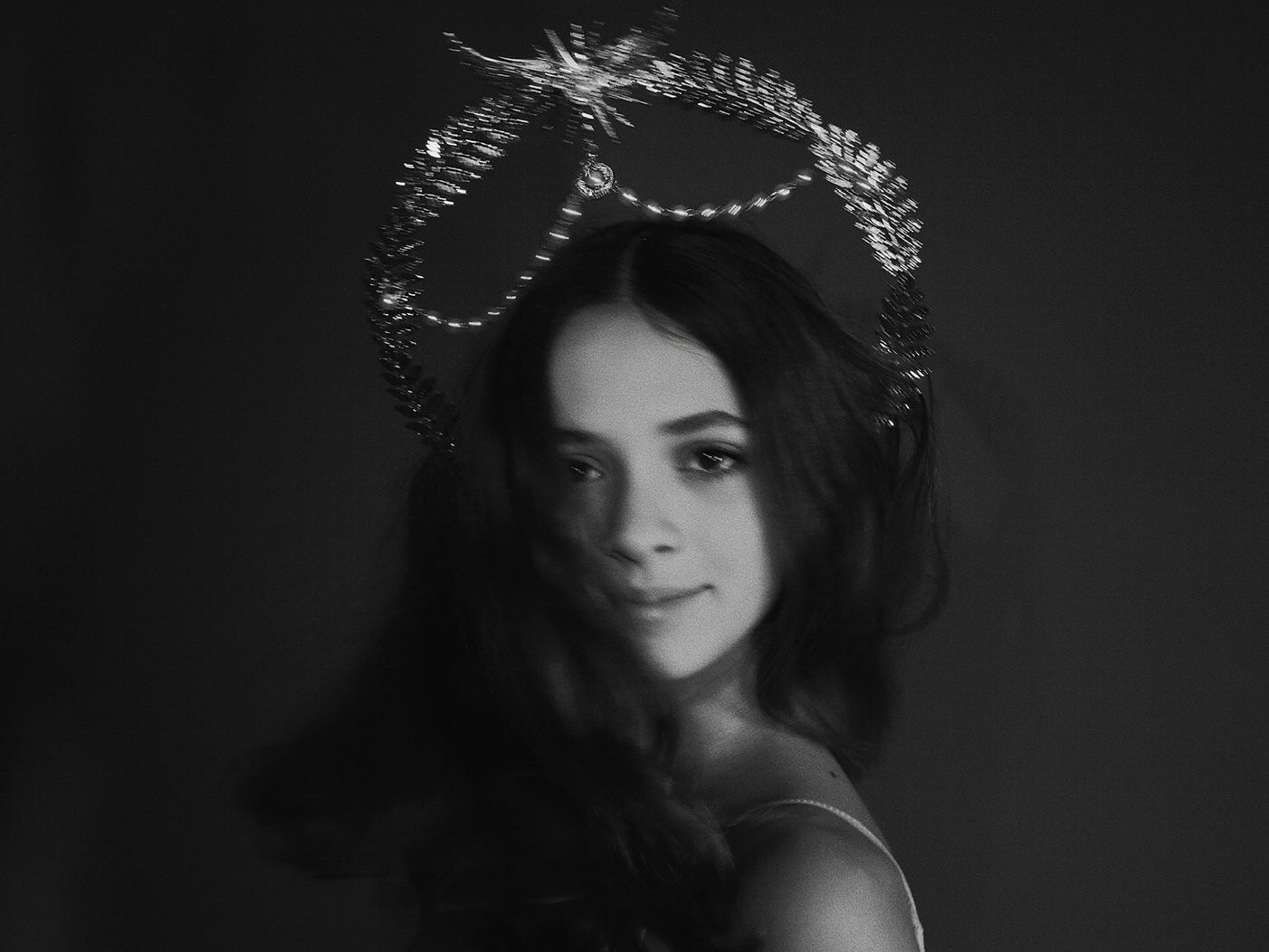
Read about the 2025 Photographer of the Year here, The Power of a Story: A Conversation with Photographer of the Year Murat Sengul.