Aero Grove
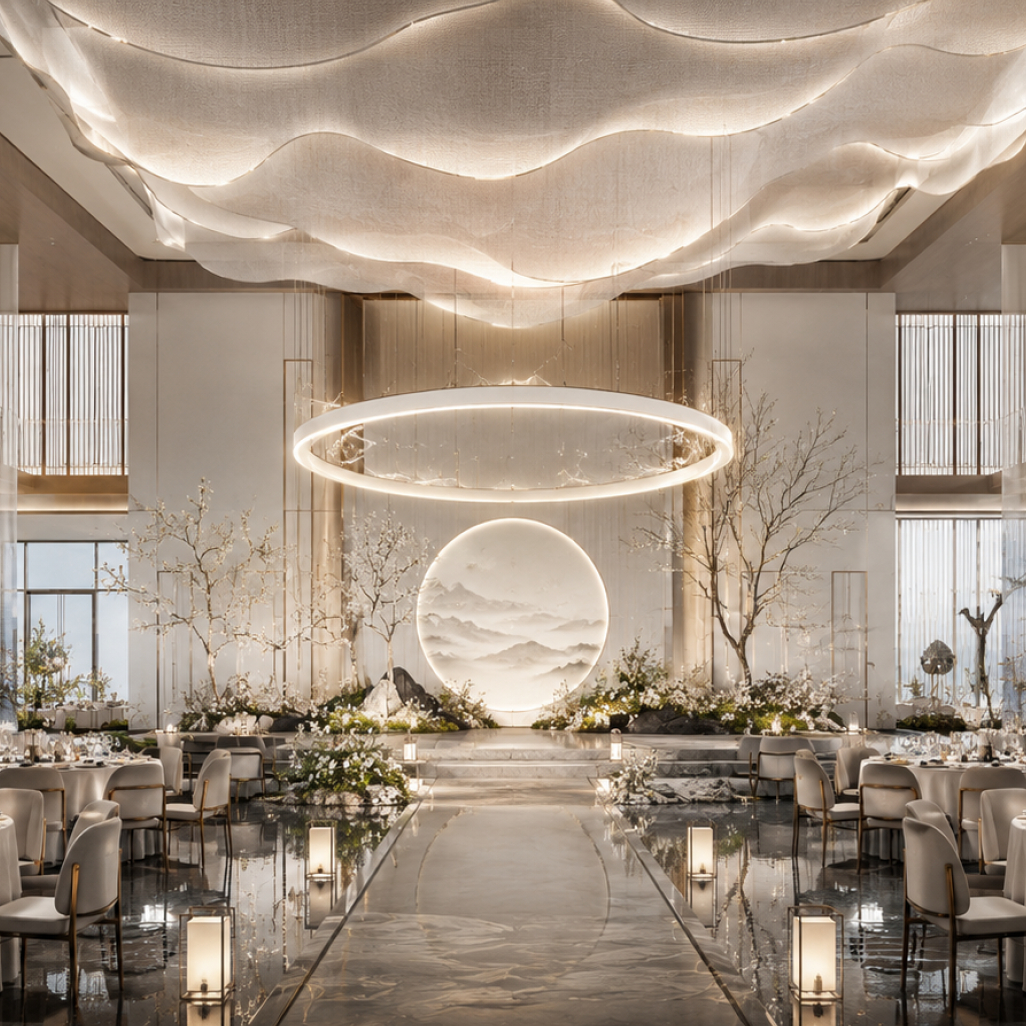
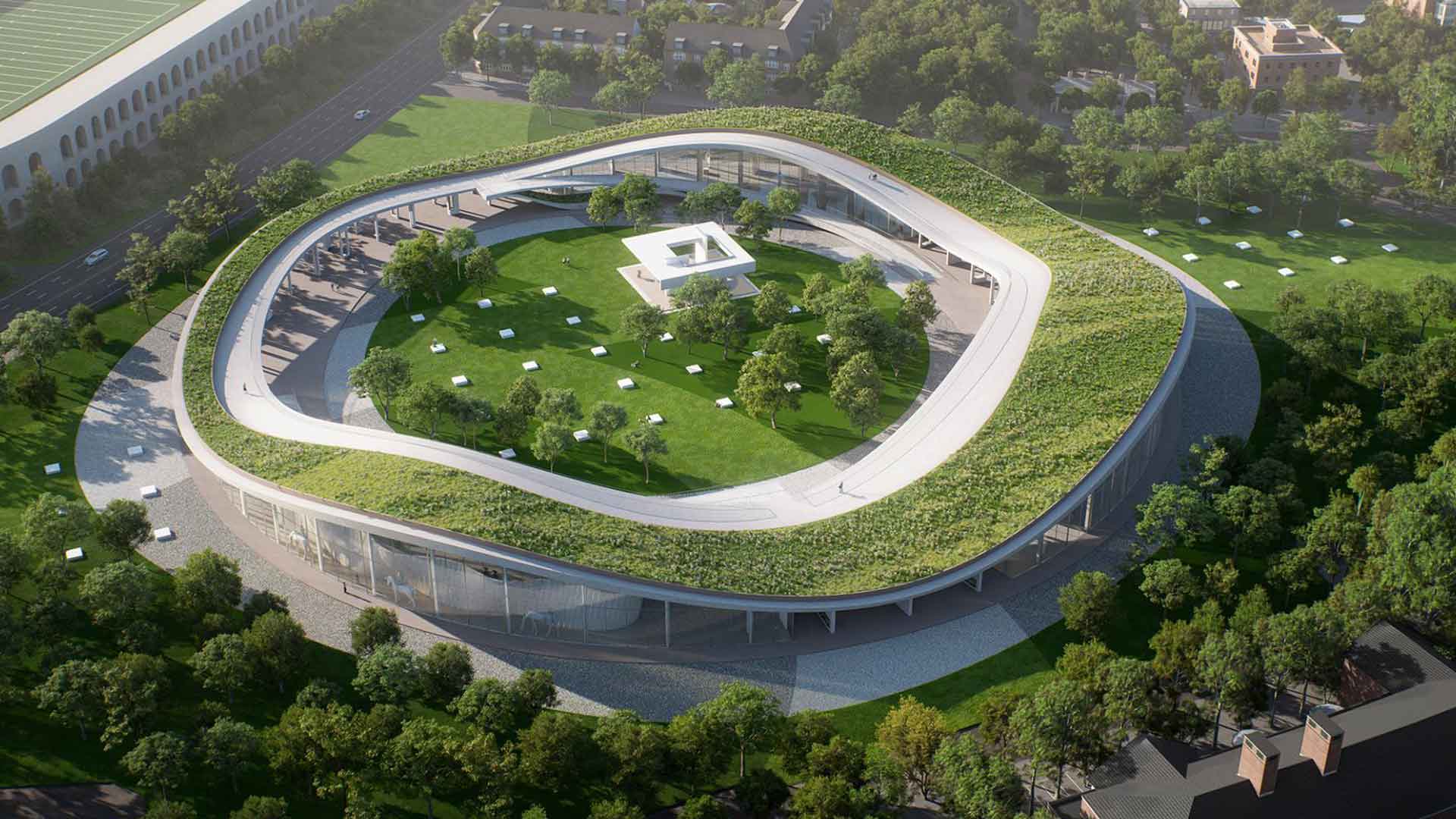
Aero Grove is a public cultural center situated on a green space in Boston. The...
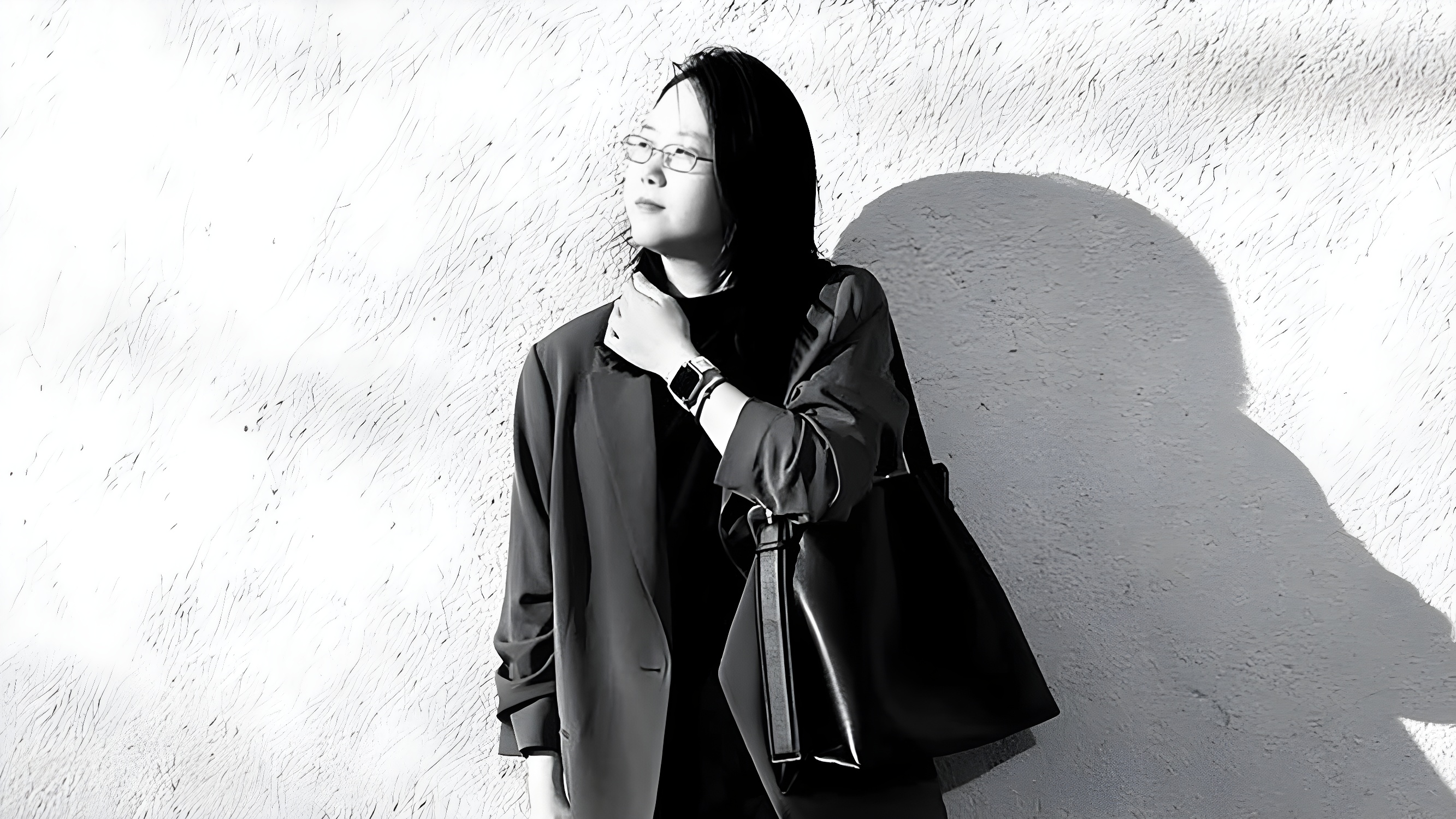
Xinyun Li is an architect based in New York and a graduate of the Harvard University Graduate School of Design. She views architecture as a deeply emotional medium to explore the city, life, and nature, creating thoughtful designs that connect people, place, and history while envisioning the future.
Hello! My name is Xinyun Li, and I am an architect based in New York. After graduating from the Harvard University Graduate School of Design, I continued my architectural practice in the city. For me, architecture is a deeply emotional form of expression—a medium through which I explore and convey my understanding of the city, life, and nature.
My work reflects a commitment to thoughtful design that resonates with both people and place, capturing the nuanced relationships between buildings, their users, and the natural surroundings. Design carries the weight of history while envisioning what lies ahead.
Being recognized in the MUSE Design Awards is a tremendous honor. It affirms my commitment to thoughtful, innovative design and inspires me to continue creating work that bridges cultures, celebrates sustainability, and resonates emotionally with people.
Winning this award has been a milestone in my career, strengthening my credibility, expanding my network, and opening doors to new collaborations. It has also motivated me to continue pushing creative boundaries and to deliver work with greater cultural and emotional impact.
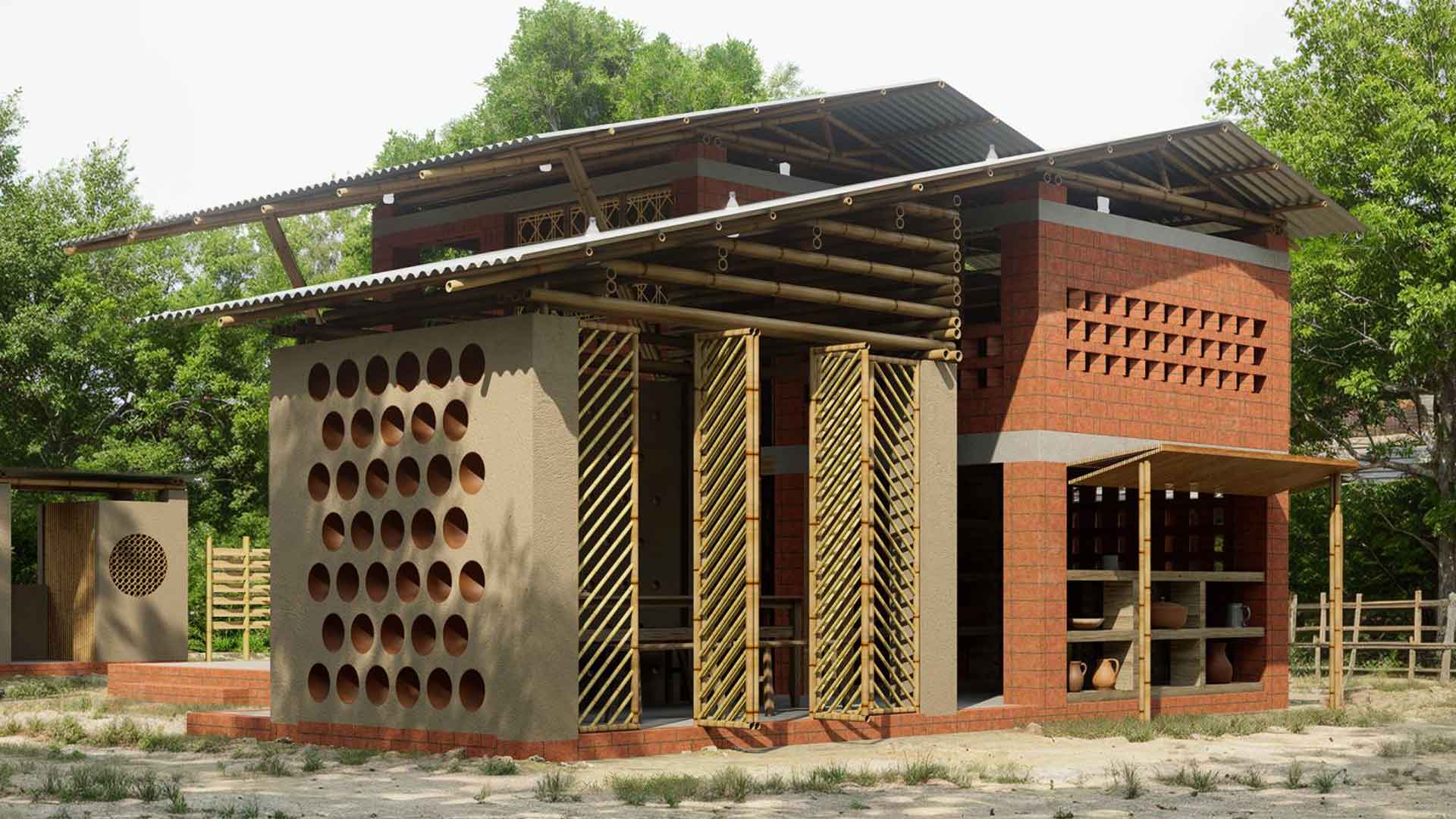
Experimentation is central to my creative process, allowing me to test ideas and move beyond conventions. For example, in the project $2,500 Vernacular Home, I combined unconventional design languages with traditional materials to create a space that fulfills functional needs while reflecting the local vernacular.
Architecture can be deeply attuned to human use, where designers allow users to become part of the design itself. The architect’s vision, combined with people’s everyday activities, ultimately completes the design and brings it to life.
One thing I wish more people understood is that design is an iterative process. Inspiration can arise at any moment—from an observation, a conversation, or even a fleeting experience—and each insight helps refine and advance the design. This continuous cycle of reflection and iteration ultimately shapes meaningful, resonant spaces.
I approach this balance by listening closely to the client’s needs while clearly communicating my design vision. Collaboration and dialogue help align their goals with creative possibilities, allowing the final design to meet functional requirements while remaining authentic and meaningful.
$2,500 Vernacular Home:
Exploring how to make full use of local materials through design to address specific climatic and functional needs while keeping the budget under control.
Aero Grove:
Investigating how to infuse vitality into a community through a humble design approach—respecting users’ existing habits and functions while serving the broader urban context.
I step away from the project to observe the world around me—whether it’s walking through the city, exploring nature, or engaging with art and culture. These experiences help me gain fresh perspectives, spark new ideas, and return to my work with renewed creativity.
My advice is to stay curious, embrace experimentation, and remain open to learning from every experience.
I would love to collaborate with Junya Ishigami for his innovative approach to blurring the boundaries between architecture, nature, and human experience. His work inspires me to pursue fluidity, lightness, and poetic experimentation in my own designs.
I wish people would ask how I balance design and technical considerations. I believe great architecture emerges when creative vision and technical precision work together, ensuring spaces are both inspiring and buildable.
Explore the journey of Mingyang Yuan from the United States, the Gold Winner of the 2025 MUSE Design Awards. Her fascination with systems from an early age continues to guide her work as an experiential designer, blending architecture and computational design into dynamic, human-centered spaces.