Shifting Hybrids: Multidimensional Commons
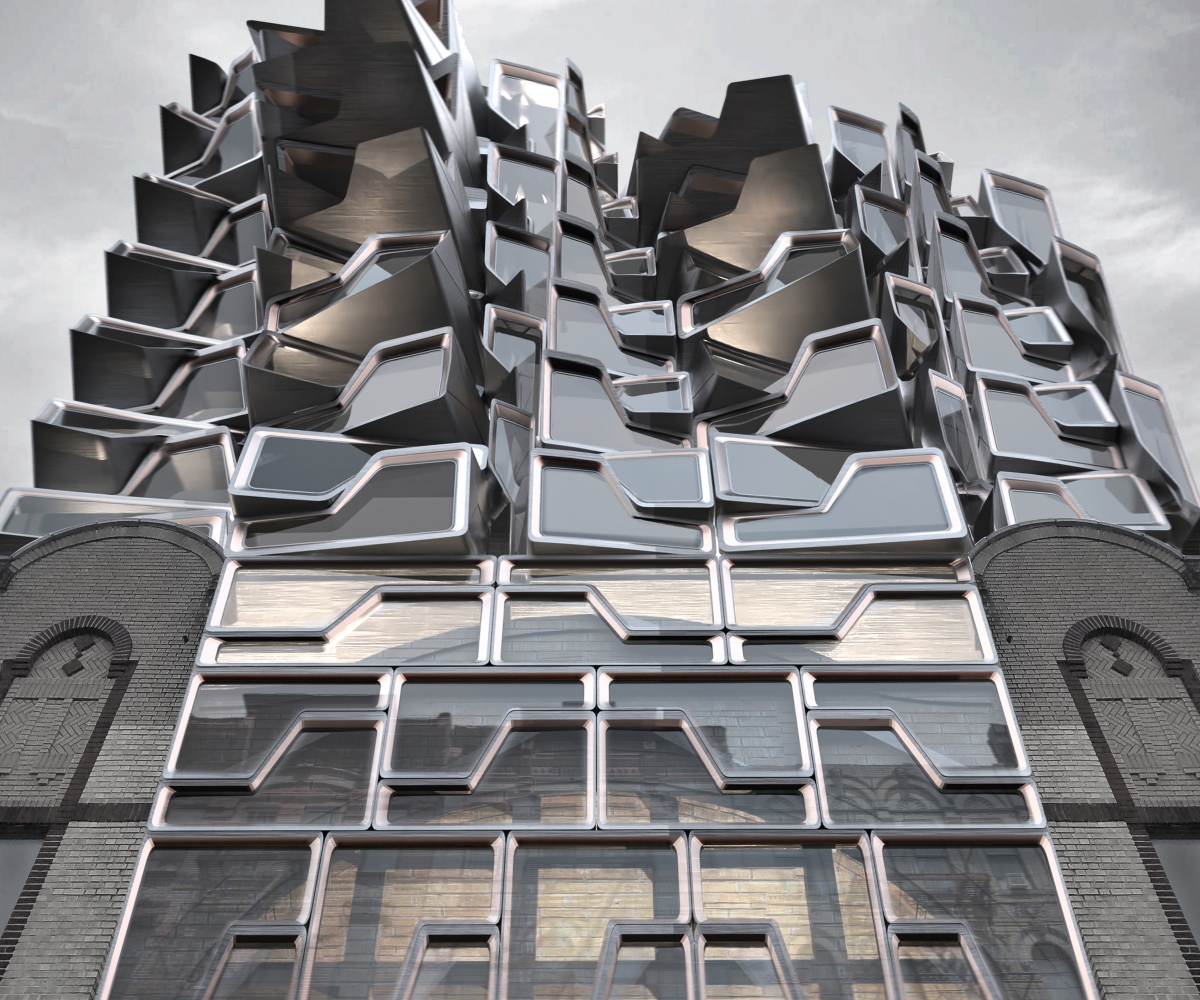
Daily life is a convergence of activities, relationships, and shared foundations. The Sunshine Theater once...
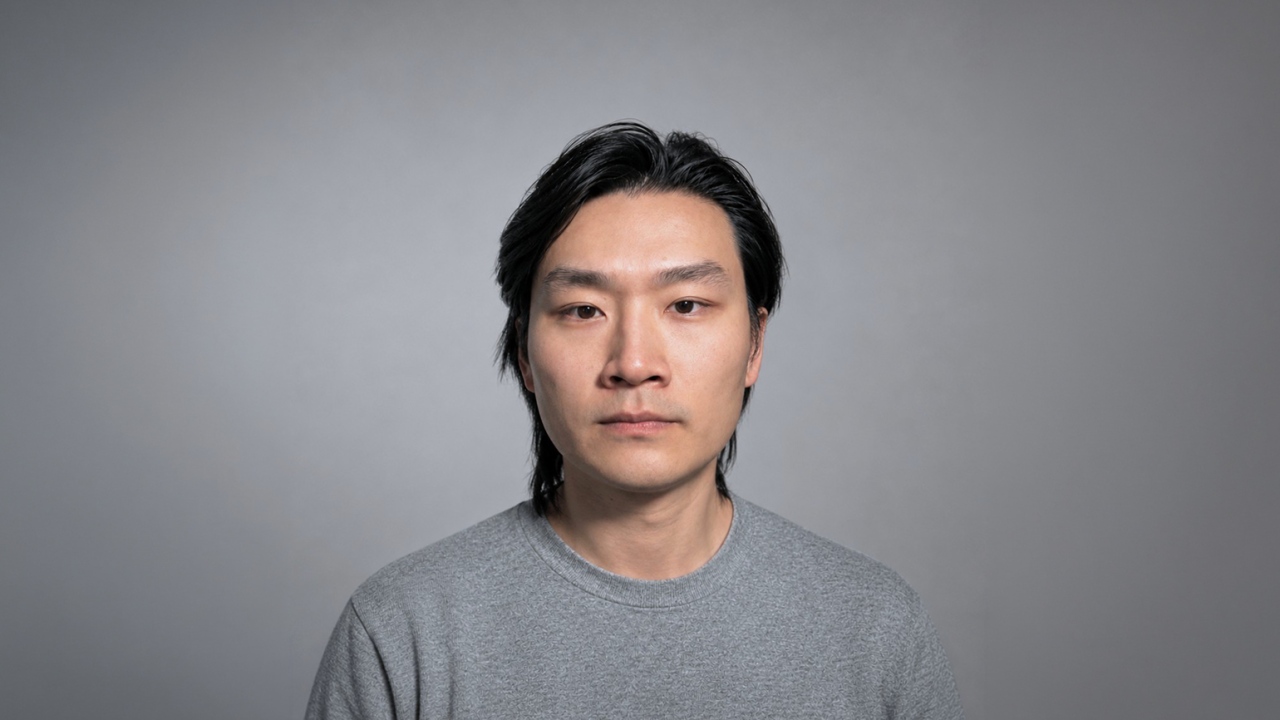
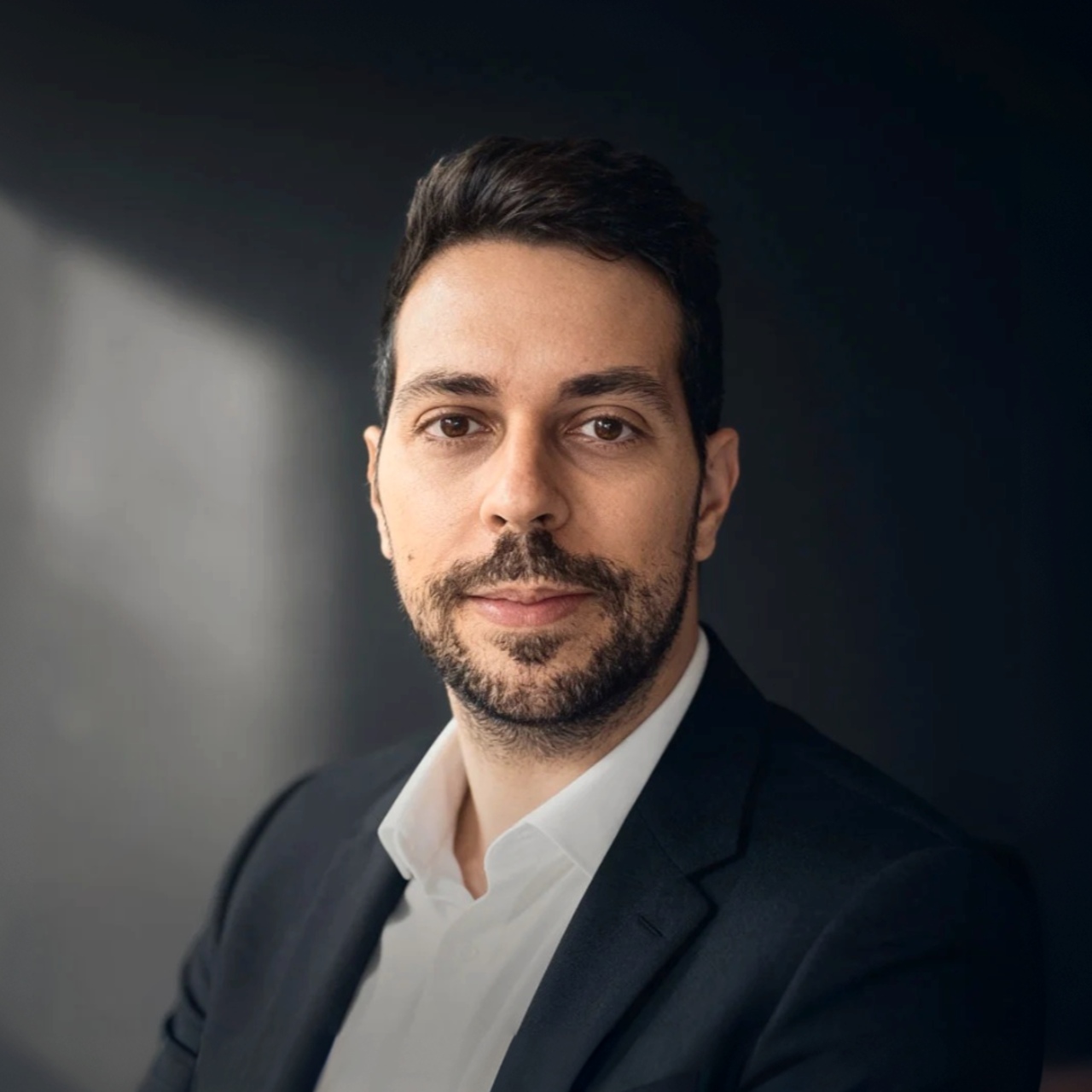
As an architectural designer and Associate at HKS, Ruijie Xu focuses on sports, entertainment, and civic projects that shape meaningful public experiences. Guided by a belief that design can influence how people interact with cities and one another, he creates spaces that encourage engagement and leave lasting impressions.
I am an architectural designer based in Los Angeles, specialising in sports, entertainment, and civic architecture. My work focuses on creating public spaces that bring people together and strengthen the relationship between architecture, culture, and community. I was drawn to architecture because it combines creativity with real-world impact. The idea that design can influence how people experience a city, interact with one another, and build lasting memories continues to inspire me every day.
Receiving this recognition is both an honour and an encouragement. It validates not only a single project but also the design philosophy behind my work. It motivates me to continue exploring architecture that balances innovation, functionality, and social value while contributing meaningful ideas to the global design community.
This recognition has strengthened my confidence as a designer and encouraged me to continue pursuing ambitious ideas. It has also created opportunities to share my work with a broader international audience and connect with professionals from different cultural and design backgrounds. More importantly, it reminds me that thoughtful design can resonate beyond its original context.
Experimentation is an essential part of my design process. Rather than beginning with a predetermined form, I often explore multiple spatial strategies before identifying the strongest concept. Through sketching, digital modelling, and iterative testing, unexpected ideas often emerge.
For one of my recent adaptive reuse projects, experimenting with layered public spaces led to a solution that transformed a conventional building into a flexible civic environment, ultimately becoming the defining feature of the project.
One of the most unexpected sources of inspiration for me is observing how people naturally occupy public spaces. Watching where people choose to sit, pause, gather, or simply pass through often reveals patterns that no site plan can capture. Those everyday behaviours have influenced many of my designs more than formal architectural references.
I wish more people understood that good design is rarely the result of a single brilliant idea. It is an iterative process of questioning, testing, refining, and sometimes starting over. The final solution often emerges through collaboration and continuous learning rather than inspiration alone.
I see design as a dialogue rather than a compromise. Every project begins by understanding the client's goals, but it is also our responsibility as designers to introduce new perspectives that improve the project. The best solutions emerge when client aspirations and architectural ideas reinforce one another instead of competing.
One of the biggest challenges was balancing a strong conceptual vision with practical considerations such as flexibility, usability, and long-term value. Throughout the design process, I continuously refined the concept through sketching, modelling, and critical evaluation. Rather than simplifying the idea, each iteration strengthened the relationship between architecture, people, and place, resulting in a more focused and resilient design.
When I reach a creative block, I usually step away from the computer. Walking through cities, visiting museums, travelling, or simply observing how people use public spaces often gives me a fresh perspective. I believe creativity comes from experiencing the real world rather than staring at a screen. Many of my best ideas have emerged after taking time to observe rather than forcing a solution.
I value curiosity, empathy, and a strong sense of place. Having studied and worked in different cultural environments has taught me that every community experiences architecture differently. These experiences encourage me to design spaces that are inclusive, adaptable, and meaningful to the people who use them. Ultimately, I hope my projects strengthen the relationship between people, place, and community.
Stay curious and never stop learning. Great design is built through observation, experimentation, and persistence rather than waiting for inspiration. At the same time, remember that architecture is ultimately about improving people's lives. If you focus on creating meaningful value, recognition will naturally follow.
I would choose Alvar Aalto. I admire the way he balanced modern architecture with warmth, humanity, and respect for nature. His work demonstrates that architecture can be both innovative and deeply connected to everyday life, which aligns closely with my own design philosophy.
Question: What do you hope people feel after experiencing one of your projects?
Answer: I hope they feel connected—to the people around them, to the place they're in, and to the community they belong to. While architecture is often discussed in terms of form or technology, I believe its greatest success lies in creating meaningful experiences that stay with people long after they leave. That emotional and social connection is what I strive to achieve in every project.
Discover Together with Paulo Duarte Gomes de Senna Fernandes on Fashion Storytelling in his interview here.