Dessert of Illusions
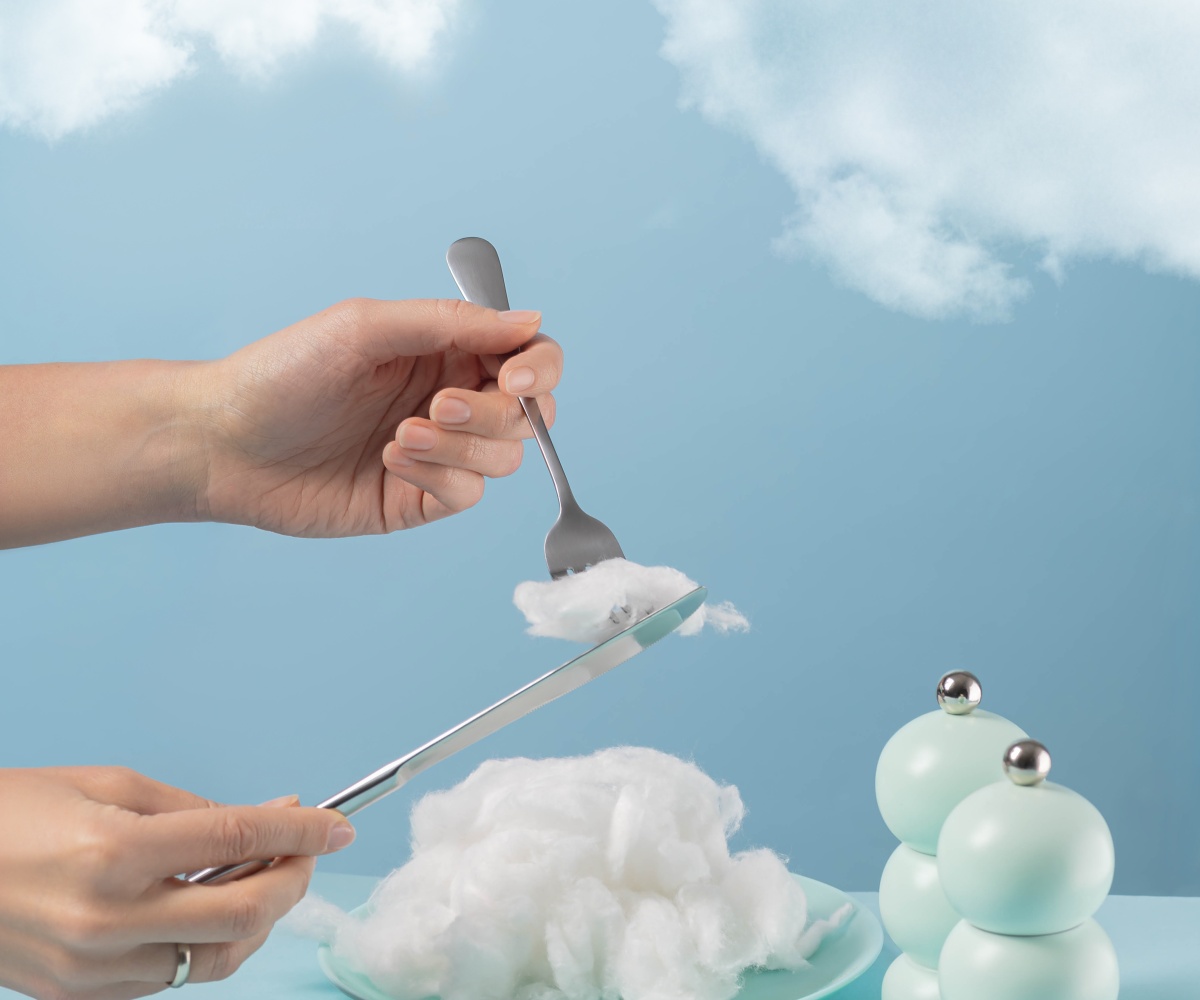
"Dessert of Illusions" is a visual exploration of the gap between appearance and substance. In...
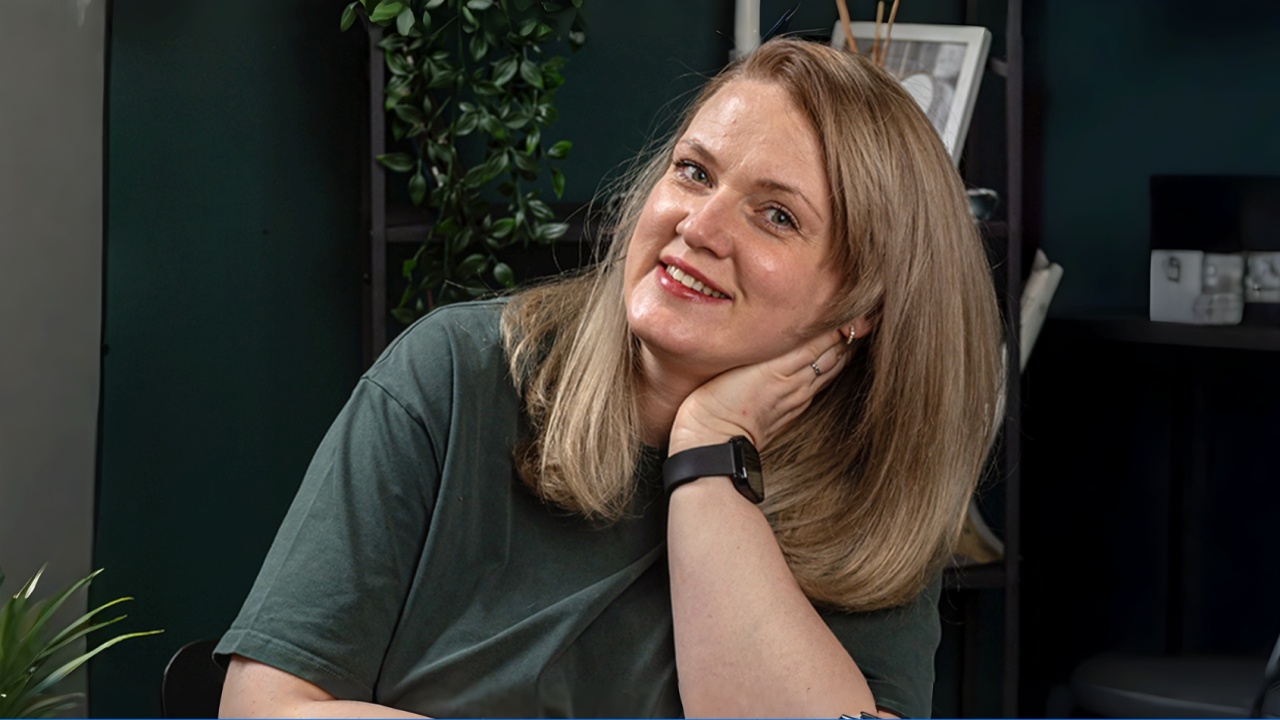
With a career spanning more than a decade, Alona Dudaieva has built a distinctive photographic style that combines commercial expertise with a strong creative vision. Through her images, she aims to evoke a sense of wonder and remind audiences of the enduring power of hope and artistry.
Thank you so much for the congratulations! It is a great honour to receive such high recognition at the London Photography Awards.
My journey into photography is a story about a dream fulfilled, albeit in a slightly different form than I initially imagined. Since childhood, I had always dreamed of painting, as vivid images and visual stories constantly came to my mind, but I didn't have the opportunity to study art. However, that creative energy needed an outlet, and at the age of 20, while travelling, I started taking photos. It all began with simple landscapes, but photography quickly captured my heart.
This passion evolved into my life's work. I have been a professional photographer for 15 years now. Years ago, it was a very risky move — I radically changed my life, leaving everything behind for an unknown creative path, and over all these years, I have never regretted it for a single moment.
Today, I am a commercial photographer, and I truly love my job, working with brands and creating visual products. However, sometimes every creator feels constrained by strict technical briefs, and you just crave pure, uncompromising art — a space with no boundaries or rules. It was this exact desire to express pure creativity that prompted me to enter the London Photography Awards. This victory is an incredible validation that my personal artistic vision resonates on a global scale.
I’d be delighted to share the story, as the winning piece was born from a completely spontaneous purchase and a strong creative intuition.
My main specialisation is food photography, which comes with a professional passion: collecting unique, aesthetic props. Last summer, while visiting my friend in Poland, I was walking through a shopping mall and suddenly saw them — a salt and pepper shaker of an incredibly beautiful, deep blue colour and a very intriguing shape. I grabbed them instantly. At that moment, I had no idea what I was going to shoot with them, but I had a powerful, certain feeling inside that the perfect idea would eventually come to me.
The concept matured in my mind for several months, and then, in the autumn, inspiration struck like a flash of lightning.
For me, the process of choosing a photo for a competition always revolves around one main criterion: the idea and the concept.
I don’t just look for a technically perfect or aesthetically pleasing image. It is crucial for me that the frame has its own voice. When I look at a shot and see that the photograph "speaks" for itself, conveying emotion, a story, or a hidden meaning without needing any additional explanation — I know instantly: this is the one. A competition piece must catch the eye and make the viewer pause, think, and feel the author's intent. It is this inner resonance that guides my final choice.
It might sound simple, but what prompted me was a completely pure childhood desire to share what I was seeing.
I was born in Ukraine, in Pripyat, and as they say, I am a "child of Chernobyl." In the 1990s, there were health and rehabilitation programs for children like me, and I was fortunate enough to be part of one. That was how I was invited to stay with an incredible, welcoming family in Switzerland. It was there that I saw an automatic camera for the very first time in my life, and they allowed me to use it.
The year was 1995. There were no social networks, no messengers, no smartphones. But as a young girl in a foreign country, I had an overwhelming, powerful urge to show my family back home where I was and what I was experiencing. So, I photographed everything: the house, the dog, the bicycle, every little detail.
It was at that exact moment, driven by the pure desire to share my emotions and my surroundings with the people I loved most, that my connection to photography was born. This driving force — to show the world and share its beauty — remains with me to this day.
Food photography, without a doubt!
Over the course of my career, I’ve experimented with many different genres, but food photography — along with still life/product photography — captured my heart completely. In my opinion, it is one of the most challenging fields. It takes far more than just pressing the shutter button; it requires flawless technical skills, a deep understanding of light, volume, and textures, and, of course, boundless imagination to bring an object to life within the frame.
What drives me the most in this genre is that every single time, I feel like I haven't done enough and that there is still so much left to learn. Food photography is constantly evolving, and this sense of perfectionism and creative hunger keeps me from ever standing still. It’s a continuous challenge to myself, which prompts me to keep learning, experimenting, and moving forward every single day.
When it comes to equipment, I have only one absolute favourite — a 105mm macro lens. It works best for my projects because it allows me to dive deep into textures, capture incredible details, and create that magical depth and volume in the frame.
However, in general, I try to avoid getting overly attached to specific camera configurations or technical setups, and I don't really have a favourite feature. I firmly believe that a camera is just a tool in the photographer's hands. The core will always be the idea, the light, and the author's vision. If you have a clear concept and understand exactly what you want to convey through your image, you can bring it to life with any gear.
Every day, we see a lot of horrors, pain, and madness. There is just too much heaviness around us.
That’s why I want people to feel lightness when they look at my work. Yes, maybe it’s just an illusion for a few seconds, but this kind of faith is exactly what keeps us afloat. It’s important to me that my photos simply give hope for a brighter future, show that light still exists in this dark world, and remind us that soon, there will be a peaceful sky over our heads as well.
Actually, the hardest part was simply waiting for the idea to fully mature in my mind. Once the concept crystallised and I clearly understood the meaning I wanted to convey through the visuals, everything else became simple.
When the design is ready at the mental level, the technical implementation is no longer difficult. The shoot itself went amazingly smoothly and quickly, because all I had to do was transfer into the frame what I could already see clearly in my imagination.
I don't have a specific place or theme. I never know in advance what exactly will inspire me or when it will happen. It is always completely spontaneous.
Inspiration can come from anything: beautiful salt shakers in a shop while travelling, a simple walk, a scene from a movie, or a random phrase I happen to hear. My creativity relies entirely on these sudden impulses. For me, the most important thing is to stay open to the world and be ready to catch that spark whenever it appears.
Perhaps, my biggest influence has been travelling the world and meeting new people.
Every new country, every culture, and every encounter with new personalities always shifts my inner perspective. Travelling teaches you to see the world from different angles, to notice distinct colours, light, and details that might seem ordinary back home. Connecting with people from different parts of the world enriches you from within, and it is this accumulated experience, along with the emotions and impressions, that ultimately shape my own visual vision in photography.
My main message is: do not be afraid to show your talent and put yourself out there. We often doubt ourselves, but perhaps it is your work that will become the spark to inspire someone else to keep going.
And my advice for success in competitions is very simple: speak up, and speak loudly about your personal vision of the world. Don't try to adapt to trends, formats, or anyone else's expectations. Competitions are won not just by a technically correct image, but by honesty, courage, and a unique authorial perspective. Be yourself, show what resonates with you, and the world will definitely hear it.
First of all, start saving money for gear, because you will never have enough of it!
But on a serious note, just believe in yourself. If at some point you lack that self-belief, make sure to find people who will believe in you and support you. Photography is a mix of craft and pure creativity. To become a master, you need to constantly hone your practical skills, and that requires time, patience, and consistent practice. Don't expect instant results, give yourself room to make mistakes, invest time in your growth — and it will definitely pay off.
Editing and post-processing definitely make up a huge percentage of a shot's success. Modern photography demands high-quality retouching, and for me, this process is the logical completion of creating an image.
I don’t see editing as a way to alter the photograph, but rather as a tool to clean it up. Good retouching allows me to delicately remove everything unnecessary — any minor technical flaws or distracting elements that might pull the viewer's attention away from the core subject. It helps to place the right accents, emphasise texture and volume, and ensure that the initial idea and concept resonate at their absolute best.
I believe that artificial intelligence is a great assistant for a photographer. There is no need to fear it; we should use it to our advantage.
For me, the main value of AI lies in its ability to take over all the tedious, monotonous, and distracting technical tasks that usually consume a lot of time during routine editing. When automated processes handle this technical routine, it frees up a creator's most valuable asset — time for what matters most: generating ideas, exploring new concepts, and focusing on pure creativity.
If I had that chance, I would gladly step away from food photography for a moment and switch to photojournalism.
Click here to read An Interview About The Power of Light Through Benjamin Cheng’s Lens, an award-winning photographer and winner of the 2026 London Photography Awards.