The Grid
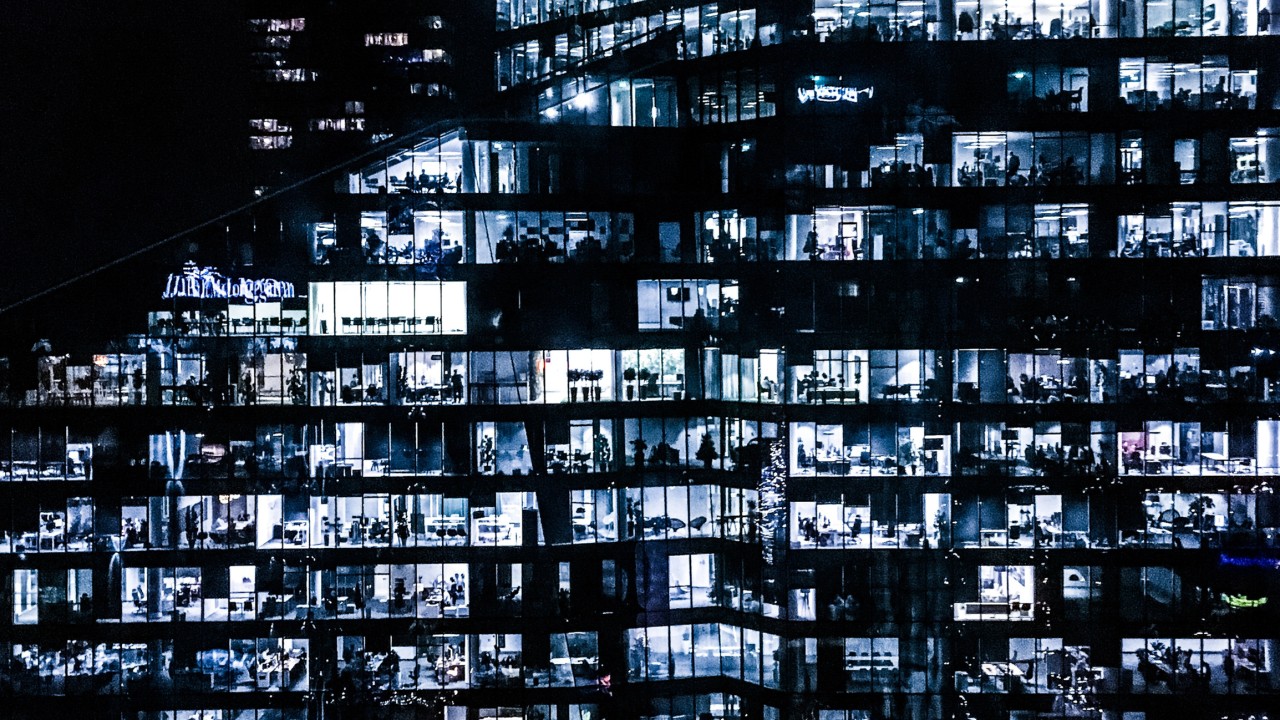
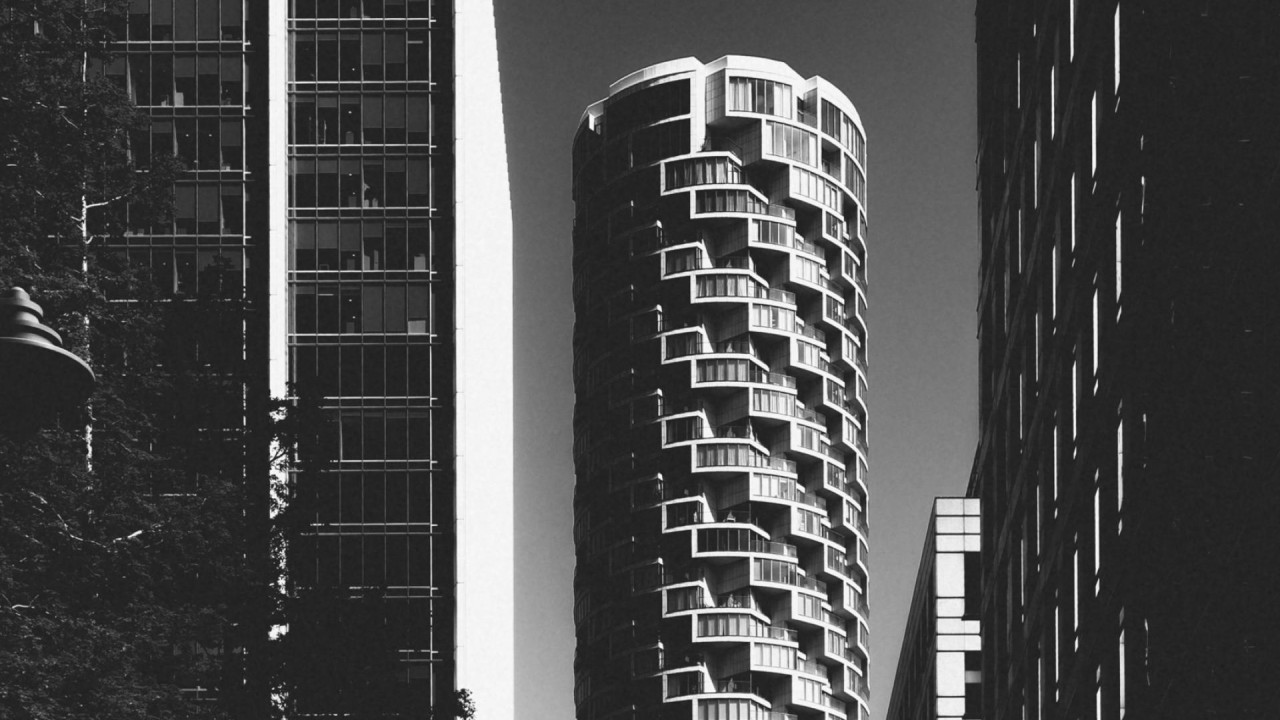
"The Grid" suggests a deeper question about the balance of our lives. It challenges us...
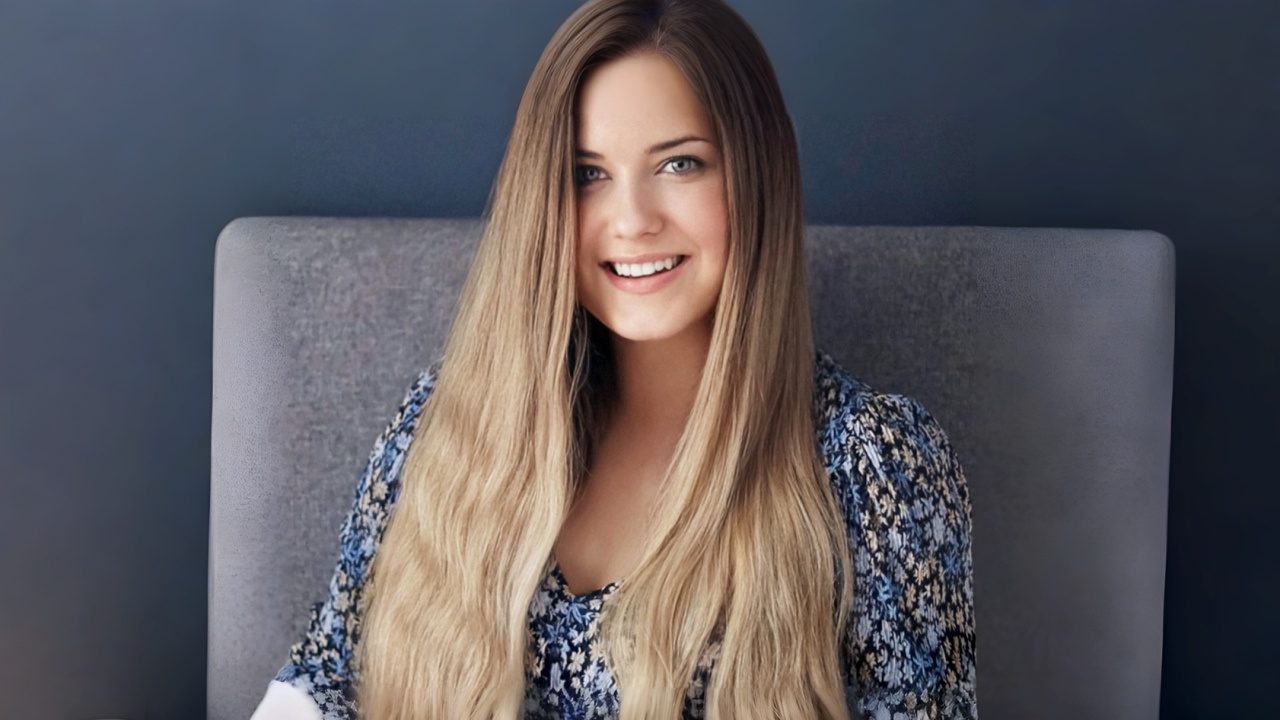
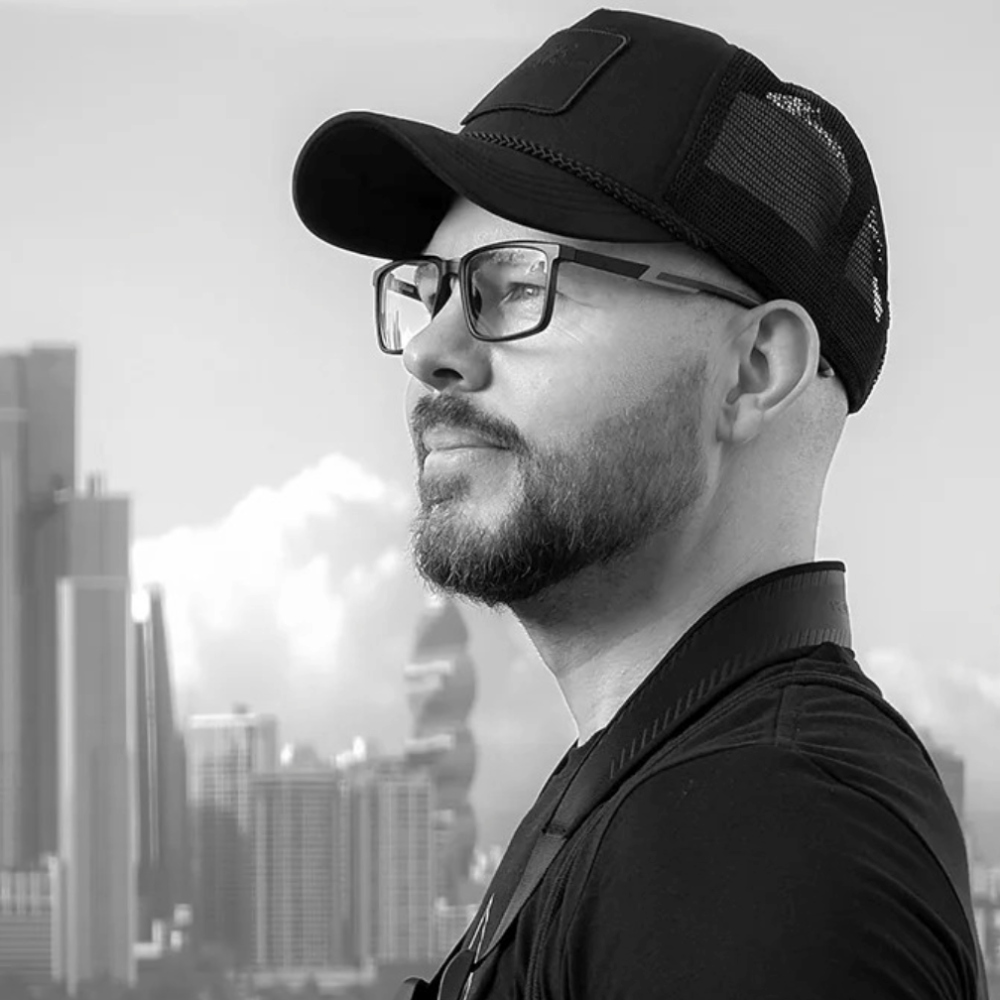
Anna Galkovskaya is a photographer whose work is shaped by a background in architecture, where an early fascination with light, form, and perspective first influenced her visual language. Combining years of experience in commercial photography with a deeply intuitive artistic approach, she creates atmospheric images that invite viewers into moments of stillness and reflection.
Thank you, I am very honoured and grateful for the recognition and for the opportunity to share my work. My name is Anna, and I’m a photographer. I was first drawn to photography through architecture, which I studied as my first degree, and I became interested in how shape and form change with light and perspective.
Alongside my personal work, I have worked in commercial photography and licensing since 2008, which gave me a strong foundation in visual consistency and storytelling. This was further reinforced by my recent master’s in brand marketing, which helped me think more deeply about shaping stories through visual imagery.
Over time, my work has become more intuitive, moving from commercial work towards creating images focused on mood and atmosphere.
I have been so lucky to have 10 of my works recognised across various categories. I rarely begin with a fixed idea; instead, I tend to respond to what is already there and refine it through timing and composition.
I once heard an established photographer say that a great photograph is made up of a lot of luck, and I completely agree with that. It is really about being in the right place at the right moment.
Winning an award feels very uplifting. It encourages me to keep working in the same way, staying attentive to moments as they appear and allowing the work to evolve naturally over time.
I choose images that feel complete in themselves. Not necessarily the most dramatic, but the ones that feel resolved. There is usually a sense of balance or restraint that makes me feel nothing more is needed, which is always a good sign.
Architecture was the starting point. I became fascinated by how the same building could feel entirely different depending on the light or time of day. The camera became a way of holding onto those shifting versions of reality.
I am most drawn to architectural and observational photography, especially when it edges into abstraction. I like the balance between structure and atmosphere, where everything feels intentional but still open enough to interpret in your own way.
My setup is kept quite simple. I use Canon DSLRs with prime lenses, as well as a Canon PowerShot V1, which has been a nice recent discovery. I also use my iPhone for those moments you simply catch on the go. I prefer equipment that allows me to stay responsive rather than constantly adjusting settings. I am not very patient with that process, so simplicity works best for me.
I would want someone to feel a quiet pause. A sense that they have stepped into a moment slightly outside of time, even if only for a second.
Knowing when to stop. It is often more about restraint than effort, trusting that the image already contains what it needs and resisting the urge to overwork it.
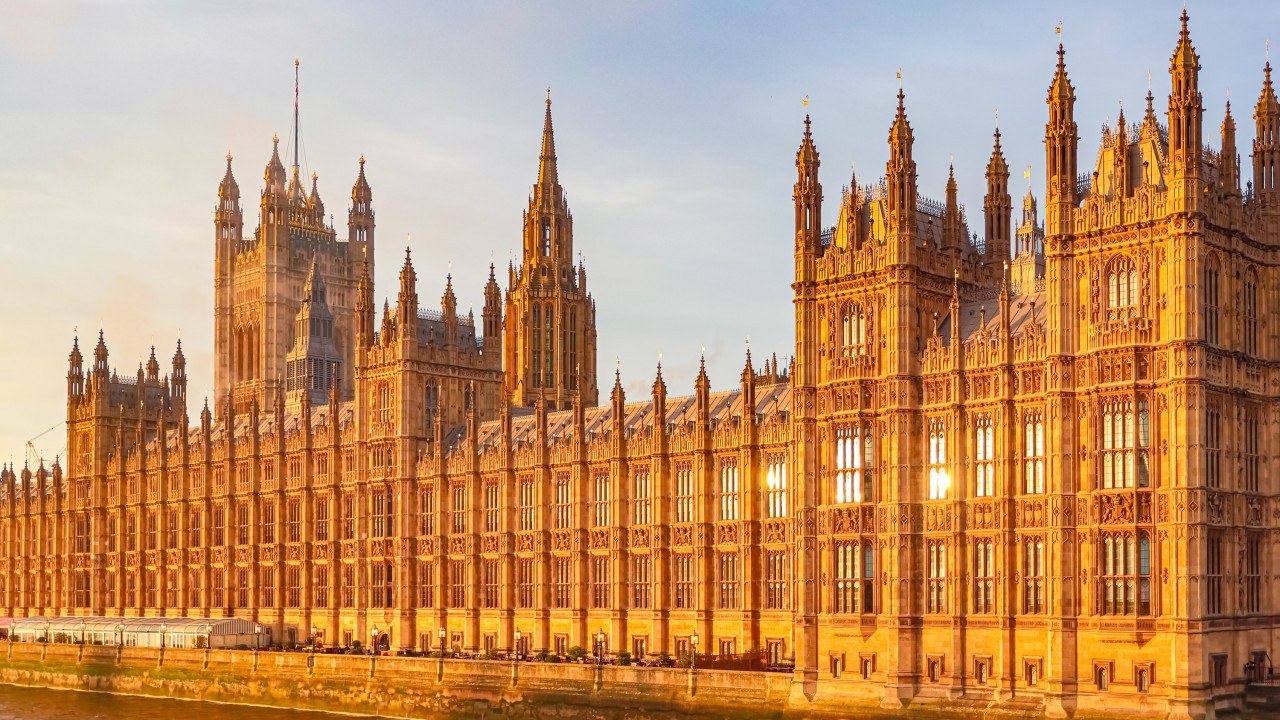
London is a very inspiring city. You can simply merge with its flow and it almost creates the photographs for you. I’m also drawn to coastlines and early mornings, places that feel slightly in-between states, where things are shifting, and nothing is fully settled yet.
My biggest influence in photography is a mix of personal vision, everyday life, and the work of masters. I have always found inspiration beyond photography itself, in cooking, family moments, travel, and in new designs and textures, all of which feed into how I see and compose images.
At the same time, photographers like Ansel Adams have inspired me a lot, especially in his balance of simplicity, precision, and that sense of serendipity in being in the right moment and shaping it into a strong composition. I think the most important influence is staying inspired, wherever that comes from.
I would say treat awards as a reflection of consistent work. The strongest images come from a collection of work built over time, not from trying to predict what might be successful in the moment. There is something powerful about staying committed to your own way of seeing.
Start by really looking at what draws you in, what genuinely interests you, and what you wouldn't tire of exploring over time. From there, understanding light and composition will always matter more than equipment. Photography is less about having the right camera and more about noticing what is already there.
Ideally, editing is about refinement rather than reinvention, bringing out what is already present in the image, which often comes from being fully present in the moment as a photographer.
But there are also times when I can get carried away and completely reinvent an image, and I think that is perfectly valid, too. There should be room for that kind of artistic freedom.
I think technology, including AI, will expand what is visually possible, but it will also raise the importance of intention. It will become less about producing images and more about choosing what is worth saying.
I do really welcome new technology, and I think it opens up many opportunities for artists to express themselves in new ways. At the same time, there is something very special about traditional craftsmanship, where you are not interacting with software but with the real world. I think that connection is much more enriching, satisfying, and, in many ways, more fun as well.
I’ve been lucky to photograph places I’ve always wished for, but there is still so much on the list. I think lavender fields and wineries would be a wonderful plan for summer, and I am hoping to make it happen soon.
Discover the story behind Wolfgang Autexier's award-winning work in Shaped by Light, Guided by Intuition | Wolfgang Autexier Captures Balance in Light. Read the full interview here.