MediNest
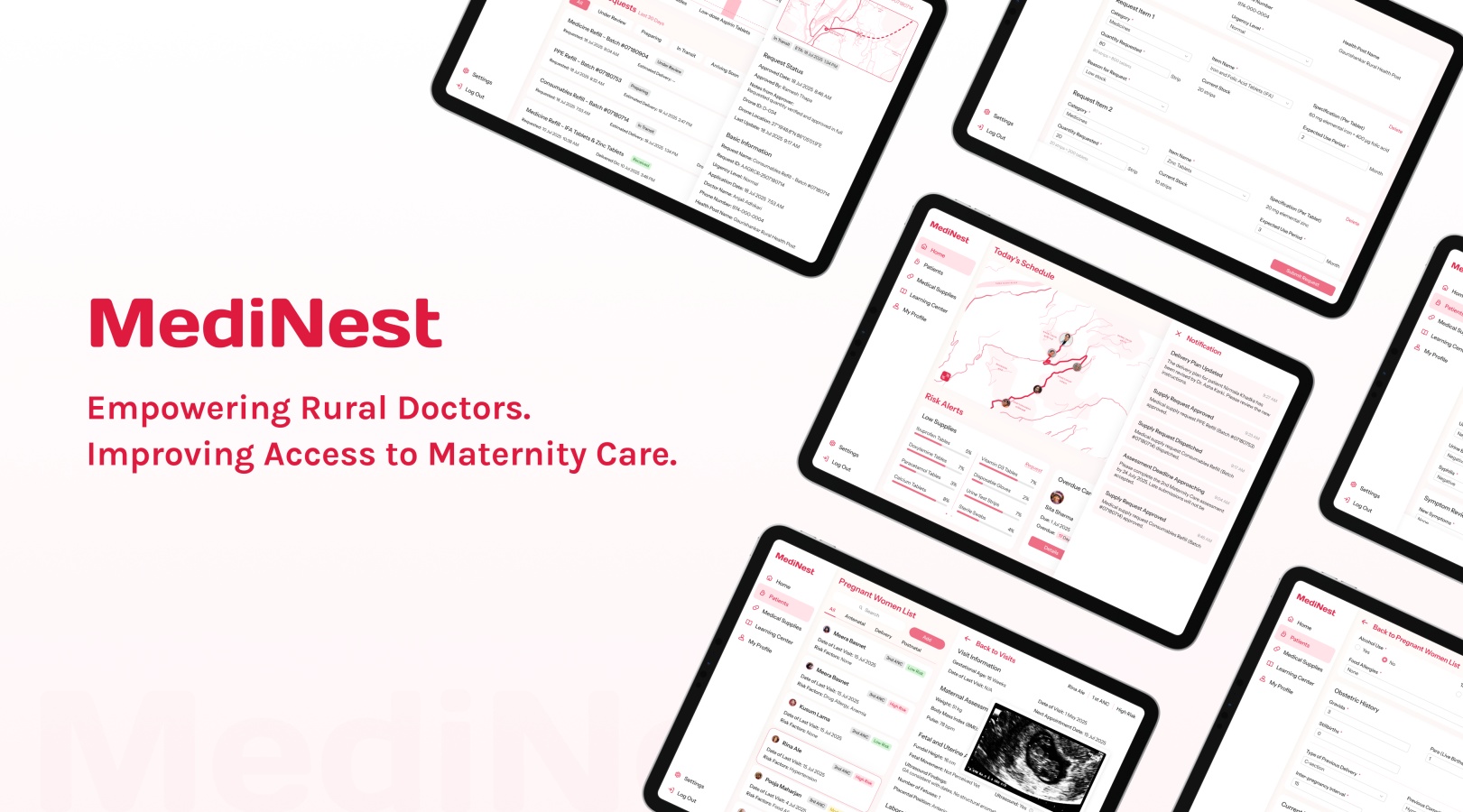
MediNest is a digital platform that empowers rural healthcare providers in Nepal to deliver standardized...
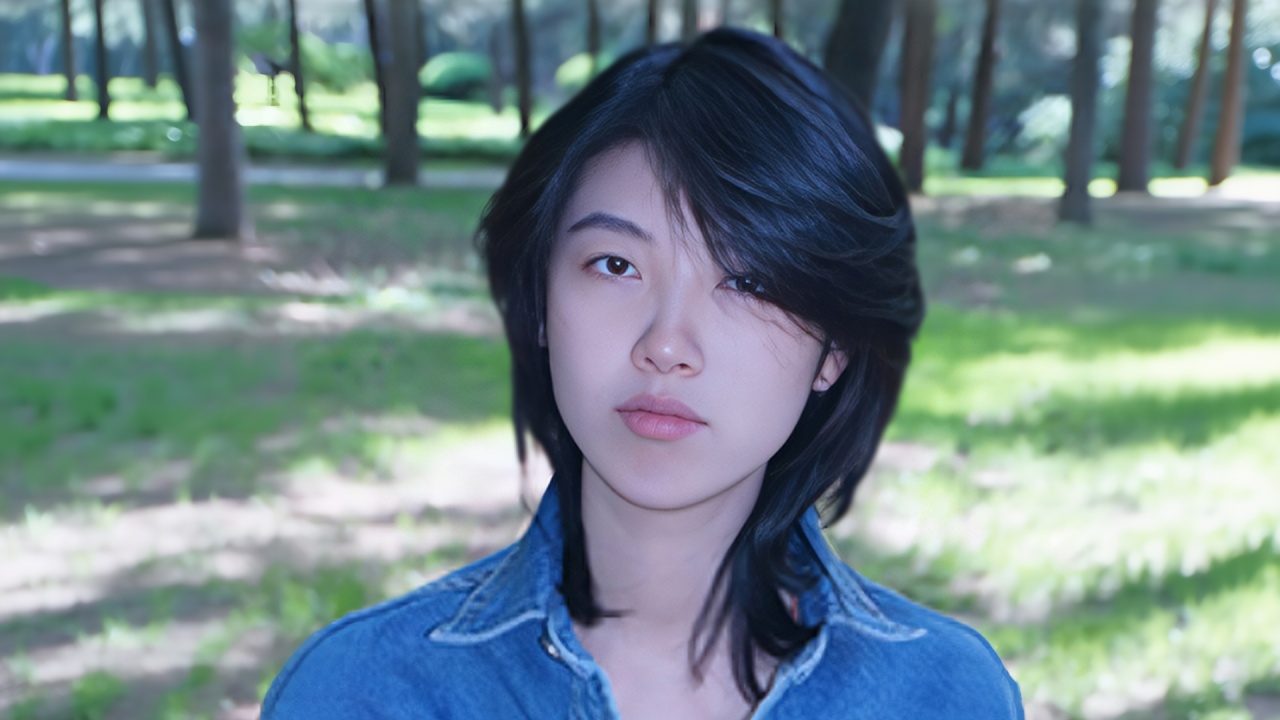
Yuze Li is a product and UX/UI designer whose passion for design began early through creating simple solutions to everyday challenges. Over time, design became a way for Yuze to address complexity with clarity, focusing on thoughtful, human-centred outcomes. Drawing inspiration from nature’s patterns and efficiency, Yuze approaches design with intuition, purpose, and restraint.
I’m Yuze Li, a product and UX/UI designer. My interest in design began in childhood, when I loved creating small solutions to everyday problems. Over time, I realised design is a powerful way to transform complex challenges into thoughtful, human-centred solutions that can genuinely enhance people’s lives and support meaningful change.
Being recognised in the London Design Awards is both an honour and a meaningful affirmation of my work. It reinforces my commitment to designing for collective wellbeing and long-term social impact, especially for communities whose needs are often overlooked. This recognition encourages me to continue using design as a tool for positive change.
Winning the London Design Awards is a meaningful milestone, as it marks my first professional design recognition. It has opened new collaboration opportunities, strengthened my confidence, and reinforced my commitment to using design to address social challenges and create lasting impact.
Experimentation helps me uncover blind spots early, especially when working in fields I’m less familiar with. In MediNest, the medical platform I designed, I tested low-fidelity prototypes directly with doctors to understand their real workflows.
My initial designs didn’t fully align with their habits, simply because I lacked clinical experience. Through rapid testing and iteration, we identified the gaps and refined the interface together, ensuring the final flow genuinely supported their day-to-day work.
Nature is one of my most powerful sources of inspiration. Its forms, patterns, and rhythms have existed for thousands of years, each shaped by purpose and necessity. Observing how nature solves problems with simplicity and purpose often helps me rethink design in a more intuitive way.
I wish more people understood that design is not decoration or simply creating a beautiful interface. It’s the foundation of a better experience. Good design makes information clearer, shortens workflows, and reduces cognitive load. It’s also a series of decisions, constantly balancing user needs with real-world constraints. What appears simple on the surface is often the result of deep thinking and countless thoughtful choices.
I see designers and clients not as opposing sides but as partners working toward the same goal: creating solutions that bring value to users. We may approach problems differently because of our backgrounds and roles, but our intentions are aligned.
The key is communication, helping clients understand how certain design choices better serve users and ultimately benefit their business. When that alignment is clear, the process becomes collaborative rather than a negotiation.
When I hit a creative block, I recharge by studying great work. As a UX/UI designer, I pay attention to the apps I use daily, observing how leading companies iterate their designs and why certain changes are made. Beyond digital products, visiting art exhibitions also helps spark new ideas. Fine art is considered one of the most creative forms of expression and can be a powerful source of inspiration for design.
I infuse empathy and a strong sense of ethical responsibility into my work. I believe design shouldn’t only serve mainstream users but also address the challenges faced by vulnerable groups.
Empathy helps me understand diverse needs and ensure that those often overlooked can benefit equally from technological progress. Ethical responsibility guides me in avoiding dark patterns and creating experiences that are positive, transparent, and genuinely supportive for users.
My advice is to stay curious and stay patient. Curiosity drives you to keep learning, explore new areas, and develop a broader, interdisciplinary perspective. Design requires systems thinking, and a wide lens helps you understand problems from multiple angles and find creative solutions.
At the same time, patience is essential. It allows you to dive deeply into a domain and pay attention to details, because great design is ultimately the result of countless small details refined with care.
I wish people would ask, “What keeps you committed to social-impact design?”
For me, social impact isn’t always about solving huge global issues. Even small designs that ease someone’s anxiety or improve daily life are meaningful. When I see my work bring convenience or comfort for users, I’m reminded why I want to be a designer. It makes me feel that my skills can contribute to people’s well-being and bring real value to society.
If you're looking to read more design insights, click here to read how Harvard GSD, Xinyun Li Shares About Exploring the City Through Design.