Precision Under Pressure
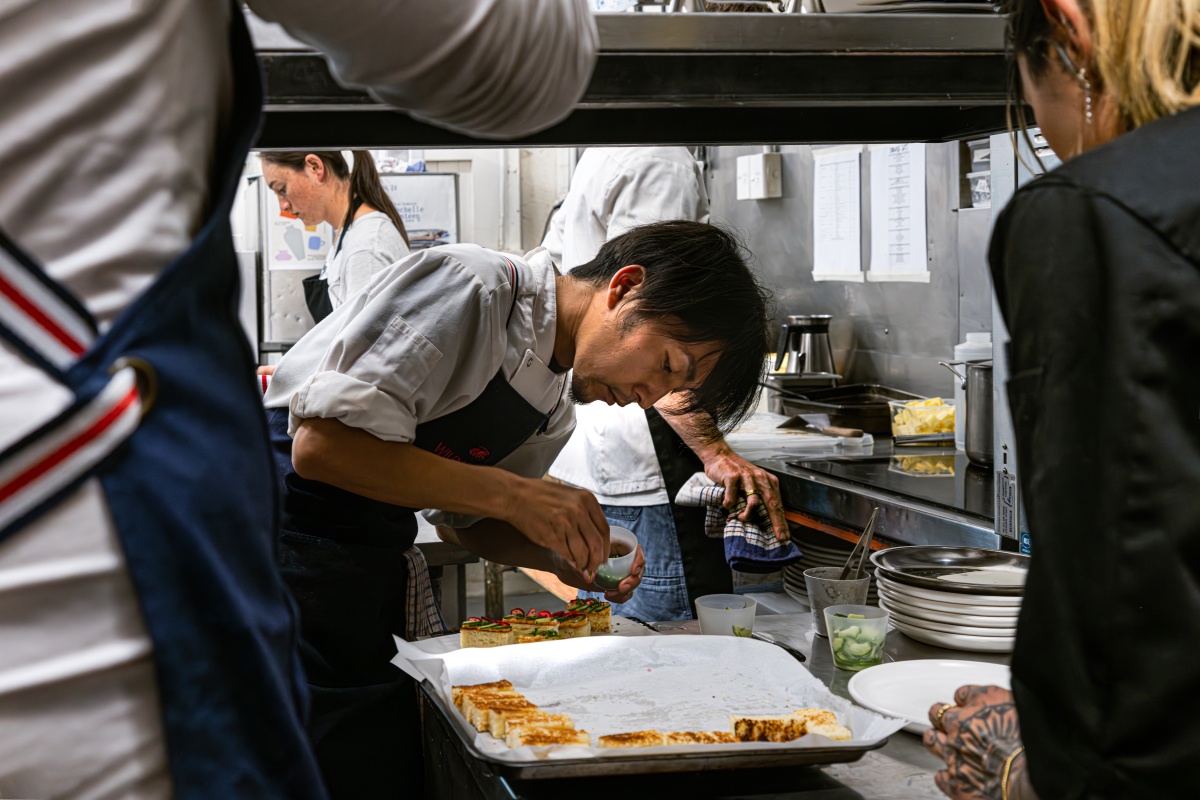
Watching chefs at work in tight spaces is like witnessing organized chaos. Every movement has...
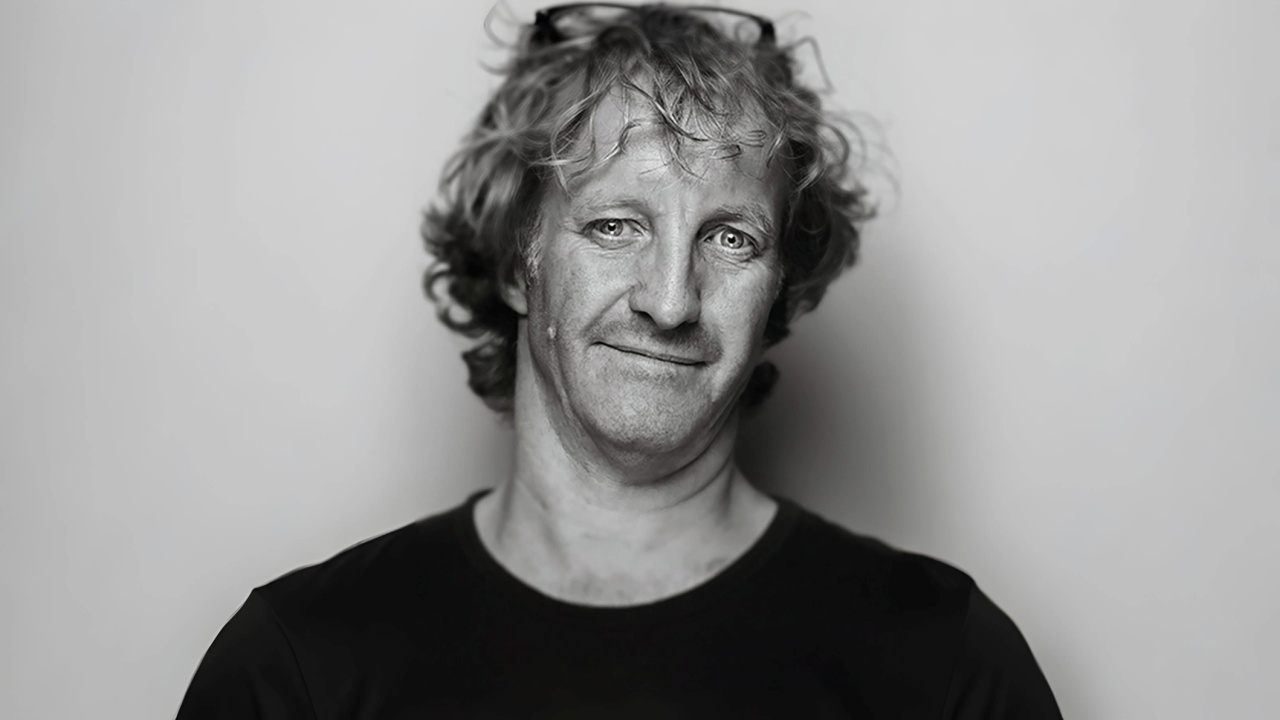
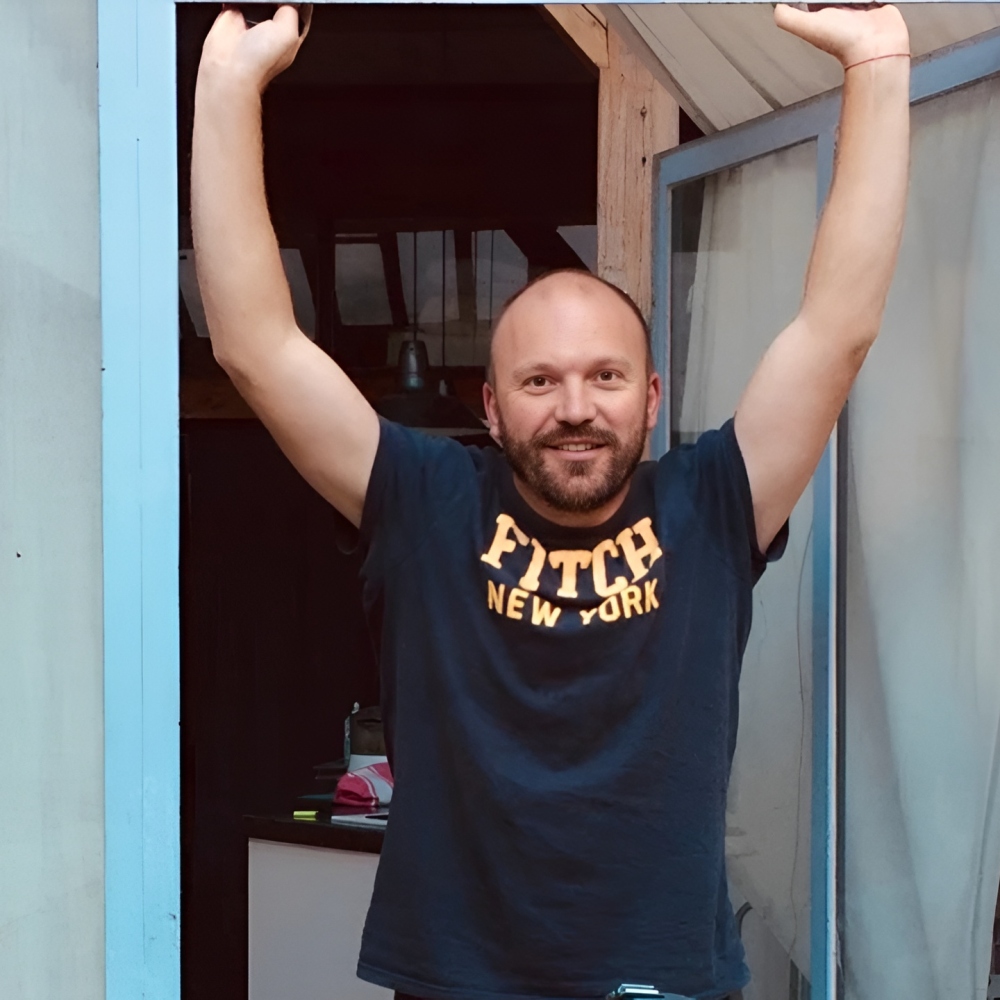
Jarrard Johnstone is a storyteller at heart, translating his early training in film into photographic work that values clarity, intimacy, and process. From working at sea to photographing fine dining, his images reflect a deep respect for people, craft, and shared moments.
I originally trained in film advertising, where storytelling through motion, sound, and pacing was at the centre of my creative education. Over time, however, I found myself increasingly drawn to the still image. I became fascinated by how much more challenging it is to tell a complete, emotionally resonant story within a single frame, without the luxury of time, dialogue, or movement. That challenge is what ultimately pulled me deeper into photography.
My work has evolved alongside my love of food and the powerful role it plays in bringing people together. Food is never just food; it carries culture, memory, labor, and joy. Photographing the full journey of a plate has become a passion: from the raw, often harsh environments where ingredients are sourced, to the quiet precision of the kitchen, and finally to the moment a dish is shared at the table.
That pursuit has taken me everywhere from spending days on crab boats with a camera, documenting life at sea, to photographing in some of the world’s finest restaurants. Across all of these settings, my focus remains the same — to honor the people, process, and emotion behind what we consume, and to create images that feel honest, intimate, and grounded in story.
The inspiration behind this piece came from the challenge of photographing a busy, confined kitchen, spaces that are often chaotic, fast-moving, and unforgiving for a photographer. I wanted to capture the intensity of the moment while still revealing the precision, discipline, and quiet focus required to create a dish at a high level.
I had photographed in this kitchen several times before, which gave me a familiarity with the rhythm of the space. But on this occasion, everything aligned — the movement, the light, the concentration of the chefs — and capturing that moment was a genuine joy. It felt instinctive rather than staged, allowing the image to reflect both the pressure and the beauty of the process.
Winning this award is deeply affirming. It reinforces my belief that the moments worth capturing are often the most demanding and fleeting ones. It gives me confidence to continue trusting my instincts, returning to challenging environments, and telling stories that celebrate craft, intensity, and human effort through a single frame.
You recognize it instantly. It doesn’t need to tick every box for composition or lighting; sometimes, it’s the imperfections that make it unforgettable. When an image stops you in your tracks, that’s when you know it has the power to win.
I’ve always been fascinated by photographs, the way a single moment can be frozen in time and revisited again and again. As a kid, I loved flipping through National Geographic and dreaming of capturing images like their photographers. So when I got my first camera, a Kodak Star at age 10, I never put it down.
Storytelling. Following the entire food chain and the people behind it has always inspired me. From standing on a fishing vessel 70 miles off the southeast coast of New Zealand, photographing fishermen hauling king crabs from the deep ocean, to capturing world-renowned chefs delicately adding the finishing touch to a dish, every step tells a story. That journey, from ocean to plate, is what drives my passion for photography.
Fujifilm GFX100II GF80mm f/1.7 R WR Lens or GF110mm f/5.6 Tiltshift lens. Both combinations give you amazing images to work with in post.
JOY, and a desire to see more.
The most challenging part was dancing around everyone in such a confined space, waiting for that one perfect moment to appear in my frame. In the kitchen, it’s organized chaos with its own rhythm, and I had to find that rhythm fast. Once I synced with it, I could focus on my job: capturing the shot without disrupting the flow.
That’s a hard one because there’s so much inspiration out there. For me, it comes from anyone who is a master of their craft, whether it’s a chef creating art on a plate, a farmer nurturing the land, or a fisherman braving the ocean. Their dedication and passion remind me why I do what I do. Every frame I capture is a tribute to that commitment, and it pushes me to bring the same level of excellence to my own work.
My wife, Rebekah, and our two kids, Lucy and Jackson, have been a huge influence. Her drive and determination to succeed have inspired me to push harder and stay focused on my goals.
Over time, the photographers who inspire me have changed as my career has evolved. Early on, I admired those who mastered technical precision, but as I grew, I found myself drawn to storyteller-artists who capture emotion and meaning in a single frame.
That shift reminds me that influence is a journey, just like photography itself. Oh yeah, and my mum. She taught me the invaluable lesson of making every shot count, and that principle has guided me from the very beginning.
Be unapologetically yourself in your photography, create a look that reflects your vision, not trends. Awards aren’t just about winning; they’re about sharing your voice with the world.
Before you enter, study the competition guidelines carefully and choose the category that truly fits your work. Pay attention to presentation, select images that tell a cohesive story and showcase your strongest skills. Most importantly, stay authentic; originality always stands out.
Learn fast, make mistakes, create your own style and make every shot count.
Editing and post-processing are huge for me. Before I even step on set, I’m already thinking about how I’ll grade the images, the color tone, the mood, the overall feel I want to achieve. Very rarely do you capture a photo that doesn’t need some enhancement. For me, post-production isn’t about fixing mistakes; it’s about elevating the image to match the vision I had before I pressed the shutter.
I believe in adapting AI to my workflow. For me, AI is a tool to enhance images and speed up processes, not to replace creativity. There are parts of photography where AI will take over, and parts where it never can. The key is to make AI work for you: use it to support your vision, not define it.
I would love to photograph on a Wagyu farm in Japan and then follow its journey through the entire food chain, right up to the final dish in a sushi restaurant. Capturing the story from pasture to plate fascinates me, the care in raising the cattle, the craftsmanship in butchery, and the artistry of the chef preparing the dish. I’m drawn to traditions that have been passed down for generations, where every step reflects respect for the ingredient and the culture behind it.
Explore more photographic insights through this link here about Ryuta Suzuki’s Journey in Photography Through Seeing the Delicate Strength of Life.