Elysium
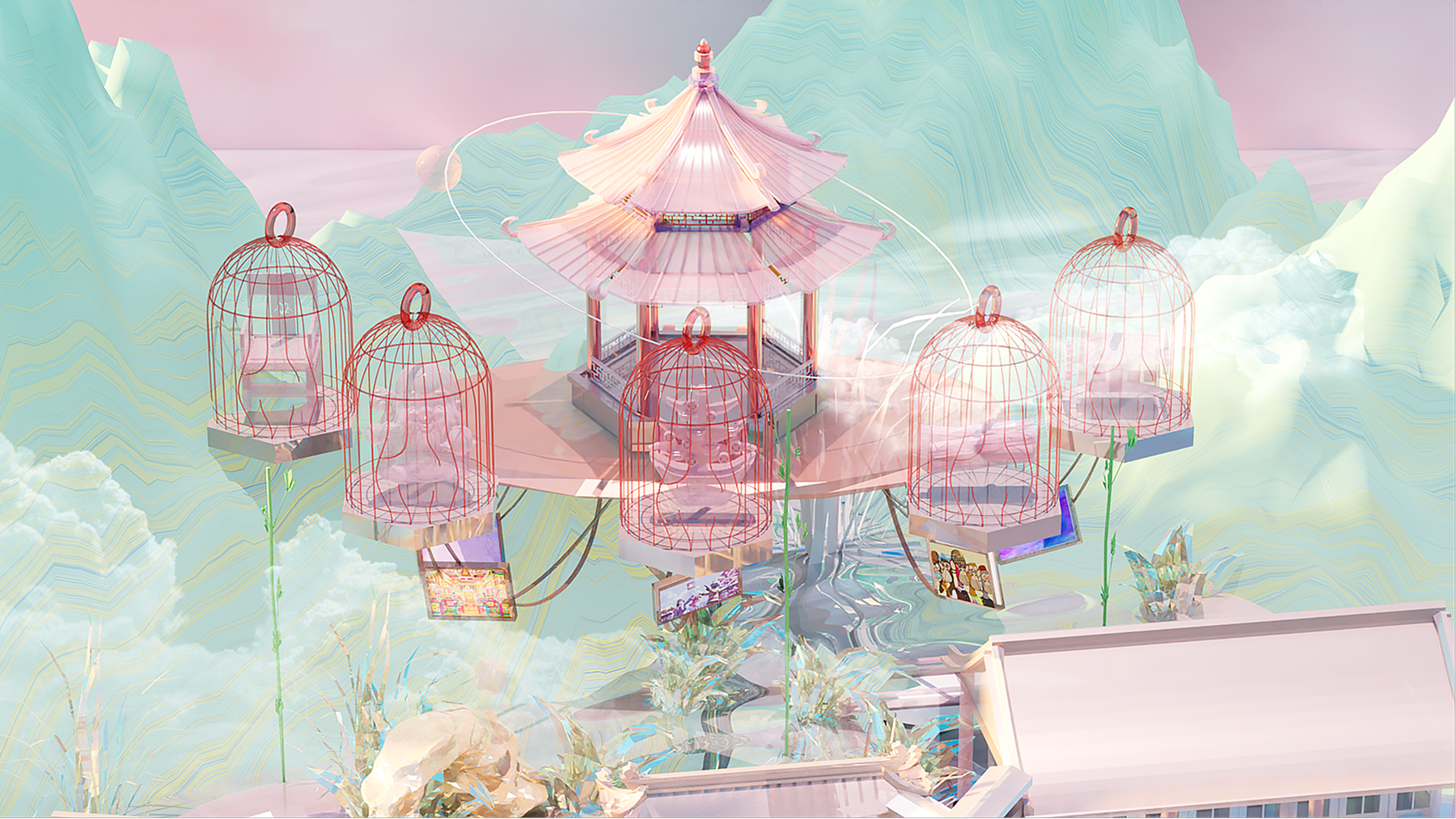
Paper art, or zhizha, is one of China's most enduring folk traditions, intricate offerings handcrafted...

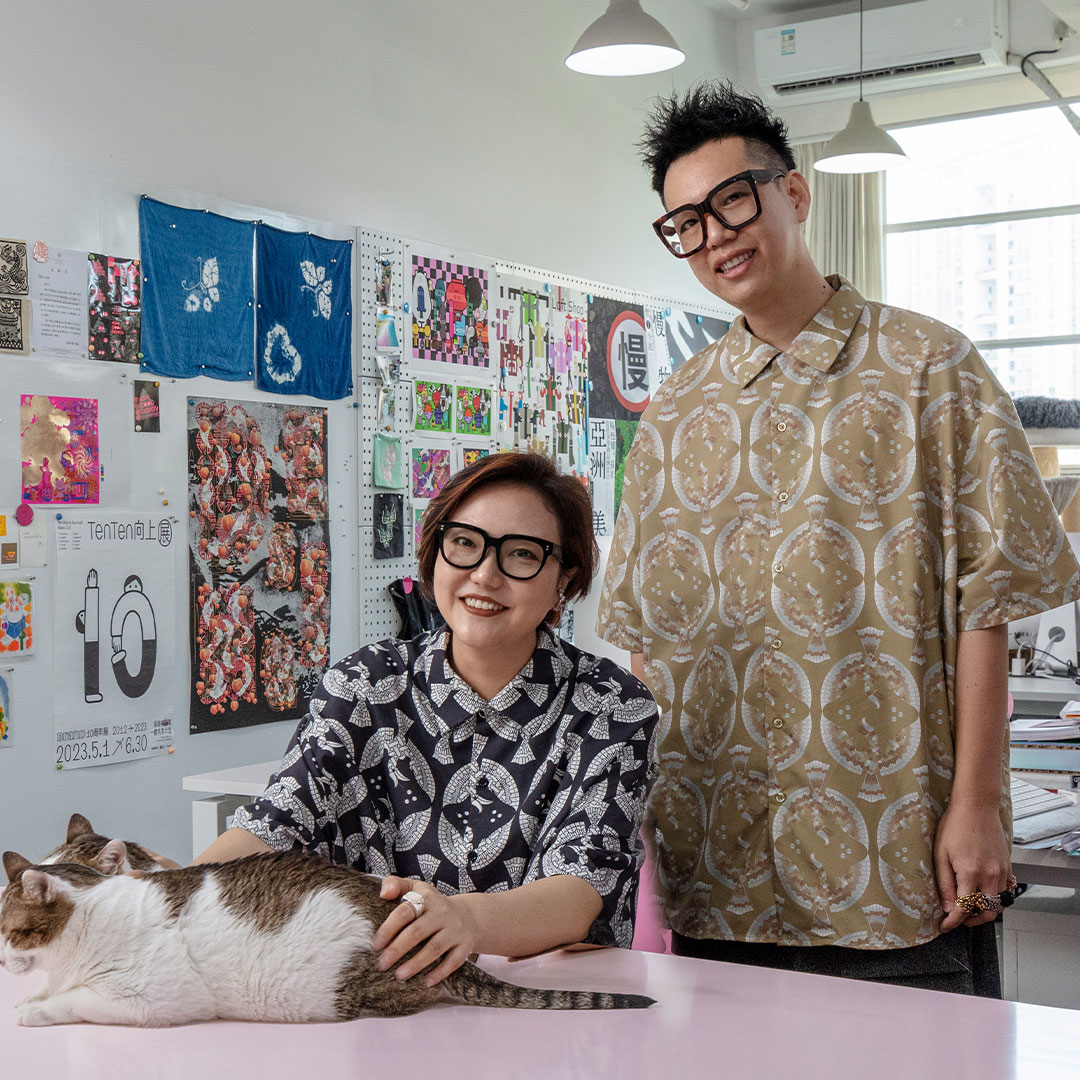
The Elysium Team unites Senior UX Designer Yijun with Product Designers Mingru and Yiyan, combining expertise in UX, human-computer interaction, and product design. Together, they created Elysium, an immersive digital experience that reimagines the traditional art of zhizha for a new generation.
Yijun: I am Yijun, a Senior UX Designer and Georgia Tech MSHCI alumna specializing in "phygital" experiences that bridge physical hardware and digital software systems. My journey has been defined by translating complex technical requirements into intuitive, high-impact interfaces across the smart-home and health-tech sectors.
Mingru: My name is Mingru. I'm a Product Designer with a background in Human-Computer Interaction. I specialize in bridging the gap between physical hardware and digital software, using strategic thinking to solve complex problems and strong visual storytelling to create intuitive, AI-driven experiences. I'm passionate about uncovering the "why" behind user needs to design solutions that are as impactful as they are accessible.
Yiyan: My name is Yiyan. I'm a Product Designer passionate about combining logic and aesthetics to create seamless cross-platform experiences. With a background in Information Science, I approach design through both systems thinking and storytelling, balancing scalable structures with thoughtful visual design. I strive to create intuitive, human-centered experiences that make complex interactions feel simple, meaningful, and elegant.
We submitted this work to demonstrate that the metaverse can serve as a legitimate sanctuary for endangered heritage, rather than simply a space for commerce. For us, winning would be a meaningful validation that digital stewardship is a vital and necessary frontier for modern designers.
Elysium was inspired by our desire to preserve zhizha, a centuries-old craft that is gradually disappearing due to its association with death. In today's design landscape, the project demonstrates how empathetic technology can transform cultural taboos into immersive, educational experiences.
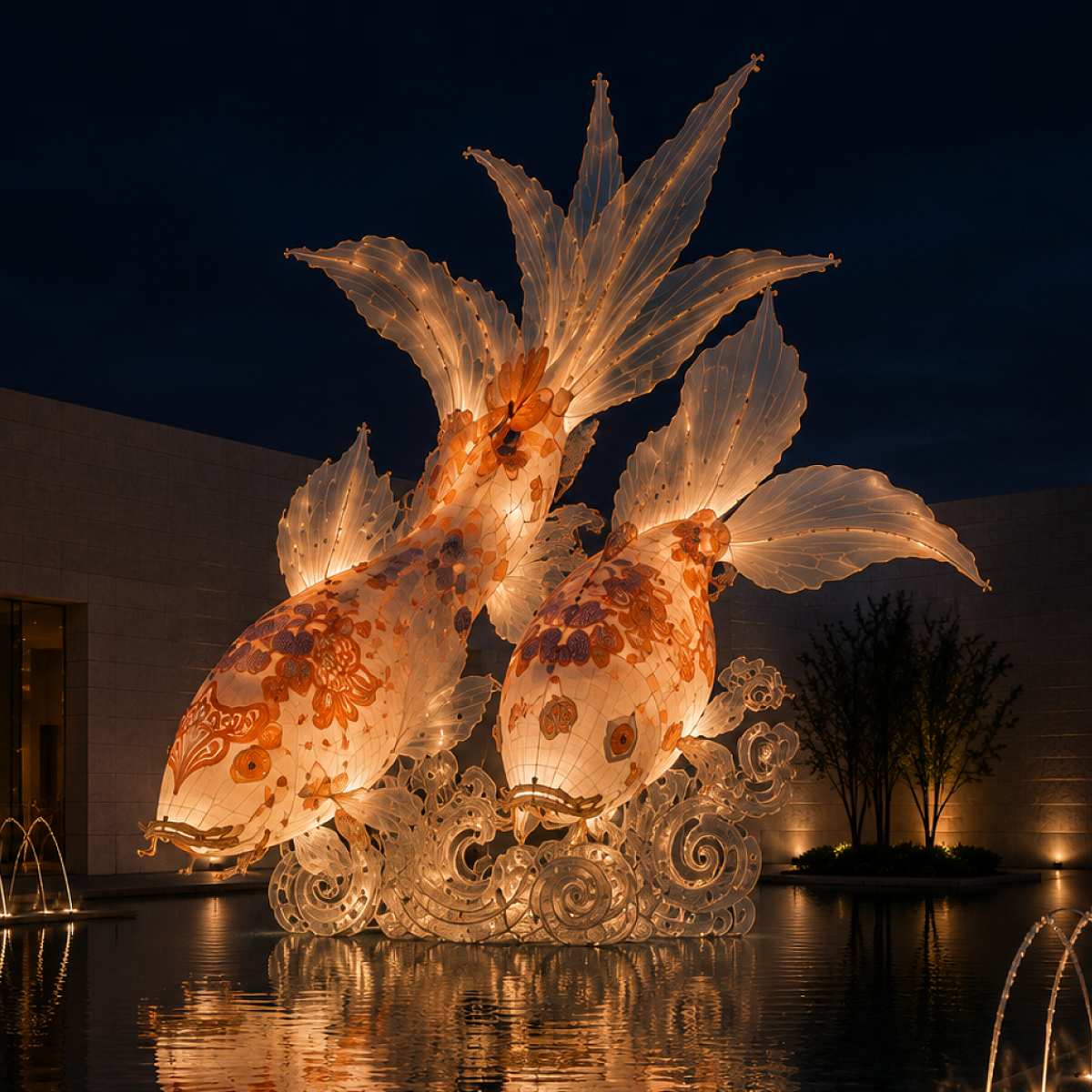
Elysium stands out by transforming a delicate cultural artifact into an immersive, architectural-scale environment. We applied spatial design thinking to ensure the craft was not simply archived as a 3D model, but experienced as a living, breathing world.
The primary challenge was translating the tactile, soulful essence of handcrafted paper into the often sterile environment of a 3D digital space. We overcame this by developing custom shaders and conducting material studies that replicate the organic, atmospheric qualities of traditional ritual offerings.
We hope this recognition strengthens our reputation as a team that bridges tradition and innovation, attracting collaborators who prioritize cultural ethics in technology. We are already seeing new opportunities to partner with institutions interested in modernizing their historical archives through spatial design.
The response has been overwhelmingly positive, particularly from younger generations who previously felt a psychological distance from this art form. One especially meaningful moment came when a stakeholder shared that the experience had transformed their fear of the tradition into curiosity.
Focus on telling a deeply human story first, and let the technology serve as the tool that brings it to life. A winning entry needs a strong narrative at its core, as judges are often moved by designs that meaningfully shift a user's emotional or cultural perspective.
Competitions are a valuable opportunity to build confidence and refine how you communicate the "why" behind your design decisions. Your unique perspective is one of your greatest strengths, so don't wait until you feel you have enough experience to share a story that only you can tell.
Let's use our creativity to ensure that the forgotten parts of our shared heritage are never overlooked. Our best work happens when we design to foster connection and strengthen the cultural ties that unite us.
We dedicate this achievement to the traditional zhizha artisans who devoted their lives to creating beauty destined to burn. Their dedication to this ephemeral craft became the enduring inspiration behind our digital sanctuary.
Elysium is an immersive digital environment that transforms the ephemeral tradition of zhizha into a lasting architectural experience, demonstrating that meaningful preservation requires creative transformation.
The project reflects a thoughtful balance between cultural heritage and digital innovation.
We are currently expanding these spatial preservation techniques into a broader Digital Library of Living Traditions that supports the preservation of other endangered folk arts.
Our goal is to continue leveraging phygital design to ensure our digital future is as culturally rich as our shared history.