Tainted Grail: The Fall of Avalon- Aine and Aideen Voices
Broken Strings is a haunting side quest in Tainted Grail: The Fall of Avalon, steeped...
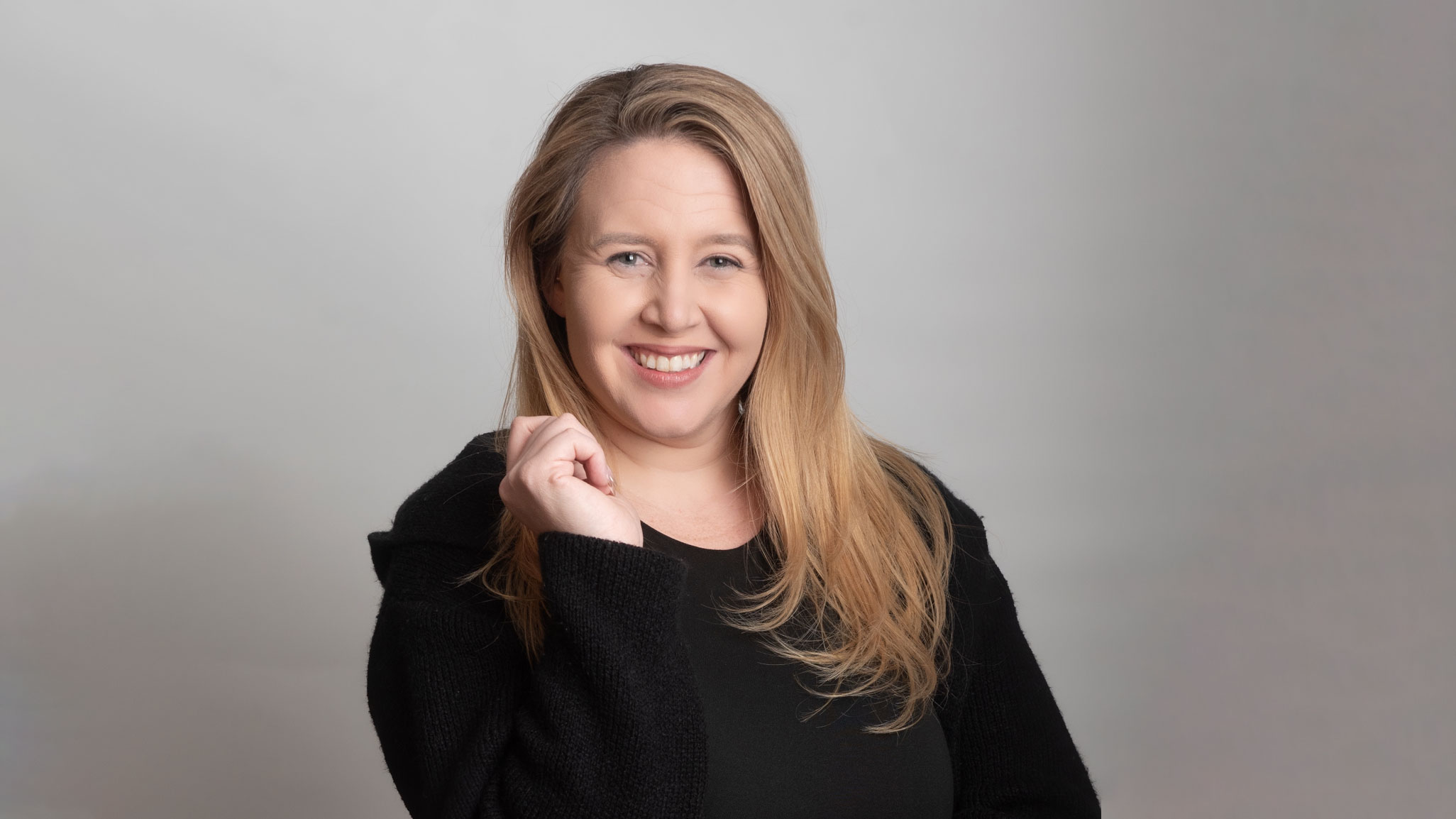
Kay Ford is a voice actor specializing in dark fantasy and narrative-driven projects, known for grounded, emotionally authentic performances across video games and audiobooks.
Thank you—I appreciate it.
I’m a voice actor specializing in dark fantasy and narrative-driven projects, with a focus on grounded, emotionally authentic performances. My work spans both video games and audiobooks, where voice plays a key role in shaping character, tone, and atmosphere.
My interest in voice acting has been lifelong. I’ve always been drawn to storytelling, character voices, and the emotional impact a performance can have on an audience. Over time, that interest evolved into a focused pursuit, and I’ve built extensive experience across audiobooks and video games, developing a strong range in character work and long-form narration.
Professionally, I developed my skills through performance work and gradually moved into larger-scale projects, including my role in Tainted Grail: The Fall of Avalon. That project, in particular, aligned closely with the kind of work I aim to pursue—darker, more immersive narratives where performance helps bring the world to life.
Alongside my professional work, I’m currently continuing my training as a first-year Meisner student at Barron Brown Studio, while also working with private voice-over and dialogue coaches to refine my performance, character work, and vocal nuance across different styles.
Since then, I’ve continued focusing on projects that prioritize strong storytelling and meaningful character presence.
I was inspired to submit my work because Tainted Grail: The Fall of Avalon represents the kind of performance-driven, narrative-focused project I’m deeply committed to. It’s a world that relies heavily on tone, atmosphere, and character authenticity, and I felt the work we created there reflected the level of depth I aim to bring to every role.
On a personal level, winning is incredibly meaningful. Voice acting has been a lifelong pursuit for me, so having that work recognized at this level feels like a milestone in a journey I’ve been dedicated to for years.
Professionally, it serves as strong validation of the direction I’m moving in—focusing on darker, more immersive storytelling across games and long-form content like audiobooks. It reinforces that there’s real value in grounded, nuanced performances, and it motivates me to continue pushing that standard in future projects.
The story behind my success is really a reflection of long-term commitment and steady growth. Voice acting has been a lifelong interest of mine, and over time, that evolved into a focused pursuit of developing both the technical and emotional sides of performance.
What inspired this path was a deep connection to storytelling—especially character-driven work where voice can carry subtlety, tension, and meaning. I’ve always been drawn to performances that feel real and grounded, and that became the standard I set for my own work.
A defining moment in my journey came when I took a huge leap of faith and moved to China to teach English. I went alone, without knowing anyone there or speaking the language, and ended up living and working there for about two years. It was one of the most rewarding experiences of my life. That time taught me to trust myself, adapt, and realize that other people’s expectations don’t have to define my path. That mindset has carried directly into my work as a performer—being willing to take risks and commit fully to the process.
A big part of my growth has also been continuous training and refinement. From building extensive experience in audiobooks and video games to studying Meisner technique, working with private voice-over coaches, and training with a dialogue coach, I’ve consistently focused on improving both craft and consistency. That process of ongoing development is really at the core of what led to this recognition.
In terms of what it represents in today’s industry, I think it reflects a broader shift toward authenticity. There’s an increasing demand for performances that feel natural, emotionally connected, and immersive. My work aligns with that direction by prioritizing subtlety and truth over exaggeration.
Ultimately, this recognition represents not just a single performance, but the accumulation of years of dedication to the craft and a commitment to continuing to grow within an evolving industry.
What set my work apart was a strong focus on authenticity and emotional restraint. Rather than approaching the performance in a more traditional or heightened way, I made a conscious effort to keep it grounded and natural, allowing the character’s internal state to drive the delivery.
A key element was consistency—maintaining a clear emotional through-line across performances, even when recording out of sequence. That required a great deal of attention to detail and a deep understanding of the character’s mindset at any given moment.
At the time of recording, I was largely self-taught, so I relied heavily on personal experience and instinct to connect with the material. That approach allowed me to draw from real emotions and translate them into the performance in a way that felt honest and immediate.
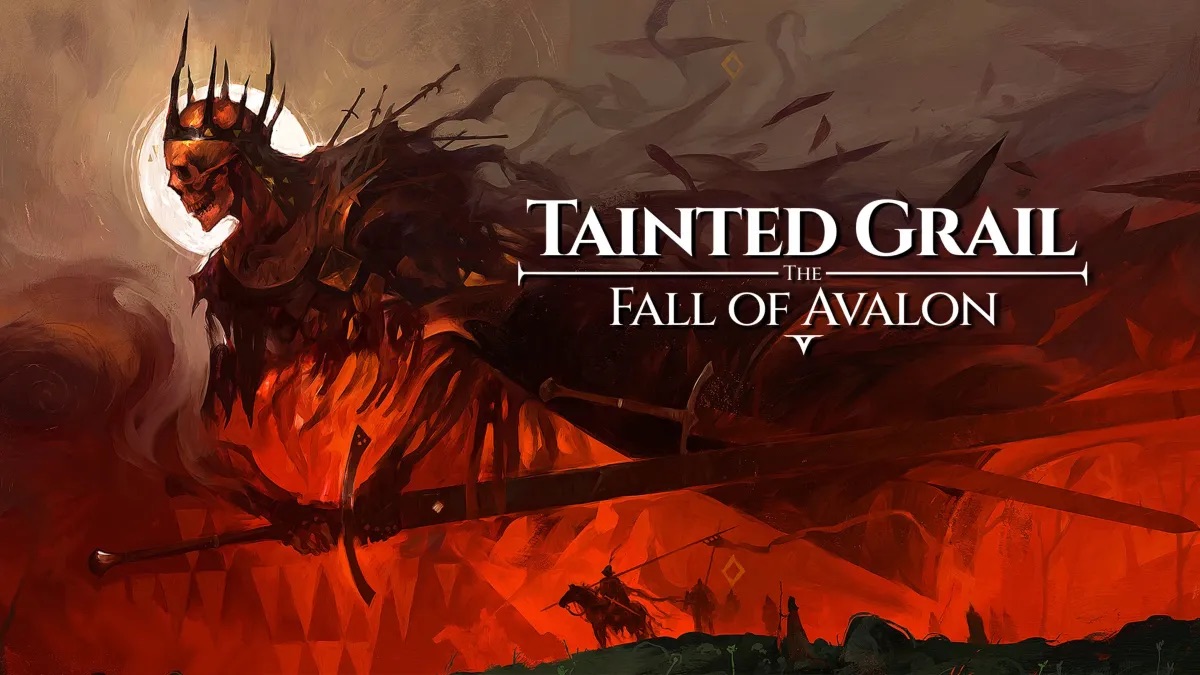
In Tainted Grail: The Fall of Avalon, the characters of Aine and Aideen stand out because of the emotional depth of their story. It’s a quest that doesn’t just focus on battles or rewards, but instead draws players in through its narrative and tragic tone. The story felt very personal, and the opportunity to perform both twin sisters—and give each a distinct vocal identity—was both a challenge and a highlight of the work.
Ultimately, I think what made the performance stand out was a commitment to subtlety, character differentiation, and emotional truth. In a competitive field, performances that feel honest and lived-in can leave a deeper and more lasting impact on the audience.
One of the biggest challenges was maintaining emotional continuity and clear character separation while recording performances out of sequence—especially when portraying two closely connected characters.
I originally auditioned for each character separately and was later asked by Awaken Realms to portray both Aine and Aideen because they were twins and the team connected with my interpretation of each character. That was a great opportunity, but it also added complexity, as it became my responsibility to ensure both characters felt distinct while still sharing a believable bond.
With Aine and Aideen, it was important that each sister had her own vocal identity while still feeling connected. Achieving that balance required careful attention to tone, rhythm, and emotional perspective, so that each character stood on her own without losing the sense that they belonged to the same world.
Another challenge was navigating that process while still being largely self-taught at the time. Without as much formal training to rely on, I had to lean heavily on instinct, preparation, and personal experience to stay grounded in the performances. I spent time developing a clear internal understanding of each character’s emotional state and revisiting that before recording sessions to maintain consistency.
I overcame these challenges by staying focused on authenticity—prioritizing how the characters felt in each moment rather than overthinking the technical side. That approach helped me keep the performances natural and connected, even within the constraints of non-linear recording.
In the end, those challenges pushed me to become more intentional and self-aware in my process, which has carried forward into how I approach my work today.
Winning an award like this is a meaningful milestone, and I see it as both recognition and momentum moving forward.
For my career, I hope it helps strengthen my position within narrative-driven projects—particularly in video games and audiobooks where performance and storytelling are closely connected. It adds a layer of credibility that can help open doors to more complex roles and collaborations, especially within darker, more atmospheric genres that I’m focused on.
I’m also continuing to refine my niche, with a focus on more ethereal, regal, and velvety vocal qualities that are often suited to upper-class or elevated characters. I frequently find myself drawn to roles such as queens, goddesses, nobility, and maternal figures, as well as characters that require a calm, rich, and commanding vocal presence.
More broadly, I hope it contributes to building long-term relationships with developers, studios, and creative teams who value grounded, emotionally authentic performances. That’s the kind of work I’m continuing to pursue.
I’ve already noticed that it creates a stronger first impression when sharing my work. It provides context and validation upfront, which helps conversations move more quickly into the creative side rather than needing to establish credibility first.
Ultimately, I see this recognition not as an endpoint, but as a stepping stone—something that supports continued growth, stronger opportunities, and the ability to contribute to more ambitious and meaningful projects over time.
The reaction has been very positive, especially in how the work is perceived at first glance. Having an award attached to the performance immediately adds a level of credibility, which has helped create stronger first impressions with both clients and collaborators.
One of the more meaningful aspects of the feedback has been how people respond to the emotional quality of the performance. There’s been recognition of the subtlety and depth within the characters, particularly in how their relationship and story come through vocally. That kind of response stands out to me because it reflects the intention behind the work—keeping it grounded, honest, and emotionally connected.
A particularly memorable moment was recently being offered my first lead role in a video game, with the studio reaching out to me directly. That opportunity felt like a clear sign that the work—and the recognition surrounding it—is resonating and creating real momentum.
I’ve also had conversations where the award itself helped open the door, but quickly led into discussions about the actual performance and creative process. Those moments are especially valuable because they shift the focus from recognition to craft, which is where I want the attention to remain.
Overall, the response has reinforced that there’s both an audience and demand for more nuanced, emotionally driven voice work, and that’s been incredibly encouraging and motivating as I continue moving forward.
For anyone aspiring to achieve similar success, I think the most important thing is to focus on authenticity and long-term growth rather than chasing recognition. Awards are a byproduct of strong work, not the goal itself.
From a craft perspective, continuous training is key. Whether through formal study, working with coaches, or self-directed practice, developing both technical skill and emotional depth makes a significant difference over time. Equally important is learning how to truly listen and respond within a performance, rather than simply delivering lines.
I also think it’s important to trust your own instincts. Especially early on, when I was largely self-taught, I relied heavily on personal experience to shape my performances. That helped me stay grounded and connected to the material in a way that felt honest and authentic.
Taking risks is another major part of growth. Some of the most defining moments in my journey came from stepping into the unknown—whether that meant pursuing opportunities outside my comfort zone or making unconventional choices in performance. Growth often comes from those moments.
It’s also essential to approach every role with the same level of dedication, regardless of the project size, studio, number of lines, or subject matter. Voice acting is a highly competitive field, and the performers who consistently commit fully to every project are the ones who stand out. Treating each role with care and professionalism not only improves the work itself, but also builds a reputation that leads to more opportunities.
From a practical standpoint, consistency and professionalism matter just as much as talent. Being reliable, prepared, and easy to work with goes a long way in building lasting relationships within the industry.
When it comes to creating award-worthy work, it often comes down to subtlety and intention. Focus on creating something that feels real and specific, rather than trying to impress. Performances that connect emotionally tend to leave a stronger impact than ones that simply aim to be noticed.
Ultimately, it’s about committing to the craft, staying open to growth, and building a body of work that genuinely reflects who you are as an artist.
The creative industry is constantly evolving, particularly in how storytelling is approached across games, audiobooks, and other narrative-driven media. There’s a clear shift toward more immersive, character-focused experiences, where audiences expect performances to feel natural, emotionally grounded, and authentic.
I see these changes as a positive direction. As technology and production value continue to improve, there’s more room for subtlety and nuance in performance. Voice acting is becoming less about projection or stylization and more about truth, connection, and believability—qualities I’ve always aimed to prioritize in my work.
At the same time, no matter how the entertainment industry evolves, networking and human connection will always remain incredibly important. The voice acting community, in particular, is highly supportive, and I’ve been both surprised and humbled by how welcoming and inclusive it has been. Those relationships and shared experiences play a significant role in both growth and opportunity.
As the industry becomes more competitive, continuous growth and adaptability are essential. That’s why I’ve committed to ongoing training, whether through Meisner study, voice-over coaching, or dialogue work, to continue refining both my technical skills and emotional range.
Looking ahead, I hope to position myself within projects that value strong storytelling and atmospheric depth, particularly in video games and long-form narrative work. I’m continuing to develop a niche in ethereal, regal, and velvety vocal styles—often suited to characters such as queens, goddesses, nobility, and maternal figures, where a calm, rich, and commanding presence is important.
Ultimately, I want to be part of projects that push storytelling forward—where voice is not simply a supporting element, but a central part of creating immersive and meaningful experiences for the audience.
Entering awards can definitely feel intimidating, especially early on, but I think it’s important to reframe what they represent. It’s less about validation and more about recognizing your own progress and being willing to put your work forward.
For those with limited experience, my advice would be to focus on the work itself first. Build a strong foundation through practice, training, and real projects—no matter how small—and take every opportunity seriously. Confidence comes from doing the work consistently and recognizing your own improvement over time.
It’s also important to understand that you don’t need to feel “ready” to participate. At different stages in your career, there’s value in simply being part of the process—submitting your work, reflecting on it, and seeing how it holds up within a broader context. That alone can be an important learning experience.
Another key factor is mindset. Try to approach competitions as an opportunity to share your work rather than judge it. The goal isn’t perfection—it’s growth, visibility, and experience. Even the act of submitting can shift how you view your own work, from something private to something worth presenting.
At the same time, give every piece of work your full attention and dedication, regardless of the size of the project or your level of experience. In a highly competitive field like voice acting, consistency and commitment are often what help performers stand out over time.
Ultimately, building confidence comes from a combination of preparation, experience, and perspective. The more you create, submit, and engage with your craft, the more natural it becomes to put your work forward—and that’s where real growth begins.
Creativity doesn’t exist in isolation—it grows through collaboration, shared experiences, and mutual support. One of the most valuable things I’ve learned is that the people around you can shape not only your opportunities, but also the way you approach your craft.
I strongly believe that “a rising tide lifts all ships.” When creatives support one another, share knowledge, and celebrate each other’s successes, it strengthens the industry as a whole. Whether you’re working in voice acting, marketing, or any part of the creative field, there’s real value in building each other up rather than viewing everything as competition.
I’d also encourage people to stay grounded in why they create in the first place. Trends, platforms, and technologies will always evolve, but authenticity and intention are what make work resonate. The more you focus on creating something real and meaningful, the more naturally it will connect with others.
At the same time, don’t underestimate the importance of professionalism and reliability. Being someone others enjoy working with—someone who listens, communicates clearly, and respects the creative process—can be just as impactful as the work itself.
Finally, take the time to recognize and support the work of others. Building a strong creative community benefits everyone, and those connections often lead to the most meaningful and unexpected opportunities over time.
While voice acting is often experienced as an individual performance, it’s absolutely supported by a wider network of people, and I wouldn’t be here without that support.
I’d like to dedicate this achievement to the coaches, mentors, and collaborators who have supported my growth along the way. From those I’ve worked with in voice-over and dialogue coaching to the teams behind the projects I’ve been part of, each has played a role in helping me refine my craft and continue pushing myself further.
I’m also deeply grateful to Awaken Realms, the production company behind Tainted Grail: The Fall of Avalon, and to Barbara Luczak, the game’s casting director, for trusting me with these characters and giving me the opportunity to bring them to life. That level of trust is something I don’t take lightly.
On a more personal level, I’d also like to dedicate this to my husband, who has been overwhelmingly supportive every step of the way and never treated my goal of becoming a voice actor as unrealistic. Having that kind of belief and encouragement has made a profound difference in my ability to pursue this path fully.
I’d also like to thank Matt Mercer and Ellen McLain. While they likely wouldn’t remember me, I had the chance to speak with both of them at conventions over the years, and I took their advice to heart. Those moments had a lasting impact—they gave me the confidence to keep going and reinforced that this path was worth pursuing. What stood out most was how sincerely they listened and how thoughtfully they responded. They never made me feel like just another fan, and that meant a great deal.
I’d also dedicate this to the people who supported me early on—especially when I was still finding my path and taking risks, like moving abroad and pursuing this career more seriously. Having that support, even when the direction wasn’t always certain, made a huge difference.
Ultimately, this recognition reflects not only my own work, but also the influence, encouragement, and opportunities provided by the people around me.
A grounded, emotionally driven performance that brings depth and authenticity to a dark, character-focused narrative—prioritizing subtlety and human connection over spectacle, and allowing the story to resonate on a more personal level.
Looking ahead, I’m continuing to build on the momentum from this project, including stepping into my first lead role in the video game Silence, Exile, and Cunning, where I’ll be portraying Nora Barnacle alongside her husband, James Joyce. It’s an exciting and meaningful next step, and a role I’m truly looking forward to bringing to life.
My focus remains on narrative-driven work across video games and audiobooks, particularly within darker, more atmospheric genres. I’m also continuing to refine my niche in ethereal, regal, and velvety vocal styles, with an emphasis on commanding and feminine roles.
Alongside that, I’m committed to ongoing training—continuing my Meisner studies, working with voice-over coaches, and expanding my range through dialogue work—to keep growing both technically and creatively.
More broadly, my goal is to take on increasingly complex and emotionally rich roles while collaborating with teams that value strong storytelling and immersive character work. I’m excited about what lies ahead and the opportunity to continue evolving within the industry.