Live Together
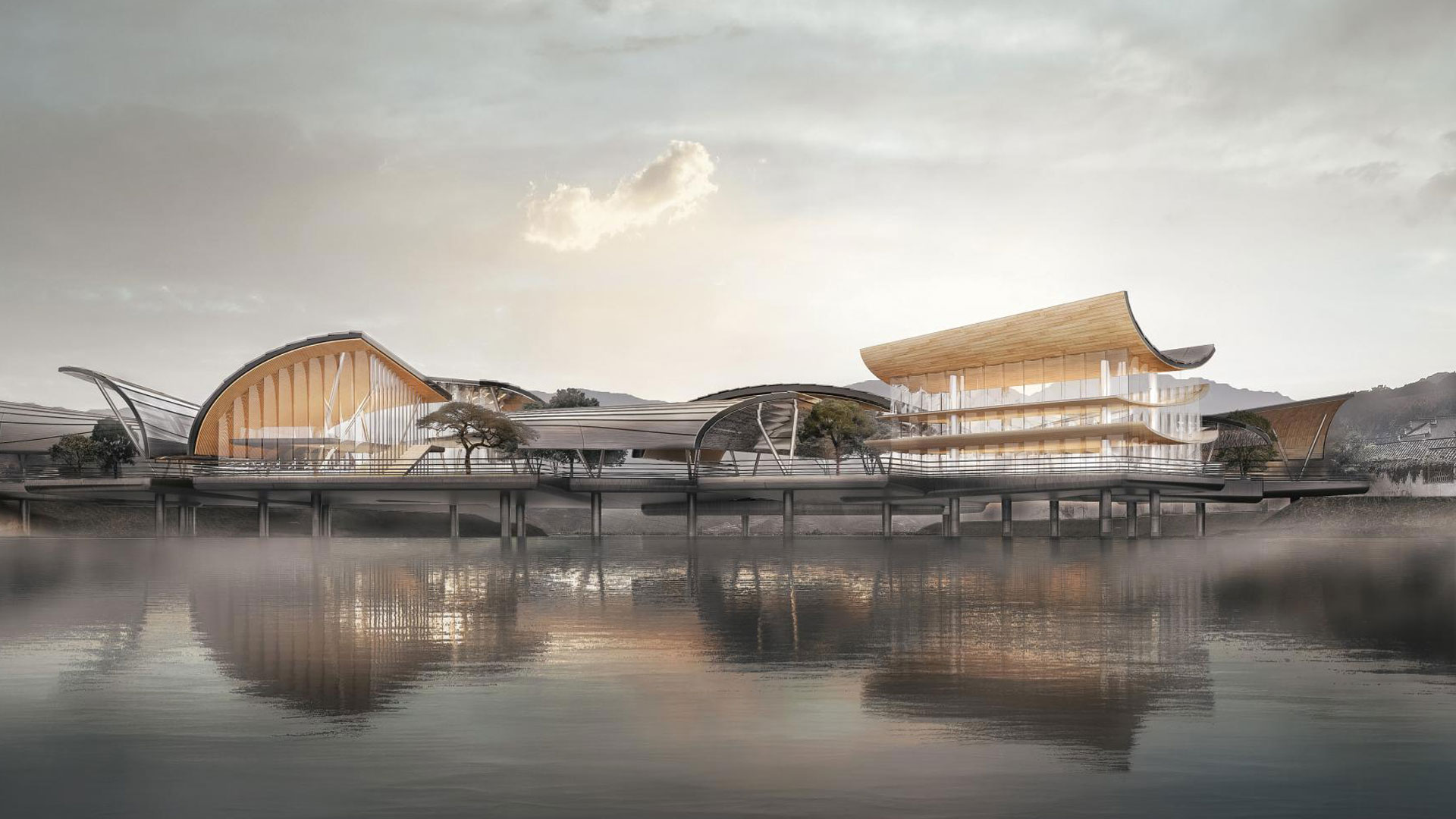
Wenxing Bridge is conceived as a hybrid cultural infrastructure that transforms the act of crossing...
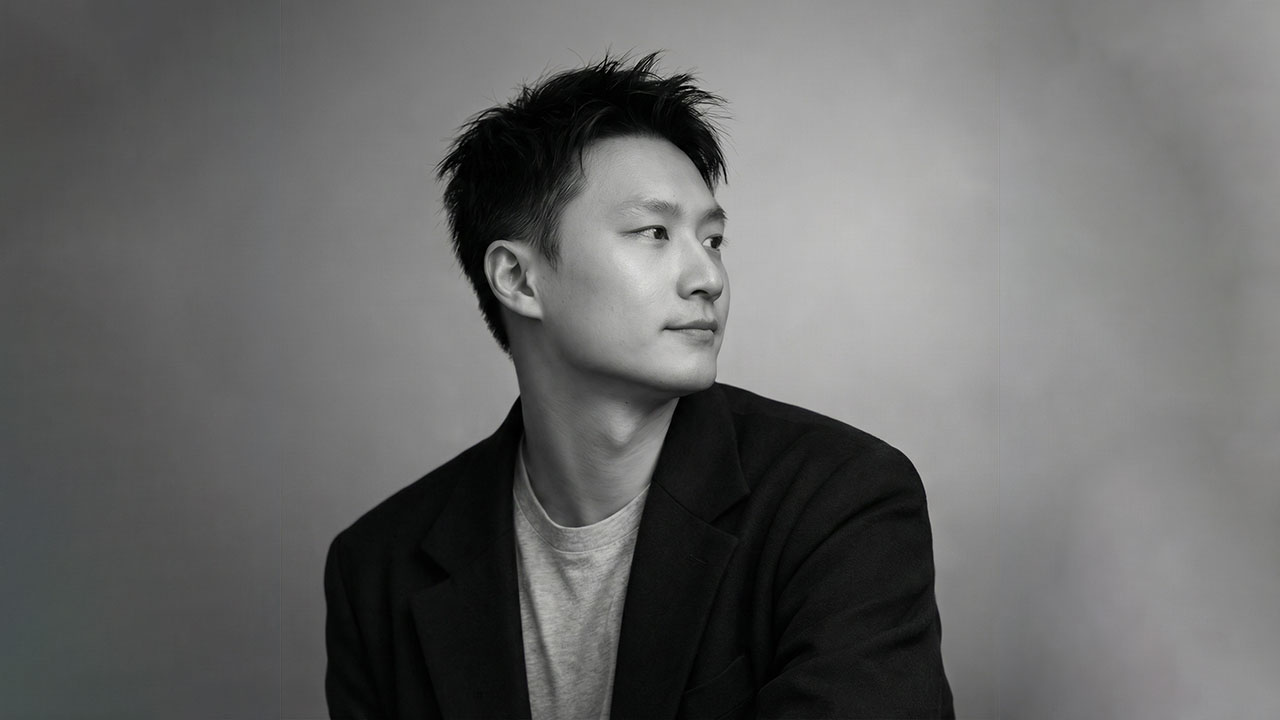
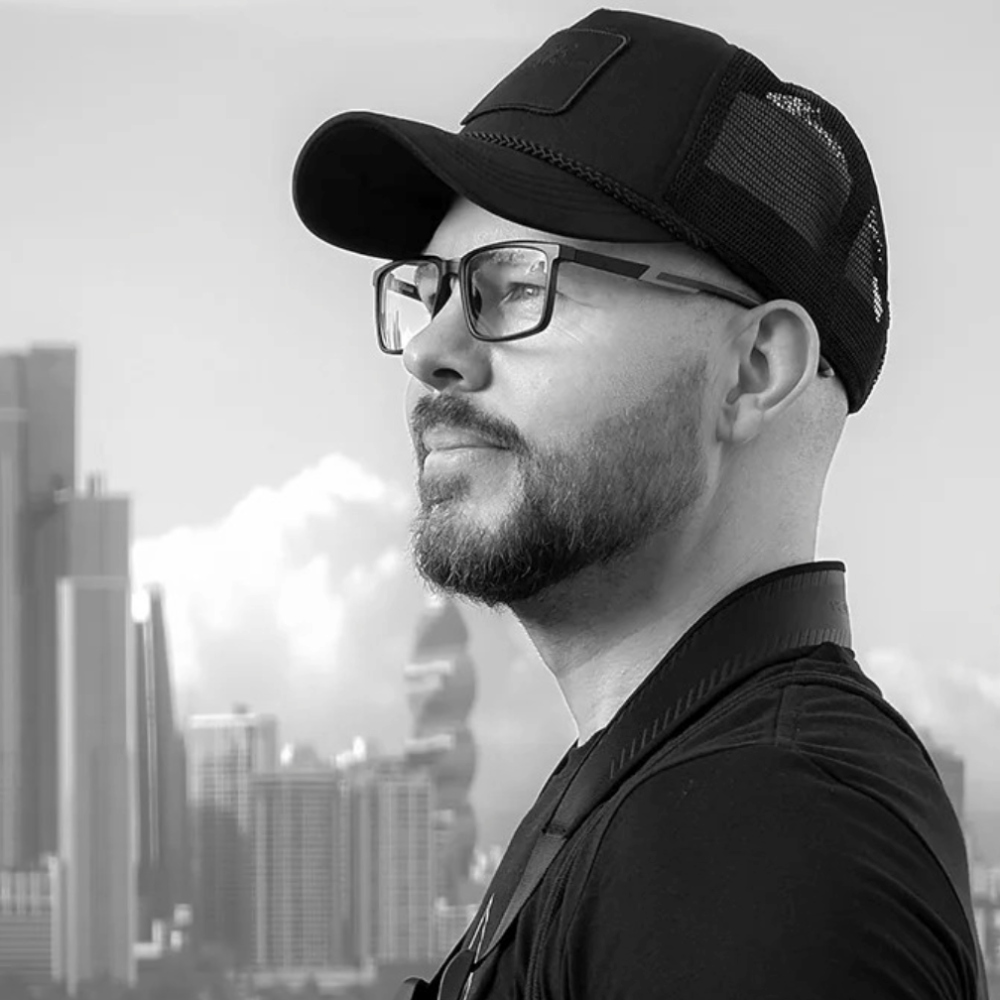
Ruijie Xu is an architectural designer and Associate at HKS whose work spans major sports, entertainment, and civic venues. Passionate about shaping how people experience public spaces, he creates architecture that brings communities together and leaves a lasting impact.
Thank you! I am an architectural designer and Associate at HKS, specializing in sports, entertainment, and civic architecture. My work includes major venue projects such as the Cleveland Browns Stadium, Washington Commanders Stadium, and New Zealand National Stadium.
I was inspired to pursue design because of architecture's ability to shape how people experience cities and public spaces. What fascinates me most is creating places that bring communities together while leaving a lasting impact on people and culture.
Being recognized by the MUSE Design Awards is a meaningful honor. It validates the ideas, dedication, and collaboration behind the work while providing an opportunity to share the project with a broader international audience.
The recognition also encourages me to continue exploring innovative design solutions that create lasting impact and contribute meaningfully to the built environment.
This recognition has increased the visibility of my work while opening new opportunities to connect with designers, clients, and industry professionals around the world.
It has also reinforced my confidence in pursuing ambitious projects that contribute to culture, strengthen communities, and enhance the public realm.
Experimentation is at the core of my creative process. I use sketches, physical models, and digital studies to explore different possibilities before refining a final design solution.
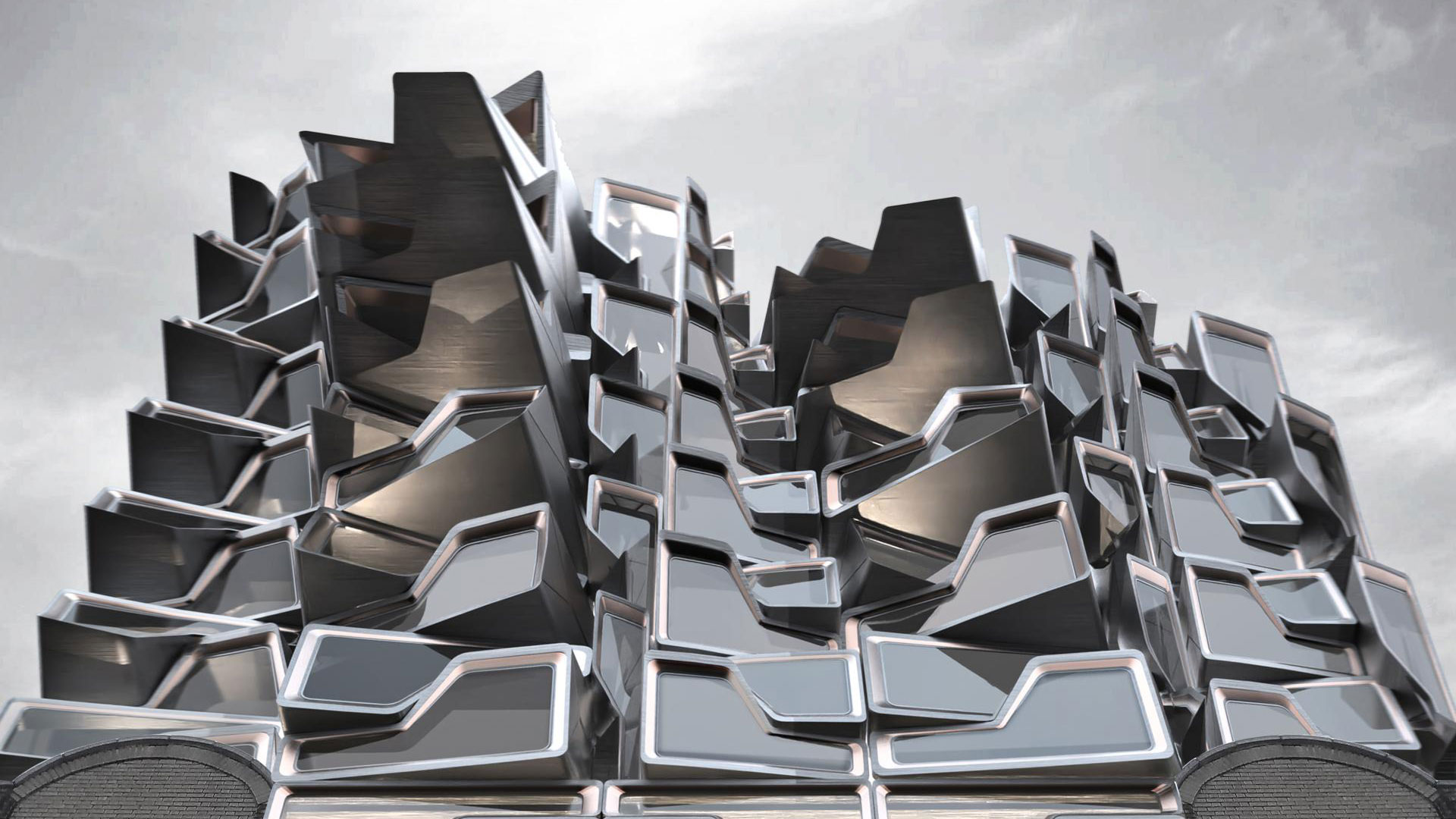
In Shifting Hybrids, for example, I investigated multiple ways of stacking and rotating program elements to transform a traditional theater into a more flexible public space that supports a wider range of community activities.
One unexpected source of inspiration came from observing how people use informal public spaces such as street markets and urban plazas.
Their spontaneous interactions and ever-changing patterns of movement encouraged me to think beyond fixed programs and design spaces that are more adaptable, inclusive, and socially engaging.
I wish more people understood that design is a process of discovery rather than simply finding an answer. Many of the strongest ideas emerge through testing, refinement, and, at times, letting go of earlier concepts.
The final design is rarely the result of a single breakthrough. Instead, it is shaped by countless small decisions that come together to create a thoughtful and meaningful whole.
I believe the most successful projects emerge when design goals and stakeholder needs are aligned. Rather than viewing them as competing priorities, I focus on developing solutions that balance practical requirements with the project's core vision and long-term objectives.
One of the greatest challenges was reconciling functional requirements with the ambition to create a meaningful public experience. I wanted the bridge to be more than a piece of infrastructure—it should also serve as a place for gathering, interaction, and connection with nature.
Through multiple rounds of exploration and refinement, I developed a solution that integrates performance, usability, and spatial quality while preserving the project's vision.
When I encounter a creative block, I step away from the project and spend time observing how people interact with cities, landscapes, and public spaces. Traveling, sketching, and exploring new places often give me fresh perspectives and renewed inspiration.
Many of my ideas are rooted in everyday observations rather than architecture alone, reminding me that meaningful design often begins with understanding how people experience the world around them.
I am deeply interested in the relationship between people, culture, and place. Having studied and worked in different countries, I have come to appreciate that successful design should respond to local identity while remaining welcoming and accessible to diverse communities.
These experiences continue to shape my approach to architecture and public space, reinforcing my belief that thoughtful design can strengthen communities while creating a lasting sense of place.
Stay curious and be patient. Design is a lifelong discipline, and meaningful growth comes through continuous learning rather than quick results. Look beyond architecture for inspiration, because some of the most valuable ideas often emerge from the most unexpected places.
I would choose Wang Shu. I admire his ability to create architecture that is deeply rooted in local culture while remaining distinctly contemporary.
His work demonstrates how architecture can preserve memory, reflect identity, and strengthen a sense of place. That thoughtful approach continues to inspire the way I think about architecture and the projects I create.
I hope people leave with a stronger connection to the places they inhabit. Whether it is a bridge, a public space, or a cultural venue, I believe architecture should create opportunities for interaction, reflection, and a genuine sense of belonging.