Sage Health Branding
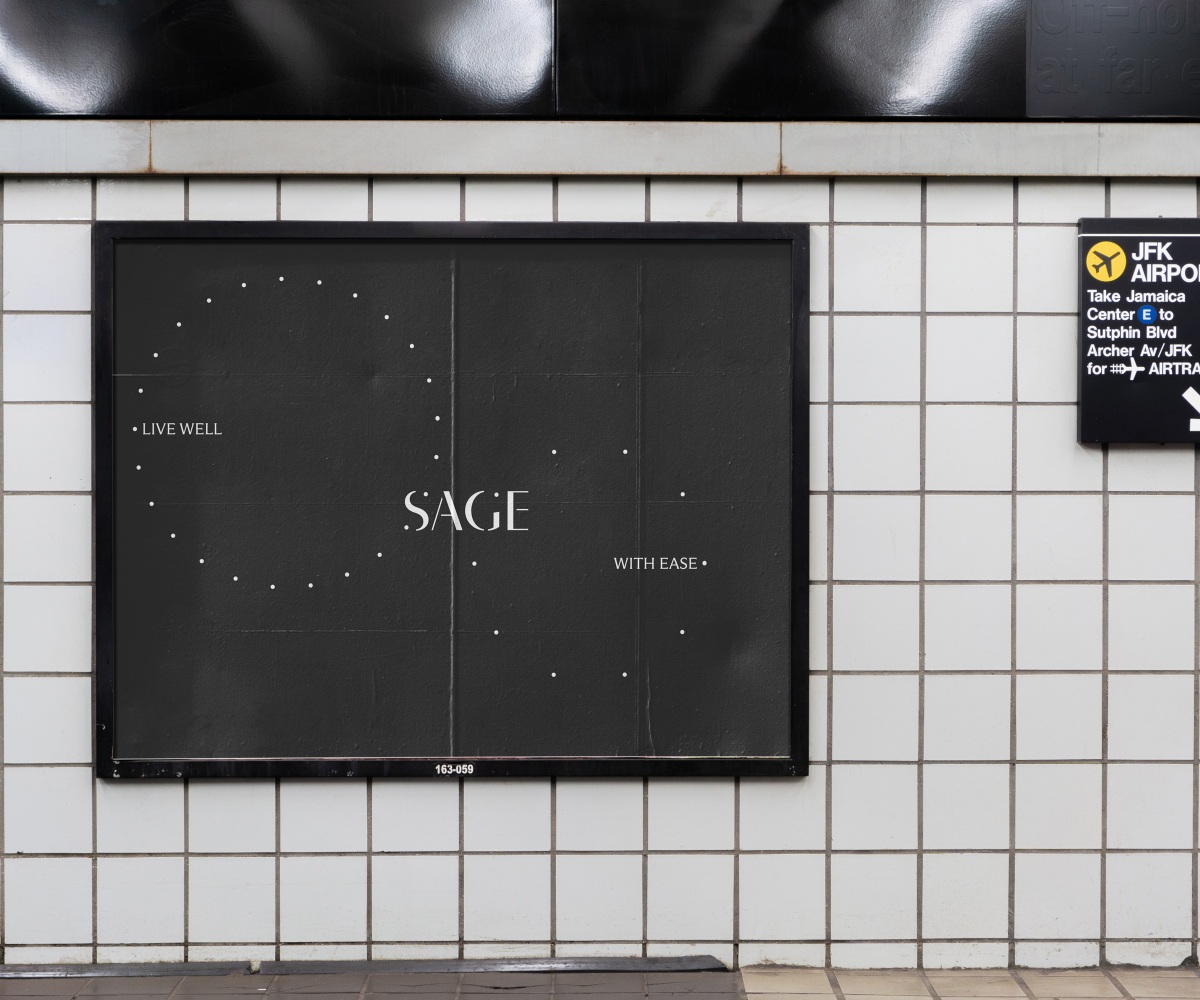
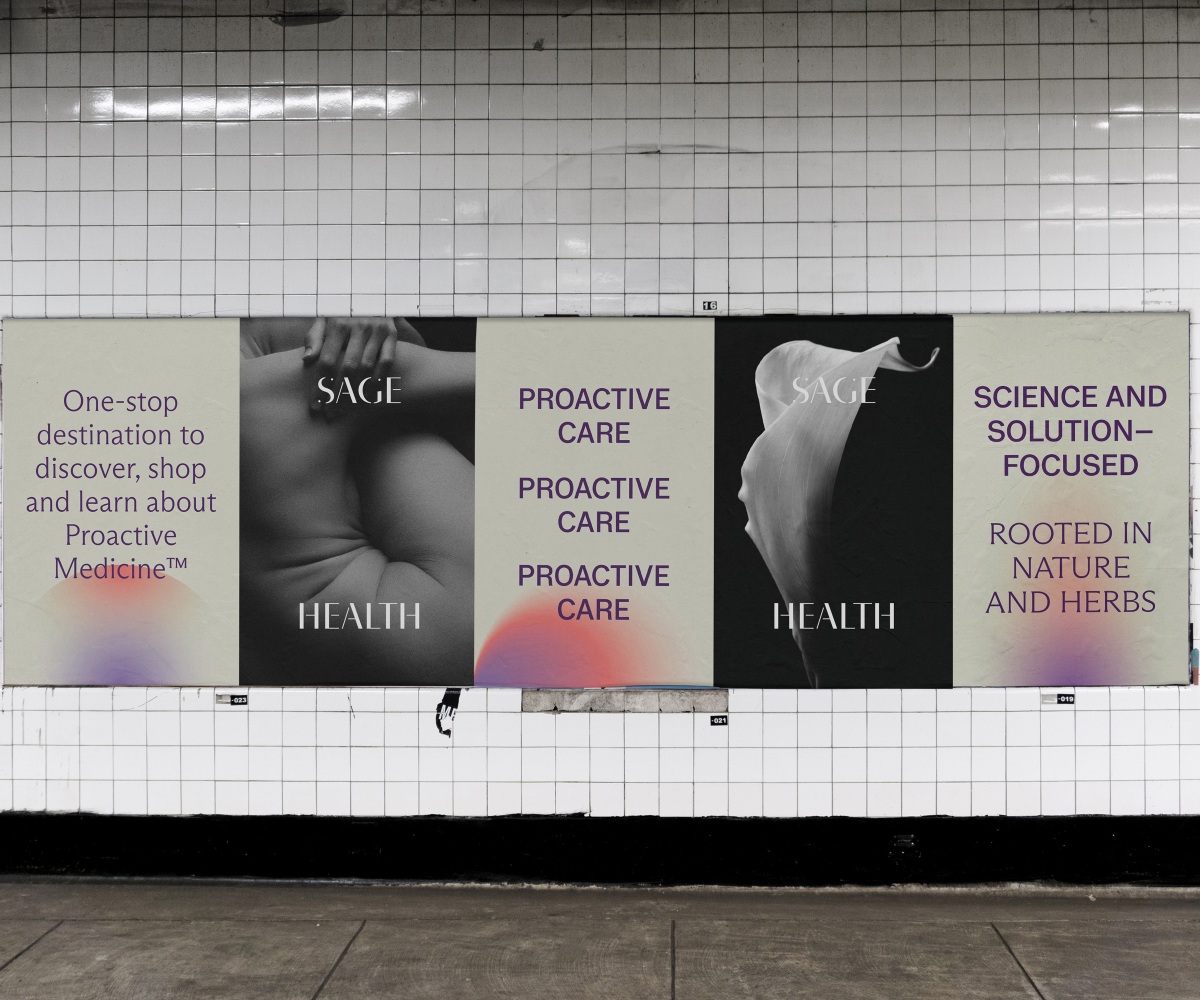
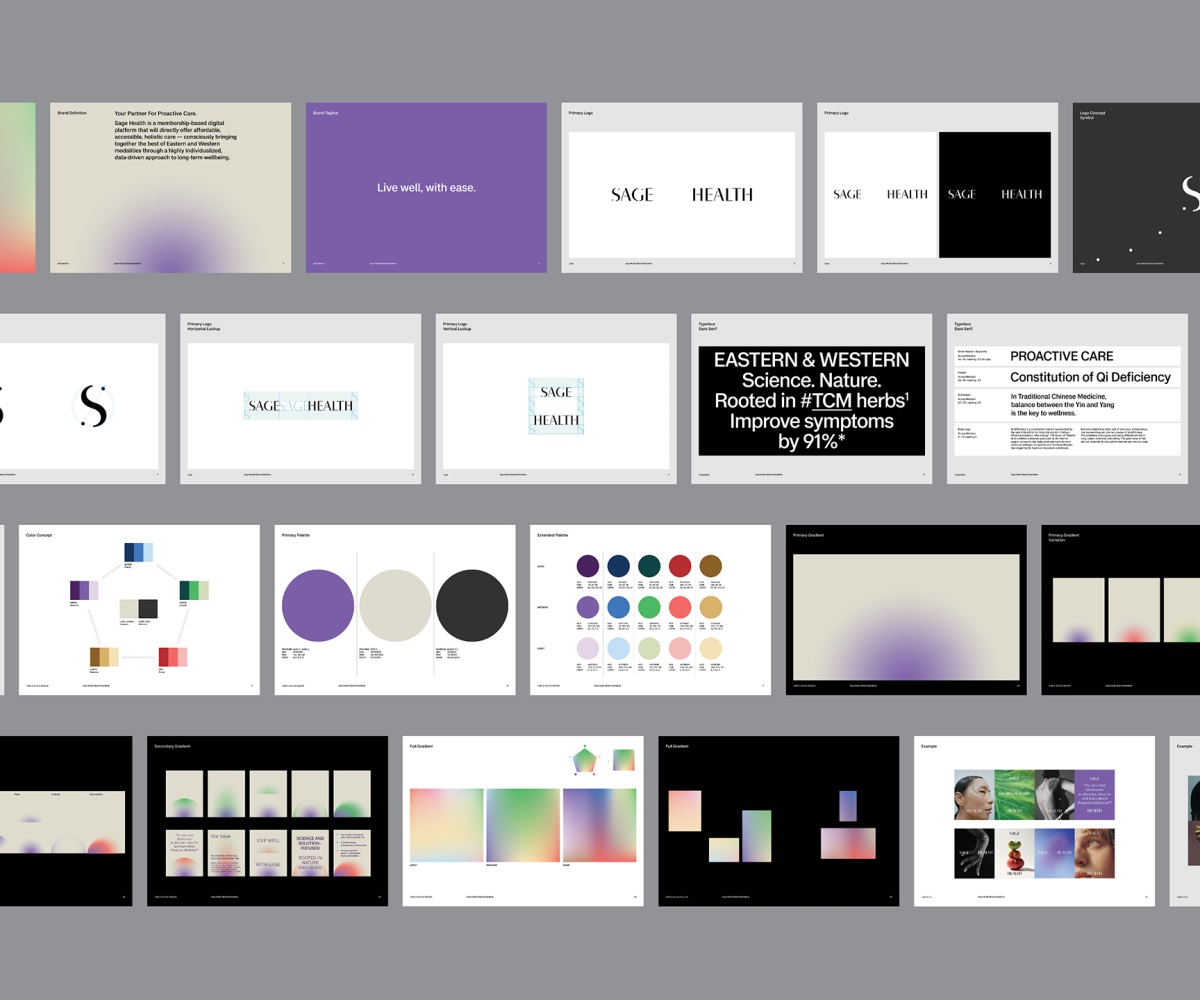
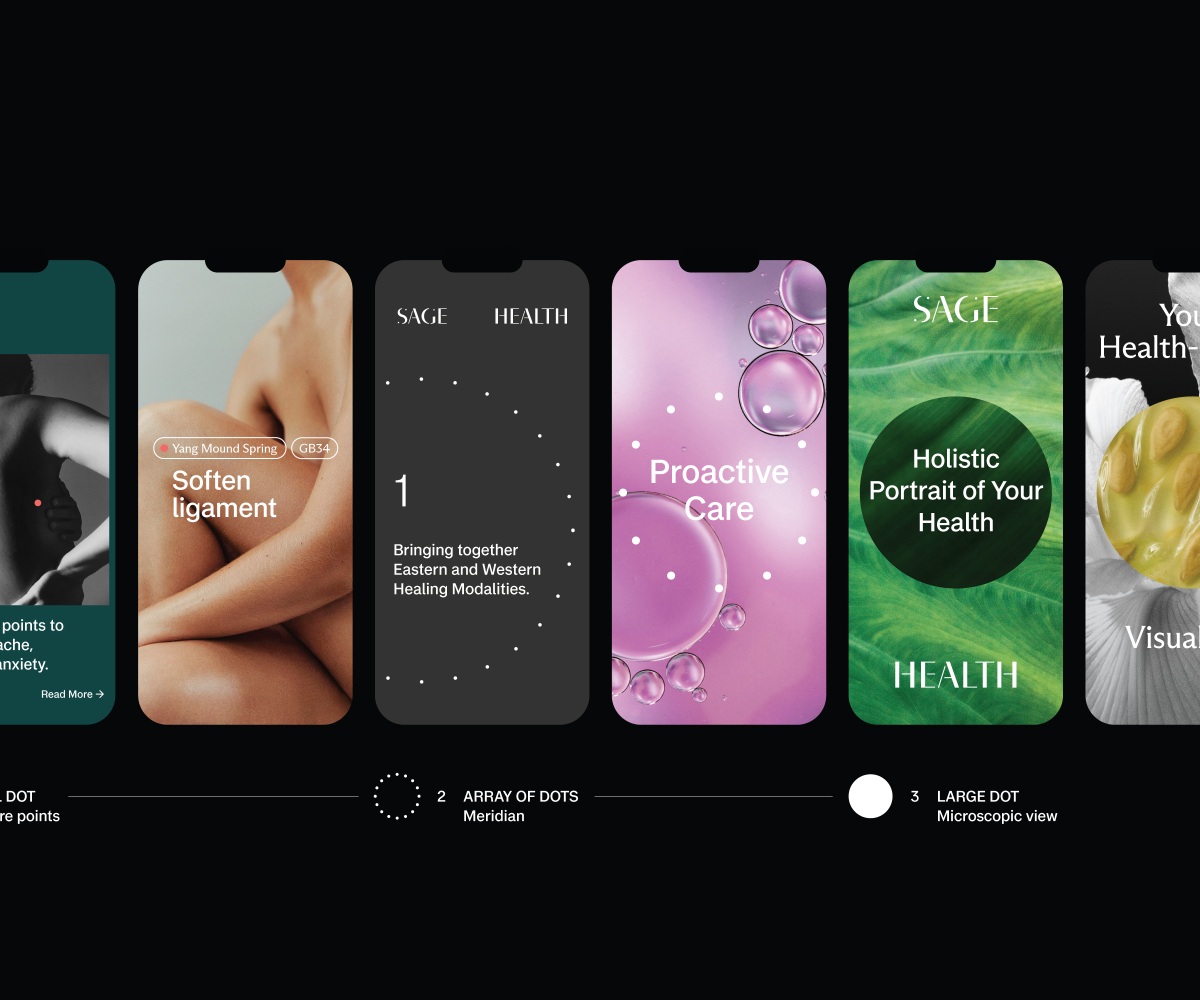
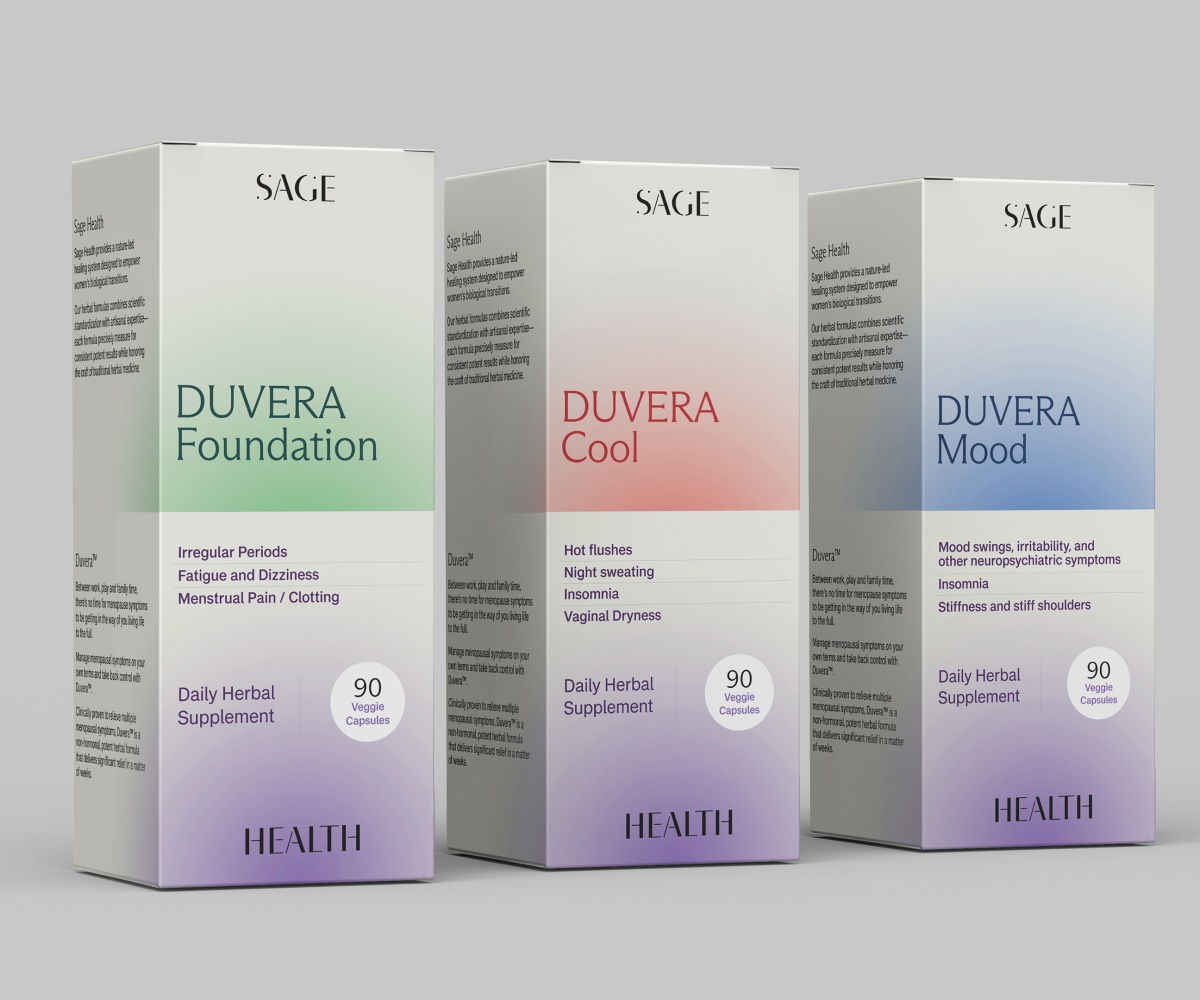
Sage Health is a digital platform providing affordable, holistic healthcare through the integration of Eastern...
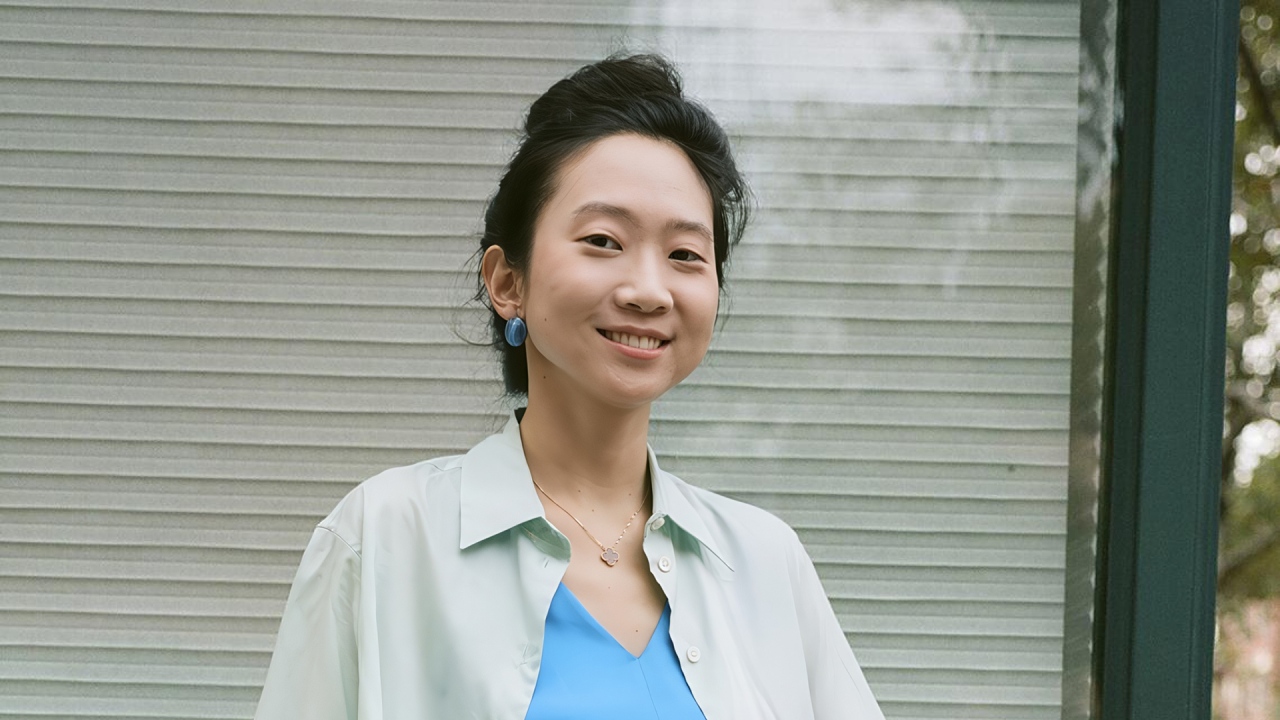
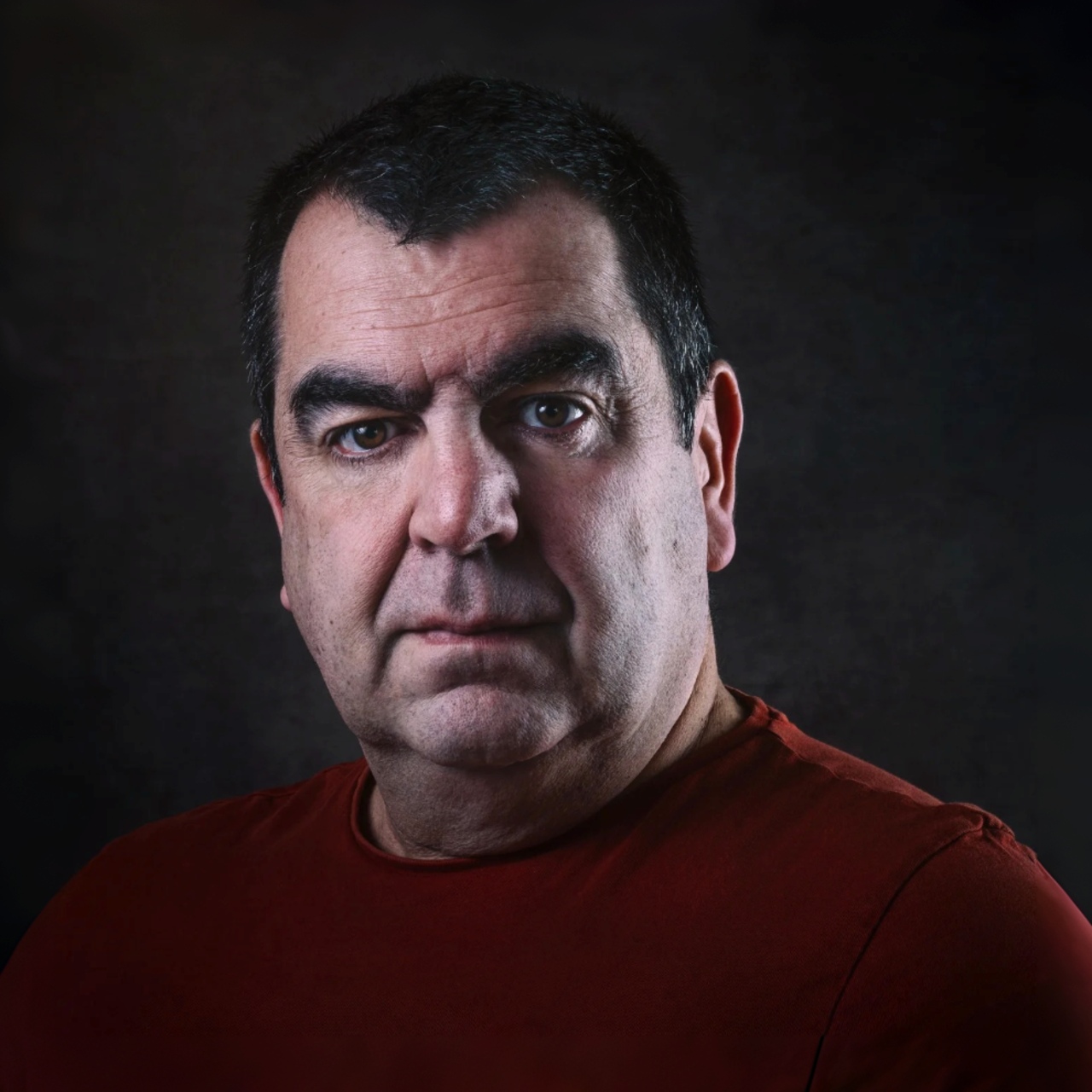
Haejung Choi is a New York-based graphic designer and creative director specialising in branding, brand strategy, editorial, and digital design. Guided by a deep appreciation for typography and thoughtful visual communication, she creates work that shapes how audiences engage with information and brands.
I'm a graphic designer and creative director based in New York, working across branding, brand strategy, editorial, and digital design. I was first captivated by the use of typography in design. I admired its precision, discipline, and expression, and I was fascinated by how the smallest details could shape the way people read and experience information.
It's a reminder that thoughtful work can resonate beyond its original audience. They offer an opportunity to reflect on the collaborative effort behind every project. I'm grateful that branding for Sage Health has been recognised on an international stage.
Recognition like this helps create new conversations and connections. International recognition has helped my work reach a wider audience and opened the door to new collaborations. It has also reinforced my belief that impactful design can resonate across cultures.
The design process is iterative, so experimentation is always part of my creative process. In branding, experimentation often means exploring different narratives, visual systems, and ways of communicating the same idea before finding the one that feels most authentic. Each iteration helps refine not only how a brand looks, but also how it is understood and experienced.
For the Sage Health branding project, I spent more time studying herbal medicine and holistic wellness than design references. Understanding the philosophy behind the brand inspired a visual system rooted in holistic healing. It was a reminder that some of the strongest creative inspiration comes from outside the design field, and that developing a deep understanding of a subject is often what allows a project to reach its full potential.
I wish more people realised that design is much more than making things look beautiful. Most of the work happens through asking questions, refining ideas, and removing unnecessary complexity. The final visual outcome is only a small part of the process.
Clearly defining the project's goals with the client is the foundation of every successful collaboration. I base my creative decisions on those shared objectives, ensuring that every design direction serves a purpose.
One of the biggest challenges was translating Eastern philosophy into a visual language that felt approachable and relevant to a Western audience. Before designing, I felt it was essential to develop a genuine understanding of the philosophy itself. That foundation allowed me to identify what truly mattered, simplify what didn't, and build a brand identity that felt both refined and contemporary without losing its cultural depth.
I usually step away from the screen and return to my sketchbook. Oftentimes, hands know better than your head. The intuitive process sparks creativity.
Curiosity is probably the value that shapes my work the most. I believe that continually asking questions and staying curious deepens not only the creative process, but also the way we experience the world. I enjoy balancing structure with intuition, creating systems that are clear while leaving room for unexpected moments. I hope my work feels both thoughtful and human.
Take the time to explore your own ideas before looking outward. References are valuable, but relying on them too early can cloud your intuition and judgment. Trust your curiosity first, then use references to refine your thinking rather than define it.
I’d choose Wim Crouwel. I’ve always admired his disciplined, systematic approach to design and his ability to create visual systems that are both rational and timeless. It would be fascinating to see how his work would transform and adapt to today’s technologies, where design systems have become increasingly dynamic and responsive.
I wish people asked what I hope people to feel or experience from my work. I hope my work encourages people to pause, look a little closer, or see something familiar from a new perspective. If it sparks curiosity, then I feel it has succeeded.
Check out how Designing Public Spaces That Bring Communities Together Alongside Ruijie Xu in his interview for winning the London Design Awards here.