LANCÔME IDÔLE HOUSE
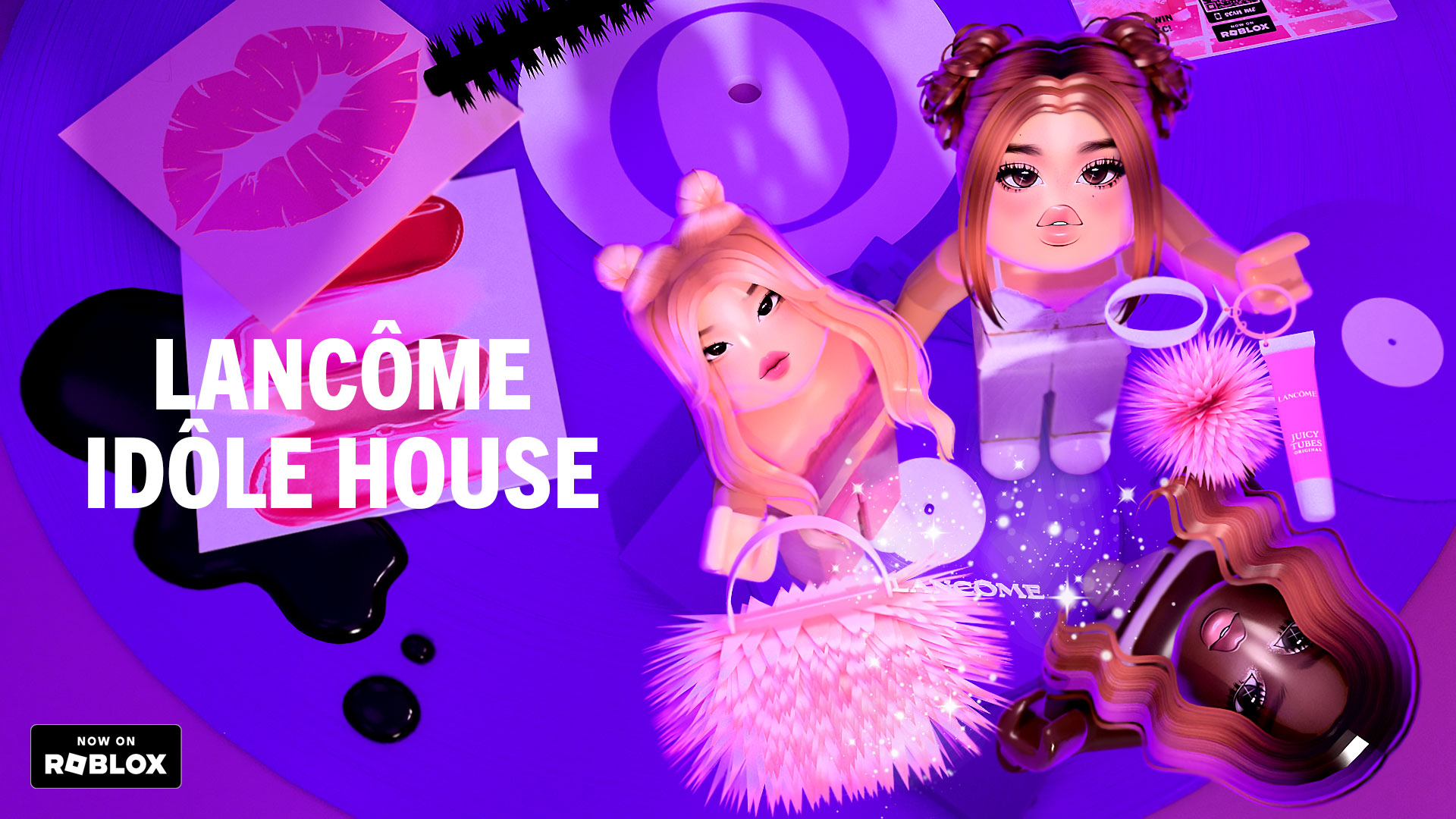
LANCÔME IDÔLE HOUSE was designed as a gamified digital twin of the brand’s real-world IDÔLE...
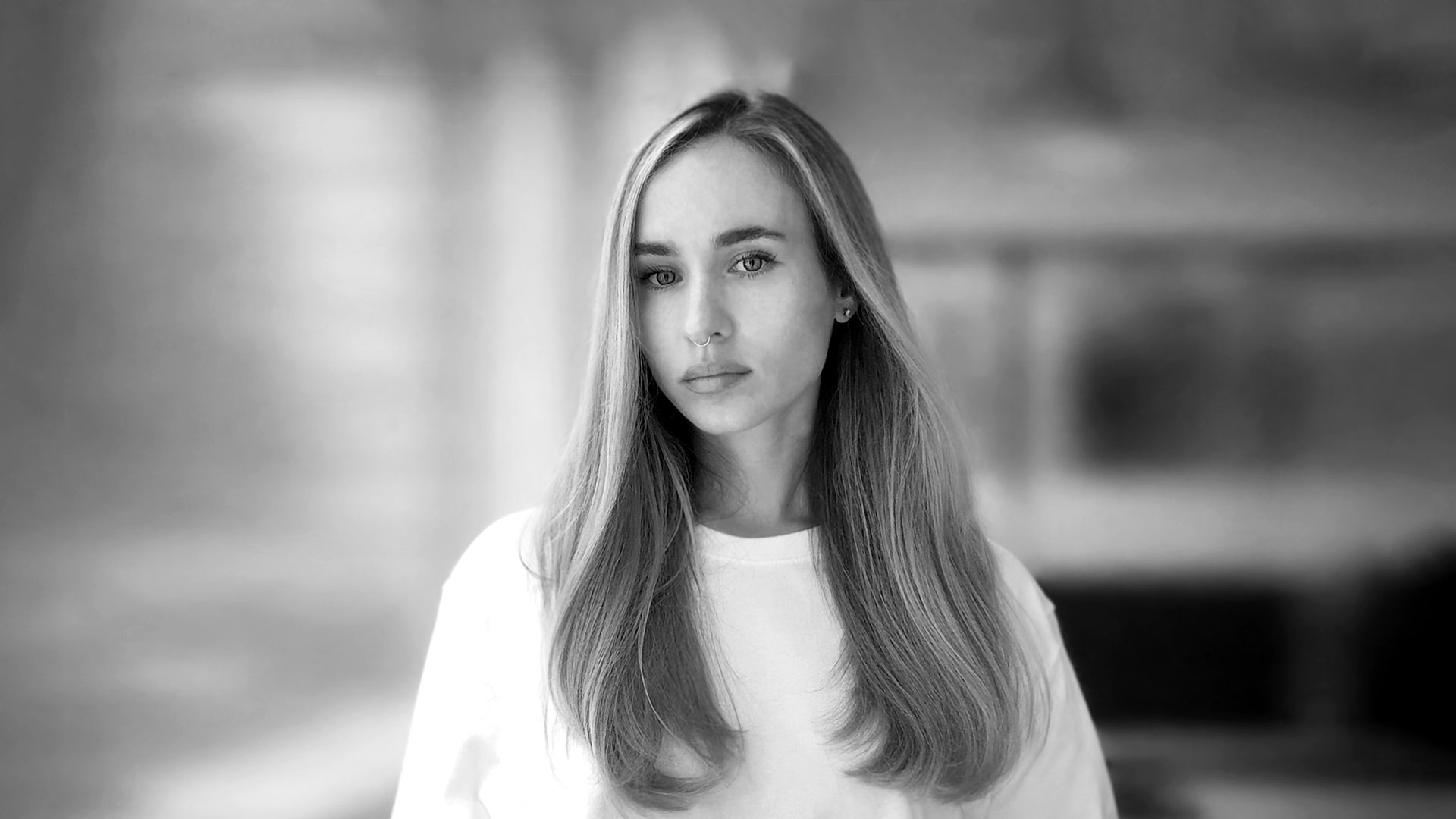
Maryna Semioshyna is a creative executive, Co-Founder of HOURS, and Creative Director at Polycount, known for creating immersive brand experiences on Roblox for brands like Lancôme, adidas, and Barbie.
Thank you—I’m truly honored to be recognized by the MUSE Creative Awards!
My name is Maryna Semioshyna, and I’m a creative executive working at the intersection of game design, interactive IP storytelling, and brand strategy. I’m the Co-Founder and Chief Creative Officer of HOURS and the Creative Director of Polycount, a creative studio focused on building high-impact marketing game activations on the Roblox platform.
Across my work, I’ve led global campaigns for brands including Lancôme, Givenchy, adidas, Venmo, Barbie, and Mondelēz. Prior to founding HOURS, I served as Creative Director at Polycount, where I led the creative direction and execution of the award-winning “LANCÔME IDÔLE HOUSE” immersive marketing activation on Roblox.
My role spans creative direction, product vision, and execution—translating brand narratives into scalable gameplay frameworks while preserving authentic IP representation and visual identity.
What inspired me to submit our work to the MUSE Creative Awards was the opportunity to position immersive, gameplay-driven experiences within a broader creative conversation. Much of what we build exists at the intersection of gaming, design systems, and brand storytelling, and I saw MUSE as a platform that recognizes work pushing those boundaries forward.
Winning is meaningful on two levels. Personally, it represents recognition for the years I’ve spent evolving from a traditional creative background into a more systems-driven, interactive space. Professionally, it reinforces the value of what we’re building at HOURS—that immersive, design-led brand experiences can be recognized not just as experimental, but as a legitimate and impactful form of modern marketing.
The inspiration came from a desire to create a more intentional and scalable way for brands to exist within platforms like Roblox. Rather than building one-off experiences, we wanted to design a framework that could translate a brand’s identity into gameplay—something structured, repeatable, and capable of evolving over time while still feeling native to the platform.
That thinking led to the development of our “Playable”—a framework where branded experiences are built as scalable systems. Each experience is designed around a clear gameplay loop, progression structure, and reward logic, allowing users to engage with the brand through participation rather than observation. It transforms brand IP into interactive storytelling, where the audience actively moves through the narrative.
“LANCÔME IDÔLE HOUSE,” the winning project, represents the first realization of this approach—the first Playable.
“LANCÔME IDÔLE HOUSE” was built as a system where every element—navigation, rewards, and interactions—worked together to guide user behavior while expressing the brand. The environment was not simply a backdrop, but an active part of the experience, designed to move users through moments that felt both intuitive and intentional.
One of the key elements was simplicity. The mechanics were deliberately easy to understand, lowering the barrier to entry while allowing the brand to reach a broader audience. At the same time, the experience was layered with progression and rewards, encouraging users to stay longer and return over time.
Because “LANCÔME IDÔLE HOUSE” was built as the first Playable, there was no existing blueprint to rely on. We were developing both the experience and the underlying framework simultaneously. The challenge was creating something intuitive enough for first-time users while still delivering enough depth to sustain engagement and reflect the brand in a meaningful way.
We overcame this by focusing heavily on clarity and structure. Every mechanic was reduced to its most essential form, and the experience was designed around a clean, guided progression. Rather than adding complexity, we refined the flow—ensuring that each interaction had a clear purpose and contributed to the overall journey.
Winning an award like this is meaningful because it helps formalize a direction we’ve been building toward for quite some time.
For my career, it reinforces the value of systems-driven creativity—where game design, brand strategy, and interactive storytelling operate as a unified discipline. It’s a signal that this way of thinking is not only relevant, but also recognized at a broader industry level.
For our team, it creates momentum. Recognition like this builds trust with partners, brands, and collaborators who are actively looking for new ways to engage audiences.
For clients and stakeholders, it sparked new conversations—not just about this experience, but about how immersive platforms can be approached more strategically in the future.
My biggest advice is to focus on how your idea works, not just how it looks.
- Start with a clear structure—what the user does, how they progress, and why they return. If that foundation is strong, everything else becomes more meaningful.
- Think beyond a one-time concept. Try to build something that can grow, evolve, or be reused over time. That demonstrates a stronger and more intentional point of view.
- When it comes to awards, be deliberate in how you present your work. Clearly communicate the problem, the idea, and the impact.
Ultimately, the work that stands out is purposeful, structured, and easy to understand—both in execution and in how it is communicated.
The creative industry is becoming more interactive and system-driven.
We’re moving away from passive formats toward experiences where people actively participate. It’s becoming less about what audiences watch and more about what they do. That shift is changing how we think about creativity—from creating content to shaping interaction and experience.
I see this as a positive evolution. It opens new ways to connect with audiences and creates more meaningful engagement.
At the same time, I want to remain deeply rooted in the creative field—continuing to approach this work through an artistic lens while helping brands translate their IP into interactive, immersive formats.
In the future, I plan to continue building at that intersection by developing structured, gameplay-driven experiences that are both creatively compelling and strategically clear.
You don’t need years of experience to submit strong work. What matters most is having a clear idea and being able to explain it simply—what you created, how it works, and why it matters.
A good way to build confidence is to start small. Submit a project you believe in, even if it is not perfect. The process itself helps clarify your thinking and improve how you present your work.
Also, try not to think of awards only as competition. They are an opportunity to position your work, learn how others approach similar challenges, and become part of a broader creative community.
For creatives, marketers, and advertising professionals, I believe there is a real opportunity right now to collaborate more closely—bringing together strategy, design, and technology to create experiences that people genuinely want to engage with.
Most importantly, focus on creating work that is intentional. When ideas are clear and thoughtfully developed, they connect more deeply and leave a lasting impact.
This achievement truly belongs to the team.
I’d like to dedicate it to everyone who helped bring this vision to life—the developers and collaborators who approached the work with such care, creativity, and precision.
Special thanks to Brian Fannin, who served as Chief Operating Officer at Polycount, for managing the project and contributing to the development of the game design. To Keaton Page, whose technical expertise helped bring the experience to life. And to Valeriya Murygina, Global Head of Media and Activation at Lancôme, for her leadership, trust, and collaborative spirit throughout the process.
I also want to recognize that Lancôme not only launched its first immersive experience on Roblox, but also became the first brand integrated into the new “Playable” product we created together in partnership with Justine Higueras and Jana Barocas at Roblox.
“LANCÔME IDÔLE HOUSE” is a mechanic-driven, immersive Playable that transforms brand identity into a structured, interactive gameplay experience.
It turns storytelling into something users actively experience rather than passively consume.
What’s next is continuing to build and evolve the Playable approach while expanding into larger, persistent brand experiences.
We’re focused on scaling the system across more brands and categories—making it faster to deploy, more adaptable, and more impactful from both creative and performance perspectives. At the same time, I’m continuing to push the creative side further by exploring new gameplay mechanics, deeper interactions, and more expressive ways to translate brand IP into immersive environments.
We’re currently working on several exciting projects under NDA, so stay tuned.



.jpg)