TrekBip
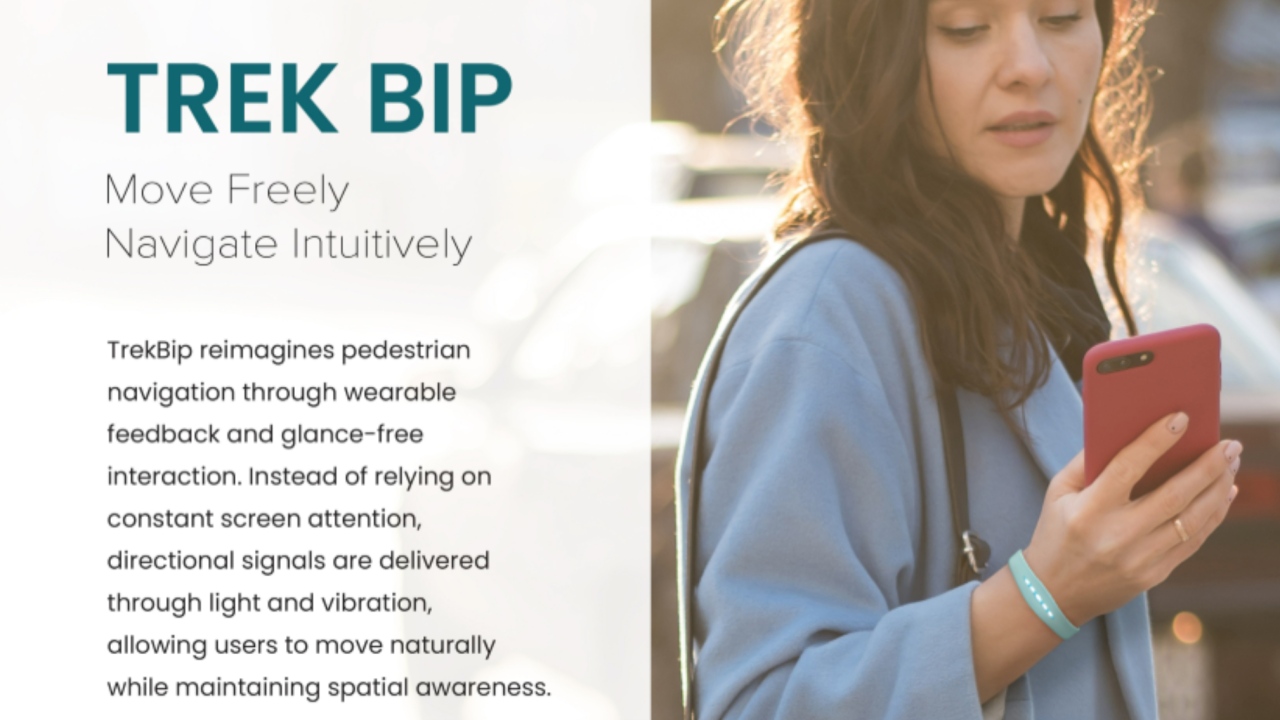
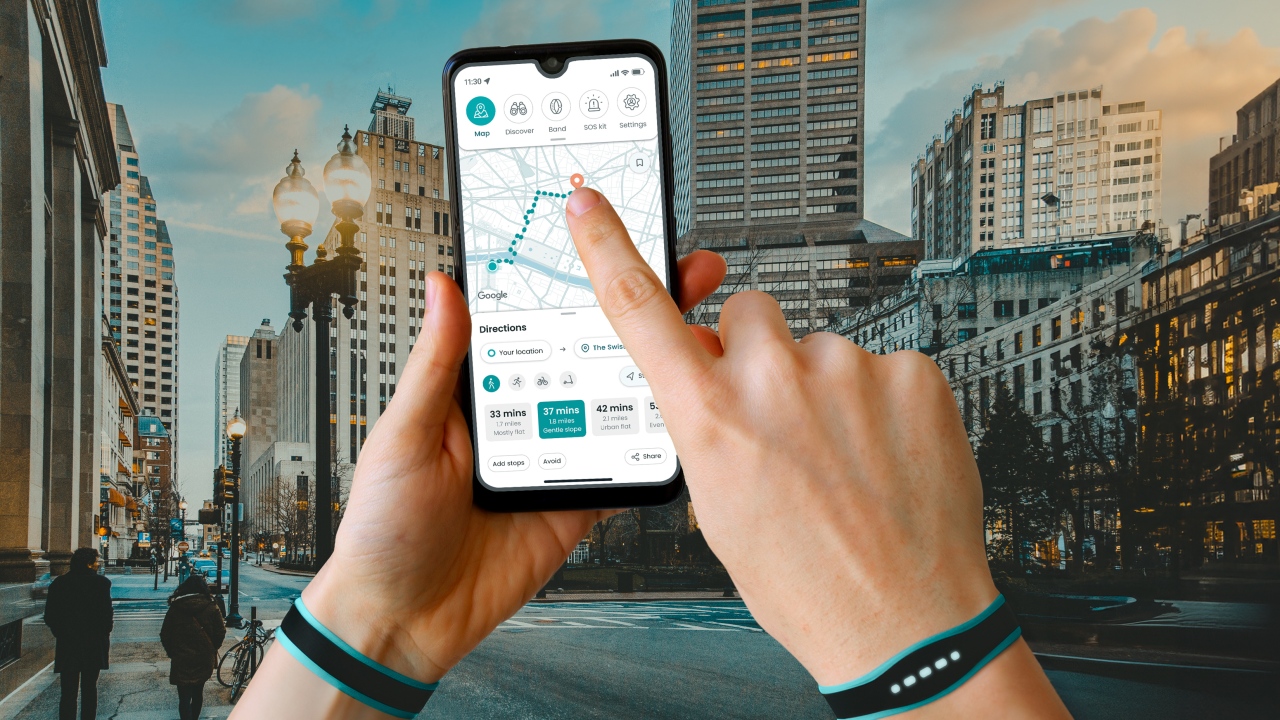
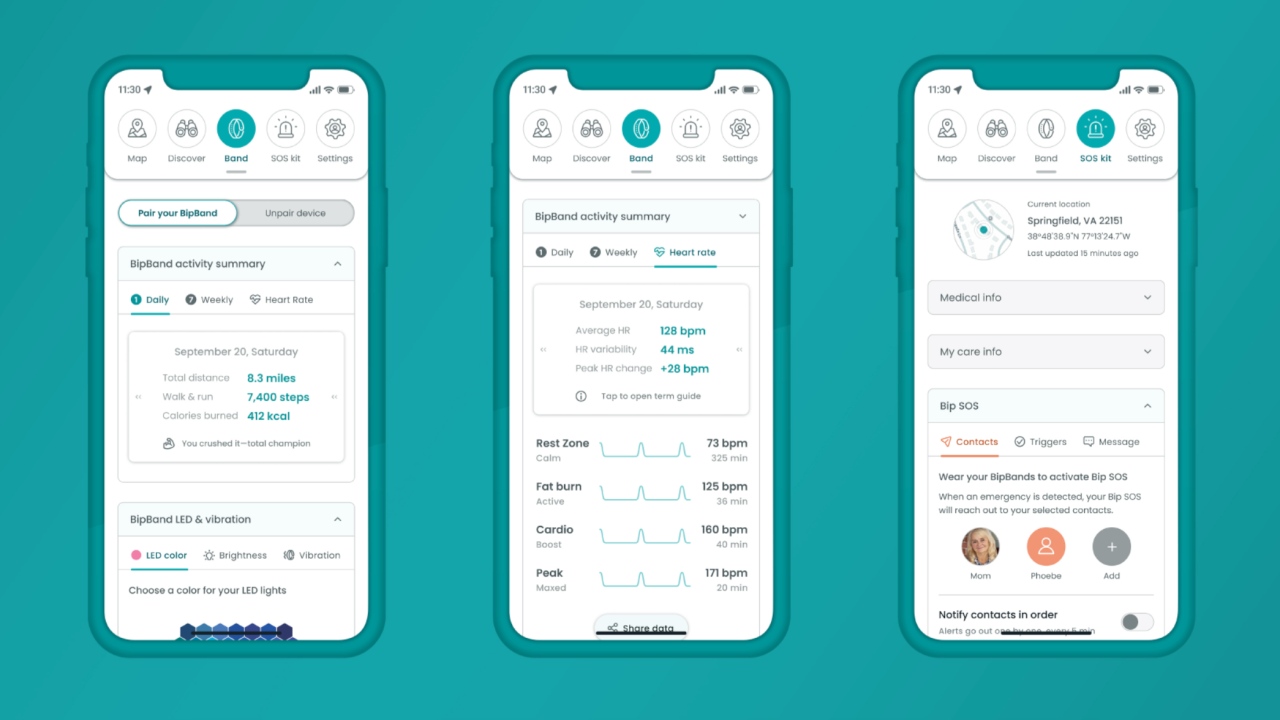
TrekBip is a conceptual navigation system designed for pedestrians and micromobility users who move through...

Gawon Lee is a Virginia-based graphic designer whose practice spans social media campaigns, information design, and visual storytelling. Guided by research and thoughtful problem-solving, she transforms complex ideas into clear, accessible visual experiences that connect with people.
I'm Gawon Lee, a graphic designer based in Virginia, United States. My work focuses on social media campaigns, information design, and visual storytelling. I originally studied painting — and what pulled me into design was the power of turning abstract ideas into a communicable language that creates genuine connection. That's still what keeps me in it.
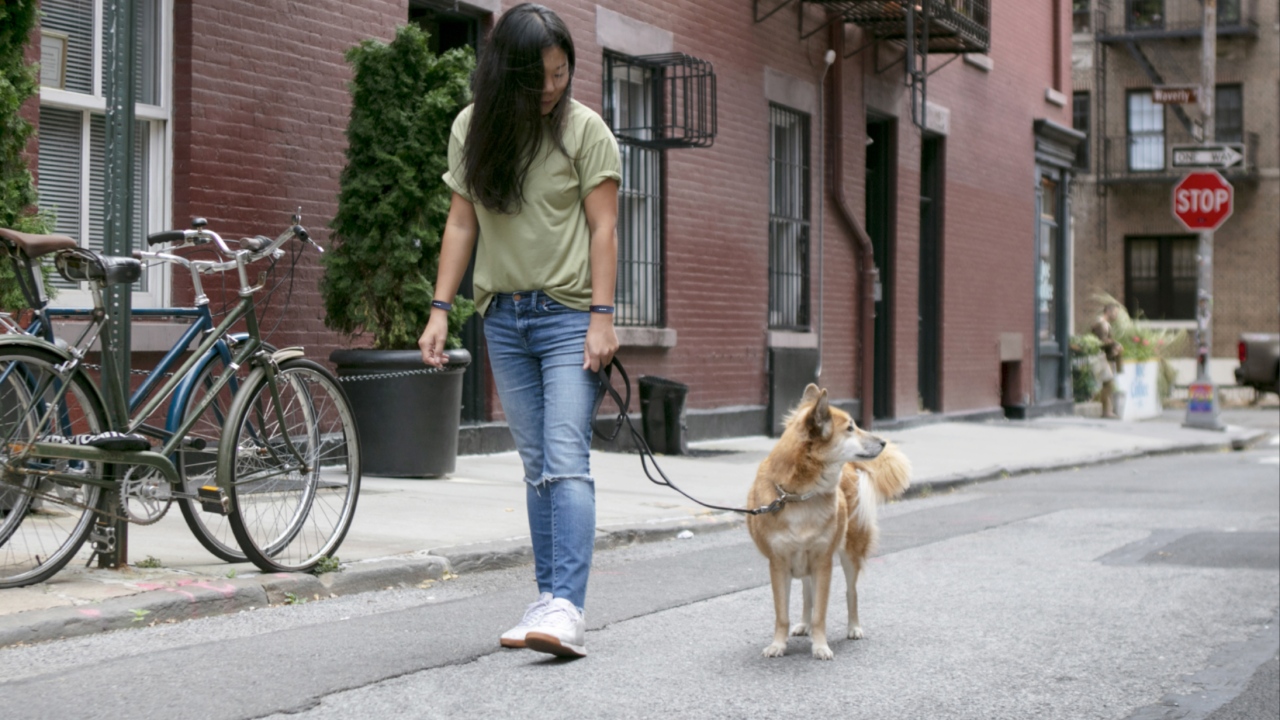
TrekBip started as a UI/UX class assignment in school. I have a terrible sense of direction — I'd get lost holding my phone in Baltimore, Manhattan, D.C. Pedestrian navigation never really worked for me. The app couldn't keep up with my pace and would spin in circles. I'd be staring at the map and still miss the building. AR mode drained the battery too fast to be useful. That frustration is where TrekBip came from.
It was a solo project — about three months, mostly weekends. I'd research and develop during the week whenever I could, then focus on app design on weekends. I'm not a product or app designer by trade, so this project meant a lot to me. It was genuinely fun. Winning is a huge honour, and I'm grateful to the judges. More than anything, it gave me real confidence that I can take on anything.
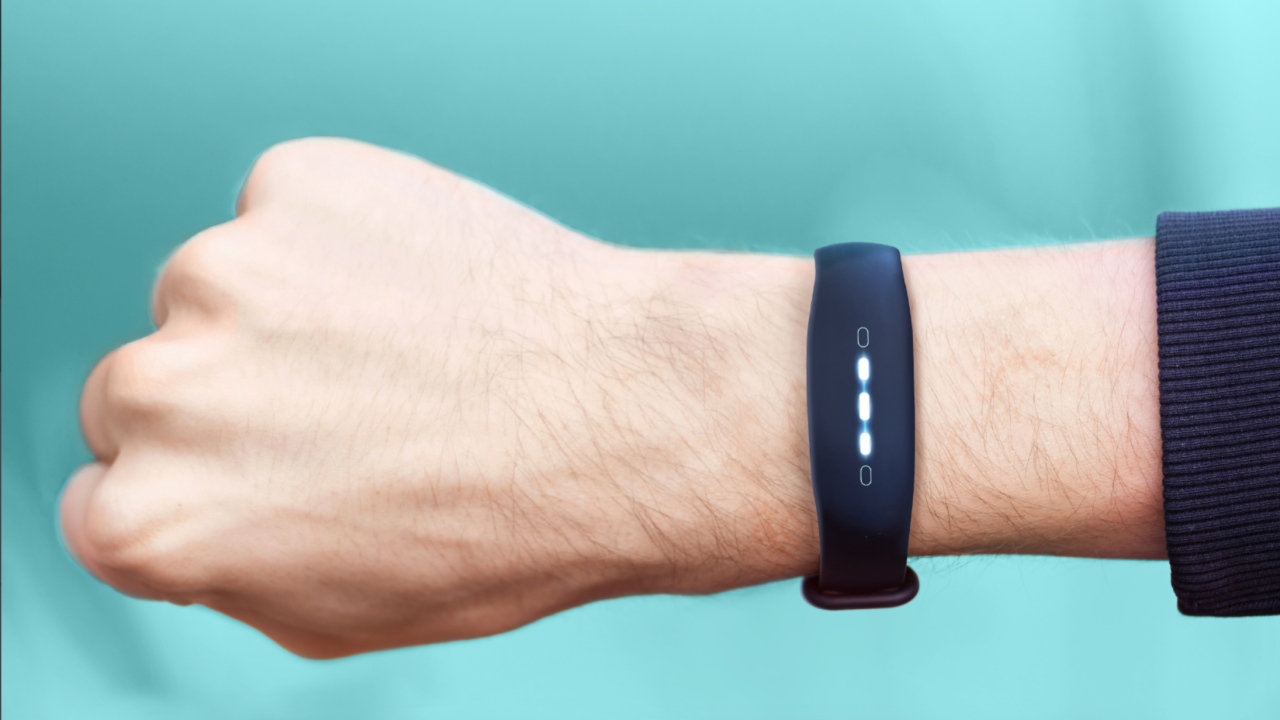
After heavy research, once the ideas settle, the next direction usually becomes clear. For TrekBip, the inspiration was children's light-up shoes. That led to the wristband. It needed to be light, low-power, and usable in bright sunlight — which is why vibration became essential too. There are already many advanced wearables on the market. I thought: add just a bit more user consideration on top of what exists, and it becomes the perfect tool for people like me, or anyone who moves actively.
I didn't look for unusual sources — my goal was to take what already exists and make it more usable. What I applied to the wearable, conceptually, was Morse code. A system of agreed signals delivered through light and vibration, so pedestrians can look ahead, feel the breeze, read street signs, and find their way without staring at a screen. The technology exists. The only real barrier is the learning curve.
So I thought about how games handle difficulty levels — you start easy, it's fun, you get quests, and before you know it, you're hooked. At level zero, users can already understand basic signals. As they level up, they gain more. Once fully fluent, they can receive any message through sensation alone — no display needed. Perfect privacy, eyes and ears free, low power consumption. Useful outdoors on a bike, or discreetly in a meeting. The one consideration: advanced haptic settings to protect wrist health.
Most of the work is invisible. What people see — the screens — is the last 10%. Before that comes research, failed prototypes, scenario mapping, and architecture decisions. The visible output looks simple because the invisible work was thorough. App design was only a part of this project. Ninety percent of it was imagination — figuring out how to bring technology and product together.
For four years after graduation, I worked in the beauty industry on packaging and display design. The challenge was always the same: design versus information overload. Clients always wanted to fit every single product detail into that limited space. My job was to find the right balance and set the standard. That's when I learned what it really means to design information, and to always ask: what would I want if I were the buyer?
When I'd present ten ideas, clients would pick one or two like they were shopping. That taught me not to share raw ideas indiscriminately. I refine and edit before anything goes out. Throwing half-formed ideas around is irresponsible. My philosophy: compress and shape ideas until only the ones worth presenting remain. Design isn't fine art — it's everyone's time and effort, and none of it should be wasted.
Time was the biggest challenge. Three months was the maximum, and I gave up my weekends for it. There's a lot I couldn't develop as deeply as I wanted — especially the wearable hardware logic and how to best express the feedback system. That's my main regret.
A dessert looks one way in the display case, different when you get home and open the container, and different again the next day after it's been in the fridge. The same work changes when you return to it fresh. Solutions I couldn't see yesterday appear today.
So when I'm stuck, I close it and come back with a clear head. It works the same way when I write or paint. You don't have to go for a walk or get sunlight — sometimes just switching to something else entirely and returning later is enough.
As I mentioned, I have a genuinely terrible sense of direction. On unfamiliar routes, navigation only gets me halfway there. I get lost regardless. Because I lack that spatial sense, I notice pain points constantly — in products, in services, in everyday life. The city bike has nowhere to put a water bottle or secure a bag.
The fob key that came as a sticker I could put on my phone — such a small thing, but so much better. Those everyday frustrations become the standard I use to evaluate my own work objectively. I'm always asking: where will viewers get confused, and what will make them stop for even one more second?
There's one thing you can't understand as a junior. It's hard to see what actually separates you from senior designers when you're starting out. Skill doesn't grow in a straight line — it's an endless series of small steps, and sometimes you slip back down.
The only answer is consistency: diverse experience, one honest step at a time. Taking the elevator to the top means you never build the muscle that comes from climbing the stairs. The only real skill is the kind built from effort accumulated over time.
More than any famous designer, I'd want to collaborate again with the professors who shaped me in school. Back then, I was just a student trying to keep up — taking notes, completing assignments.
Now, having worked in industry and grown into a mid-level designer, I'd want to revisit those same projects. Not to listen, but to lead — to bring new directions, push back, argue for better solutions. The challenges that felt so enormous then — I think about how differently, and how joyfully, I'd approach them now.
The question I'd want someone to ask: "Isn't TrekBip just a combination of things that already exist?"
Yes. The ideas exist. The technology exists. Navigation has already peaked. Even the combination isn't new. I gathered the features that people like me — those with a poor sense of direction — actually need. But I think that's exactly what design is — not creation, but reorganisation.
Making technology more accessible, more intuitive, more useful. Design is a language built for communication. To me, creativity means making something clear enough to understand immediately and useful enough that the pain points shrink over time. Good design doesn't end at launch. It ages alongside its users.
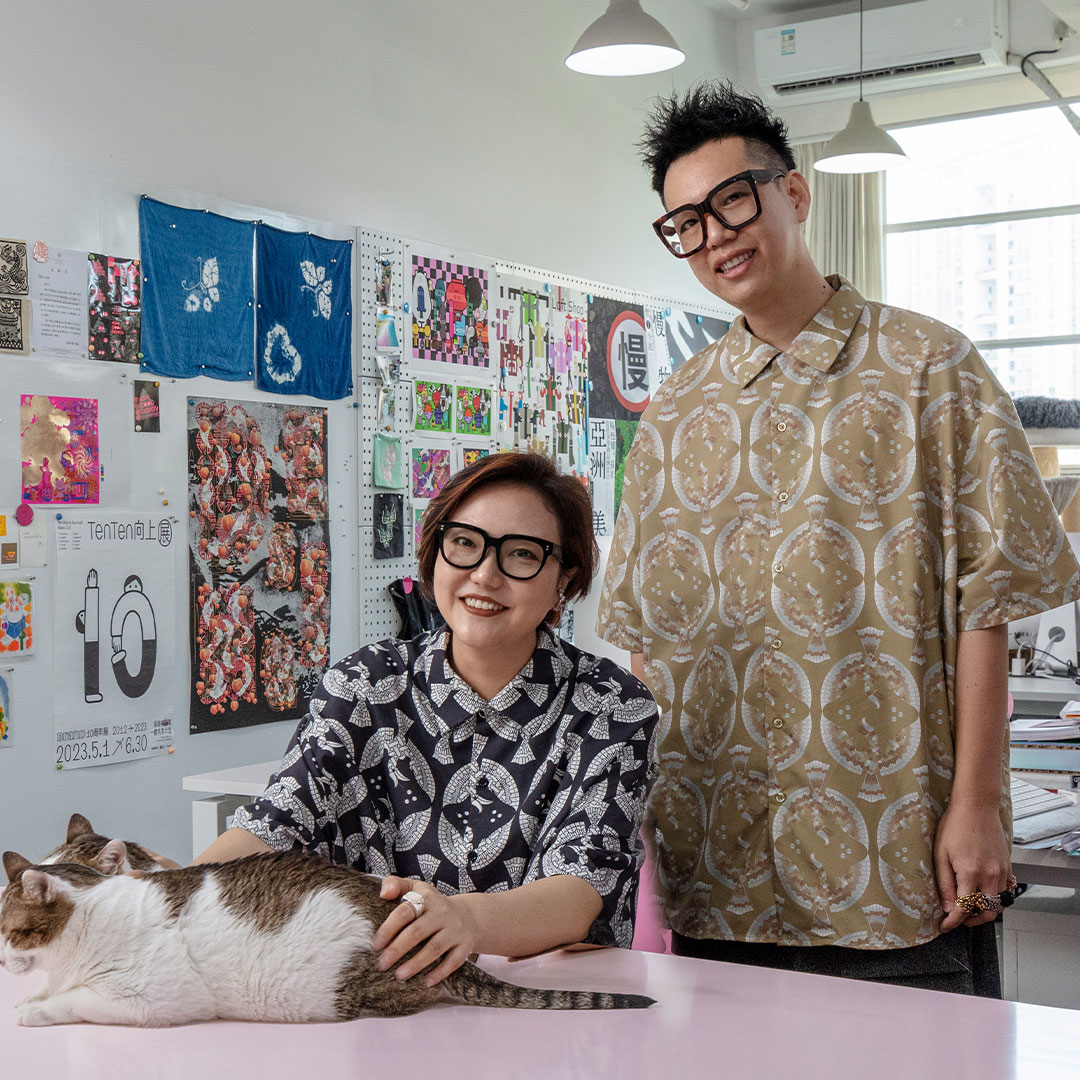
Discover When Space Speaks Quietly: Wen Yi-Jou & Dong Yi-Liang Rethinks Interior Design through their winner's interview featured in this link here.