Outstanding Technical Innovation
Abdul Jabbar led the design and deployment of a Cloud-Based Workforce Integration Framework that revolutionized...

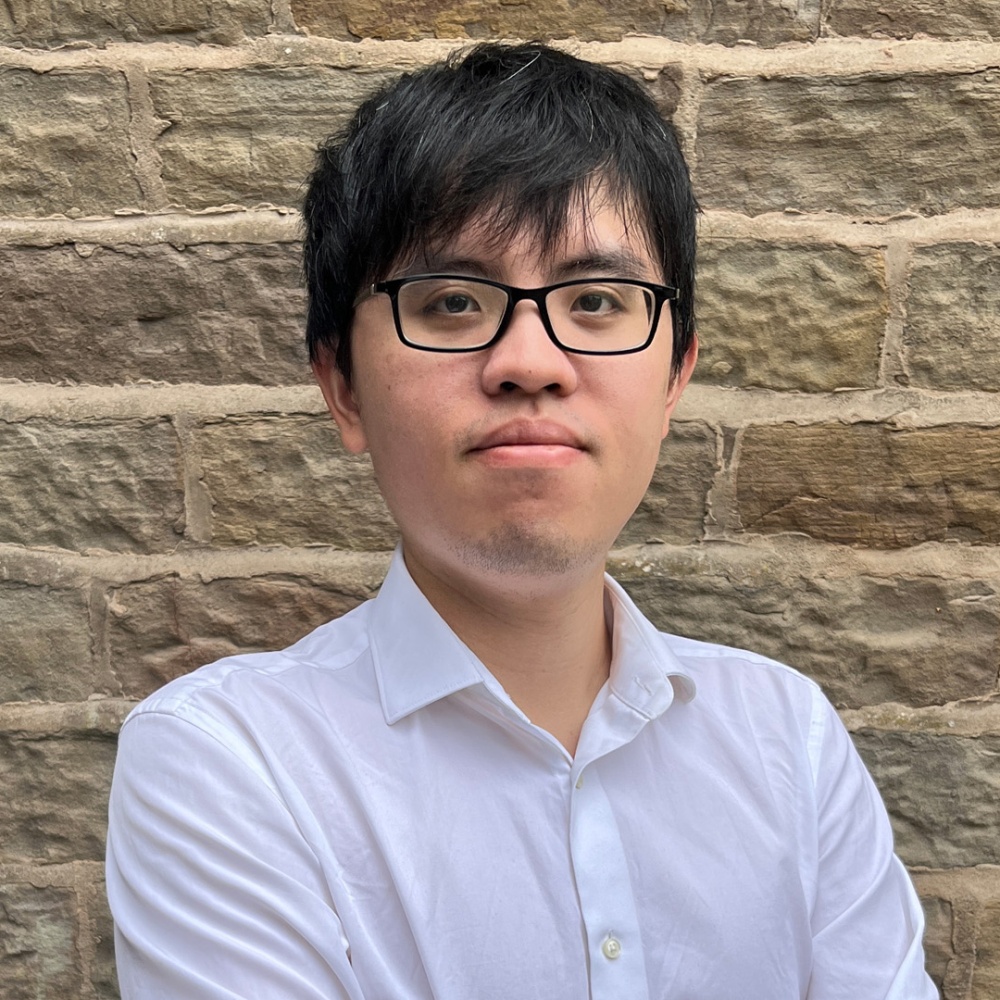
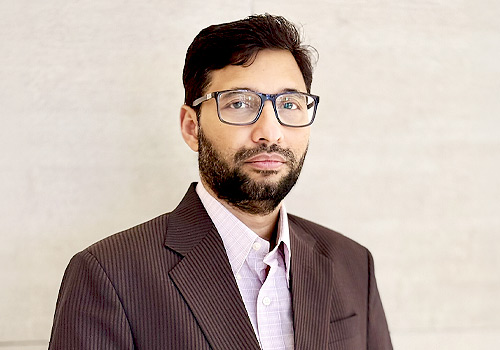
Abdul Jabbar Mohammad is a UKG Senior Solution Consultant with extensive experience delivering workforce management solutions for Fortune 500 organizations across multiple industries. Drawing on expertise in UKG Pro WFM, Boomi integrations, and enterprise architecture, he focuses on creating efficient, connected systems that improve operational performance and business outcomes.
Thank you. I am Abdul Jabbar Mohammad, a UKG Senior Solution Consultant specializing in workforce management solutions, particularly UKG Pro WFM and Boomi integrations. I bring over 20 years of IT experience, including 17+ years in Kronos/UKG technologies, working with leading global organizations such as General Motors, IBM, GE, Nokia, and other Fortune 500 companies.
Currently, I work with Metanoia Solutions Inc., where I lead end-to-end implementations, upgrades, and integrations of workforce management systems. My role involves designing scalable solutions, developing custom integrations using Dell Boomi, and ensuring seamless data flow between HR, payroll, and enterprise systems. I also focus on optimizing timekeeping, attendance, and payroll processes to improve operational efficiency and compliance.
My background combines strong technical expertise with solution architecture and project management, supported by certifications in UKG Pro, Boomi, PMP, and Oracle DBA. Over the years, I have been passionate about delivering innovative workforce solutions that help organizations streamline operations, enhance employee experience, and achieve measurable business outcomes.
My primary motivation has always been to solve complex workforce management challenges and help organizations operate more efficiently through technology. Working across multiple large-scale enterprises, I consistently observed gaps in integration, data flow, and process automation within workforce management systems. This inspired me to design and implement solutions that not only streamline operations but also improve accuracy, compliance, and user experience.
In my current role, I have focused on building scalable UKG Pro WFM solutions and robust Boomi integrations that connect HR, payroll, and external systems seamlessly. The goal has been to reduce manual effort, eliminate data inconsistencies, and enable real-time insights for better decision-making.
These efforts align closely with both my personal goal of driving innovation through practical, high-impact solutions and my organization’s objective of delivering efficient, reliable, and future-ready workforce technology solutions to clients.
Additionally, my approach has always been centered on continuous improvement—whether through optimizing existing integrations, introducing automation, or developing tools that simplify complex processes. This alignment between personal passion for problem-solving and the company’s focus on delivering value-driven solutions has been a key factor in achieving meaningful and measurable outcomes.
The core of my work focuses on modernizing workforce management systems by combining UKG Pro WFM capabilities with advanced integration frameworks using Dell Boomi to create a highly connected and scalable enterprise ecosystem. One of the key advancements was designing end-to-end integration architectures that seamlessly connect HR systems, payroll platforms, data lakes, and external APIs, ensuring real-time and accurate data flow across the organization.
A major innovation involved developing custom Boomi integration processes and reusable templates for critical functions such as employee data synchronization, payroll processing, attendance tracking, and schedule management. These integrations were designed with security-first principles, incorporating encryption, secure file transfers, and OAuth-based API authentication to ensure compliance with enterprise and regulatory standards.
Another important aspect was leveraging DataHub and data lake integrations, enabling organizations to extract and transform workforce data into meaningful insights. This allowed downstream systems such as BI and analytics platforms to generate reports on employee productivity, absence trends, labor costs, and operational efficiency, supporting data-driven decision-making.
Additionally, I introduced automation and optimization techniques within workforce processes, including automated workflows for timekeeping, accrual calculations, and exception handling. These solutions reduced manual intervention, improved accuracy, and significantly enhanced system performance and scalability.
From a solution architecture perspective, I focused on flexible and modular designs that support upgrades, greenfield implementations, and complex enterprise environments, including those with union rules and compliance requirements. By combining deep domain expertise with modern integration technologies, the solution delivers a robust, scalable, and future-ready workforce management ecosystem that aligns with evolving business needs.
My expertise and leadership played a critical role in ensuring the successful delivery of this initiative by bridging the gap between business requirements and technical implementation. With deep experience in UKG Pro WFM, integrations, and enterprise workforce systems, I was able to guide the project from initial discovery through design, development, testing, and final rollout.
From a leadership perspective, I was responsible for driving end-to-end solution architecture, ensuring that all components—timekeeping, attendance, payroll integrations, and data flows—were aligned with business objectives and compliance requirements. I led requirement gathering sessions with stakeholders, translated complex business needs into scalable technical solutions, and ensured that best practices were followed throughout the implementation lifecycle.
I also played a key role in designing and optimizing Boomi integrations, troubleshooting complex issues, and ensuring seamless data exchange across systems. By proactively identifying risks, resolving bottlenecks, and optimizing performance, I helped maintain project timelines and ensure high system reliability.
Additionally, I supported cross-functional collaboration, working closely with business users, HR teams, payroll teams, and technical teams to ensure alignment and smooth execution. I provided guidance during testing phases (SIT/UAT), handled critical production issues, and ensured a stable go-live with minimal disruption.
Overall, my combination of technical expertise, problem-solving ability, and leadership in coordinating teams and stakeholders contributed significantly to delivering a robust, scalable, and high-impact workforce management solution.
The innovation addresses a critical challenge faced by many large organizations: fragmented workforce management systems and inefficient data integration between HR, payroll, and operational platforms. In traditional environments, these systems often operate in silos, leading to manual data handling, inconsistencies, delayed processing, and compliance risks—especially in complex environments with union rules and multi-location operations.
To solve this, I designed and implemented integrated workforce management solutions using UKG Pro WFM combined with Dell Boomi-based integration frameworks. This approach enables seamless, automated data exchange across systems, eliminating the need for manual intervention and significantly reducing errors.
The solution improves existing processes in several key ways:
Overall, the innovation transforms workforce management from a fragmented, manual process into a streamlined, automated, and data-driven ecosystem, improving operational efficiency, reducing risks, and enabling organizations to make faster and more informed decisions.
The innovation stands out due to its ability to combine deep domain expertise in workforce management with modern integration and automation technologies, creating a highly efficient and scalable solution for enterprise environments.
One of the key features is the end-to-end integration architecture using Dell Boomi, which enables seamless connectivity between UKG Pro WFM, payroll systems, HR platforms, and external APIs. These integrations are designed as reusable, modular components, allowing faster implementation, easier maintenance, and scalability across multiple business units.
Another distinguishing aspect is the focus on automation and intelligent workflows. By automating timekeeping, attendance tracking, accrual calculations, and payroll data processing, the solution significantly reduces manual effort and minimizes errors. This not only improves operational efficiency but also enhances compliance with complex labor rules and policies.
The innovation also incorporates advanced data handling through DataHub and data lake integrations, enabling organizations to transform workforce data into actionable insights. This supports real-time reporting, trend analysis, and data-driven decision-making across HR and business operations.
A strong emphasis on security and compliance further sets the solution apart. Features such as secure file transfers, encryption, OAuth-based API authentication, and controlled access ensure that sensitive workforce data is protected and aligned with enterprise and regulatory standards.
Additionally, the solution is designed with flexibility and adaptability in mind, supporting upgrades, greenfield implementations, and complex enterprise scenarios, including unionized environments and multi-location operations.
Overall, the combination of integration, automation, scalability, security, and real-time analytics makes this innovation a robust and future-ready solution that significantly enhances workforce management capabilities.
The success of this initiative was made possible through strong collaboration and support from both my organization and cross-functional teams. My company, Metanoia Solutions Inc., provided an environment that encourages innovation, client-focused problem solving, and the adoption of modern technologies, which played a key role in enabling me to design and implement these solutions effectively.
The project involved close coordination with business stakeholders, HR teams, payroll teams, and technical teams, all of whom contributed valuable insights into real-world challenges and requirements. Their input was critical in shaping solutions that were not only technically sound but also aligned with business needs and compliance standards.
My team played an important role in development, testing, and deployment activities, including building integrations, validating data flows, and ensuring system stability during rollout. Through Agile collaboration, regular discussions, and continuous feedback, we were able to refine the solution and address challenges proactively.
Additionally, the support from leadership and management helped ensure timely decision-making, resource availability, and alignment with project goals, which was essential for successful execution. The collective effort of the team, combined with a shared commitment to quality and innovation, enabled us to deliver a scalable and impactful workforce management solution.
Overall, this achievement reflects not just individual effort but a collaborative team environment that fosters innovation, accountability, and continuous improvement.
One of the primary challenges during the development phase was dealing with complex integrations across multiple enterprise systems, including HR, payroll, and external platforms, each with different data formats, protocols, and dependencies. Ensuring seamless and accurate data flow while maintaining system performance and security required careful planning and execution.
Another major challenge was handling large-scale implementations with diverse business rules, especially in environments with union regulations, compliance requirements, and multi-location operations. These scenarios often involved intricate configurations for timekeeping, attendance, and payroll, where even minor inconsistencies could lead to significant operational issues.
Additionally, managing tight timelines and coordinating across cross-functional teams posed challenges, particularly during critical phases such as testing (SIT/UAT) and production rollout. Identifying and resolving issues quickly while ensuring minimal disruption to business operations was essential.
To overcome these challenges, I leveraged my strong problem-solving skills and deep technical expertise in UKG and integration technologies. I focused on breaking down complex problems into manageable components, designing modular and reusable solutions, and proactively identifying potential risks early in the process.
My communication and stakeholder management skills also played a crucial role. By maintaining clear and consistent communication with business users, technical teams, and leadership, I ensured alignment and quick decision-making. During testing and rollout phases, I actively collaborated with teams to troubleshoot issues, implement fixes, and stabilize the system.
Furthermore, my experience with Agile methodologies and continuous improvement practices helped in adapting to changing requirements and refining solutions iteratively. This combination of technical expertise, structured problem-solving, and collaborative leadership enabled me to successfully navigate challenges and deliver a high-quality, reliable solution.
I hope this innovation will contribute to transforming how organizations approach workforce management by shifting from fragmented, manual processes to fully integrated, automated, and data-driven systems. By demonstrating the value of seamless integration between HR, payroll, and operational platforms, the solution can serve as a model for improving efficiency, accuracy, and scalability across industries.
For organizations, especially those with complex workforce structures, I aim to enable better decision-making through real-time insights and reliable data, while reducing administrative overhead and compliance risks. This can lead to improved employee experience, optimized labor costs, and more agile business operations.
From an industry perspective, I hope this work encourages broader adoption of modern integration frameworks, cloud-based workforce solutions, and automation practices, helping organizations stay competitive in an increasingly digital landscape. It also highlights the importance of combining domain expertise with technology innovation to solve real-world business challenges effectively.
Ultimately, my goal is to contribute to building future-ready workforce ecosystems that are scalable, secure, and adaptable, empowering organizations to respond quickly to evolving business needs while maintaining operational excellence.
Winning this award is a meaningful recognition of my vision to drive practical, impactful innovation through technology, particularly in the area of workforce management and enterprise integrations. My approach has always been focused on leveraging technology not just for modernization, but for creating tangible business value through automation, scalability, and data-driven decision-making.
This recognition reinforces my belief that the future of technology lies in building connected, intelligent systems where platforms seamlessly interact, processes are automated, and organizations can respond in real time to changing demands. By integrating workforce systems with cloud technologies, APIs, and analytics platforms, I aim to contribute to a more efficient and responsive digital ecosystem.
The award also reflects my commitment to continuous learning and innovation, staying aligned with emerging technologies such as cloud computing, integration platforms, and advanced analytics. It motivates me to further explore new ways to simplify complex systems, enhance user experiences, and deliver solutions that are both robust and future-ready.
Ultimately, this recognition strengthens my vision of using technology as a strategic enabler for transformation, helping organizations evolve, innovate, and achieve sustainable growth in an increasingly digital world.
During the development process, one of the key challenges was managing complex system integrations across multiple platforms, including HR systems, payroll systems, and external APIs. Each system had its own data structures, formats, and security requirements, which made ensuring seamless and accurate data flow particularly challenging.
Another significant challenge was handling large-scale enterprise environments with diverse and evolving business rules, especially in scenarios involving union agreements, compliance regulations, and multi-location workforce operations. These complexities required precise configuration and continuous validation to avoid discrepancies in timekeeping, payroll, and reporting.
Additionally, tight delivery timelines and coordination across cross-functional teams posed challenges, particularly during critical phases like system integration testing (SIT), user acceptance testing (UAT), and production rollout. Ensuring minimal disruption to business operations while addressing defects and performance issues required careful planning and rapid response.
To overcome these challenges, I relied on my strong problem-solving skills and deep technical expertise in UKG and Boomi integrations. I adopted a structured approach by breaking down complex problems into smaller components, designing modular and reusable solutions, and implementing thorough testing strategies to identify and resolve issues early.
I also emphasized clear communication and collaboration with stakeholders and team members, ensuring alignment and quick decision-making throughout the project lifecycle. By proactively identifying risks, optimizing integration workflows, and continuously refining the solution through Agile practices, I was able to successfully deliver a stable, scalable, and high-performing system.
I believe this innovation will play a significant role in shaping the future of workforce management by accelerating the shift toward fully integrated, intelligent, and automated enterprise ecosystems. As organizations continue to grow and operate across multiple geographies, the need for seamless integration between HR, payroll, and operational systems will become even more critical.
By demonstrating how platforms like UKG Pro WFM can be effectively integrated with modern cloud technologies, APIs, and data analytics frameworks, this innovation sets a foundation for more real-time, data-driven workforce strategies. It enables organizations to move beyond traditional reporting and adopt predictive and proactive decision-making models, improving workforce planning, compliance, and overall efficiency.
Additionally, the emphasis on automation and reusable integration frameworks will help organizations reduce dependency on manual processes, lower operational costs, and improve scalability. This approach can serve as a blueprint for standardizing workforce technology implementations across industries.
From a broader perspective, I see this innovation contributing to the evolution of smart workforce ecosystems, where systems are interconnected, processes are self-optimizing, and insights are generated in real time. This will not only enhance operational performance but also improve employee experience and organizational agility.
Ultimately, my goal is to help drive the industry toward more resilient, scalable, and future-ready workforce solutions, enabling organizations to adapt quickly to changing business environments and technological advancements.
Several emerging technologies are particularly exciting to me, especially those that enhance automation, intelligence, and connectivity across enterprise systems. One of the most impactful trends is the rise of AI-driven analytics and intelligent automation, which has the potential to transform workforce management by enabling predictive insights—such as forecasting labor demand, identifying attendance patterns, and optimizing scheduling decisions.
Another key area is the continued evolution of cloud-native architectures and integration platforms (iPaaS) like Dell Boomi. These technologies are making it easier to build scalable, secure, and flexible systems that can seamlessly connect multiple enterprise applications. In my work, this directly influences how I design integration frameworks that are modular, reusable, and capable of supporting real-time data exchange.
I am also excited about advancements in API-first ecosystems and event-driven architectures, which allow systems to communicate more efficiently and respond instantly to changes. This is especially relevant in workforce management, where real-time updates between HR, payroll, and operational systems are critical.
Additionally, the growing focus on data lakes and advanced analytics platforms is enabling organizations to unlock deeper insights from workforce data. By integrating systems with these platforms, I help organizations move toward more data-driven decision-making and strategic workforce planning.
These trends influence my work by encouraging me to continuously adopt modern, scalable, and intelligent solutions that not only solve current challenges but also prepare organizations for future technological advancements.
My advice would be to focus on solving real-world problems with practical and scalable solutions, rather than just adopting new technologies for the sake of innovation. Truly transformative ideas come from a deep understanding of business challenges and the ability to align technology with meaningful outcomes.
It is also important to embrace collaboration and diverse perspectives. Engaging with stakeholders, end users, and cross-functional teams early in the process helps in building solutions that are both effective and widely adoptable. Strong communication and teamwork often make the difference between a good idea and a successful implementation.
Another key aspect is to build with flexibility and scalability in mind. Technologies and business needs evolve rapidly, so designing modular, reusable, and adaptable solutions ensures long-term success and reduces future rework.
I would also emphasize the importance of continuous learning and experimentation. Stay updated with emerging technologies, test new approaches, and be open to refining ideas based on feedback and real-world results.
Finally, resilience is critical. Challenges and setbacks are inevitable in any transformative journey. The ability to stay focused, adapt quickly, and maintain a problem-solving mindset is what ultimately drives innovation from concept to successful execution.
Start your submission to the Noble Technology Awards now by visiting the official website and signing up via this link.