
The Business of Events: Strategy, Operations, and Audience Engagement
NOVEMBER 3, 2026
MUSE Perspectives | 2027 MUSE Event Awards
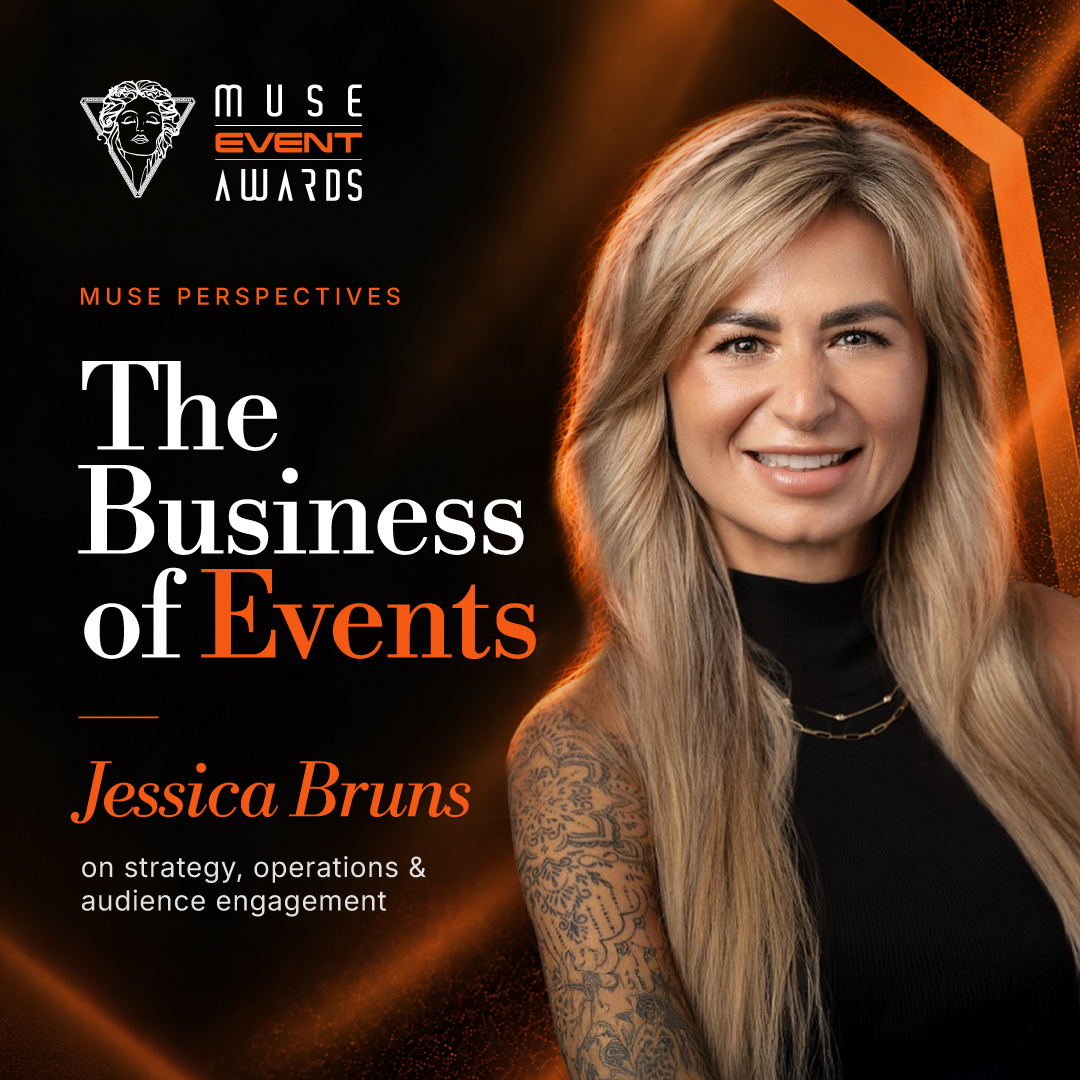
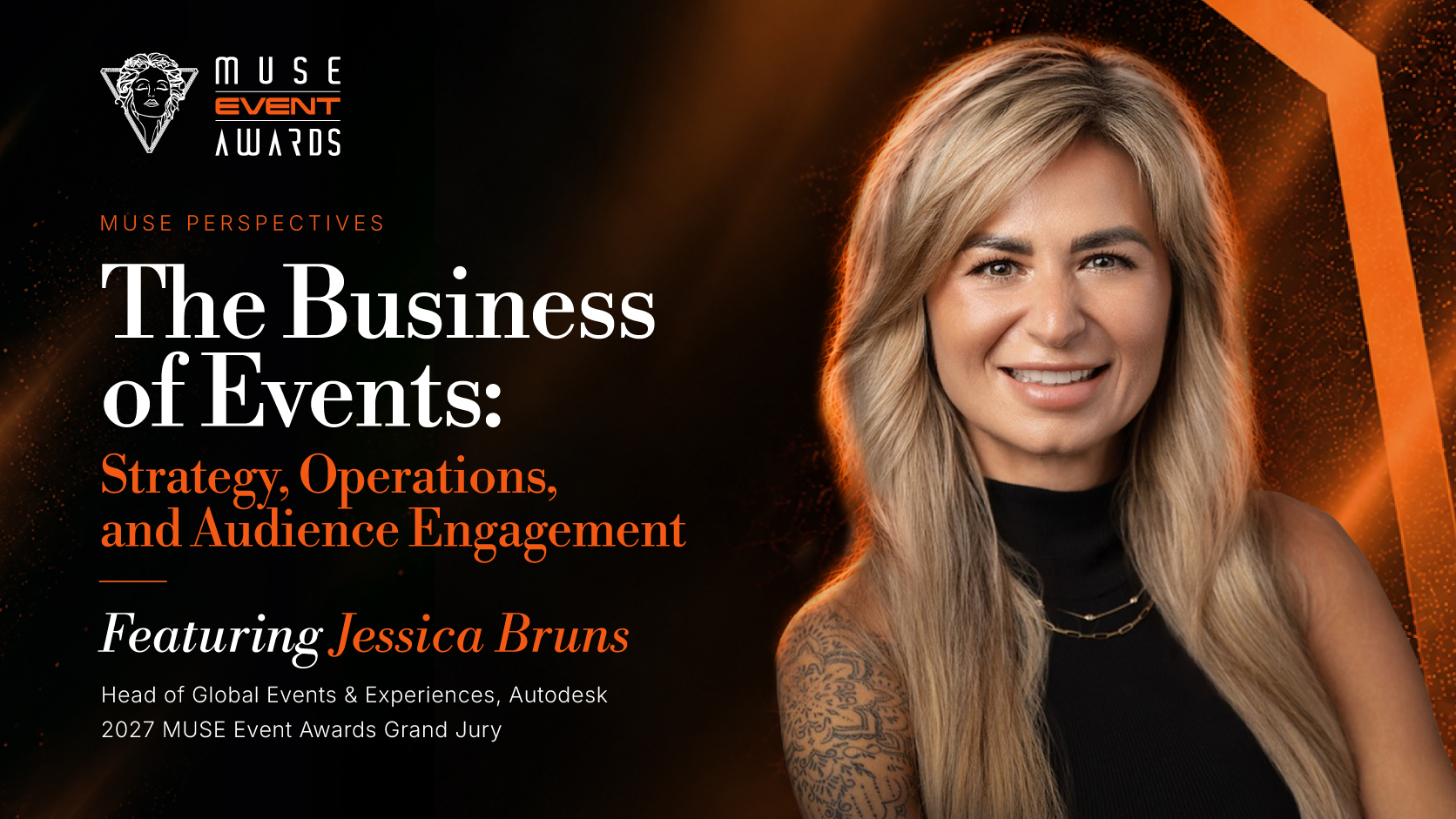
Featuring Jessica Bruns, Head of Global Events & Experiences at Autodesk and Grand Jury member of the 2027 MUSE Event Awards.
An event can be memorable without being effective. For event leaders, the greater challenge is creating experiences that connect with audiences, serve a defined business purpose, and deliver results worth examining.
An impressive venue, compelling production, and a well-executed program can make an event memorable. But for the organizations investing in these experiences, success raises another question: what did the event actually achieve?
Across corporate conferences, brand activations, and international event programs, teams are increasingly expected to connect creative ambition with business priorities. That requires more than delivering an event on schedule. It calls for strategic planning, coordinated operations, audience understanding, and credible measures of success.
These are areas closely connected to the work of Jessica Bruns, Head of Global Events & Experiences at Autodesk, who joins the inaugural 2027 MUSE Event Awards Grand Jury.
Event strategy begins with understanding what an organization wants to accomplish and what its audience needs from the experience.
A customer conference might aim to strengthen relationships, introduce products, or help attendees develop practical knowledge. An internal event may focus on alignment, professional development, or organizational culture. Each requires different decisions about content, format, interaction, and measurement.
The challenge is translating those objectives into something audiences genuinely value.
Jessica Bruns' role as Head of Global Events & Experiences at Autodesk provides a relevant professional perspective on how event strategy, audience engagement, and organizational objectives intersect. Leading global event programs requires attention to both the experience presented to audiences and the business purpose behind it.
Creative ideas may capture attention, but delivering them consistently requires strong operational foundations.
Budget planning, technology, supplier coordination, accessibility, logistics, and contingency management all influence the experience attendees ultimately receive.
For global event teams, these challenges can become more complex as programs extend across different markets, audiences, and formats.
For global event teams, effective delivery depends on the people, processes, and technologies supporting the experience. Clear responsibilities, coordinated planning, and reliable systems help translate ambitious ideas into experiences that can be delivered consistently across markets.
These subjects are particularly relevant to an industry where the contributions of operational and specialist teams are not always visible to attendees.
Industry Insights
Whether planning a corporate conference, brand activation, or large-scale production, event teams can use the following questions to examine their approach.
| Purpose | What specific outcome should this event achieve? |
| Audience | What will attendees gain that justifies their participation? |
| Strategy | How does the format support the intended outcome? |
| Operations | What needs to work behind the scenes for the experience to succeed? |
| Results | What evidence will demonstrate that the objectives were met? |
These questions are not a substitute for a complete event strategy. They offer a practical starting point for connecting planning decisions with the value an event is intended to deliver.
This relationship between purpose, execution, and results is also central to the 2027 MUSE Event Awards.
As the 2027 MUSE Event Awards welcomes its inaugural Grand Jury, Jessica joins an international panel of professionals representing expertise across events, brand experiences, production, design, technology, and related disciplines.
The awards recognize not only complete events but also the specialist achievements, organizations, and professionals responsible for bringing them to life.
Eligible entries are evaluated independently against five official criteria: Purpose & Relevance, Strategy & Approach, Execution & Quality, Distinction & Excellence, and Results & Impact.
Jessica's professional background in global events and experiences brings a relevant perspective to this multidisciplinary judging framework.
For the wider events community, her appointment also reflects an important part of MUSE's purpose: recognizing the thinking, coordination, and professional expertise behind achievements that audiences experience.
Explore the 2027 MUSE Event Awards
Related Reading
MUSE Expands Its Global Legacy with the Launch of the 2027 MUSE Event Awards
Discover the launch of the 2027 MUSE Event Awards, its international Grand Jury, and the global recognition opportunities introduced for the events and experiences industry.