Empowering 30,000+ Learners Through Accessible, Tech-Enabled Compliance Training
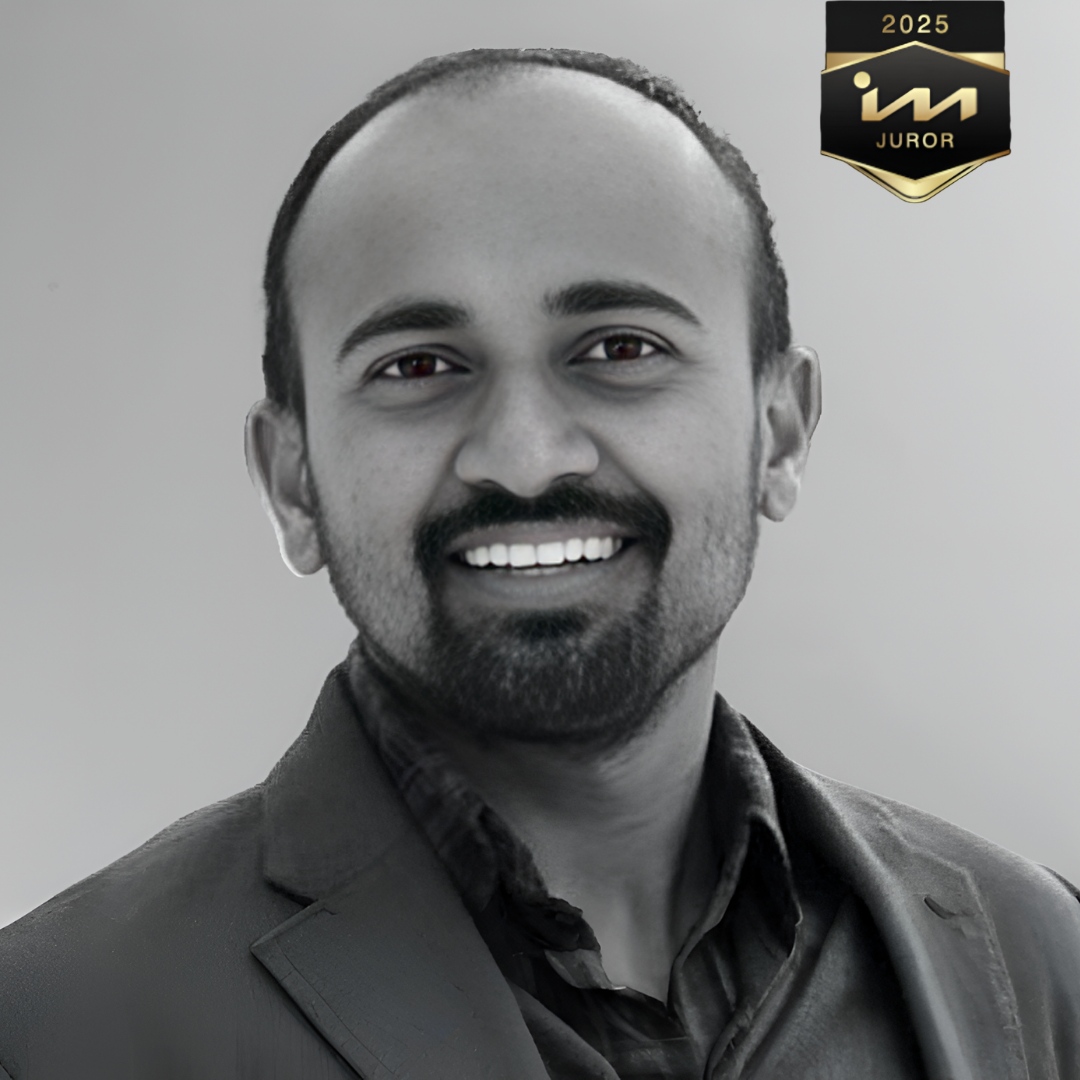
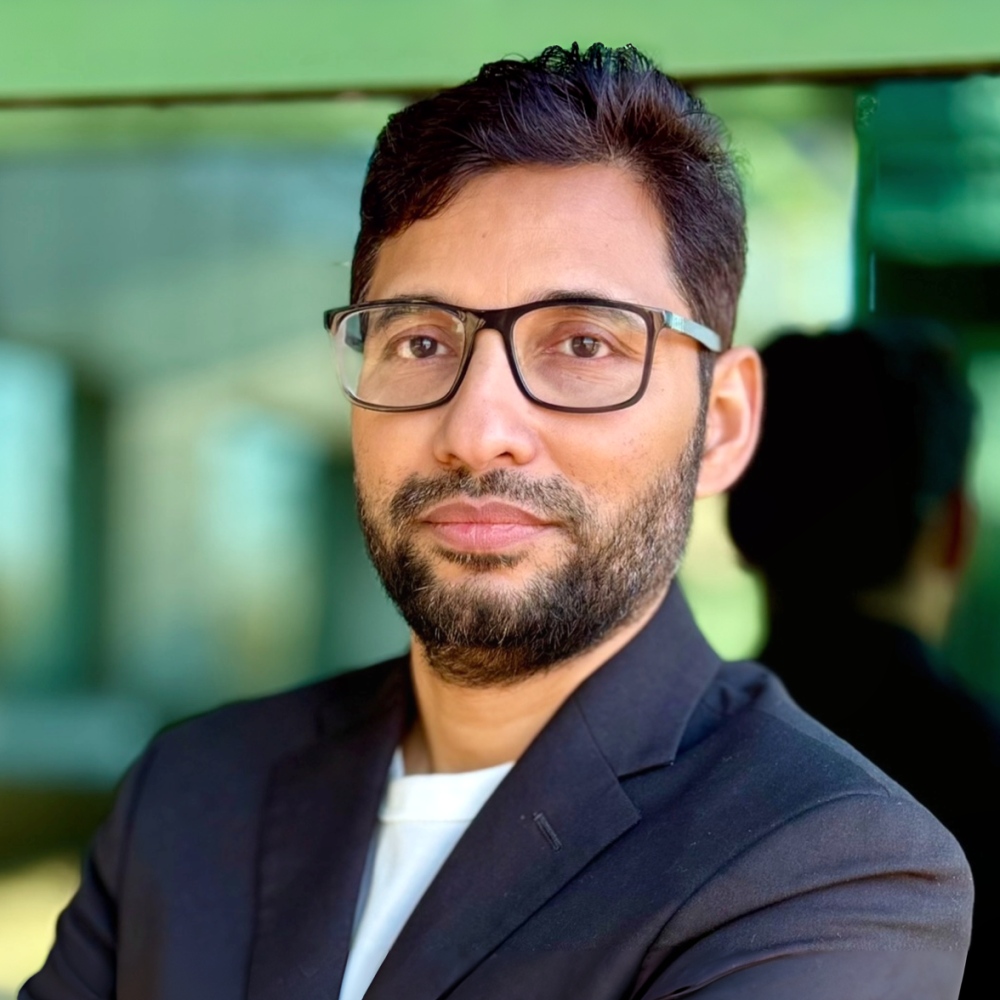
Karthik Raghuraman serves as a Digital Learning Lead at Cognizant, a Fortune 200 global IT...

As Global Digital Learning Lead at Cognizant, Karthik Raghuraman leads large-scale learning transformation initiatives across pharmaceuticals and healthcare. His work sits at the intersection of instructional design, user experience, and digital engineering, enabling compliant, multilingual, and data-informed learning programs that operate effectively at global scale.
I’m Karthik Raghuraman, a Global Digital Learning Lead at Cognizant, a Fortune 200 IT services and consulting company that partners with enterprises worldwide to modernize technology and deliver digital transformation at scale.
In my current role, I lead the design and implementation of enterprise-wide digital learning strategies that empower global workforces across highly regulated sectors such as pharmaceuticals and healthcare. My focus lies in transforming complex learning ecosystems into scalable, automated, and accessible digital experiences.
Over the past 18 years, I’ve driven major learning modernization initiatives introducing localization frameworks, accessibility-first design, analytics dashboards, and cost-optimized delivery systems that have improved learner engagement and reduced development and support costs across multiple global programs.
At Cognizant, innovation is at the heart of what we do, helping organizations stay future-ready through human-centered technology and data-driven insights. Within that mission, my role bridges instructional design, user experience, and digital engineering to redefine how learning happens at scale and to ensure it aligns with global compliance, inclusivity, and performance excellence.
When I first learned about the win, I felt a deep sense of gratitude and validation. This recognition is more than just a personal milestone; it reflects the collective effort of every collaborator, designer, engineer, and learner who believed in transforming how digital learning can be delivered at scale.
Professionally, the award affirms that innovation, accessibility, and human-centered design truly matter, especially in enterprise learning environments where compliance and creativity rarely intersect. Personally, it’s a reminder that impact is born when technology serves people first.
Winning a TITAN Award for Achievement in Digital Transformation reinforces my lifelong commitment to reimagining learning experiences that are not only scalable and data-driven but also inclusive and meaningful. It energizes me to continue pushing boundaries, bridging technology, empathy, and measurable business value to redefine what global learning excellence can look like.
What inspired me to submit this entry was the transformational impact we witnessed both for the organization and the learners we served. The project wasn’t just about implementing a new system; it was about redefining how learning can be inclusive, intelligent, and truly global. When a solution improves accessibility for thousands, reduces costs significantly, and enhances learner engagement worldwide, it deserves to be shared as a model for others to build upon.
I felt confident in the submission because it embodied innovation with measurable results. Our initiative achieved:
1. A 22% reduction in development costs through a reusable localization framework.
2. A 20% improvement in training effectiveness and 15% rise in engagement through user-first design.
3. Full WCAG 2.1 Level AA accessibility compliance, ensuring equitable learning for all.
Beyond the numbers, what made it stand out was its fusion of empathy and engineering, a rare combination in compliance training. It demonstrated that technology-driven learning can still be deeply human, and that was the story I wanted the judges to see.
A defining turning point in my career came in early 2024, when I was entrusted with transforming a global compliance training program for a major pharmaceutical client. The challenge was immense, delivering consistent, multilingual, and fully accessible training to over 30,000 employees across 170 countries, all while meeting stringent regulatory and accessibility standards.
That moment pushed me beyond traditional learning design into the world of digital transformation, automation, and user experience innovation. It required bridging diverse teams of technology engineers, instructional designers, localization experts, and compliance leaders to create a unified, scalable solution.
What emerged was a breakthrough framework that combined AI-assisted localization, bandwidth-aware content delivery, and real-time analytics, reducing costs by 22%, cutting support tickets by 23%, and improving engagement by 15%. Seeing the tangible human and business impact of that work reshaped my philosophy: that learning, when powered by empathy and engineered for inclusivity, can transform not just performance metrics but people’s confidence to grow.
That project became the foundation for the TITAN Award-winning achievement and the moment I truly understood that digital transformation begins with human transformation.
Yes, the journey was far from easy. The biggest obstacle lay in balancing global scale, accessibility, and regulatory compliance within an extremely tight timeline. We needed to deliver a consistent learning experience to tens of thousands of employees across 170 countries, many working in low-bandwidth regions and diverse language environments.
At first, every localization cycle felt like starting from scratch. The process was slow, costly, and fragmented. Additionally, ensuring WCAG 2.1 Level AA accessibility for all modules including screen-reader compatibility and adaptive visuals was a massive technical hurdle.
We overcame these challenges by rethinking the entire learning ecosystem from the ground up. My team and I built a reusable localization and authoring framework, enabling parallel content creation in 18 languages. We integrated smart bandwidth detection to ensure seamless content delivery in low-connectivity areas. Most importantly, we cultivated a collaborative culture that united designers, engineers, and compliance experts under one shared purpose of equitable access to learning.
The result was not only a smoother rollout but a measurable transformation: 22% lower costs, 23% fewer support tickets, and a 20% improvement in training effectiveness. Every obstacle ultimately became an innovation opportunity proving that with the right mindset, constraints can drive creativity and impact.
Winning this award is both a validation and a responsibility. It’s a reminder that digital transformation succeeds only when it’s human-centered, inclusive, and scalable. I plan to leverage this recognition to amplify that message within Cognizant and across the broader learning and development community.
Professionally, this milestone will help expand the adoption of our data-driven, accessibility-first frameworks across other enterprise programs, proving that learning innovation can be both cost-efficient and deeply impactful. I intend to share our methods and outcomes through industry panels, thought-leadership publications, and mentoring networks, encouraging organizations to embrace empathy, analytics, and automation as pillars of learning excellence.
On a personal level, I hope this recognition inspires others in the digital learning field to see that every technical solution is also a human story, one that can empower thousands to learn, grow, and thrive. If this achievement can spark even a few leaders to rethink how they design for inclusivity and scale, then the real impact of this award will have only just begun.
The greatest benefit of participating in competitions like this is the reflection it inspires. Preparing an entry forces you to pause, analyze your journey, and translate outcomes into meaningful impact stories. It’s a powerful exercise in self-awareness, understanding not just what you achieved, but why it mattered.
Platforms like the MUSE and TITAN Awards also create a unique opportunity for knowledge exchange and inspiration. You’re not just showcasing results, you're joining a community of innovators who are reimagining how technology, creativity, and leadership can drive positive change.
For me, the process reaffirmed that success isn’t only measured by metrics, but by how sustainable, inclusive, and transformative your solutions are. It encouraged my team and me to continuously raise the bar to innovate with empathy, lead with data, and keep redefining what excellence in digital learning can look like.
Ultimately, entering competitions like this transforms recognition into reflection and reflection into reinvention.
Absolutely, this achievement was the result of a collective effort, not an individual one. I was fortunate to work with an exceptional cross-functional team that brought together instructional designers, UX specialists, localization experts, accessibility engineers, and data analysts across multiple continents.
Their dedication transformed a complex global challenge into a seamless, human-centered solution. I especially want to acknowledge Lisa Monds, the Global Learning and Development Operations Lead and Norbert Seguin, the Ethics & Compliance Director at Haleon, whose technical brilliance and creative resilience made scalability and inclusivity possible.
I’m grateful to our client partners who trusted us to innovate within a highly regulated environment. Their openness to co-create was crucial to the project’s success.
Every person involved shared one belief that learning should be accessible to everyone, everywhere. It’s that shared purpose, more than any technology or framework, that turned this initiative into an award-winning transformation.
AI-Driven & Personalized Learning - Increasingly, learning programs are shifting from “one-size-fits-all” to adaptive, personalized learning paths. AI is enabling smarter recommendations, adaptive pacing, automated content creation, and data-driven insights into learning effectiveness.
Microlearning & “Learning in the Flow of Work” - Short, bite-sized modules that people can consume on-demand, integrated into daily work routines, rather than long, formal training sessions, are becoming more effective and preferred.
Hybrid / Blended Learning Models - A mix of digital, self-paced learning + live/interactive sessions + on-the-job training, allowing flexibility and accommodating diverse workforces (global, remote, distributed).
Data-Driven, Outcome-Focused L&D - Organizations are increasingly demanding measurable ROI from their learning investments. Tracking performance, business impact, and skills improvement (rather than just “course completion” or “seat time”) is becoming central.
Skills-First & Soft/Power Skills Emphasis - As technology automates many tasks, soft skills (critical thinking, communication, collaboration, adaptability) are growing in importance. L&D must pivot to ensure workforce readiness in a changing work environment.
If I could speak to my younger self or to anyone just beginning their journey in digital learning and transformation, I’d say this: stay endlessly curious, but never lose your empathy.
Early in my career, I was focused on mastering tools, technologies, and frameworks. Over time, I learned that while technical expertise opens doors, it’s understanding people and their needs, frustrations, and motivations that truly transform experiences. The most impactful innovations I’ve led didn’t start with software or data; they started with listening.
I’d also tell my younger self not to fear complexity. The toughest challenges often reveal your greatest strengths. Every obstacle is an invitation to innovate, and every setback is a lesson in resilience.
And finally, remember that leadership isn’t about titles, it’s about influence, integrity, and impact. The best way to lead in this field is to keep learning, keep serving, and keep creating opportunities for others to shine.
Because in the end, transformation isn’t just about technology, it’s about helping people grow together.
My biggest advice is this: tell a story, not just a summary. Judges read hundreds of entries filled with data points, but what truly stands out is a narrative that connects purpose, process, and impact in a human and memorable way.
Start with the why: why your work mattered, what challenge you were solving, and who benefited. Then move to how highlight the innovation, creativity, and collaboration that made it possible. Finally, show the measurable impact, transformation, or change that followed.
Be specific, but don’t hide behind jargon. Numbers are powerful when they illuminate human outcomes, not when they replace them. Share real results, lessons learned, and the passion behind your work.
And most importantly, be authentic. If your submission reflects the heart behind the achievement, not just the metrics, you’ve already maximized your chances of success.
This recognition is both a celebration and a springboard. It has reinforced our belief that human-centered innovation where technology, accessibility, and empathy intersect, is the future of digital learning.
Looking ahead, my focus is on expanding these transformation frameworks across multiple enterprise programs, helping organizations scale personalized, AI-powered, and inclusive learning experiences. We’re exploring next-generation initiatives that leverage generative AI for rapid content localization, predictive learning analytics, and immersive learning through XR technologies, all designed to make learning more adaptive, accessible, and measurable.
Beyond projects, I’m also committed to mentoring emerging L&D leaders and contributing to global communities such as PMI, IEEE, and Brandon Hall Group, sharing insights and helping shape the next wave of innovation in corporate learning.
In essence, this award marks not an endpoint, but the start of a broader mission to redefine how learning transforms lives and businesses globally, and to ensure that every learner, no matter where they are, can access opportunities to grow, thrive, and lead.
If there’s one message I’d share with the business community, it’s this: transformation is not about technology - it’s about trust.
In a world racing toward automation, AI, and digital disruption, it’s easy to forget that real progress begins with people's willingness to learn, to adapt, and to collaborate. The greatest innovations I’ve seen didn’t come from the newest tools, but from teams that believed in a shared purpose and were unafraid to reimagine what’s possible.
As leaders, our role isn’t just to implement change; it’s to humanize it to design with empathy, measure with integrity, and celebrate impact that endures. Every organization, no matter its size or sector, has the power to blend technology and humanity to create lasting value.
So my reflection is simple: keep learning, keep listening, and keep leading with purpose. Because the future belongs not to those who adapt the fastest, but to those who transform with heart.
Read about Leadership at the Crossroads of Tech and Business: Interview with Bob Cavanaugh here.