MacKenzie-Childs French Press
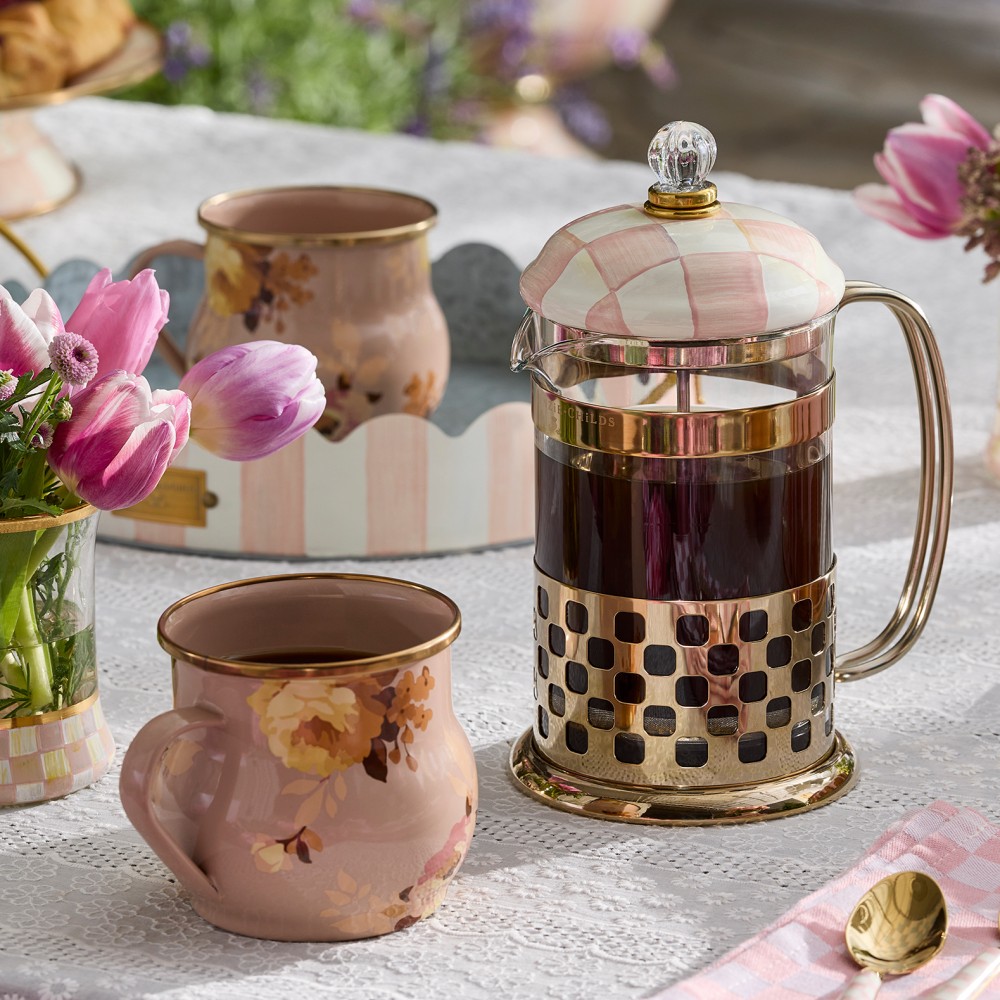
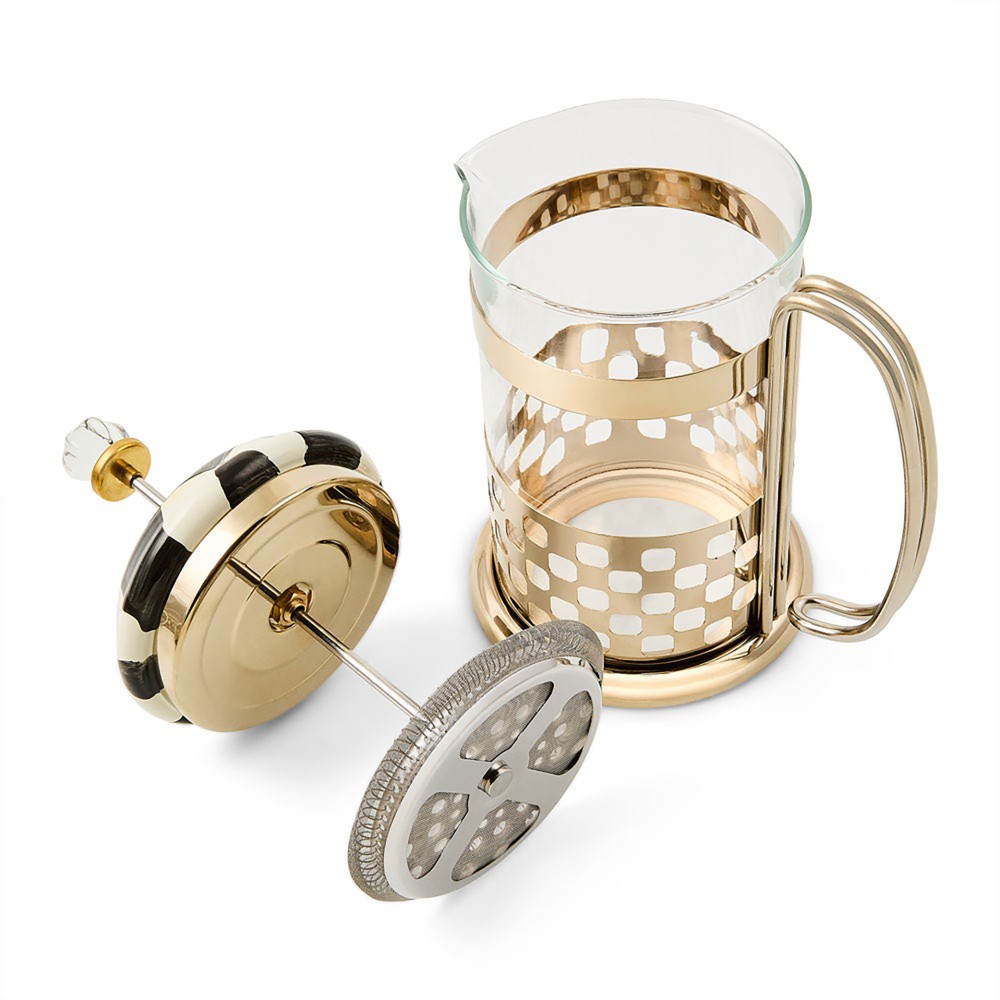
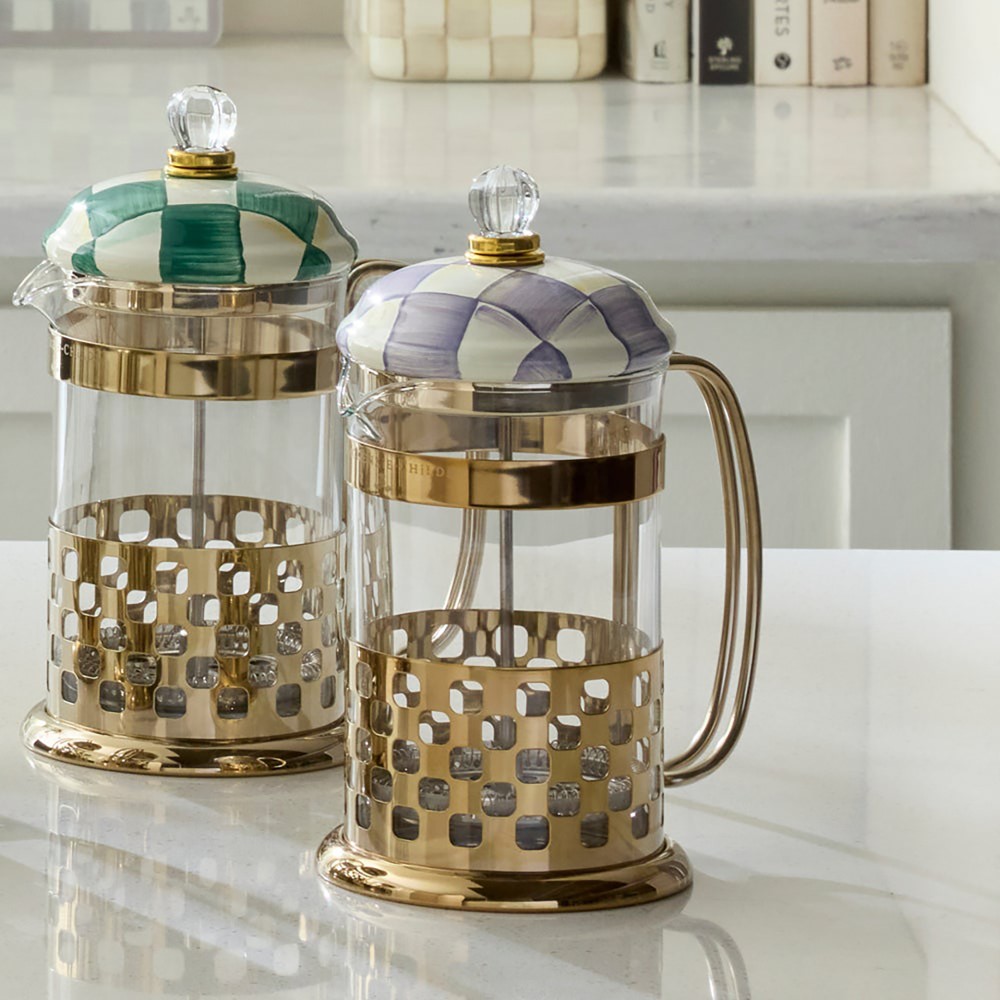
The MacKenzie-Childs French Press reimagines the everyday act of brewing as a sensory design experience,...
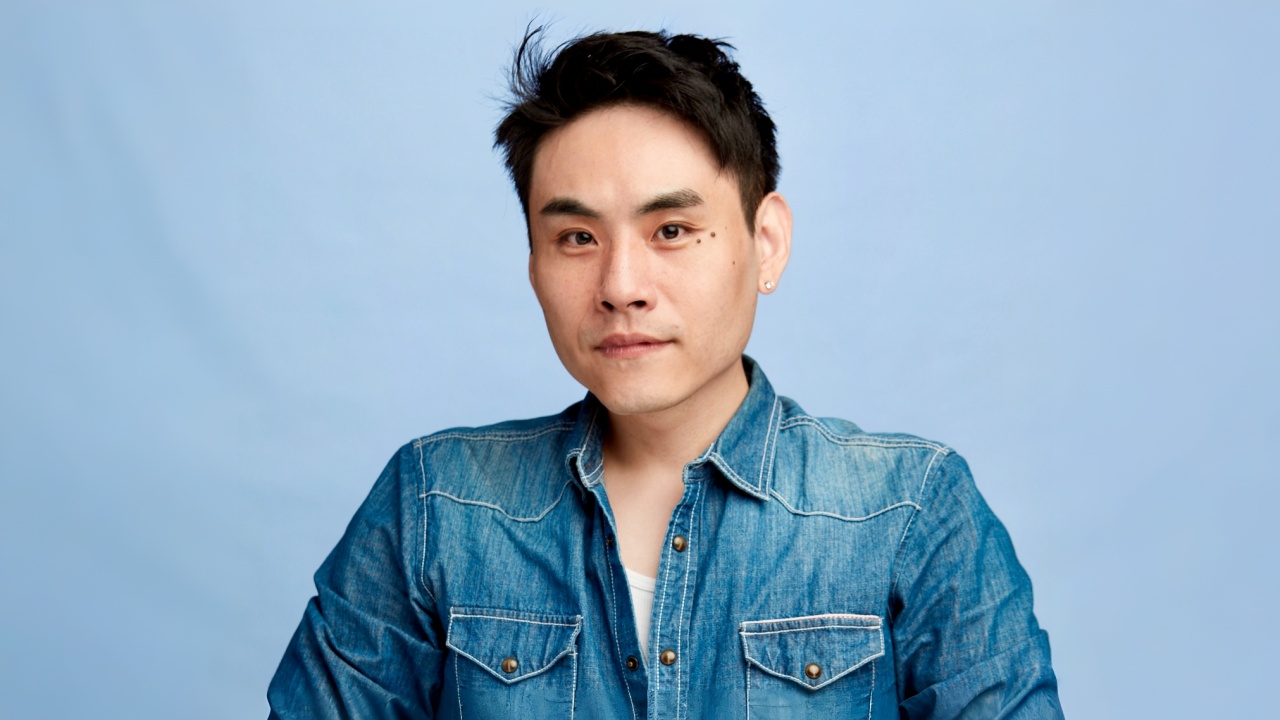
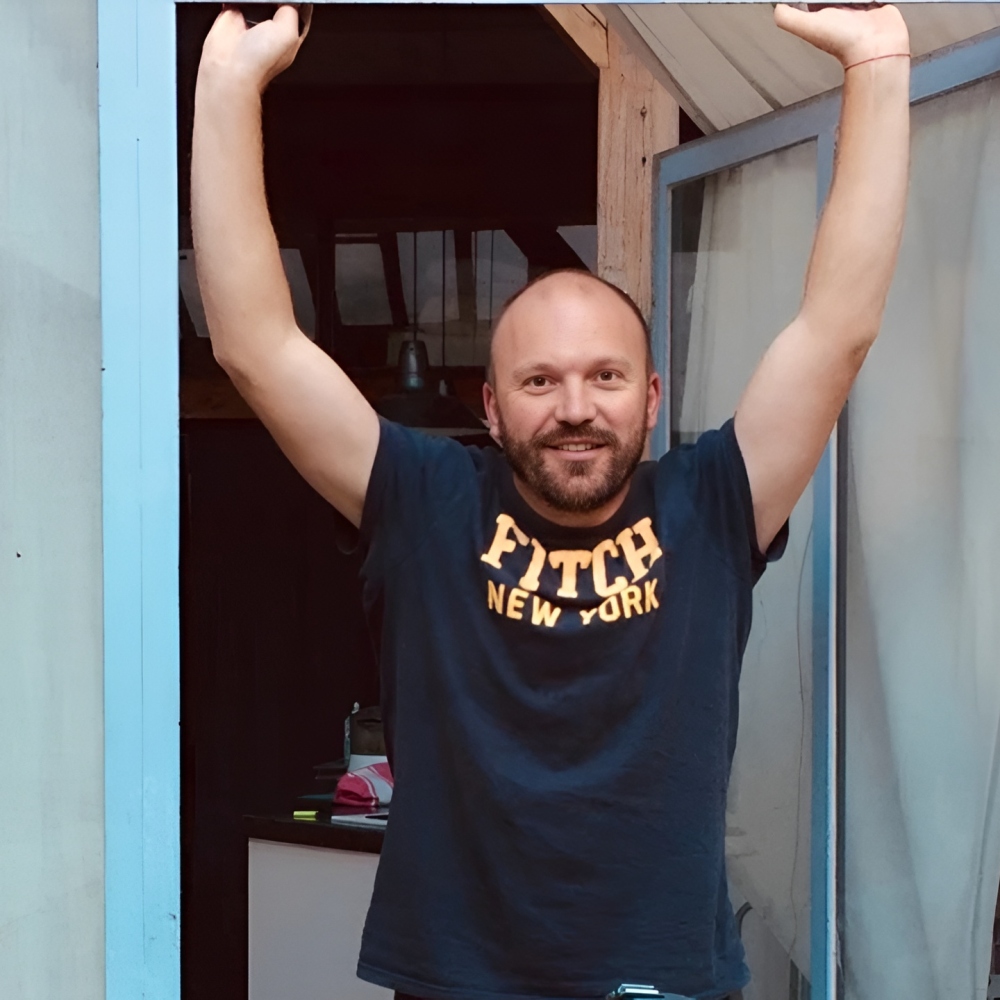
Tinglung Chang is a product designer whose work spans furniture, lighting, and homeware design. Guided by a deep interest in form, materiality, and brand expression, he creates products that communicate their purpose and character through thoughtful interaction.
I am a product designer and currently serve as a Design Director, focusing on furniture, lighting, and home product design. My background spans product design, interior design, and design systems, with a long-standing interest in building consistent and meaningful relationships between form, material, and brand language.
I chose design as a career because I am deeply fascinated by the challenge of translating abstract concepts into tangible objects. For me, design is not simply about creating appearances — it is about allowing a product to be genuinely understood and used in everyday life, through structure, proportion, and interaction.
This thinking carried directly into the French Press design. I wanted it to be more than a coffee-brewing tool — I wanted it to be something that, every morning, allows the user to feel how the brand language reveals itself through use in an ordinary moment.
This award is, for me, a confirmation of a design belief — that it is possible to take a brand pattern that has existed for over four decades and transform it from a static visual symbol into something users genuinely feel in everyday use. The core concept behind the French Press was never decorative. It was about making brand language truly perceptible through the act of use.
This award has raised my visibility within the design community and created more opportunities for exchange and dialogue with fellow designers. For the team, it reinforced something we already believed — that commitment to detail and considered design thinking can be understood and recognized by the industry. That kind of feedback has had a concrete and lasting positive impact on our day-to-day design work.
Experimentation was essential in this design. The visual behavior of the Check pattern as liquid rises and falls could not be judged through 3D models alone — I tested it by actually pouring water and observing how different grid proportions read in real liquid. Too large and the pattern felt coarse, too small and it lost its identity. That threshold could only be found through direct observation.
The handle design was also verified through a physical sample. When gripping the handle and lifting the press, whether the frame could naturally stabilize the glass vessel and release it smoothly when set down — these qualities could only be confirmed through actual use.
For me, design judgment is not completed at any single stage. It is built gradually, in the space between the design and its actual use.
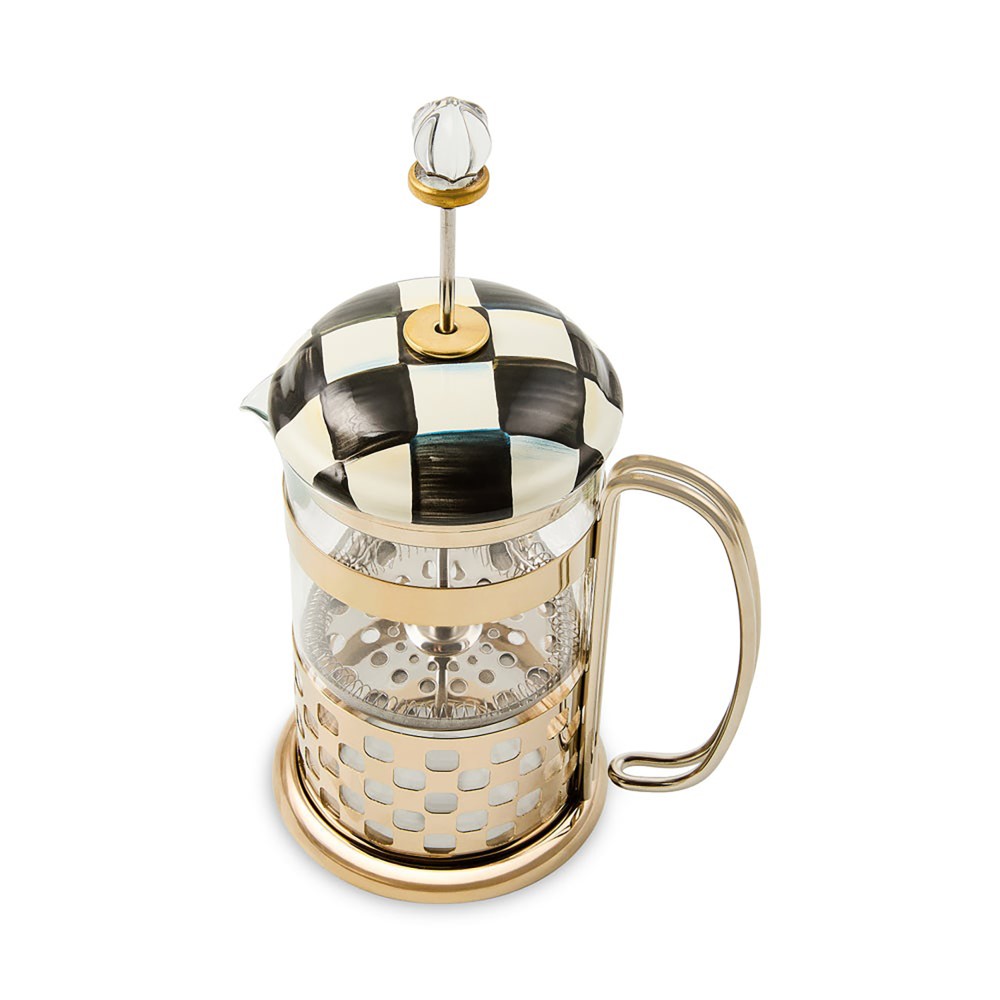
The most unusual source of inspiration for this design came from a very direct question. The original concept only had the brand's iconic Check pattern on the lid, but I began asking myself: Does this pattern have to stay on the surface?
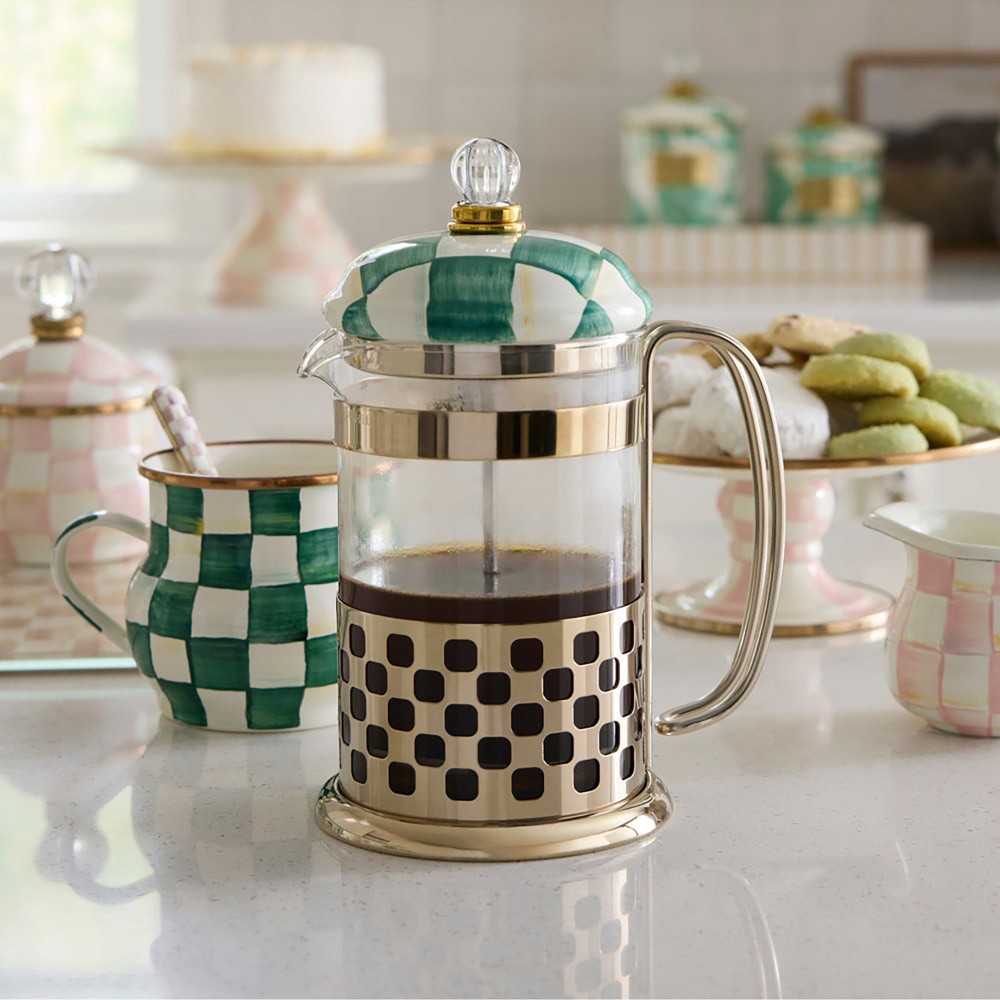
When I extended that thinking to the body of the press, an image came to mind — if coffee passed through the pattern during brewing, the liquid itself could become part of the design. That single "what if" thought transformed a static pattern into something that changes as the coffee moves through it, and became the starting point for the entire design.
I wish more people understood that design does not always begin with freedom — more often, it begins with constraints. With the French Press, there was a very specific condition: the basic form of the glass beaker was fixed and could not be changed. The design had to work within that existing structure.
But it was precisely that constraint that pushed me to reconsider the role of the brand pattern, and led to the idea of bringing the Check to life. For me, the design process is not about constantly adding — it is about finding the most accurate response within limitations.
For me, this is not about choosing between the two — it is about finding a direction where design logic and client expectations can both hold true. With the French Press, the brand wanted to continue the iconic Check pattern, so I chose to bring the pattern into the act of use itself. It is no longer just seen — it is experienced.
There were two main challenges in this design.
The first was the visual proportion of the Check pattern. The size of the grid directly affects how the pattern reads as liquid rises and falls — too large and it feels coarse, too small and it loses its identity. This proportion could not be determined by intuition alone. It required repeated 3D model adjustments, observing continuously under simulated conditions, until I found the point where the pattern felt both clear and fluid.
The second was the handle design. The handle needed to stabilize the glass vessel naturally when gripped, and release it smoothly when set down — all within a single structure, without requiring any conscious adjustment from the user. Finding that balance required multiple rounds of angle and curvature testing before the right proportion was reached.
When I hit a creative block, I take my children outside for a walk. No particular destination — just stepping away from screens and the work environment, and returning to a more direct state of observation. Children see the world with a kind of purity — they respond to a leaf, a stone, or a shift in light, without any preconceptions.
That way of seeing reminds me that the starting point of design is the same — not rushing toward answers, but first rebuilding a genuine sense of connection to things. When I return to that state, new ideas tend to emerge on their own.
I have always believed that design details should not reveal themselves all at once — they should be discovered gradually through use. The dynamic effect of the Check pattern on the French Press only truly appears during the brewing process. Those few minutes as the liquid rises are the moment when a real dialogue between the user and the design takes place.
For me, this reflects a deeper design belief: good design is not meant to be understood in an instant — it is meant to be felt over time. That patience with time and experience is a value I want to preserve in every design I make.
My advice to aspiring designers would be this: don't rush toward a style or an answer — learn to observe and understand use itself first. In many cases, real design does not come from inspiration, but from sustained attention to detail and repeated verification.
When you truly understand how an object is used, form and language will emerge naturally. Design is less about how something looks, and more about how it continues to be felt through use.
If given the opportunity, I would choose to collaborate with Dieter Rams. His work has always centered on the principle of "less, but better" — emphasizing clarity and honesty in long-term use, rather than surface form.
I particularly identify with his understanding of the relationship between design and use — that design should not interrupt use, but rather continue to be experienced without being consciously noticed. This is very close to what I focus on in product design: allowing design to be felt gradually through everyday use, rather than saying everything at first glance.
I believe a dialogue with him would be a deeper exploration of what design truly is.
The question I wish people would ask is: "In what kind of moment do you want people to feel the presence of your design?"
My answer is: in the most ordinary one. Not the first time they see it, but the hundredth time they use it.
The French Press made this clearer to me. The Check pattern comes alive as the liquid rises — and that moment only happens during the brewing process, slightly different each time. I hope that on some ordinary morning, a user suddenly notices that detail, and in that instant feels that this object truly exists for the way they use it.
For me, the best state of design is not to amaze — it is to make people feel understood in their everyday lives.
Check out Designing Technology for Human Wellbeing with Ramesh Chandra Aditya Komperla, a software engineer and winner of the 2026 NY Product Design Awards here.