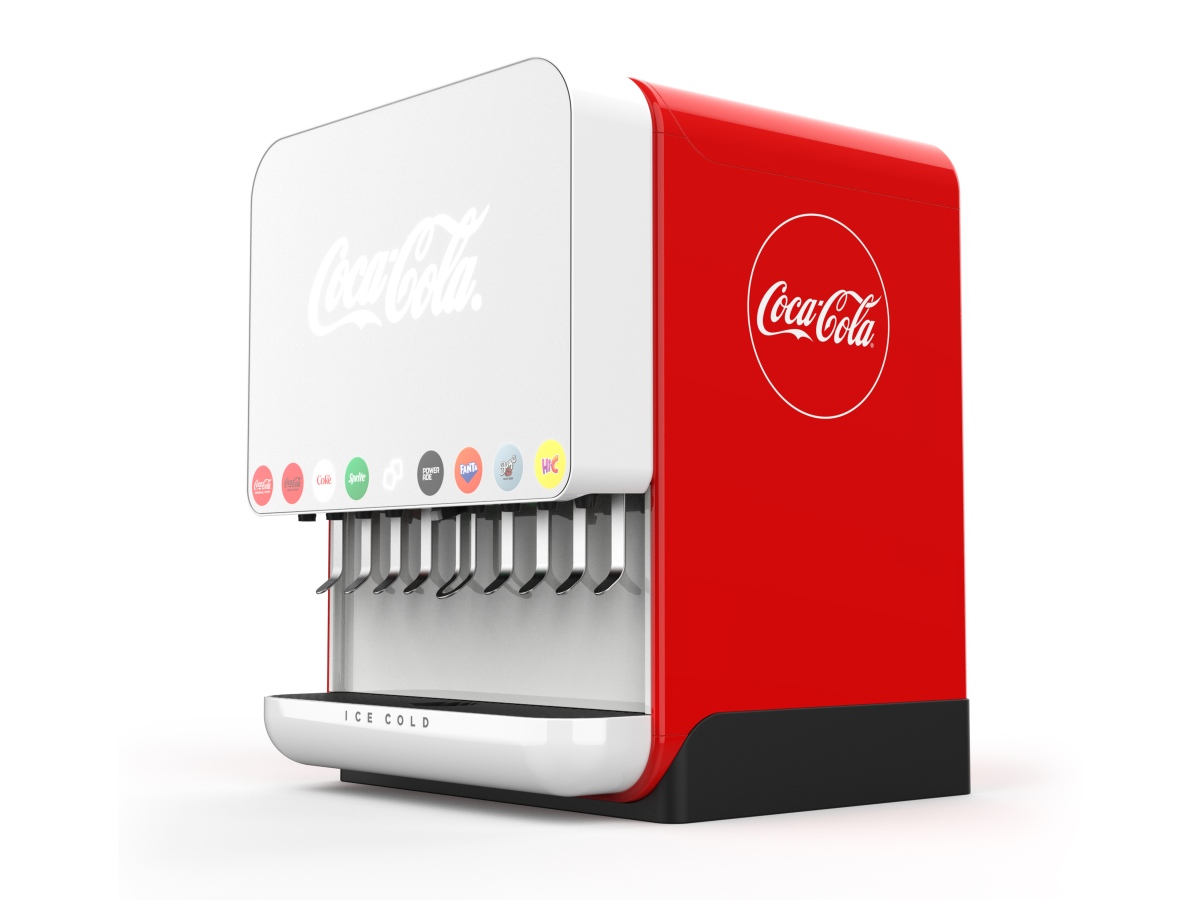
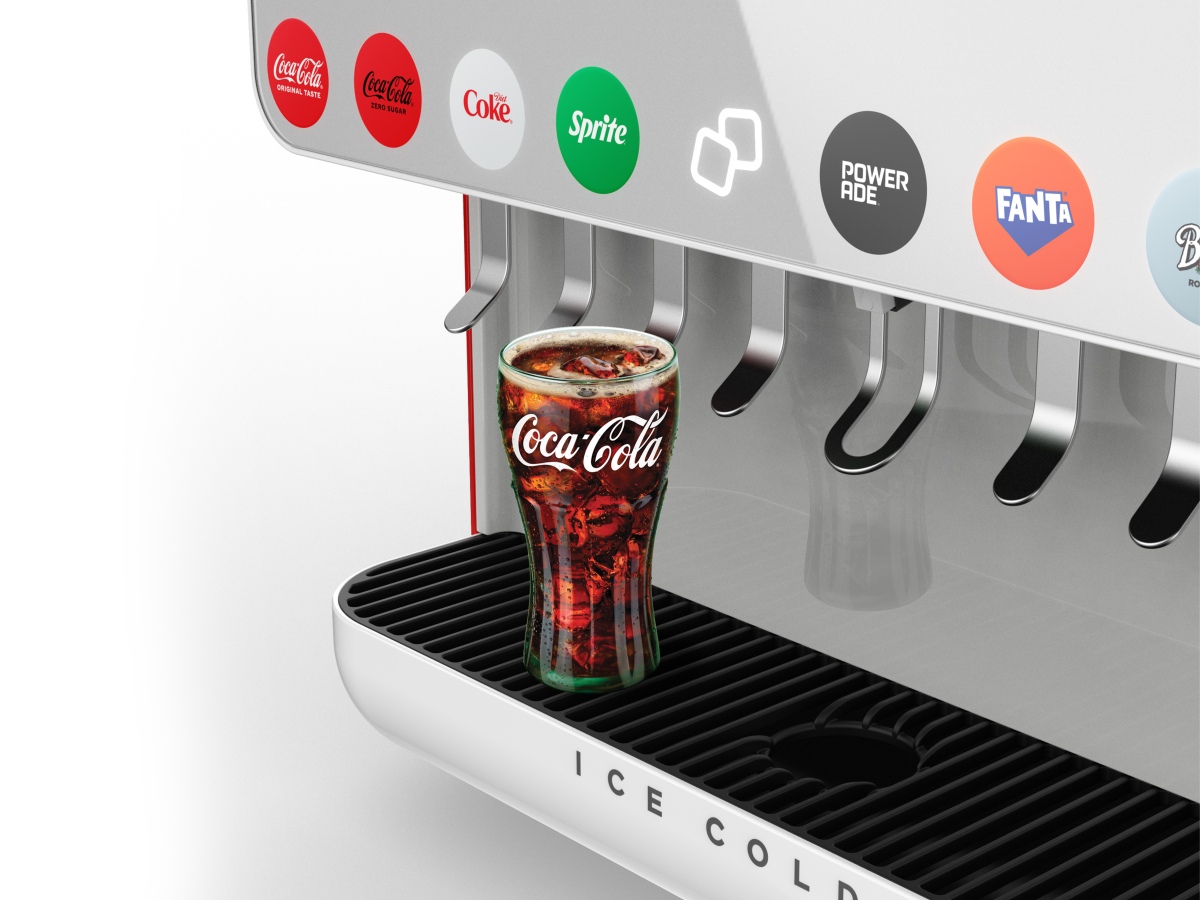
Dawn Fountain Dispenser
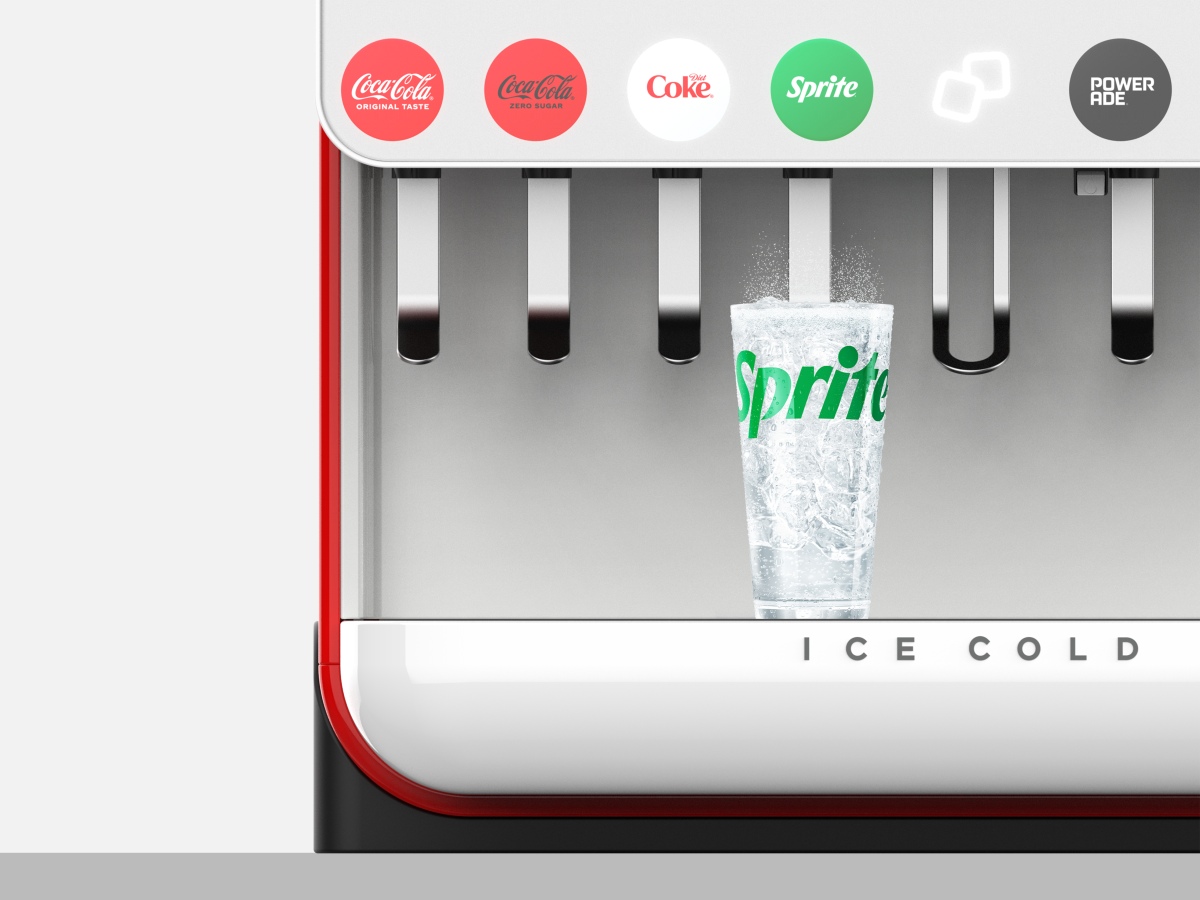
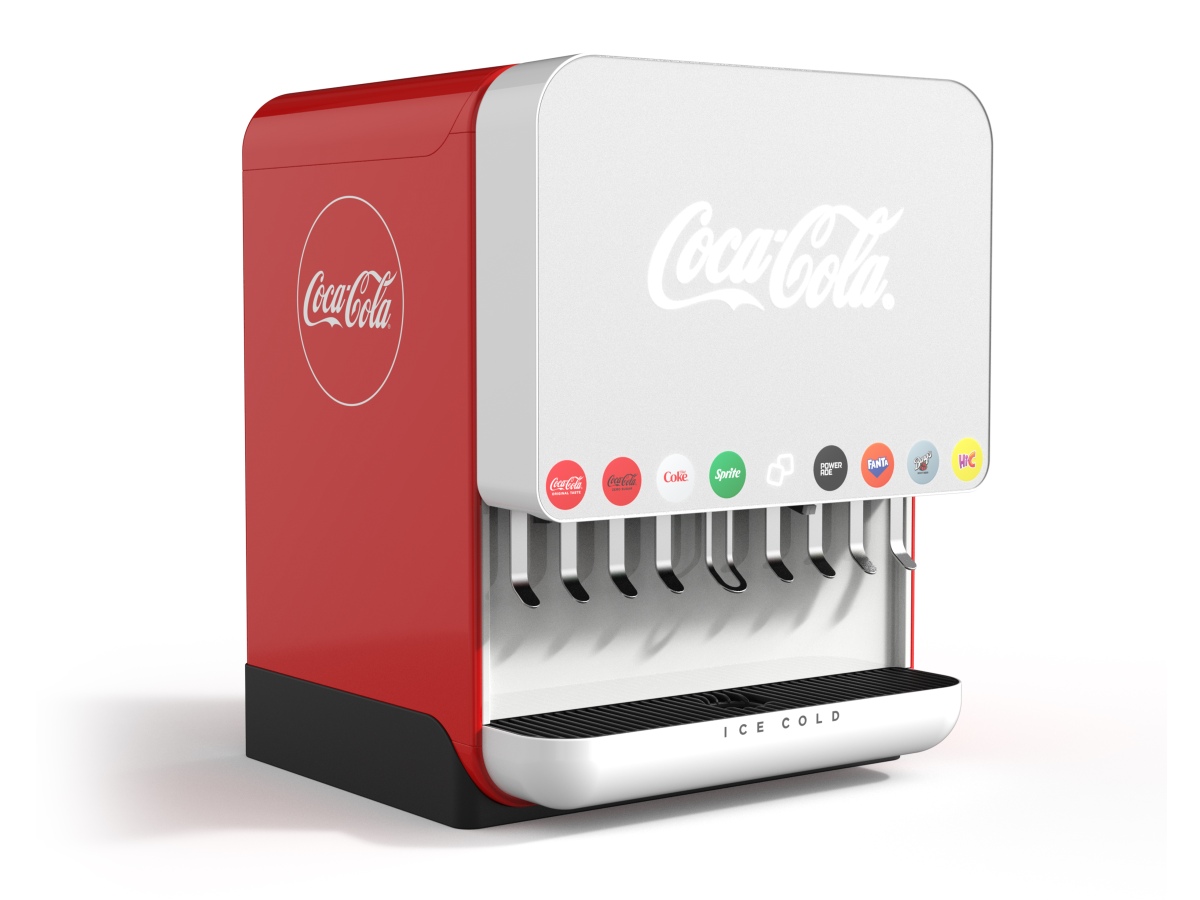
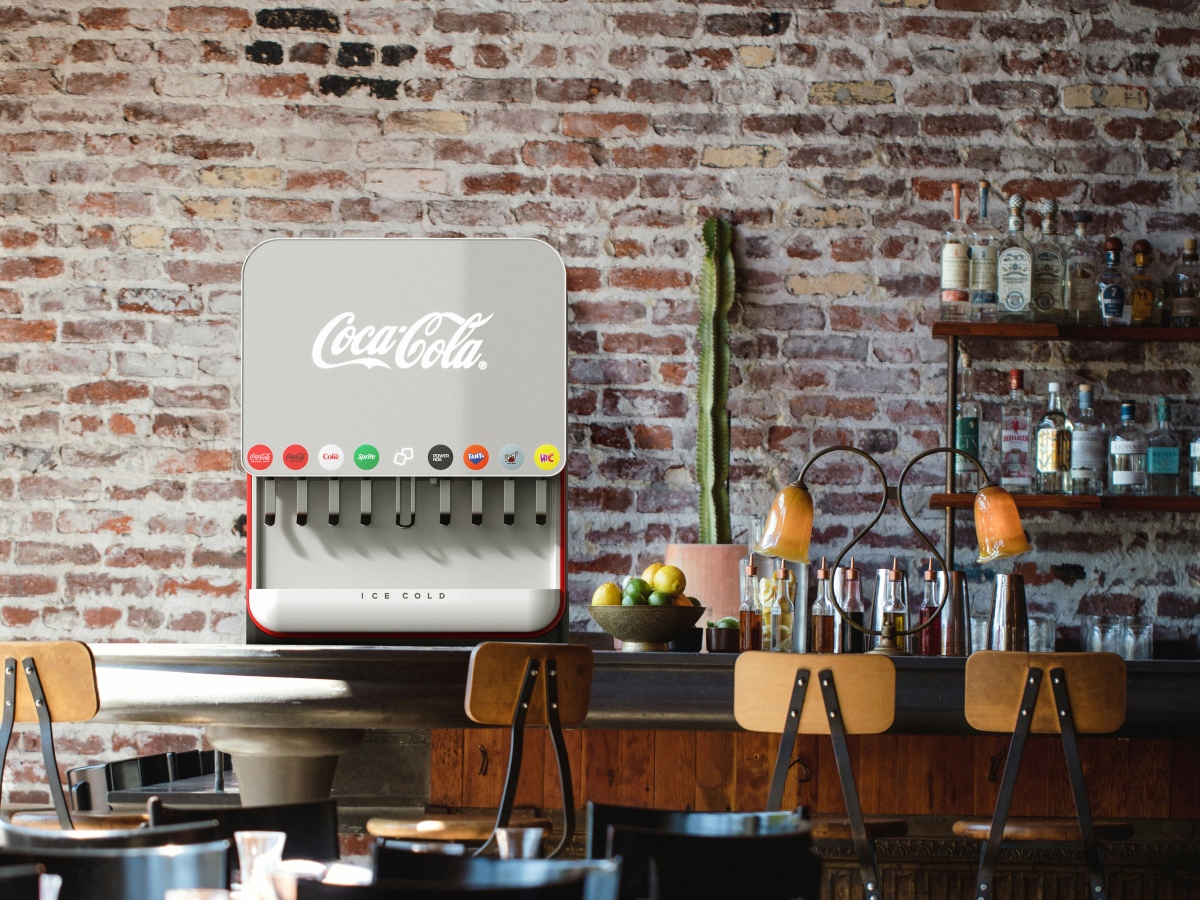
Dawn is Coca Cola’s reimagined 8 valve fountain dispenser, a modern design icon that transforms...
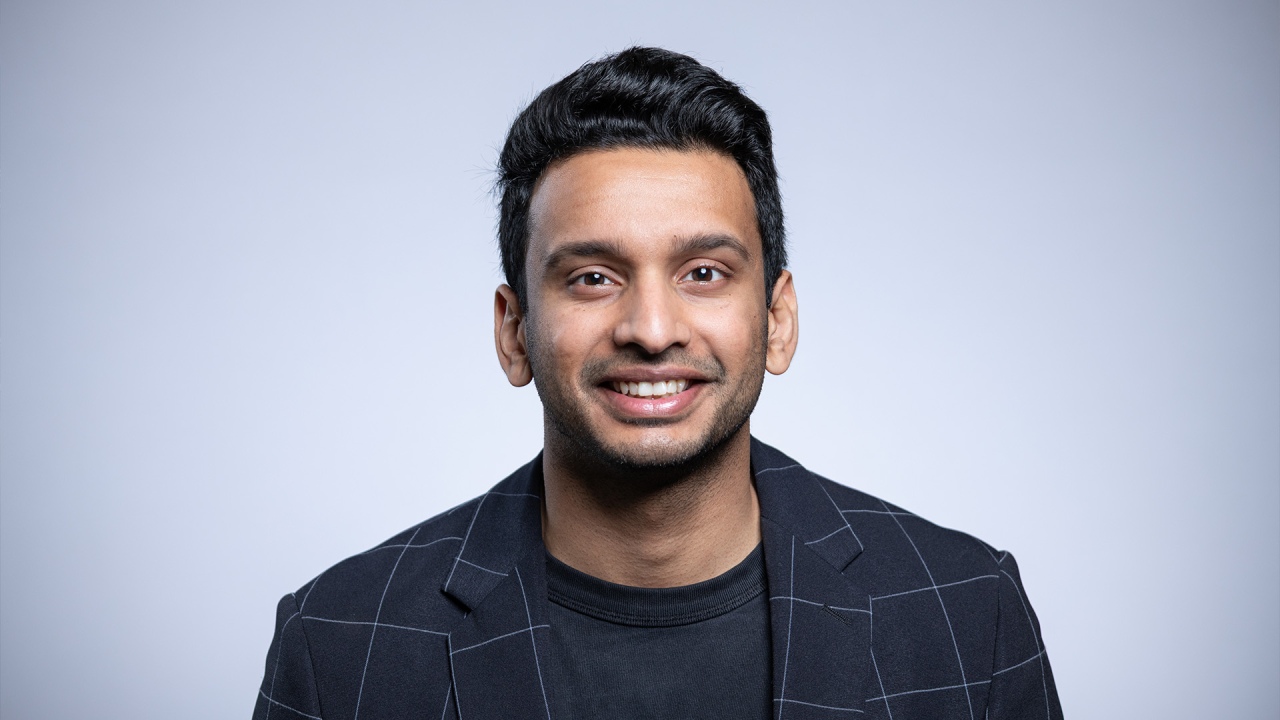
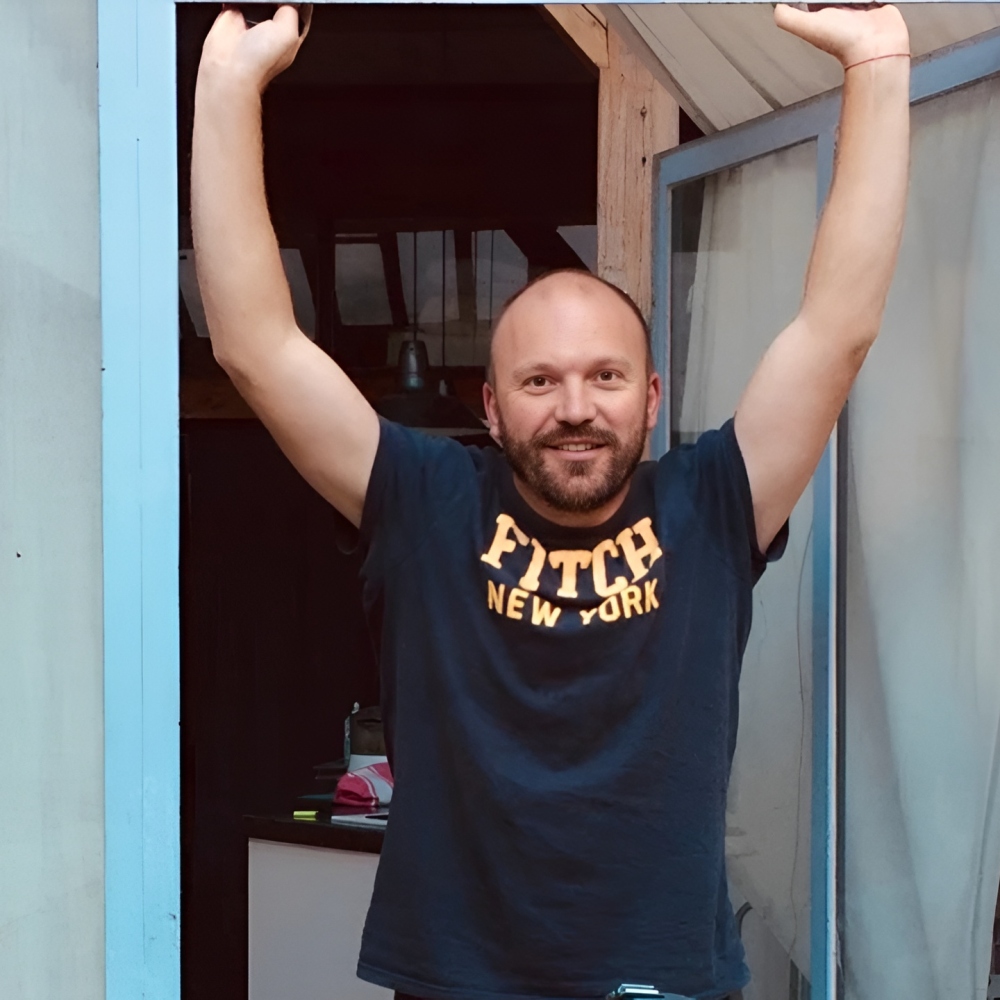
Nishit Gupta is a Senior Design Manager at The Coca-Cola Company, specializing in industrial design and UX-driven consumer product systems. He leads design strategy for global dispensing equipment, combining research, CMF, CAD, and manufacturing expertise to deliver scalable, brand-aligned solutions with strong commercial impact.
It means a lot to me because it reflects years of hard work, research, and collaboration. I am grateful that the Dawn Fountain Dispenser was recognized, especially since it was developed to improve both the user experience and the Coca-Cola brand experience.
Receiving recognition from the NY Product Design Awards is both an honor and a reminder of how collaborative this design really is. While individual designers are often highlighted, products of this scale only become possible through close partnerships between researchers, engineers, marketers, and manufacturing teams.
What makes this recognition particularly meaningful is that it celebrates a project that was designed to improve everyday interactions. The Dawn Fountain Dispenser was not only an exercise in aesthetics, but also in usability, ergonomics, serviceability, and brand storytelling. Seeing that effort acknowledged by an international jury is incredibly rewarding.
Personally, it also serves as encouragement to continue pushing for thoughtful design solutions that balance user needs, business objectives, and long-term impact.
Awards don't change the way I approach design, but they do provide validation that the work is moving in the right direction. Internally, it helps highlight the value design brings to innovation and business strategy. Personally, it motivates me to continue raising the bar and exploring new ways to create meaningful experiences.
Experimentation is central to my process. I rarely believe the first idea is the best idea. Whether it's sketching, prototyping, or testing concepts with users, I use experimentation to learn quickly and uncover opportunities I might otherwise miss. Some of the most successful projects I've worked on emerged from multiple iterations and unexpected discoveries along the way.
People's everyday habits. Some of my best insights have come from simply observing how people interact with products in real environments. Small behaviors, workarounds, and frustrations often reveal opportunities, especially using qualitative research methodologies. Research observations frequently become the starting point for innovation.
That design is much more than aesthetics. The final form is only a small part of the journey. Behind every product are countless hours of research, prototyping, testing, collaboration, and decision-making. Good design often looks simple because a great deal of complexity has been thoughtfully resolved behind the scenes.
I don't see them as opposing forces. The best solutions usually emerge when user needs, business goals, and design intent align. I try to ground decisions in research and user insights, which helps create a shared foundation for everyone involved. When that happens, creativity becomes a tool for solving problems rather than an end goal itself.
One of the biggest challenges was balancing usability, serviceability, manufacturing constraints, and brand expression within a single product. The dispenser needed to work seamlessly for consumers while also supporting operators and technicians. Finding that balance required a lot of iteration, collaboration, and attention to detail throughout the development process.
I go back to sketching. It's something I've been doing since I was six years old, and it remains one of the most effective ways for me to think through problems. I also enjoy stepping away from the screen, observing people, traveling, and exposing myself to different perspectives. Often the best ideas arrive when I'm not actively searching for them.
Empathy is probably the most important one. Early in my career, I worked on research projects that involved spending time with people from different cultures, backgrounds, and experiences. Those moments reinforced the idea that great design starts with listening. I also value curiosity and continuous learning, which is why I continue exploring emerging technologies like AI alongside traditional design methods.
Stay curious and never stop learning. Build strong fundamentals in sketching, storytelling, and problem-solving, but spend just as much time understanding people. The most impactful designers aren't necessarily the ones who create the most beautiful objects; they're the ones who understand human needs deeply and design meaningful solutions for people.
I'd love to collaborate with Charles and Ray Eames. What I admire most is their ability to move fluidly across disciplines while keeping people at the center of everything they created. Their work wasn't limited to furniture; it extended into architecture, exhibitions, films, education, and storytelling. They approached design with a sense of curiosity and optimism that I find inspiring.
I would love the opportunity to learn how they balanced rigorous problem-solving with playfulness and experimentation, and how they consistently created work that remains relevant decades later.
For me, that's where the most meaningful part of design happens. Products always change, technologies evolve, and trends come and go, but understanding the user is what consistently leads to better outcomes. The most valuable insights often come long before the first sketch is made.
Discover What Drives Yizhen Chen's Approach to Enterprise UX, an insightful interview and a winner of the NY Product Design Awards here.