
Marketing Awards for Startups | Small Business Awards Guide
SEPTEMBER 16, 2026

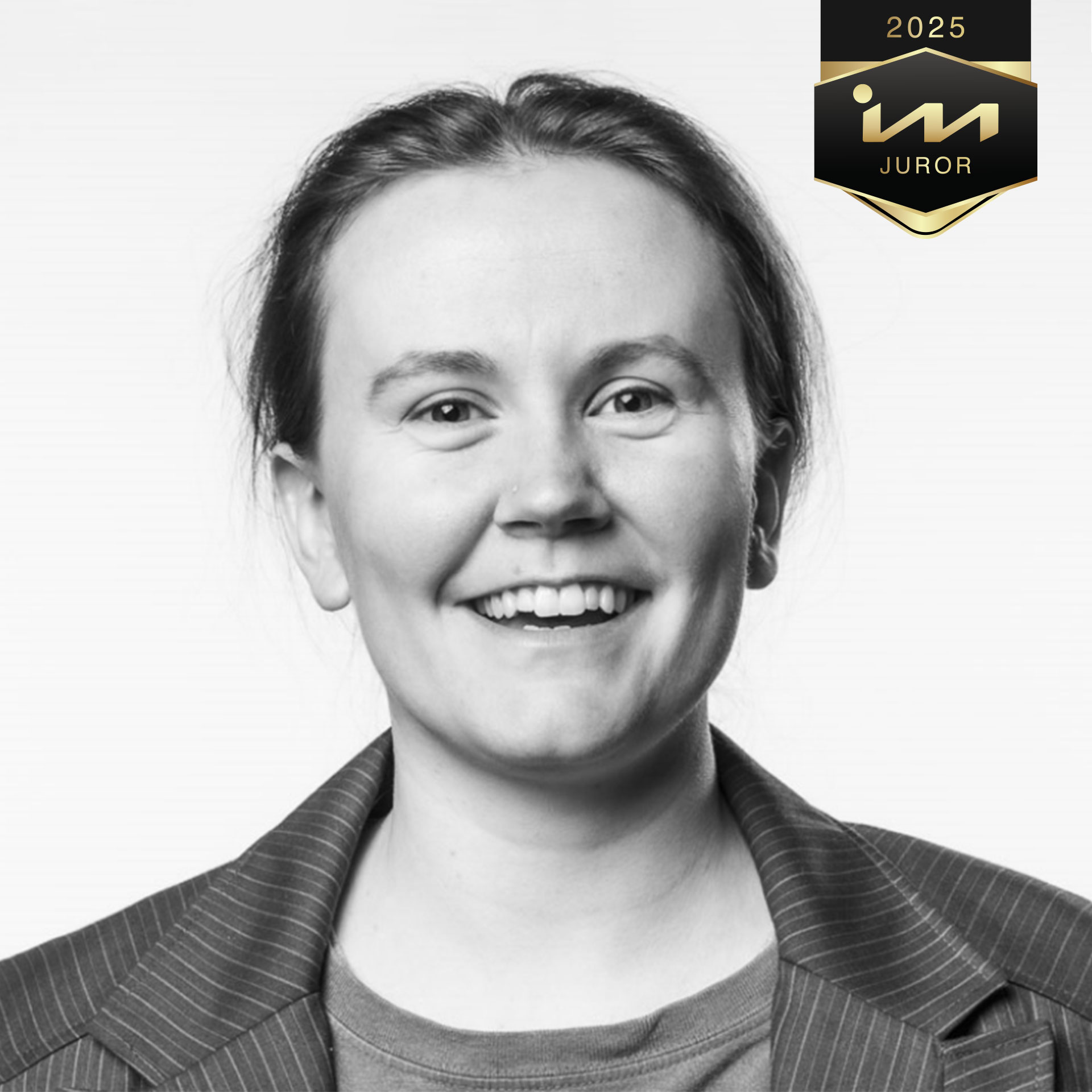
Asuka Uchida is an internationally acclaimed soprano and experienced music juror, recognized for her refined critical judgment in evaluating vocal technique, artistic interpretation, and stage presence across international music competitions. Her expertise is grounded in rigorous classical training and extensive performance experience, allowing her to assess works with both technical precision and artistic insight.
I am a soprano with extensive experience in opera, concert, and oratorio work in the U.S. and internationally.
I have performed leading roles in works such as The Magic Flute, Madama Butterfly, Rigoletto, La Bohème, and L’elisir d’amore. I have also appeared in concerts and aria programs in the U.S., Europe, the Middle East, and Japan-related cultural events.
My background includes classical vocal training, international competitions, and experience as a judge for music awards. In addition to singing, I play keyboard and continue to develop new music and performance projects.
I look at the overall performance, not just one element. Technique, musicality, interpretation, style, and communication are all important.
I also pay attention to whether the performer understands the music and can connect with the audience in an honest way.
I look for solid technique, musical accuracy, expressive phrasing, style, language awareness, and emotional communication. A strong performance should feel prepared, sincere, and personal.
It does not have to be perfect, but it should have clear intention and artistic presence.
A memorable moment for me is when a contestant shows real honesty and connection through their performance. Sometimes it is not only about the biggest voice or the most difficult piece.
A simple, sincere performance can be very powerful when the artist truly understands what they are singing.
I try to separate personal taste from professional standards. Music is subjective, but technique, preparation, accuracy, style, and communication can still be evaluated clearly.
I use the same basic criteria for each contestant and focus on what they actually present in the performance.
One challenge is comparing different voices, styles, ages, and levels of experience. I overcome this by focusing on the fundamentals: technique, musicality, communication, preparation, and artistic honesty.
I try to respect each performer’s individuality while keeping the evaluation fair.
The most rewarding part is seeing artists share their talent and take a step forward in their development. I enjoy discovering individuality in each performer and seeing how music can reflect someone’s personality, discipline, and passion.
I stay updated by continuing to work as a performer, listening to current artists, following competitions, and observing how performance standards are evolving.
I also draw from my own international training and experience in opera, concert work, and acting.
I use clear criteria and evaluate each performance based on the same categories: technique, musicianship, interpretation, presentation, and overall impact.
I avoid judging only by personal preference and focus on the quality and intention of the performance.
Constructive feedback is very important because it helps artists grow without discouraging them. I try to be honest, respectful, and practical.
I like to point out both strengths and areas for improvement so the contestant can leave with something useful for their next performance.
My advice is to prepare well, but also enjoy the experience. Competitions can feel serious, but they are also a great chance to share your music, learn from the process, and discover what makes you unique as an artist.
It is important to stay open, be yourself, and not focus only on winning. Every performance can teach you something and help you grow.
2025 IAA Juror
LIT Music Awards
────────────────────────────