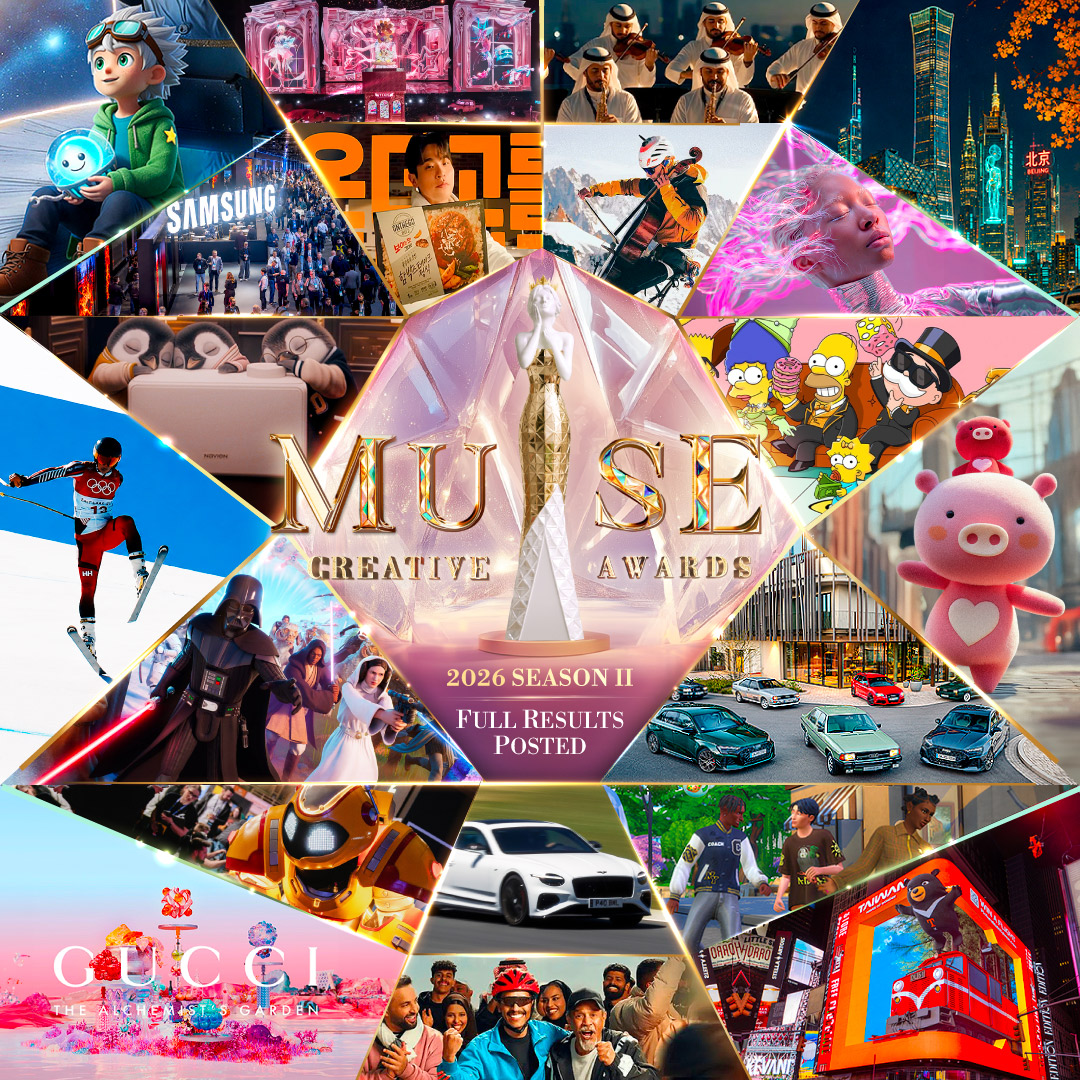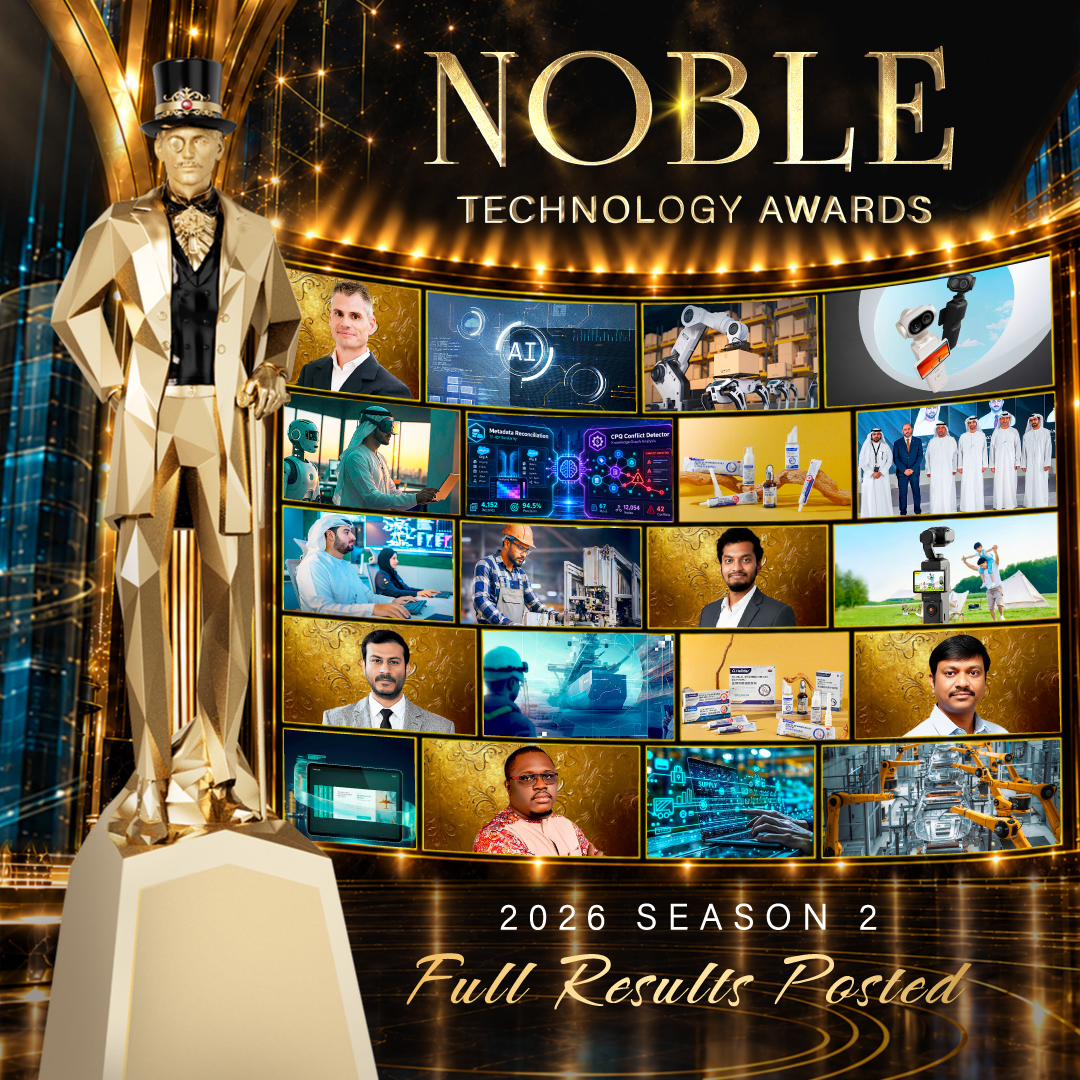

MUSE Creative Awards & MUSE Design Awards Reveal 2026 Season 2 Winn...
OCTOBER 16, 2026
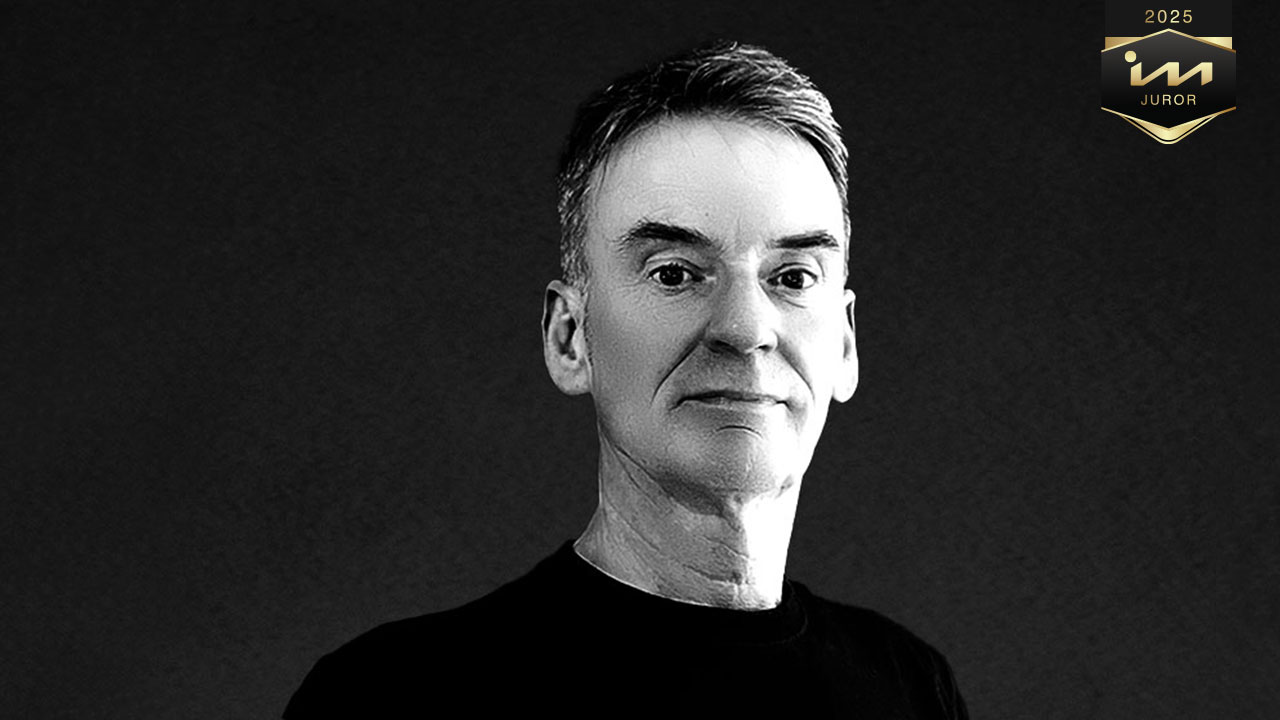
Robert Mitchell is the Managing Partner of Driving Growth, where he leads branding, strategy, and communications for organizations across a wide range of industries. Drawing on this breadth of experience, he brings a strategic perspective to the jury, recognizing creative work defined by original thinking, purposeful execution, and lasting impact.
I've spent my career helping organizations solve commercial challenges through branding, strategy, and communications rather than simply making things look good. I've worked across automotive, luxury goods, consumer electronics, government, infrastructure, healthcare, technology, maritime, education, and professional services, often supporting organizations looking to reposition themselves or reshape how they are perceived.
I've always believed creativity isn't decoration—it should create a competitive advantage. The best creative work changes behavior, builds long-term value, and drives business success. That's the standard I bring whenever I judge creative work.
I've been judging these awards for several years, and I accepted the opportunity because it allows me to step back from creating work and objectively assess where the industry is heading. Judging also keeps you honest, reminding you how easy it is to mistake production value for original thinking.
The strongest entries reinforce a simple truth: great ideas will always matter more than execution alone.
The first question I ask is simple: Why does this deserve to exist? Great creative work begins with a strong insight, not just clever execution. I look for originality, strategic thinking, simplicity, and whether the solution genuinely addresses the problem it was designed to solve.
Beautiful design alone is never enough. If the visuals were stripped away, the idea itself should still be strong enough to stand on its own.
I try to set aside who created the work and focus entirely on what's in front of me. Large agencies don't receive bonus points, and small studios don't receive sympathy. Every entry begins on equal footing and is evaluated solely on its own merit.
One of the most rewarding moments is discovering a piece of work that makes me wish I'd thought of it myself. That's often a sign that someone has approached a familiar problem from an entirely unexpected perspective.
Those are the entries that stay with you long after the judging is over because they've challenged the way you think and expanded your perspective.
The hardest decisions are rarely between good and bad work. More often, they're between two exceptional entries that excel in different ways. One may demonstrate remarkable craftsmanship, while another introduces a truly original idea.
In those moments, I ask myself which piece has genuinely moved the industry forward rather than simply perfected what already exists. More often than not, originality earns my vote.
I pay attention to trends, but I don't chase them. While technology evolves constantly, human behavior changes far more slowly. That's why I spend as much time studying psychology, business, architecture, and industrial design as I do marketing.
I believe the most meaningful ideas rarely come from within a single industry. They emerge by connecting insights from different disciplines and applying them in new ways.
Don't try to impress the judges. Instead, focus on solving the problem so effectively that the solution speaks for itself. Too many entries mistake complexity for intelligence, when clarity and purpose often have the greatest impact.
The strongest work feels inevitable. It leaves you wondering why no one thought of it sooner.
AI has undoubtedly accelerated production, but it hasn't made ideas more original. Instead, it has removed many of the traditional constraints of budget, time, and even physics. As execution becomes more accessible, original thinking becomes increasingly valuable.
The true competitive advantage is no longer who can create something, but who can imagine something worth creating.
I'd like to see fewer campaigns driven by technology for its own sake. Instead, I hope to see work grounded in genuine conviction, clear strategic thinking, and ideas with a distinctive point of view.
The strongest entries have the confidence to stand apart rather than simply follow the latest trends.
The entries that stay with me are rarely the most expensive. More often, they're the ones built on a simple insight, executed with exceptional clarity and discipline.
Every so often, a project comes along that redefines expectations for an entire category. Those are the entries that remind me why creative awards continue to matter.
Good judging shouldn't simply explain why something fell short. It should help people understand how their work can become stronger. More often than not, creative work doesn't miss the mark because of poor execution, but because the underlying idea isn't distinctive enough.
If feedback encourages someone to think more deeply about the problem they're trying to solve, then it has served its purpose. Awards recognize excellence, but thoughtful judging helps inspire even more of it.
IAA Juror since 2023
NY Digital Awards and Vega Digital Awards