TripO.O | 2023
TripO.O is a cutting-edge app meticulously crafted with travelers in mind. Rooted in its commitment...
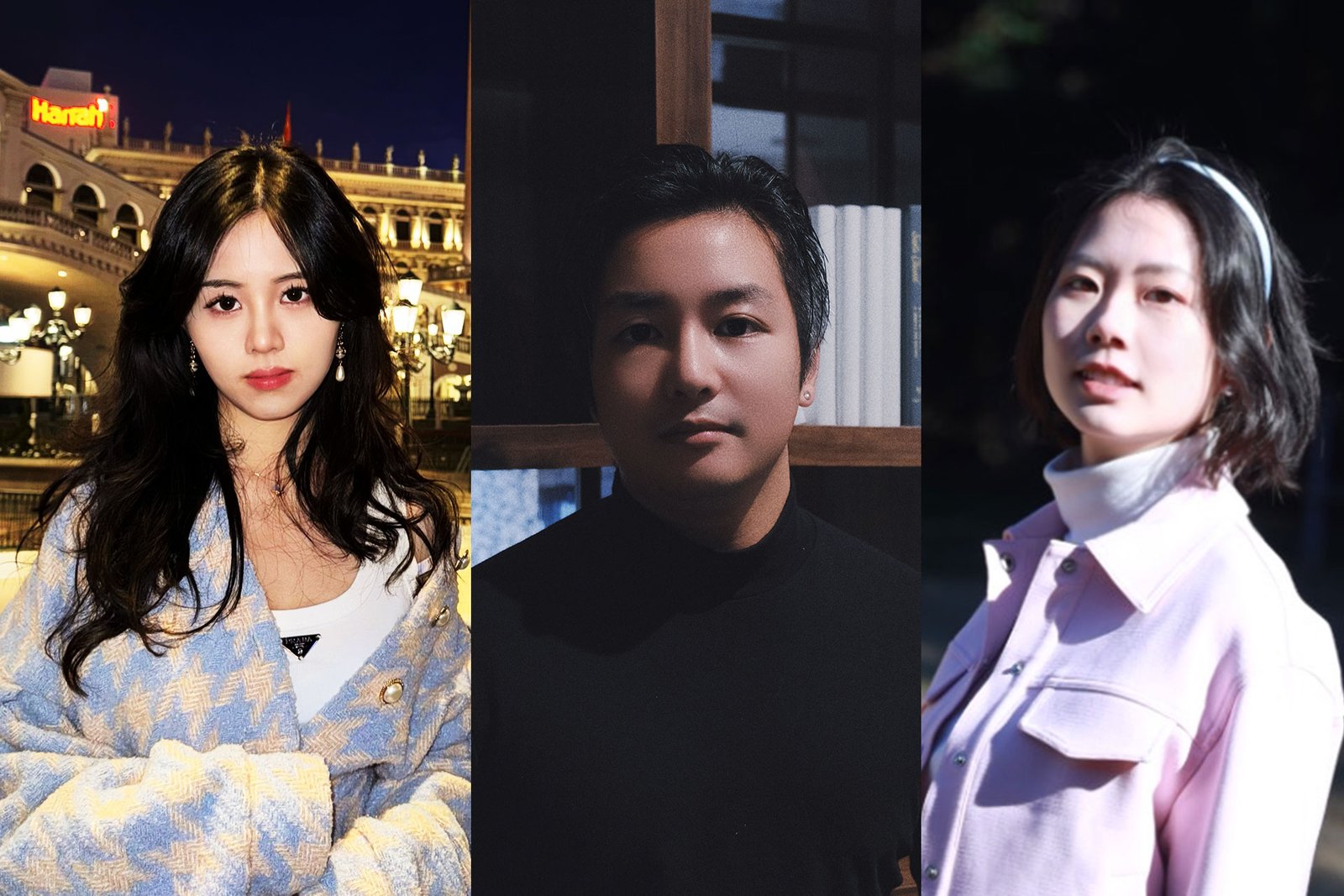
We are a professional product and interaction design team based in the United States. The three of us have many years of design experience, offering professional design services and products.
We chose to become designers because of our lifelong passion for creativity and problem-solving. From a young age, we were fascinated by how design blends art and functionality, and this led us to pursue a career where we could use our creativity to make practical and impactful contributions.
The ever-evolving nature of design keeps us constantly engaged and inspired, and there's immense satisfaction in seeing our work resonate with others and improve their experiences.
Our roles as designers involve conceptualising and creating user-centric solutions that blend the ancient wisdom of TCM with contemporary health practices. We want to focus on ensuring that our digital platform is not only functional but also culturally enriching and easy to navigate.
Our ultimate goal is to make TCM accessible to a broader audience while maintaining its authenticity and effectiveness.
For us, design is the art of solving problems creatively and functionally. It's about creating solutions that not only look aesthetically pleasing but also fulfill a purpose and improve user experiences.
Design involves understanding user needs, the context of use, and the impact of the solution on society and the environment. It's a process of continuous learning, adapting, and innovating to make the world a better, more efficient, and a more beautiful place.
Our favourite kind of design is user experience (UX) design, particularly in the health and wellness sector. We are drawn to the challenge of creating interfaces and experiences that are intuitive, engaging, and beneficial to users' health and well-being.
UX design in healthcare is a field where design can truly make a difference, improving accessibility to healthcare and empowering users in their health journeys. It requires a deep understanding of user needs and behaviours, and the ability to translate these into digital solutions that can have a real impact on people's lives.
A “good” design, in our view, is one that achieves a balance between aesthetics, functionality, and user empathy. It should be visually appealing, easy to use, and meet the needs of its intended audience.
A good design solves a problem efficiently and effectively while enhancing the user's experience. It considers the broader context in which it will be used – cultural, social, and environmental factors – and contributes positively to that context.
Lastly, a good design is adaptable, able to evolve with changing user needs and technological advancements.
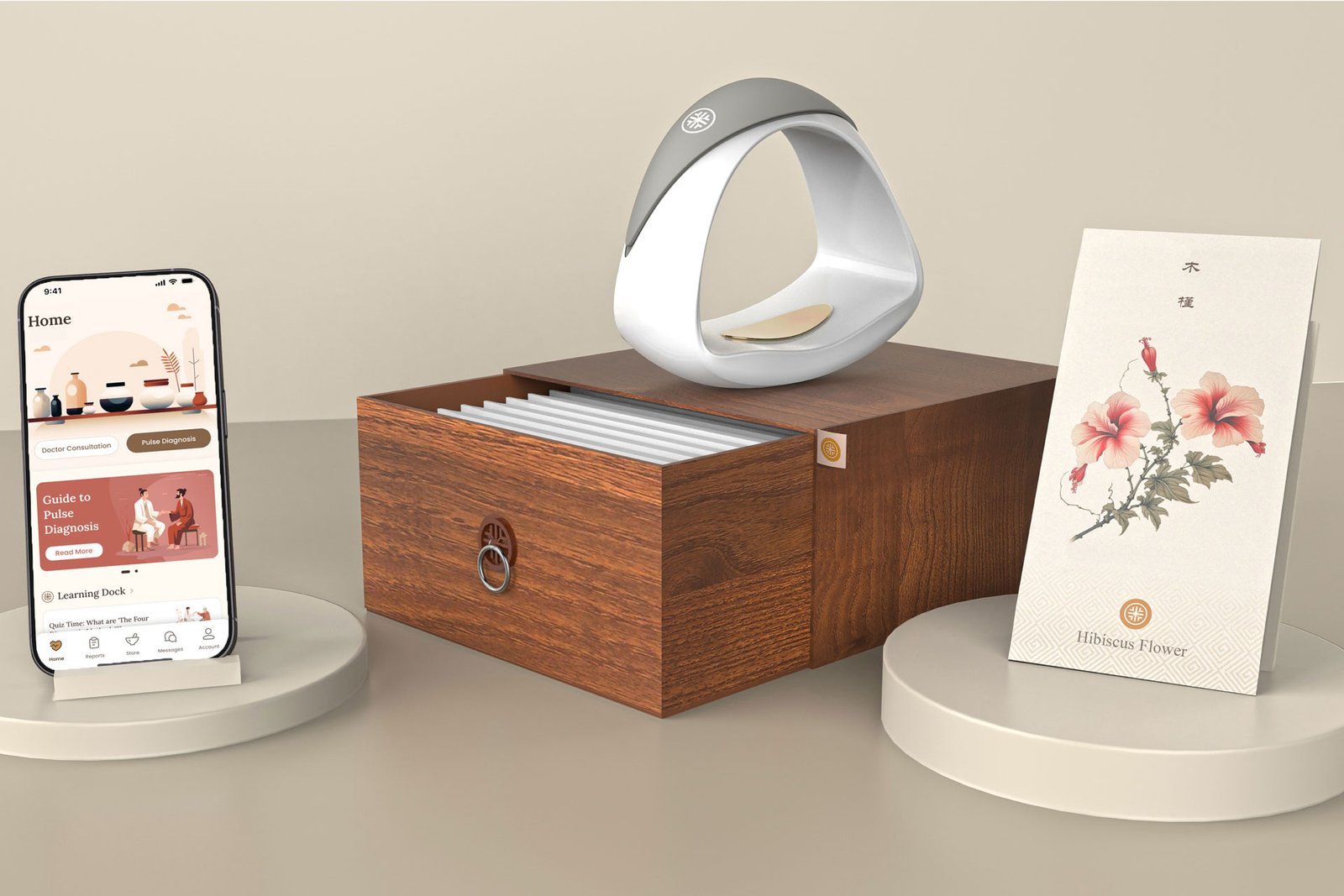
The genesis of PulseHeal was our collective fascination with Traditional Chinese Medicine (TCM) and its untapped potential in modern health practices. We recognised the gap in accessible, comprehensive TCM services online and aimed to bridge this through an integrated platform that combines diagnosis, consultation, and procurement. The project was born from a desire to make TCM more accessible and relevant in today's digital world.
Our inspiration for PulseHeal came from the intricate balance of art and functionality in design, coupled with a deep respect for the age-old wisdom of Traditional Chinese Medicine. We were inspired by the challenge of integrating ancient practices with modern technology to provide a solution that is both practical and culturally enriching.
Yes, the cultural heritage of Traditional Chinese Medicine is deeply rooted in our country's history, significantly influenced our design process. We aimed to preserve and promote this rich cultural legacy through PulseHeal, ensuring that the principles and practices of TCM are accessible and relevant in the contemporary digital age.
Receiving the London Design Awards is a tremendous honor for us. It validates our efforts in integrating traditional practices with modern technology and reinforces our commitment to promoting wellness and cultural appreciation globally. This recognition is not just a testament to our design but also to the potential of Traditional Chinese Medicine in contributing to contemporary health solutions.
PulseHeal is an all-encompassing platform that combines the principles of Traditional Chinese Medicine (TCM) with contemporary health methodologies. Our involvement in this project stems from its distinctive integration of cultural legacy and innovative design, aimed at fulfilling the demand for easily accessible TCM services. This project exemplifies the role of design in connecting age-old knowledge with contemporary requirements.
One of our main challenges was navigating the extensive field of Traditional Chinese Medicine to create a focused and user-friendly platform. We overcame this by conducting thorough research, including interviews and surveys, to identify the specific needs and preferences of our target users. This research guided our design process, enabling us to develop a platform that was both functional and true to the principles of TCM.
Winning this award will undoubtedly open new doors and provide opportunities for further growth and innovation. It positions us as pioneers in integrating traditional medical practices with modern technology and sets a benchmark for future projects. This recognition will inspire us to continue pushing the boundaries of design and cultural integration.
The three favorites are the following. First, the endless possibilities for creative expression and problem-solving. Second, impact on society. Design industry has the ability to design solutions that positively impact people's lives and the environment. Third, dynamic nature. The constantly evolving trends and technologies keep the industry fresh and exciting.
PulseHeal stands out for its unique integration of Traditional Chinese Medicine in a digital format. Unlike other health platforms, it offers a comprehensive solution that includes diagnosis, consultation, and procurement, all within a culturally sensitive and user-friendly framework.
In the next 5-10 years, we anticipate a stronger focus on sustainability, user-centred design, and the integration of emerging technologies like AI and VR in design processes. The industry is likely to see more collaborations between traditional practices and modern technology, creating solutions that are both innovative and grounded in cultural heritage.
We advise aspiring designers to cultivate curiosity, maintaining an openness to learning and exploring new ideas. Embracing challenges is crucial, as designers can leverage them as opportunities for personal growth and innovation.
Lastly, placing a strong emphasis on the user is paramount. Designing with the end-user in mind ensures functionality and relevance, ultimately leading to more effective and user-centric design solutions.
We would recommend staying updated with the latest trends and techniques. Regularly reading articles in design related fields can provide deep insights and broaden understanding of the best design practices.
Active participation in design communities as well as attending workshops and conferences is highly beneficial. These opportunities offer you chances to network with peers and industry experts, share experiences, and gain new perspectives.
Throughout our journey in design, we’ve always harboured a deep admiration for the subtle intricacies of nature's design – a constant source of inspiration and a reminder of the harmony between form and function.
Our biggest inspiration has been our mentor in design school, who taught us the importance of empathy in design. Their approach to understanding and solving user needs profoundly shaped our design philosophy.
Our key to success is a relentless pursuit of learning and adaptation. Embrace change, be receptive to new ideas, and always design with empathy and purpose.
We'd like to emphasise the importance of cultural sensitivity in design. In our globalised world, understanding and respecting diverse cultural backgrounds is crucial in creating designs that are not only innovative but also inclusive and respectful.
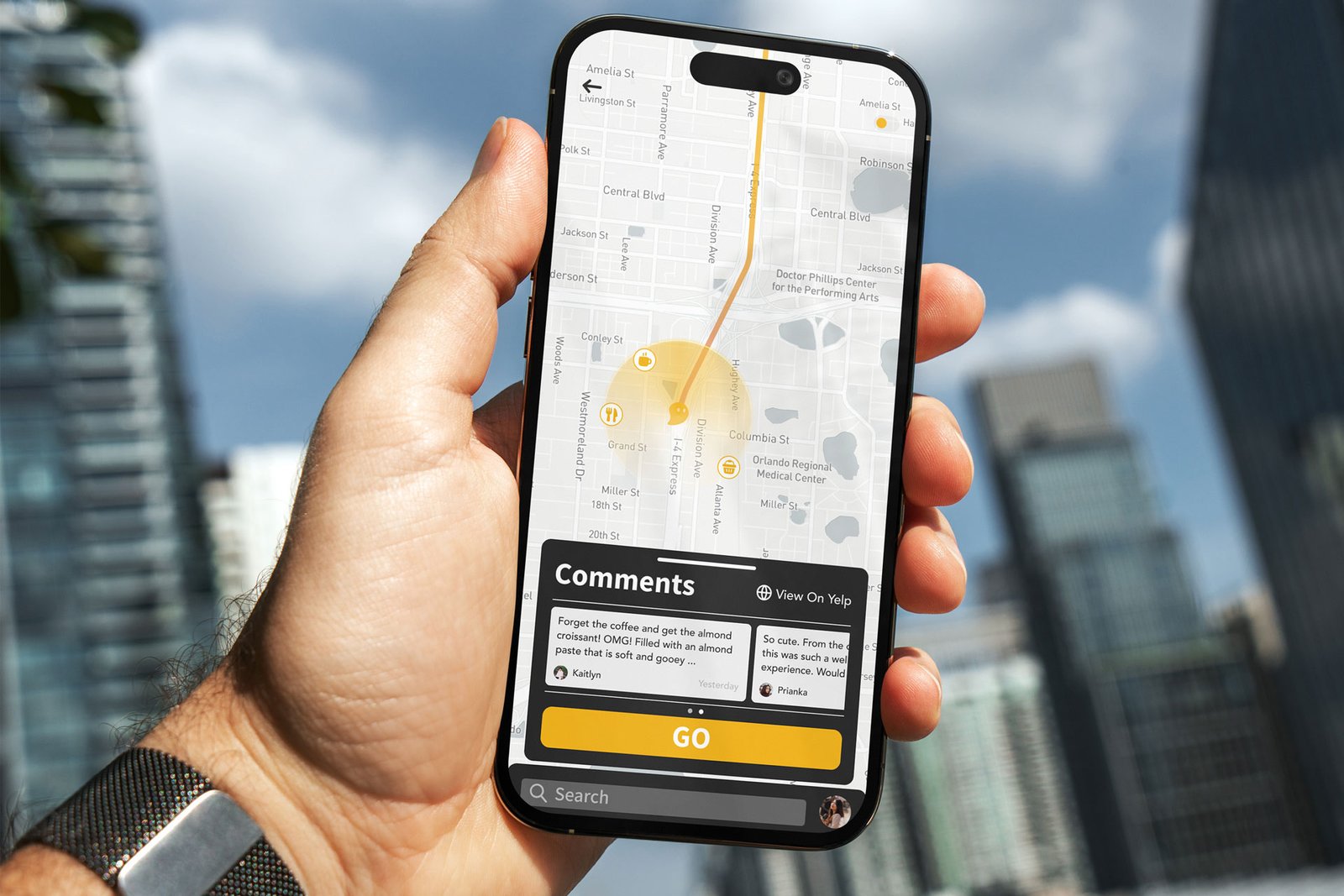
Read more about this interview with Yiying Tang from the United States, the Platinum Winner of the 2023 London Design Awards.