
Design & Inspiration
Interview with Mengzhu Ouyang of Finix Payments Inc

Mengzhu Ouyang
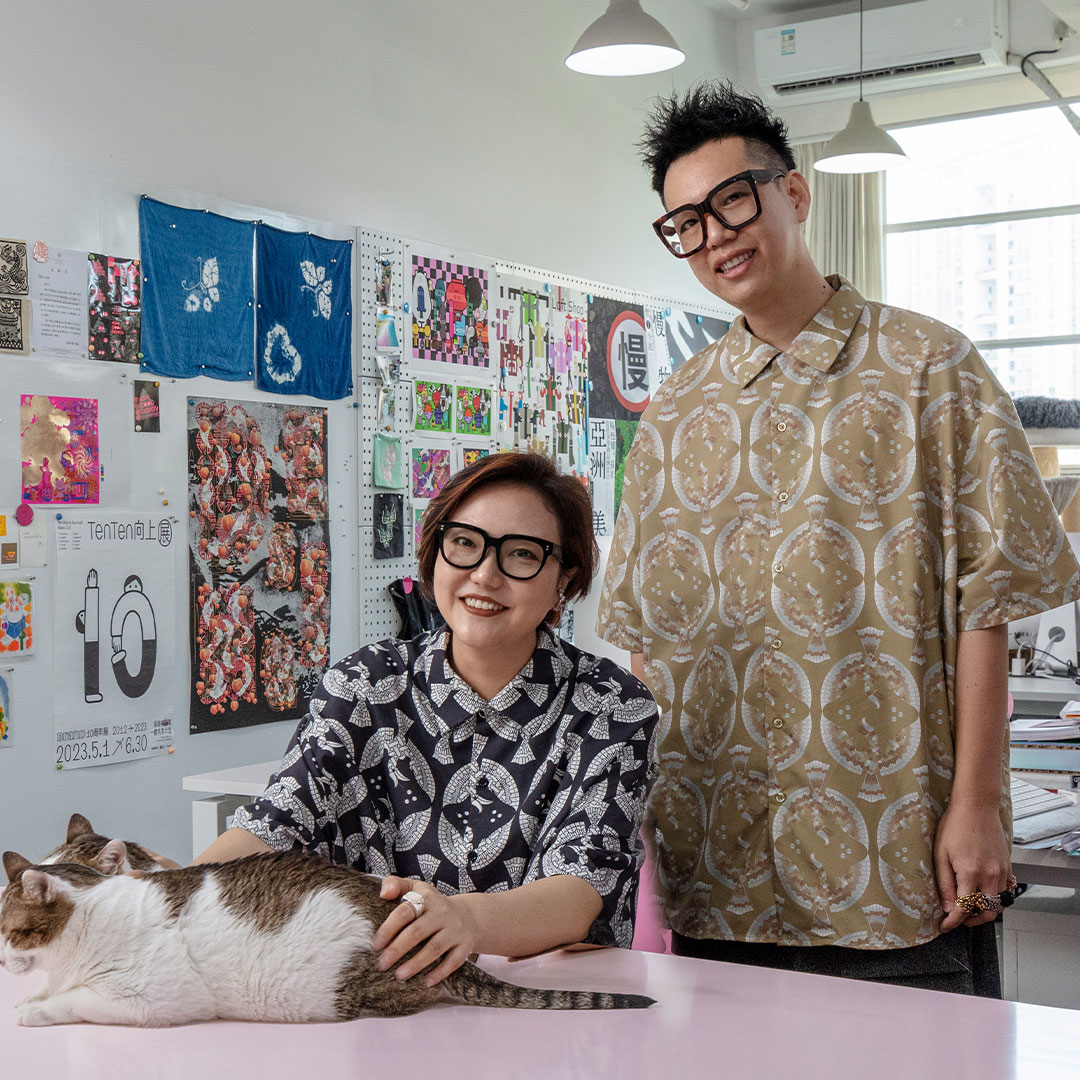
Mengzhu Ouyang is an engineer-turned-designer who is motivated by a desire to connect people with technology. Over the past 5 years, Ouyang has contributed to a variety of products in sectors including personal banking, supply chain management, and payment processing.I am Mengzhu Ouyang but I also go by Olivia. I’m an engineer-turned-designer and I’m driven by a passion to bridge the gaps between people and technology. In the past 5 years, I have worked on a diverse range of products across personal banking, supply chain management, and payment processing.
From the outset of my career in design, curiosity has been my primary motivator. While electrical engineering laid the groundwork, human-centred design has brought me closer to understanding and enhancing the user experience. It offers a unique platform to delve into why specific interactions or visual patterns succeed or fail.
Collaborating with a diverse array of talented individuals, each with different backgrounds, is something I relish. Sharing and refining ideas with them enriches my work and perspective. For me, being a designer is not just a profession; it's the fulfillment of a dream, allowing me to blend my technical knowledge with creative problem-solving.
I am presently employed at Finix, a prominent provider in the payments technology sector, known for empowering businesses to manage online and in-person payments seamlessly. Our diverse clientele ranges from startups to large publicly traded companies, including cutting-edge software platforms, dynamic marketplaces, payment facilitators, and independent merchants. At Finix, we specialise in streamlining payment processing, eradicating manual workflows, elevating customer experiences, and accelerating revenue growth for our clients.
As a product designer, I lead projects across different payment lifecycles to craft intuitive dashboard workflows so our customers’ payment operation teams can reduce time spent on manual tasks and garner deep insights from contextual payment data.
For me, design is synonymous with problem-solving. It involves a rigorous process of identifying issues, then addressing them through user research, brainstorming sessions, and validation. Crucially, design demands user testing to ensure that the most effective solution is found within the specific context.
I don’t view design as an exclusive, creative secret reserved for designers alone. Instead, I embrace and apply design thinking in all aspects of my life, both professionally and personally. I actively engage with others, sharing ideas and perspectives, in pursuit of the most effective solutions. This collaborative approach not only broadens my understanding but also enhances the overall quality of the outcomes.
I find myself deeply intrigued by exceptional service design experiences, like the immersive journey through an IKEA showroom, the captivating narrative of a museum exhibit, or the ingeniously crafted waiting lines at Disney parks. I take great pleasure in dissecting the meticulous thought process designers employ at each user interaction point.
These everyday encounters with outstanding design not only pique my curiosity but also serve as a constant source of inspiration, influencing my approach to design and creativity.
A "good" design is about effectively addressing the right problem, tailored to meet specific user needs, with the aim of enhancing both product functionality and customer experience. A prime example of this is the handicap push plate. Initially designed to aid wheelchair users in opening doors, since standard door handles fail to meet the accessibility needs of individuals with mobility challenges, these push plates have proven beneficial to a wider audience.
They assist not just those with permanent disabilities, but also people with temporary injuries, or even someone with their hands full, like carrying groceries. This illustrates how good design can transcend its initial purpose, offering broader, inclusive benefits.
Traditionally, legacy payment providers have struggled to adapt to the rapid advancements in the payments industry. Their platforms, often outdated, weren't initially conceptualised to accommodate emerging commerce models like marketplaces, SaaS platforms, and multi-merchant systems.
Consequently, many of today's payment companies are constructed upon these older legacy payment processors. This reliance inherently imposes limitations, particularly in the quality and capability of the underlying infrastructure, constraining their ability to innovate and meet modern commerce demands effectively.
To enhance our designs, we undertook comprehensive user testing and incorporated insights from payment experts. Additionally, I delved into research on productivity tools, aiming to understand and implement strategies that assist users in maintaining focus, minimising distractions, and building confidence in their actions. This multi-faceted approach allowed us to create more user-centric and effective design solutions.
I was born and raised in China where the financial system is completely different from the United States. I believe this has always put me in a humble mindset to absorb as much as possible when starting any project. This is also beneficial to cross-functional collaboration and my process with design teams.
We are honoured to receive this recognition from the London Design Awards. It is a huge accomplishment for both the product design team and Finix as a whole.
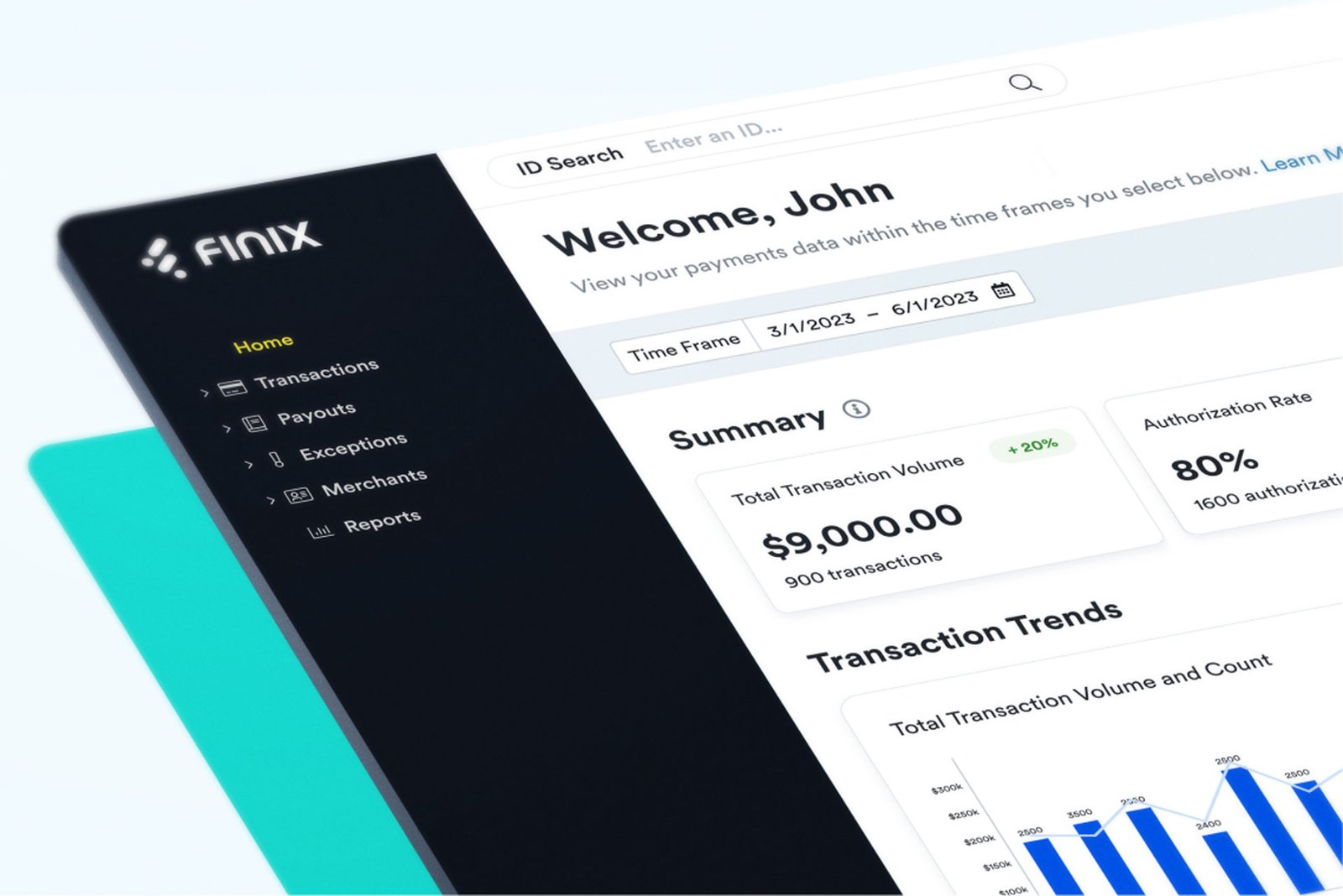
The redesign of our dashboard marked a significant milestone for Finix, substantially elevating our user experience. Finix now offers businesses instant access to comprehensive reports and concise, at-a-glance snapshots of payment data directly from the revamped dashboard, enhancing both functionality and user convenience.
Using intuitive design patterns, our dashboard prioritises tasks, provides transparent payment analytics, and allows businesses to manage their payment operations seamlessly. This means businesses have access to all the important details about how their business is doing as soon as they log on—from payouts and settlements to merchant deposits and more.
Winning the award is a huge recognition for me and shows how important it is to focus on designing for user experience. I feel encouraged to keep driving user value through my work and continue to work with cross-functional teams to use design as a tool to enhance customer experience.
My top three favorite things about the design industry are deep empathy, constant innovation, and close collaboration with others. As a designer, I find nothing more rewarding than witnessing users experience an “aha” moment and solving problems with my designs.
I think artificial intelligence will have a significant impact on the product design landscape. Over the next 5-10 years, I believe AI-assisted tools will free up designers’ time, enabling them to spend more time problem-solving and less time handling project logistics.
Regardless of the industry, team size, or tools that you use, solving problems with the user in mind will always guide good design. The best advice I can give is to keep advocating for users throughout the entire process. A great solution should follow!
The design community is the most inviting community that I have ever seen. Whenever you have a question, don’t be afraid to ask! You could ask other designers, domain experts, or even ChatGPT. Also, there are tons of design courses and tutorials available online for any type of design skills.
I have thalassophobia.
I am super grateful to be constantly inspired by the people I love. Growing up by watching tons of documentaries with my dad, I formed the habit of asking a lot of questions and it has helped me to always stay curious. During my design career, I ‘ve also been inspired by diverse design mindsets and have learned from managers, peers, and mentors.
Always focus on the present. When doing the actual work, I don’t think ahead about the outcomes because I know I will always learn regardless. Failure is not scary. Not learning from failure is scary.
Thanks IAA for providing this great platform for the Finix design team to showcase our customer-first mindset!
Winning Entry
Read more about this interview with Danilo Villanueva of Makina & Co, the Platinum Winner of the 2023 London Design Awards.

Latest Posts

Shahrzad Rafati: Shaping the Future of the Creator Economy
OCTOBER 26, 2026
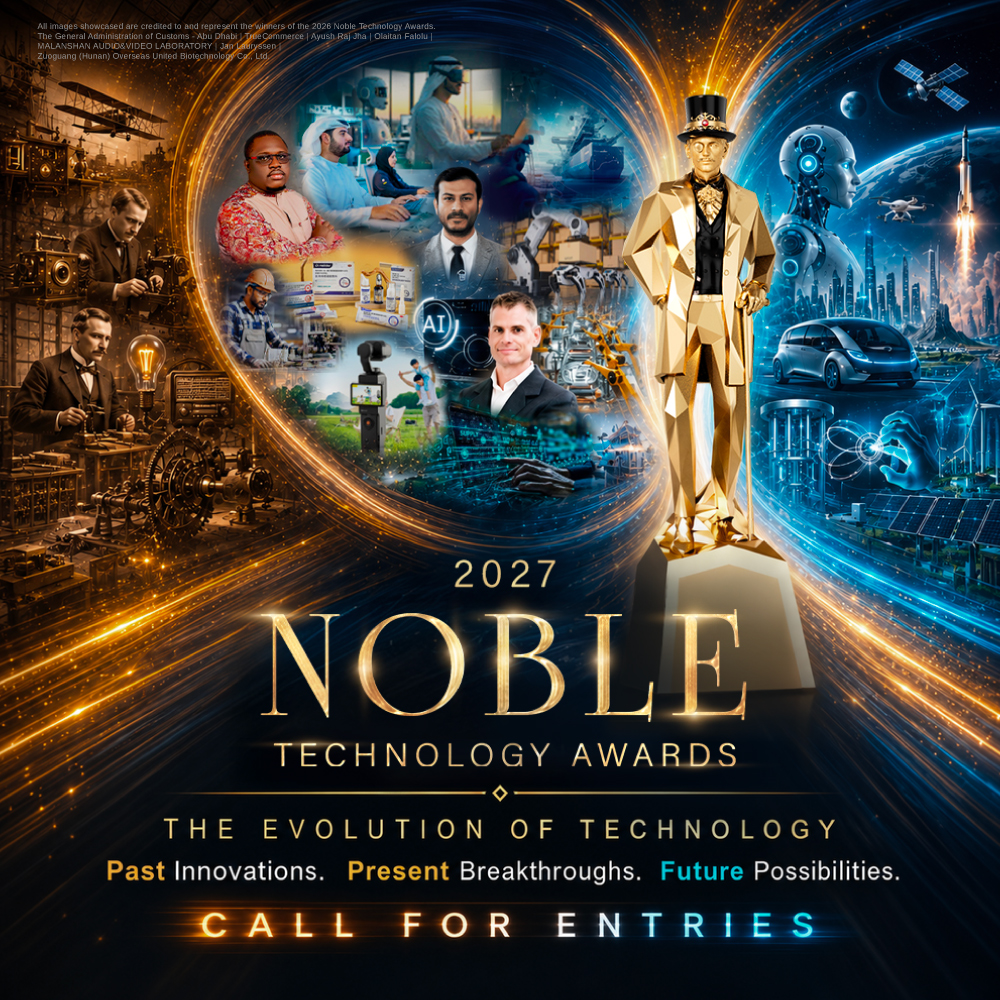
2027 Noble Technology Awards Opens Global Call for Technologies, In...
OCTOBER 22, 2026

Arte of Beauty Awards Opens 2027 Global Call for Entries Across the...
OCTOBER 22, 2026

Building a Legacy at OMGAD 2026 | Miral Champions Celebrates the Hu...
OCTOBER 21, 2026

2027 MUSE Photography Awards Opens Seventh Year for Images That Def...
OCTOBER 21, 2026

Reimagine Craft: 2027 MUSE Creative Awards and MUSE Design Awards O...
OCTOBER 21, 2026

2027 MUSE Hotel Awards Opens for Entries to Recognize Exceptional H...
OCTOBER 21, 2026

2027 MUSE Illustration Awards Launches New Global Platform for Illu...
OCTOBER 20, 2026

2027 Noble Impact Awards Launches in Recognizing Positive Impact Wo...
OCTOBER 20, 2026

MUSE Expands Its Global Legacy with the Launch of the 2027 MUSE Eve...
OCTOBER 20, 2026


IAA GLOBAL AWARDS
MUSE Awards
- MUSE Creative Awards
- MUSE Design Awards
- MUSE Hotel Awards
- MUSE Photography Awards
- MUSE Event Awards
- MUSE Illustration Awards
Vega Awards
NYX Awards
TITAN Awards
- TITAN Business Awards
- TITAN American Business Awards
- TITAN Property Awards
- TITAN Women in Business and Leadership Awards
- TITAN Health Awards
- TITAN Innovation Awards
- TITAN Brand Awards