Celestial Callygraphy
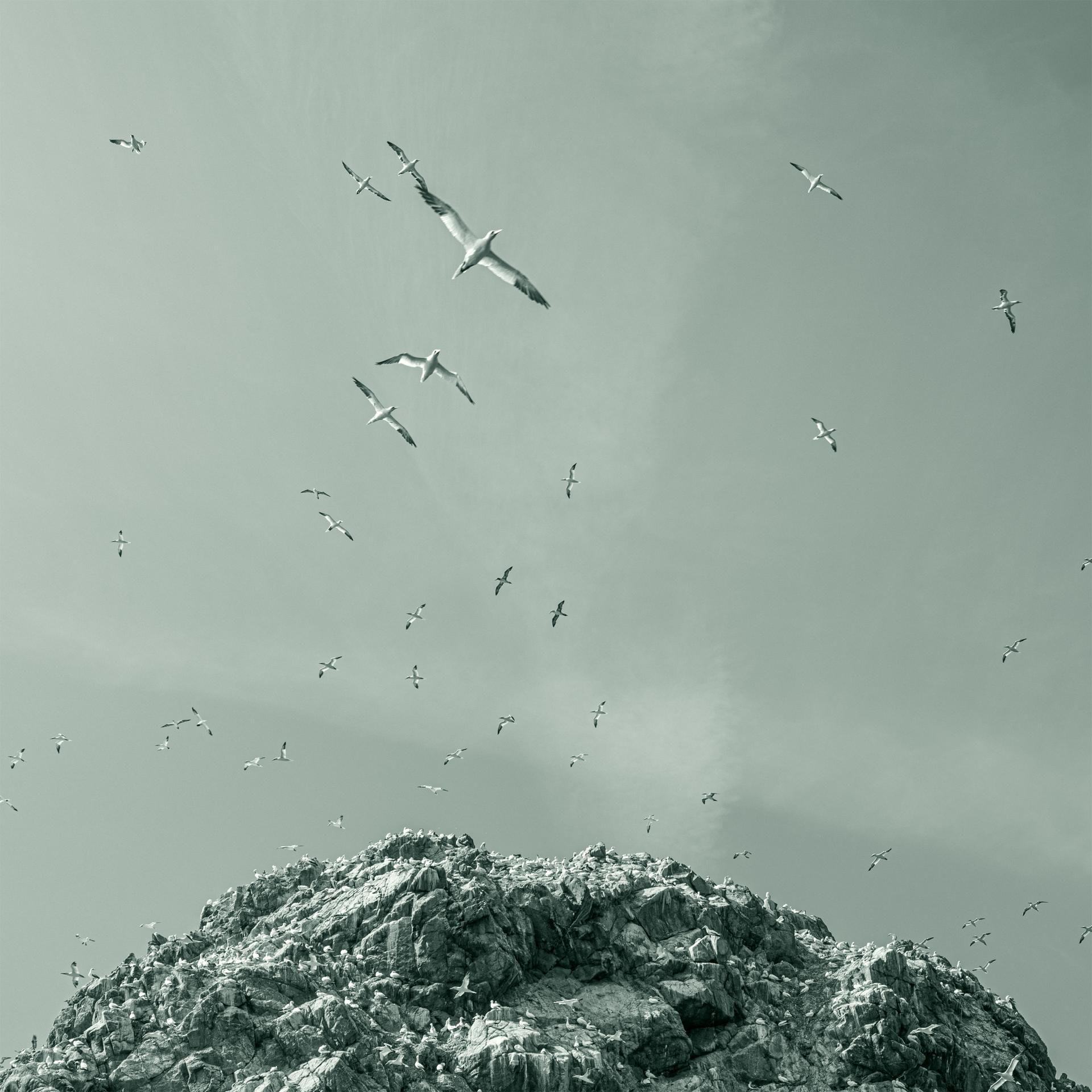
This two-part series presents a minimalist study of the Northern Gannet colony on Île Rouzic....
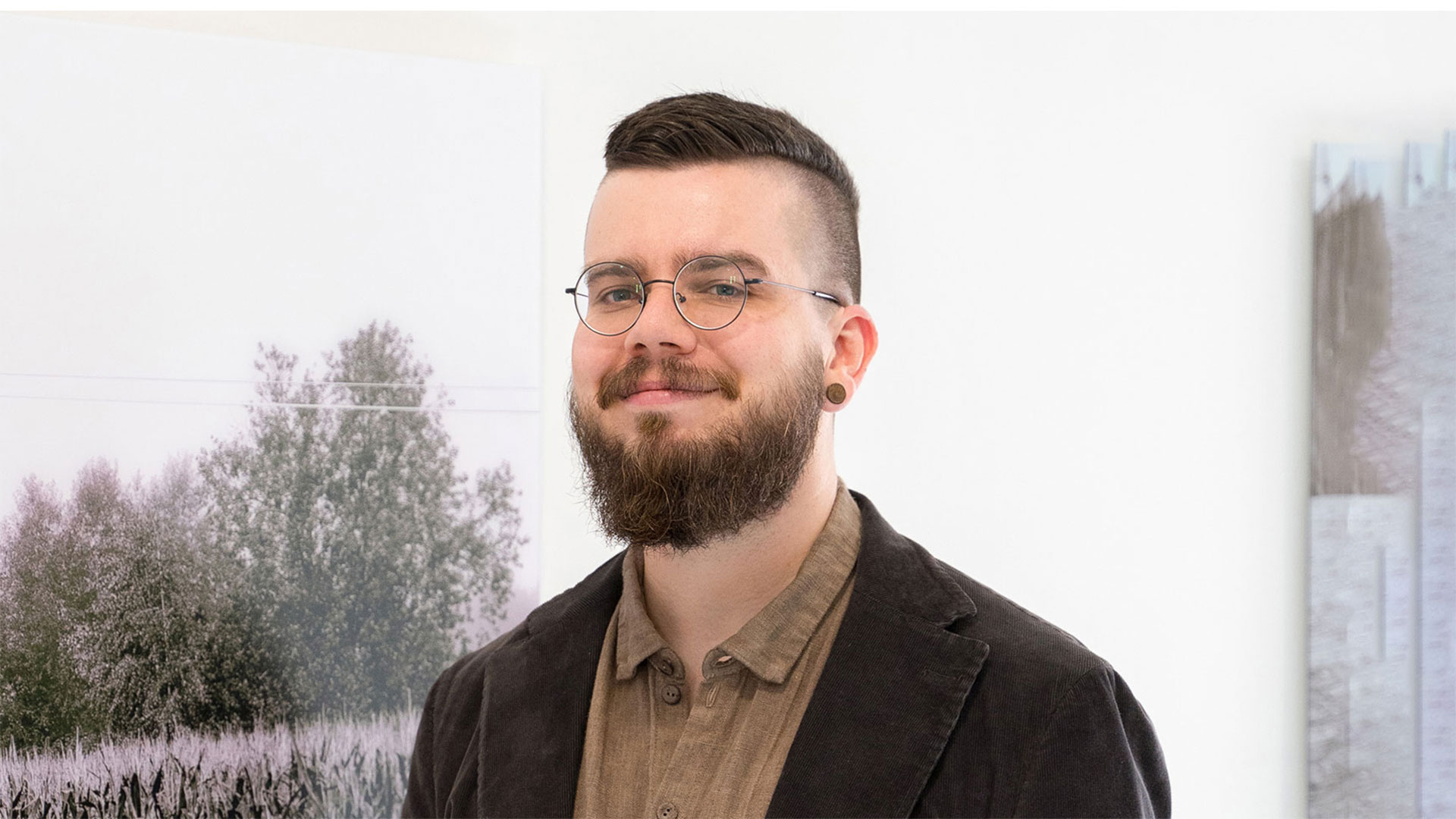
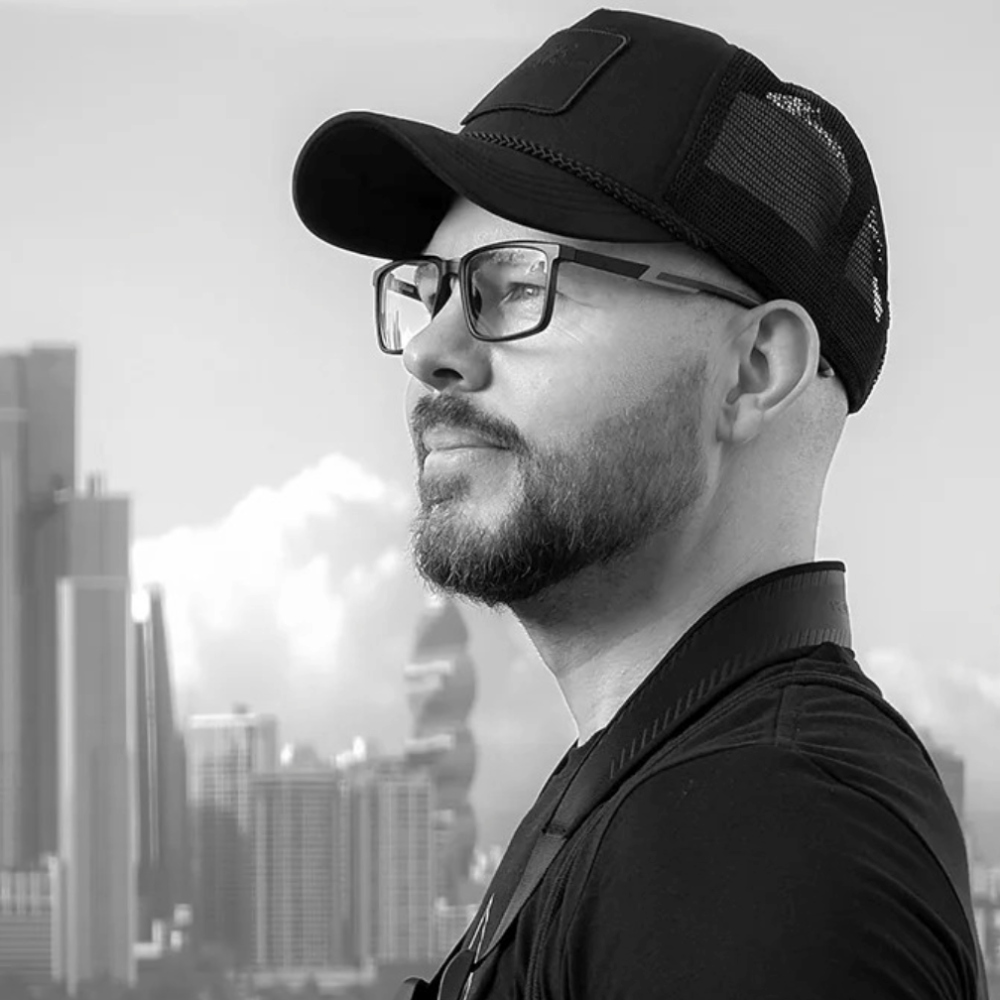
Marcel van Beek is a Germany-based visual artist who transforms everyday surroundings into atmospheric, emotionally charged images, using photography to uncover hidden forms, tension, and quiet mystery.
I am a visual artist based in Germany, and my work is driven by a desire to uncover the strange within the familiar—the hidden forms, structures, and atmospheres embedded in objects and everyday surroundings. My academic background is in painting, and it still shapes the way I think about images. What draws me to photography, however, is its distinct visual language. Unlike the solitude of the studio, it allows me to encounter the world outside and, through that encounter, better understand something about myself.
My journey began with a fascination for quiet, often overlooked details in my environment. Over time, my practice has evolved toward a more formal, structured, and at times minimalist aesthetic through which I explore archetypal forms, subtle tensions, and a sense of mythic resonance.
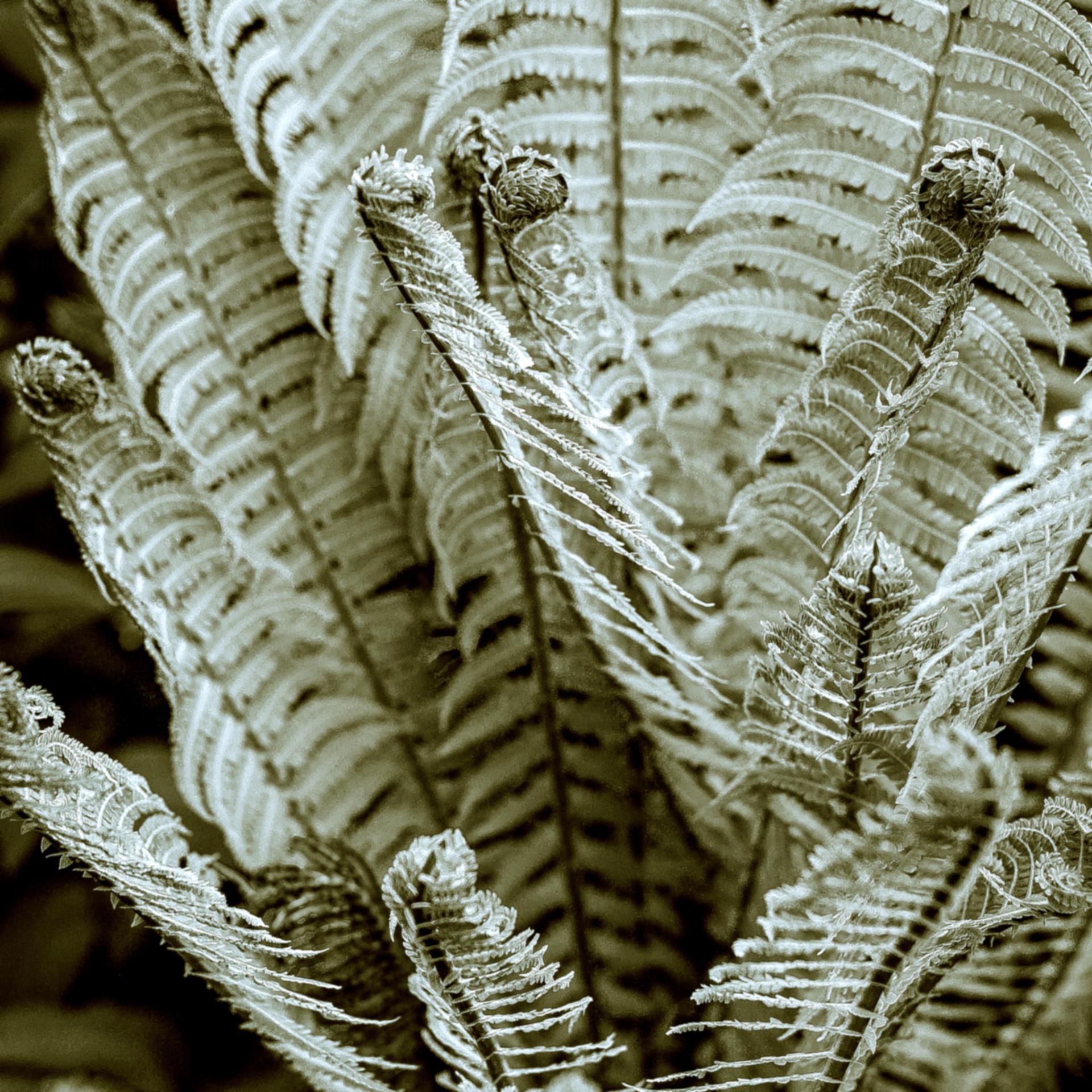
My award-winning work, particularly the Sylvan Weaves series, is rooted in the idea of the “primordial body.” I wanted to approach trees not simply as objects or elements of the landscape, but as living fellow beings and an ancient, animating force. The work seeks to move beyond description toward a more elemental presence—something both physical and quietly spiritual.
Winning this award feels deeply encouraging. It affirms my belief that a structured, partly minimalist, monochrome visual language can still carry emotional depth and resonate on a universal level. For me, it is a meaningful confirmation that this way of seeing—and shaping images—can truly connect with others.
When choosing a photograph for a competition, I look for works that bring together formal rigor and emotional resonance. I am drawn to images in which composition and atmosphere create a sense of stillness, tension, and depth, while also pointing beyond what is literally depicted.
The strongest works, for me, are those that are visually precise yet symbolically open—images that carry a deeper human or ecological significance and continue to unfold in the viewer’s mind.
What first made me pick up a camera was the feeling that photography could connect me to the world in a more immediate way than painting. Painting will always remain important to me, but it often takes place in the solitude of the studio. Photography, by contrast, allowed me to step into the world and respond to what was already there. That became essential in helping me find my own visual language.
From the beginning, I was drawn to the idea of holding time still and noticing the quiet presence of things. I became fascinated by the thought that even ordinary objects or spaces—a curtain, an empty pool, a surface touched by light—can carry a hidden beauty and reveal subtle traces of time if we look closely enough.
My favorite kind of photography is fine art photography with a conceptual approach because it gives me the freedom to express inner landscapes of thought and feeling. I am less interested in simply recording what is there than in finding a visual form for something quieter and more inward.
What I love most is the challenge of reduction—stripping away color, context, and distraction so that an image can speak more clearly. Through monochrome and a controlled visual language, I try to reveal the hidden structure and quiet intensity of a scene. I am drawn to moments when the everyday begins to hold a deeper, almost ungraspable mystery—something close to what the Japanese aesthetic tradition calls yūgen.
My preferred setup is deliberately simple and mobile because I like to photograph in an investigative, responsive way while moving through the world. I am less interested in elaborate or artificial staging; what matters more to me is remaining open to the moment and to the quiet transformations of light, surface, and space.
This approach works best for my projects because much of my work depends on attentiveness rather than intervention. I am drawn to subtle textures of light and shadow, particularly in architectural and still-life settings, and I want to encounter them as directly as possible. In that sense, my favorite “feature” is not technical, but the discipline of the single in-camera exposure. It keeps me fully focused on composition, timing, and what I think of as the liquid geometry of a moment.
I would want viewers to feel a kind of contemplative stillness—a sense of inner warmth, but also ambiguity and depth. I hope my images encourage people to slow down, stay with them for a while, and sense that there is something within them that cannot be fully understood at first glance.
My work often exists at the intersection of inward experience and broader social or ecological realities. Ideally, the photographs feel both emotionally affecting and quietly demanding: open enough to invite reflection, yet powerful enough to leave a lasting emotional and psychological resonance.
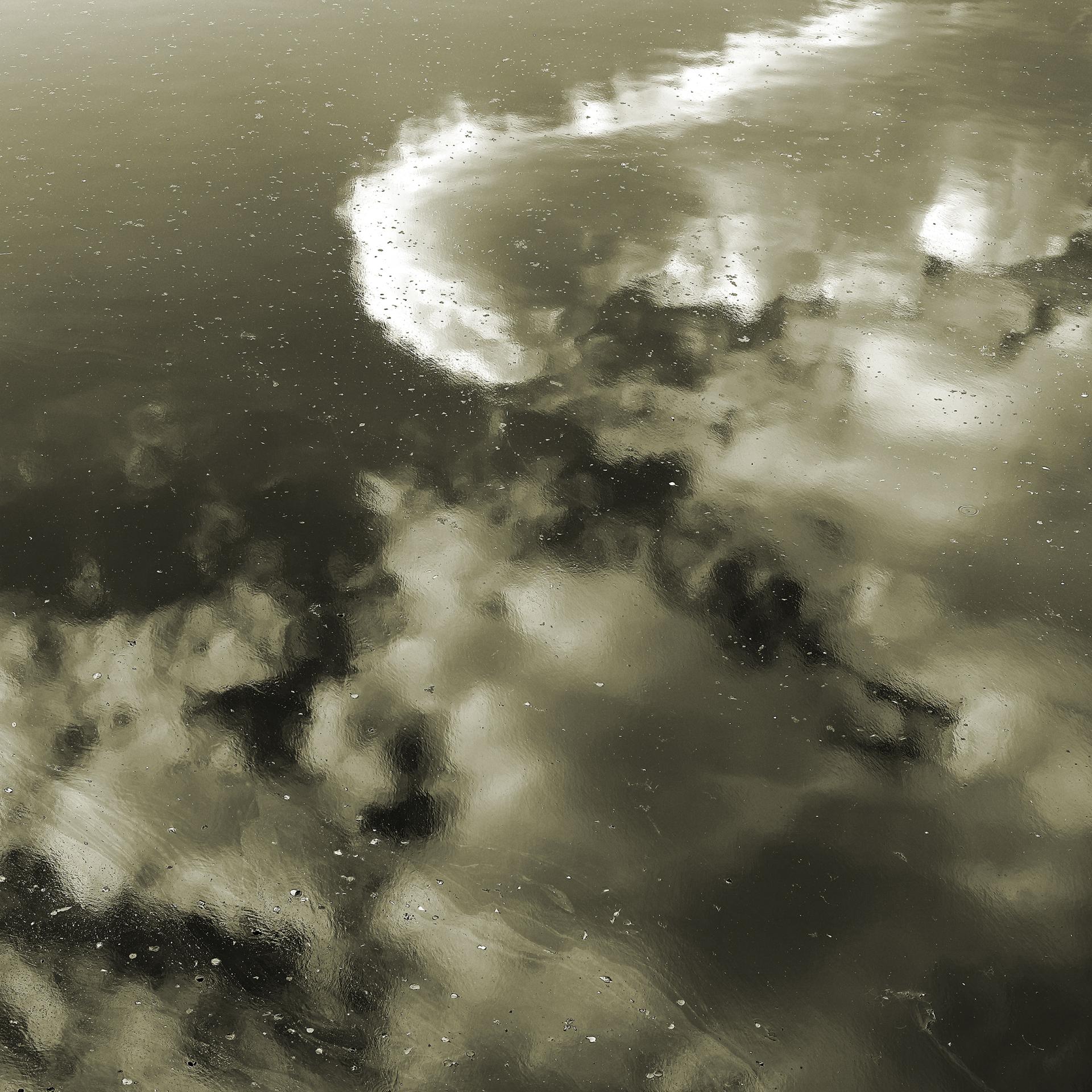
The most challenging part was the patience the work required, especially in Citrinitas, where even snail trails moving across condensation could become the starting point for entirely new worlds. I was working with extremely subtle shifts of light, reflection, and material presence, so the image depended on waiting for a precise moment when an ordinary surface could begin to feel transformed—more charged, unfamiliar, almost otherworldly. I was searching for that fragile point where structure and atmosphere come together and the photograph begins to move beyond simple description.
What became equally important was the process afterwards. A series like Citrinitas also demands careful editing and curation, because the final work is not only about capturing a single image, but about recognizing which image truly holds the tension, presence, and mystery I am trying to convey.
Forests and the natural world are a major source of inspiration for me because they give me a sense of contemplation, stillness, and even a kind of healing. But I am equally drawn to geometry, rhythm, and pattern, and I find those not only in nature, but also in architecture, staircases, thresholds, and ordinary objects.
In the end, I think I am most inspired by places that hold a quiet, archaic stillness—places where the everyday begins to feel slightly transformed. That might be a forest, a nighttime urban scene, a corner of a room, or the shifting body of the sky. I am always searching for moments in which atmosphere, form, and presence come together in a way that feels both immediate and timeless.
Some of my strongest influences still come from painting, especially Romanticism and Symbolism, with their atmosphere, inwardness, and sense of metaphysical depth. I have also been drawn to darker surreal influences, such as the work of Zdzisław Beksiński, where forms seem suspended between dream, memory, and unease.
In photography, I have been deeply influenced by the formal rigor and quiet melancholy of artists like Mimmo Jodice and Josef Sudek. I also feel a strong connection to the Japanese aesthetic tradition, particularly its way of finding mystery, grace, and emotional depth in shadow, ambiguity, and restraint. In that regard, I greatly admire Issei Suda, whose work I find both precise and hauntingly poetic.
Photography awards can be very valuable because they push you to clarify your own visual narrative. They force you to edit, make decisions, and ask yourself what you truly want your work to communicate. Even that process alone can help you grow.
My advice would be to choose authenticity over trends. Say what you genuinely need to say, and trust your inner voice rather than trying to anticipate what a jury might want. In the end, people respond to work that has a distinct and consistent character—images that feel personal, honest, and rooted in a genuine way of seeing.
I would say: photograph what you genuinely feel connected to. Before worrying too much about technique, learn to see—and to feel—more attentively. Spend time noticing how light changes the weight, mood, and presence of things.
And do not be afraid of simplicity.
Reduction is often more powerful than endlessly adding more. If you stay patient and trust what truly resonates with you, your own visual language will gradually begin to emerge.
Editing and post-processing are a very important part of my process. I often begin photographing in an exploratory, investigative way, but later, in the studio, the work becomes more reflective. That is the stage where I reconstruct, reconsider, and gradually understand what the image is truly becoming. In many ways, the artwork fully emerges there.
For me, post-processing is about distillation rather than correction. I use it to refine tonal relationships, deepen atmosphere, and ensure an image or series holds the right emotional density. And because bodies of work continue to evolve over time, editing is never simply an endpoint—it is part of how the work keeps growing.
While technology continues to evolve, the art of seeing remains deeply human. AI may change the tools available to us, but it cannot replace the visceral, physical experience of being present in a space and responding to its particular resonance. My own approach will remain rooted in the in-camera encounter with reality.
I would be drawn to places where elemental forces reveal themselves with particular intensity—volcanic landscapes, flowing lava, or other manifestations of the earth in a state of transformation. What fascinates me about such scenes is not only their visual power, but the sense of witnessing something primordial: fire, matter, and time becoming visible all at once.
And yet, even there, I think I would still be searching for what has always interested me most—the extraordinary within the ordinary. Whether in a remote landscape or within the quiet altars of daily life, I want to photograph those moments when the world seems to exceed itself, when form, atmosphere, and presence become charged with something deeper, more mysterious, and quietly universal.