Shopping Universe
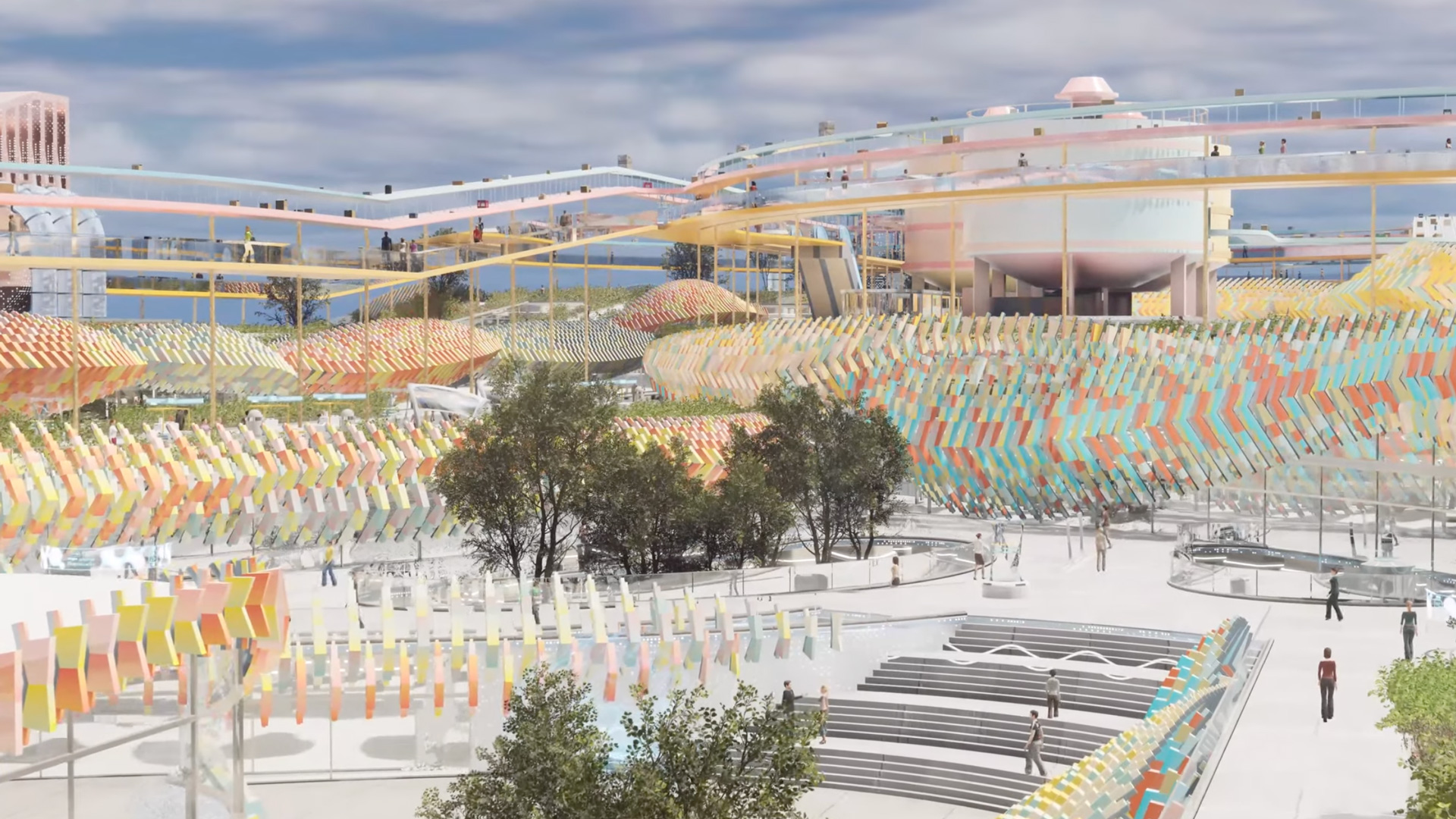
Shopping Universe envisions a new architectural typology that fuses production and consumption into a single,...
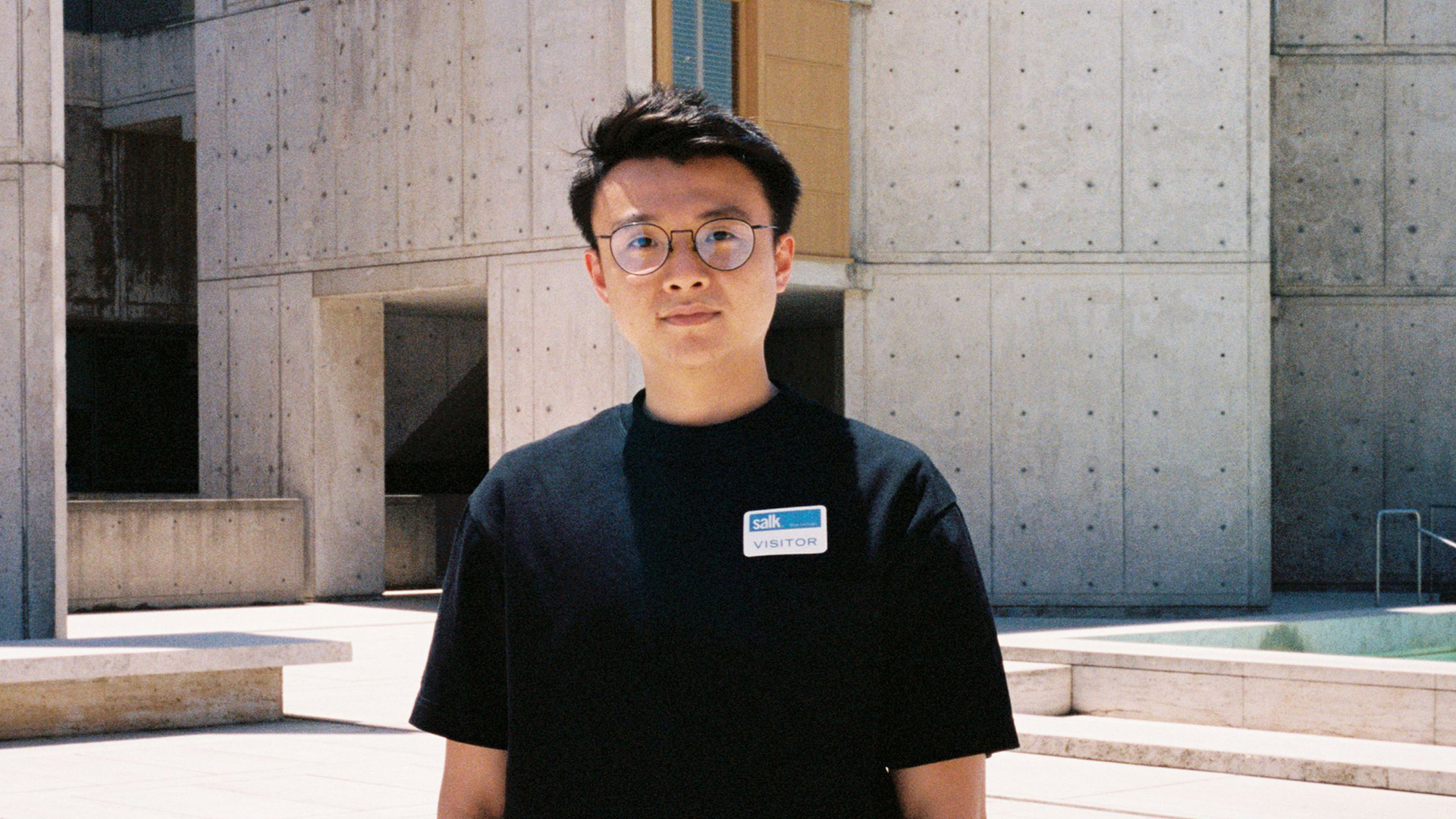
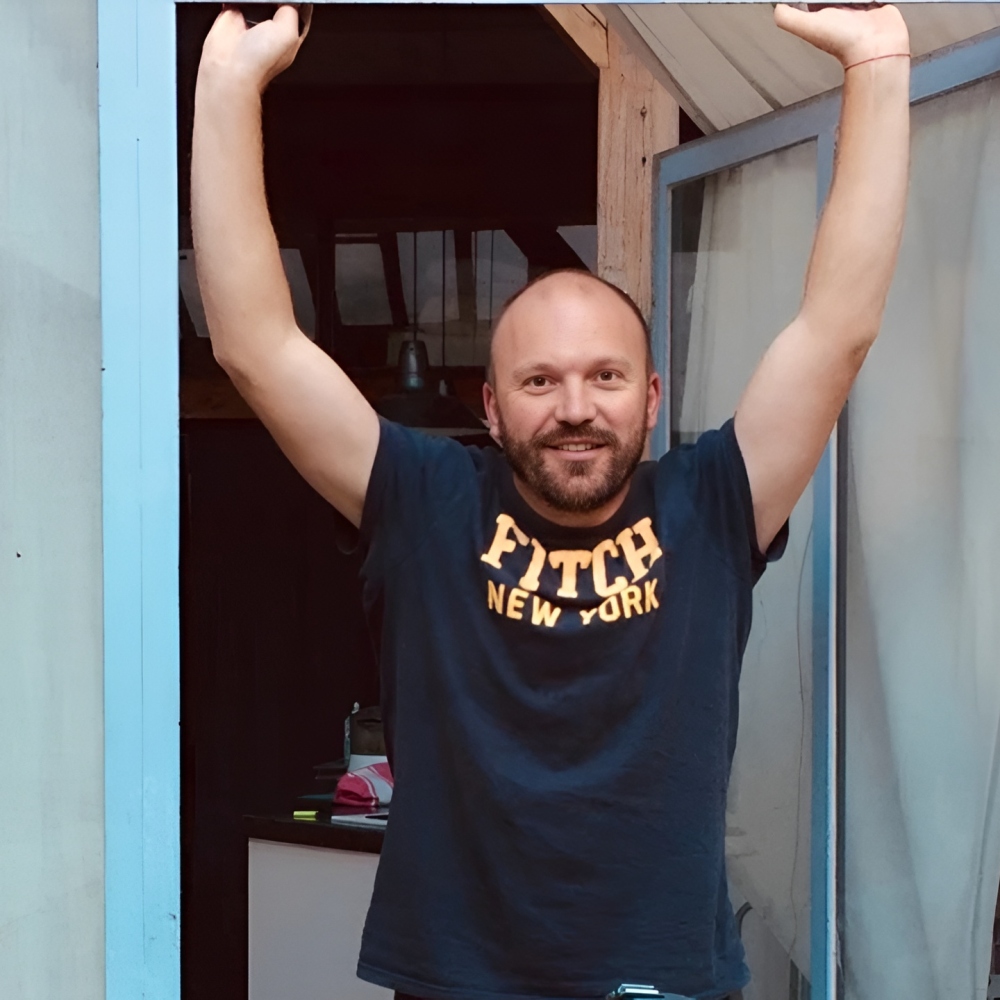
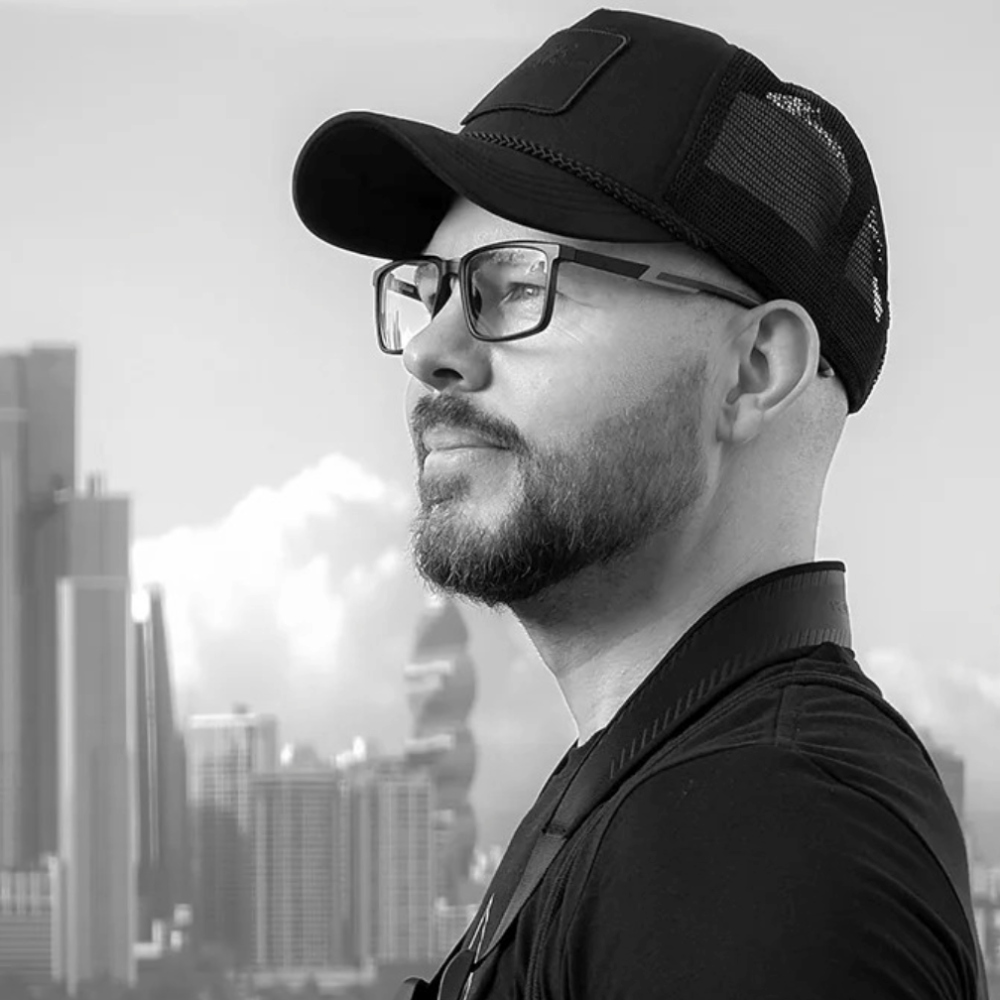
Wei-Chieh Wang is a Los Angeles–based architectural designers who explore how cities and everyday spaces shape human behaviour, crafting award-winning, research-driven work that turns abstract ideas into compelling environments and conversations about contemporary urban life.
My name is Wei-Chieh Wang, and I’m an architectural designer currently based in Los Angeles. This award-winning project was a collaborative effort with Meng-Jung Ho, whose contributions were integral to its development.
I was drawn to design through an early fascination with cities and how everyday spaces influence human behaviour. Architecture appealed to me because it operates at the intersection of art, technology, culture, and responsibility, transforming abstract ideas into environments that shape how people live and interact.
Being recognised by the Rome Design Awards is deeply meaningful, especially as it acknowledges a collaborative design process rooted in research and experimentation.
It’s rewarding to see our shared ideas resonate with an international audience and jury, and it reinforces the importance of critical, concept-driven work in shaping future conversations around architecture and urbanism.
This achievement has strengthened both my professional confidence and my belief in collaborative authorship. It has opened new dialogues with designers, academics, and practitioners across disciplines, while also highlighting the value of teamwork in developing complex ideas.
The recognition has helped position our work within a broader global discourse and has encouraged further exploration of speculative and research-based design.
Experimentation is central to my creative process and was a shared mindset throughout this project with Meng-Jung Ho. We used iterative modelling, parametric studies, and diagrammatic testing to explore architecture as a system rather than a static object.
This approach allowed us to test spatial, social, and economic relationships simultaneously, leading to discoveries that could not have emerged through a linear process.
One unusual source of inspiration was logistics and supply-chain systems, specifically how goods are produced, stored, and distributed. Studying these invisible infrastructures helped us rethink architectural programmes and spatial sequences, particularly in relation to consumption and urban life.
I wish more people understood that design is fundamentally collaborative and iterative. Behind every refined outcome is a long process of testing, discussion, disagreement, and revision. Good design is less about instant inspiration and more about persistence, dialogue, and clarity.
I see this balance as an ongoing conversation. By clearly understanding the core intentions behind a brief, I look for design strategies that address practical needs while still advancing a strong conceptual position. Collaboration with clients and teammates is key to aligning vision with reality.
One of the main challenges was managing complexity while maintaining clarity. The project engaged multiple systems, including spatial, social, and economic factors, which could easily become overwhelming.
Through close collaboration and continuous testing, we distilled these layers into clear diagrams and spatial strategies that kept the core idea legible, cohesive, and grounded.
When I encounter a creative block, I step away and change scales, focusing either on technical details or observing everyday environments. Conversations with collaborators, walking through cities, and travel often help reset my perspective and bring new clarity.
I value clarity, adaptability, and responsibility. Growing up in dense urban environments has shaped my sensitivity to how architecture affects daily life at both intimate and collective scales. These values are reinforced through collaboration, where multiple perspectives help challenge assumptions and enrich the final outcome.
Stay curious, patient, and collaborative. Design success is built over time through developing a clear point of view and strong fundamentals. Learn from every project and every collaborator, and don’t be afraid to explore ideas that challenge conventional boundaries.
I would love to collaborate with Rem Koolhaas for his ability to merge architecture with research, writing, and cultural critique. His work demonstrates how collaboration and interdisciplinary thinking can expand what architecture is capable of addressing.
I wish people would ask, “What questions is this project trying to raise?” My work often begins with inquiry rather than solutions. Architecture, for me, is a platform to frame conversations about how we live, consume, and coexist. Collaboration is essential in shaping those questions meaningfully.