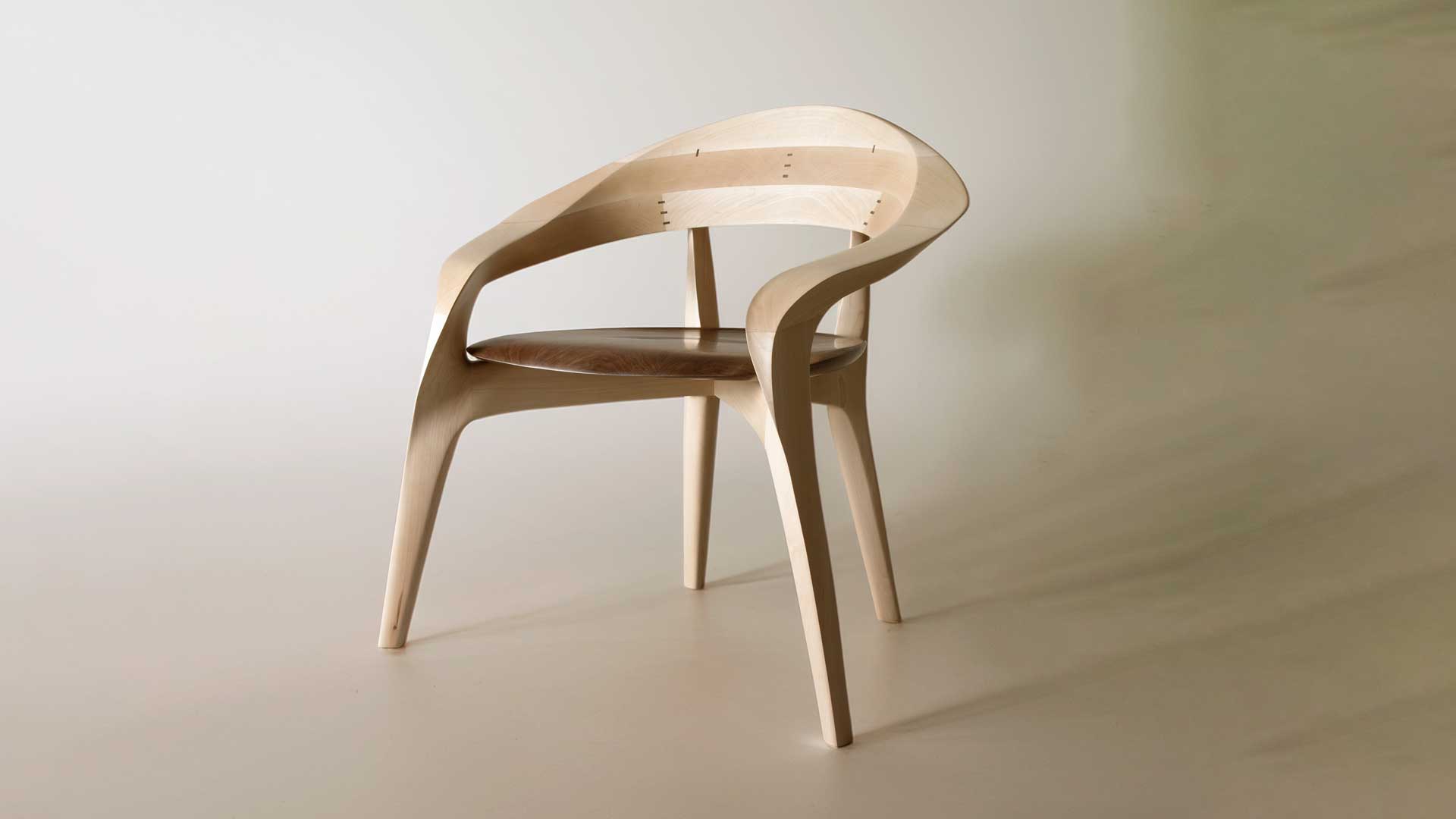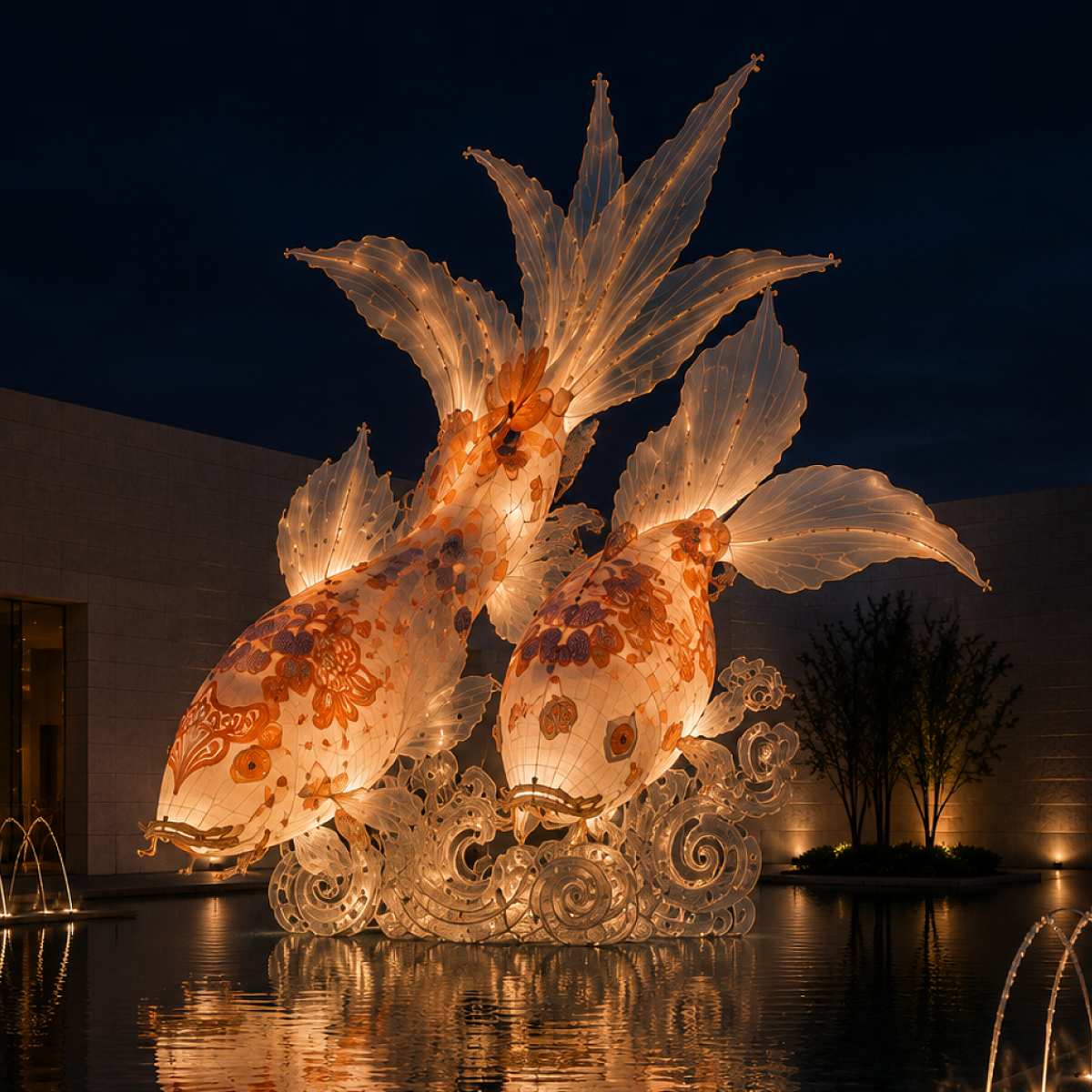
ORUHA Chair
ORUHA Chair is a craft‑led, autobiographical “public secret base” that offers private refuge within shared...
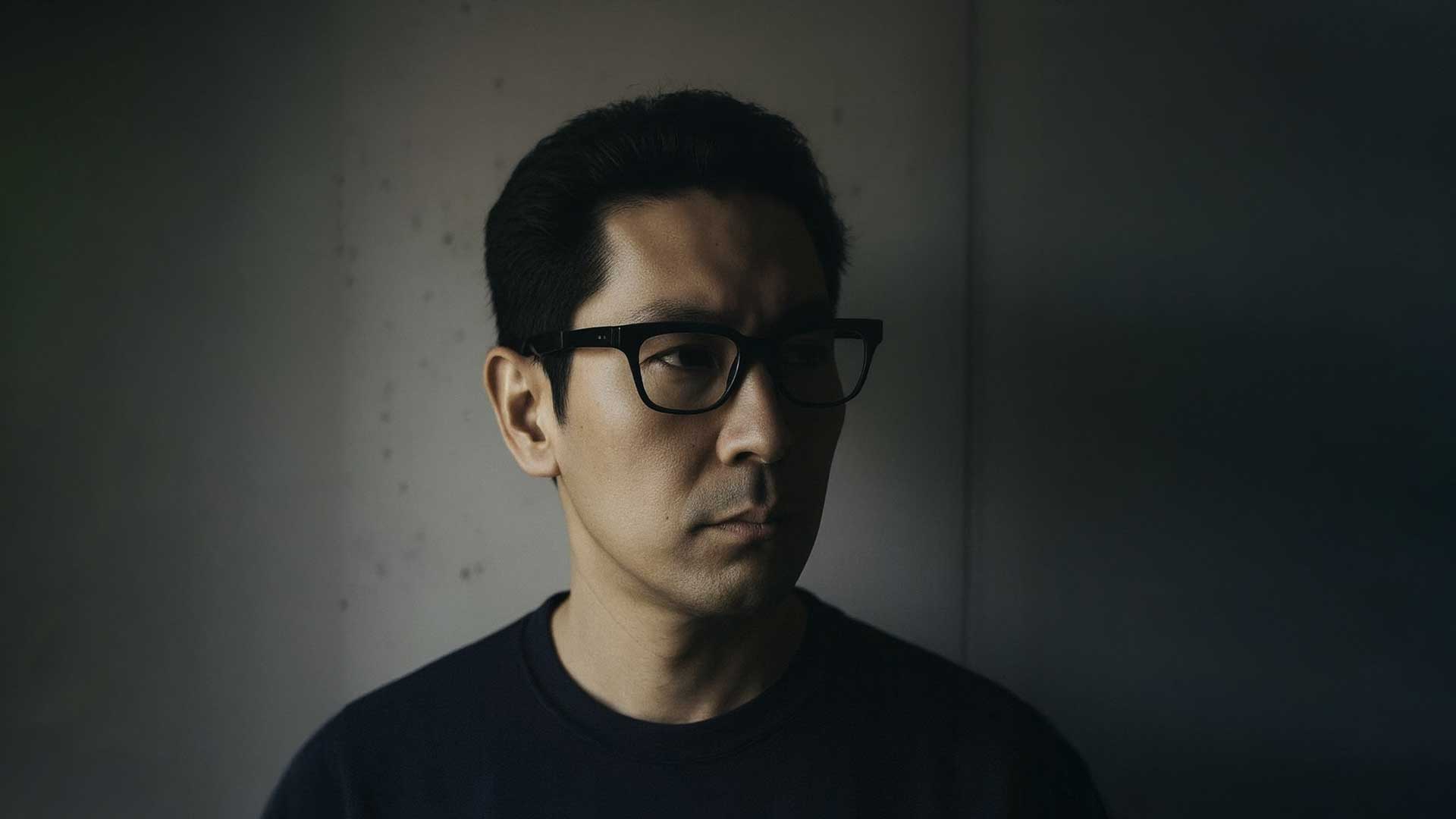
Yuya Nakazawa is a Japanese furniture maker and designer, originally trained as a video editor, who discovered design through shaping materials to guide emotion and experience. His life of travel, craft, and family informs his work, and he sees furniture as a medium for communication rather than mere decoration.
I am a Japanese furniture maker and designer, originally trained as a video editor. I came to design through making—by physically shaping materials and discovering that objects, like films, can guide emotion and experience.
My life has included travel, craft, family, and personal hardship, and design became the way I could translate those experiences into tangible form. To me, furniture is a medium for communication rather than mere decoration.
Being recognised by the Rome Design Awards is deeply meaningful because it acknowledges design as a cultural and emotional act, not merely a functional one. Rome values narrative and concept, which aligns strongly with my belief that design should carry memory, intention, and human presence.
This achievement has given my work international visibility and the confidence to move forward independently. It has reinforced my decision to pursue furniture as a long-term practice and has opened conversations with collectors and design professionals who value craftsmanship and narrative-driven work.
Experimentation is essential. The ORUHA Chair could not be precisely drawn before it existed. I tested the form through clay models and direct carving, allowing the material to guide decisions. Many failures—discarded prototypes—were necessary to reach the final shape.
Video editing taught me how context shapes perception. In the same way, subtle changes in curve or proportion can completely alter how a chair feels emotionally when someone sits in it.
Good design is often thought to be quick or intuitive. In reality, it is slow, repetitive, and often uncomfortable. Uncertainty is not a flaw in the process—it is an essential part of it.
I prioritise clarity. If a project requires compromises that weaken the core idea, I prefer not to proceed. For me, honesty of intent produces better outcomes than attempting to satisfy everyone.
The biggest challenge was translating an organic, asymmetrical form into wood without reference points. Measurements became unreliable, so I had to trust my instincts and accumulated experience. Accepting imperfection was key.
I step away from design entirely—spending time with family or walking aimlessly. Distance allows ideas to settle naturally.
Impermanence, care, and honesty. Life changes, materials age, and objects should reflect that. I design with the belief that furniture should accompany life, not dominate it.
Do not rush to be understood. Build slowly, make mistakes, and allow your work to mature before asking it to speak loudly.
George Nakashima. His respect for materials and his philosophy that wood carries life aligns deeply with my own approach.
When asked, “What happens to your work over time?” we respond that it changes—just like people do—and that transformation is not a failure of design, but its completion.