Hope
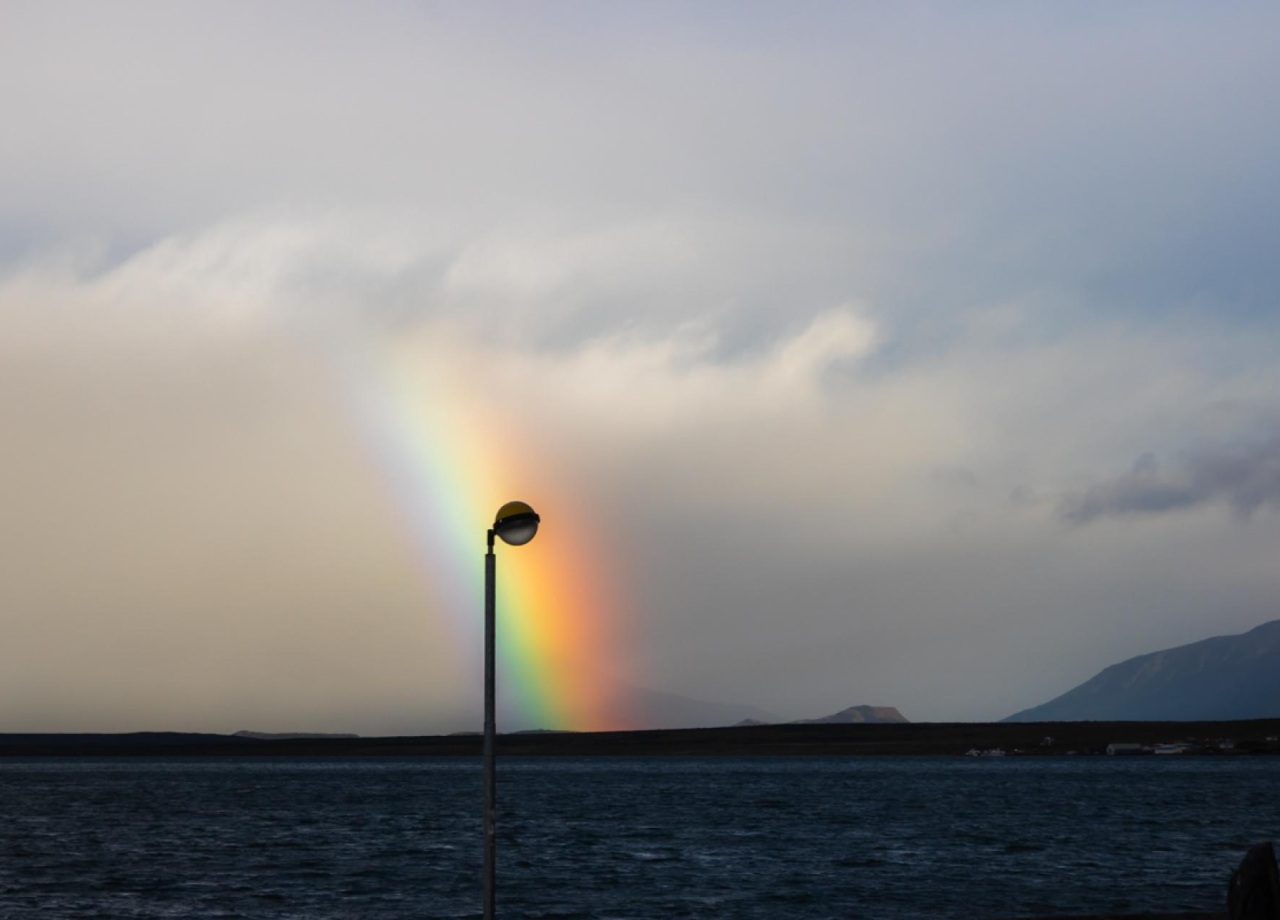
Even in the darkest times we should not lose Hope. Better days always come. Images...
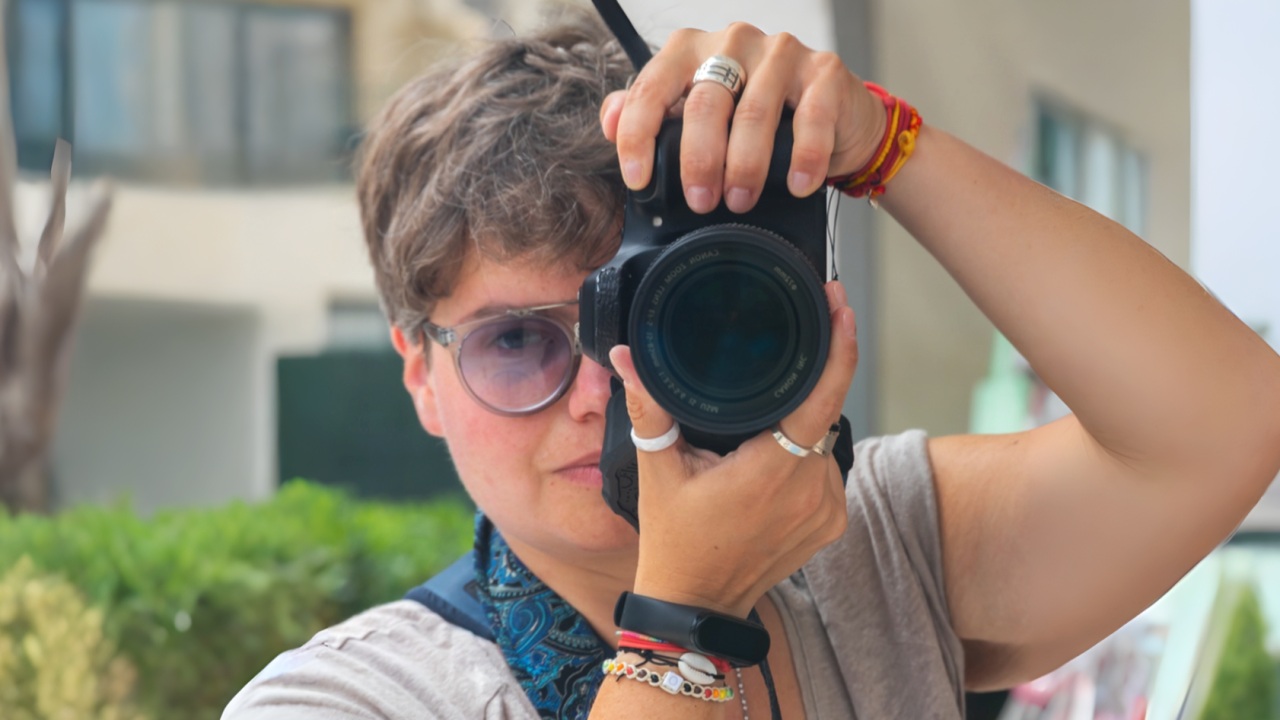
Aleksandra Kud discovered her passion for photography as a child and has spent years refining her craft while staying true to her creative instincts. Her photographs are an invitation to slow down, offering viewers a quiet moment of rest and contemplation.
Photography has been in my life for as long as I can remember. As a little girl, I always wanted to take pictures. Considering such an early age, I can say that my style and technique have evolved a lot.
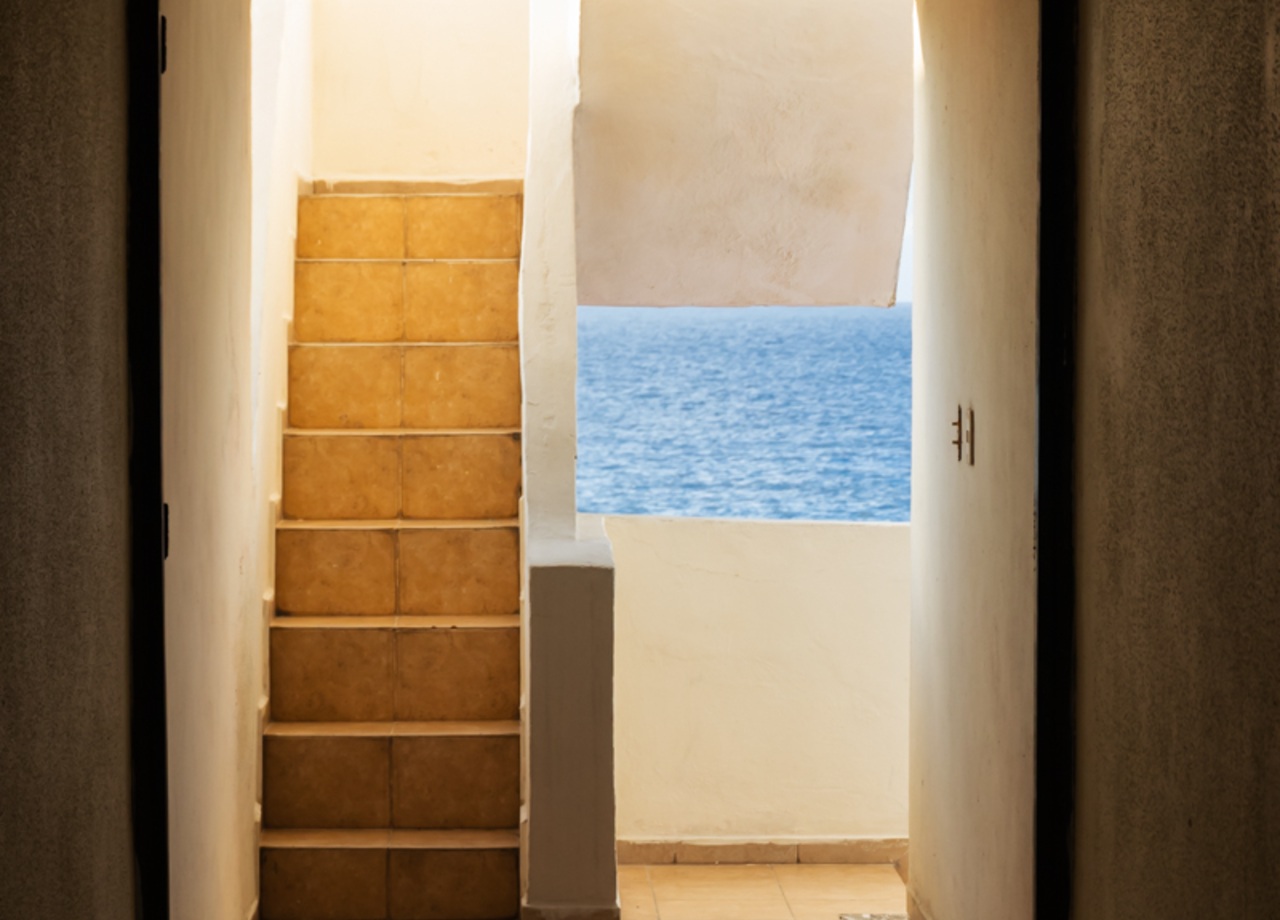
I submitted photos to this competition in the minimalist category. This is a niche I recently discovered and am now happily experimenting with. I am very glad that the photos were appreciated. I feel even more motivated to continue creative work.
After selecting a category, I choose frames that I think may surprise viewers.
As mentioned before. I was feeling this inner calling and the certainty that I want to do it. From an early age, I was also a child who enjoyed creative play. I think photography was simply destined for me. I was lucky to discover my passion so quickly.
My favourite type is street photography. I love that it lets me develop my craft in multiple conditions, and I never know what I will experience. I am definitely a photographer who cannot be locked in a studio.
I use a Canon body, and the lens is key for me. For my street style, the 15-85mm range works best for me. It gives me the flexibility to find frames and maintain a discreet distance.
I'm most proud and happy of the photos that convey a sense of peace. I want people who look at my photographs to be able to catch their breath and take a moment to relax from the hustle and bustle.
Reacting with reflexes as in street photography seconds pass at the speed of light and some photos may be lost forever.
When walking the streets of the world, I'm looking for vivid colours, play of light, and, most recently, minimalist frames. Knowing several languages also allows me to find the shots that use words in the composition and opens the doors to funny or absurd stories.
After spending some time looking for a photographic identity, I consciously turned to street photography. I got strongly inspired by Vivian Maier, Joel Meyerowitz, Harry Gruyaert, Martin Parr and Saul Leiter.
There's no need to be afraid. Competitions teach us to distance ourselves from our art and show us directions in which we can develop. The result is less important and it comes when we are less tense about it.
Photography is a journey, not a destination. Here, success is measured by how we progress year after year.
Almost none, as I rely on natural colours and capturing the moment as my mind saw it and framed it. Experience has also shown me that sometimes the value of a photo lies in its imperfections. However, I appreciate that digital photography allows us to level the horizon or frame the image differently than we would on the go.
I expect AI could have a significant impact on studio photography. Many people are already experimenting by uploading ordinary selfies to AI tools and generating professional-looking portraits.
However, I'm strangely reassured that no algorithm can predict an artist's way of thinking and seeing the environment, or how they capture and transmit the world. I also hope that after this AI boom, people will eventually turn back to human creativity.
I dream of a photography series documenting the cities of Latin America. Just imagining the colours and the way the sun penetrates the streets gives me chills.
Read how Ana Luiza Sa Explores Photography Through a Designer's Perspective in this insightful interview here.