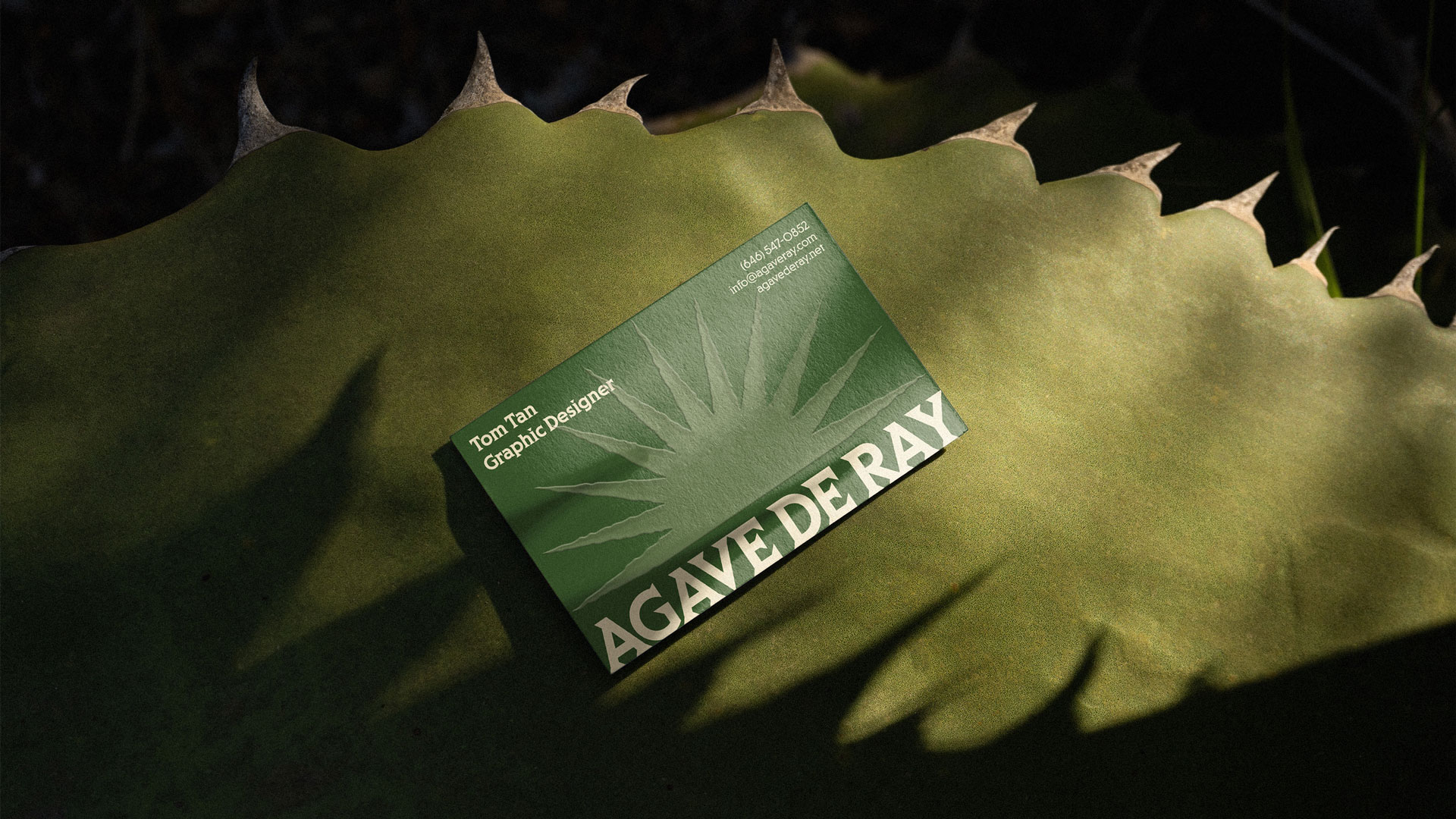
Agave De Ray Brand Identity
Agave De Ray is a mezcal dealer and bar based in Beijing. The project develops...
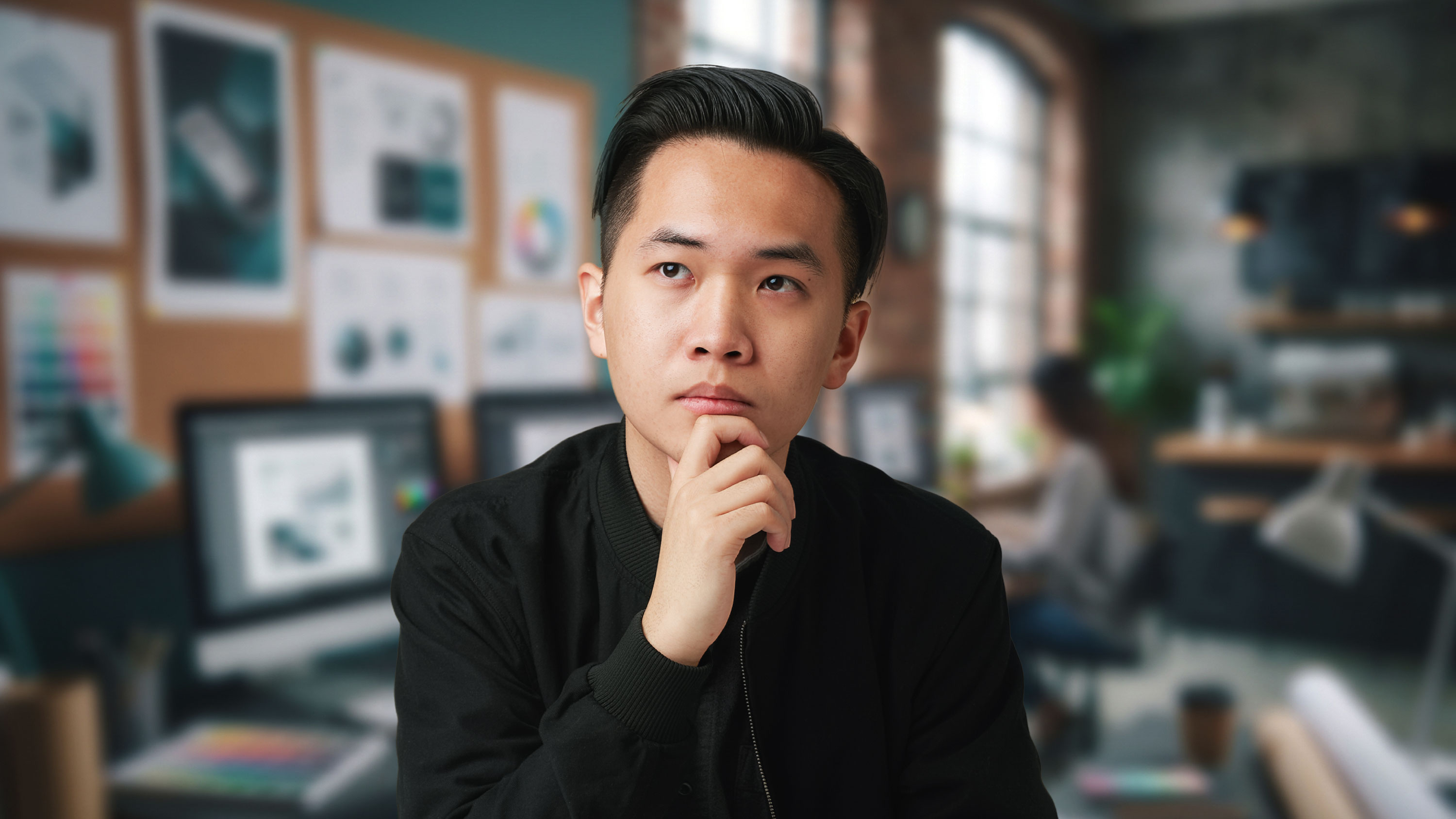
Bojun Tan is a New Jersey–based graphic designer whose work bridges fine art, luxury branding, and strategic storytelling, creating visually refined identities that balance cultural depth, adaptability, and long-term brand resonance across contemporary design landscapes.
Hello, I’m Bojun Tan, a New Jersey–based graphic designer with a deep passion for visual art and design. I specialize in creative strategy for emerging brands, combining an adaptive workflow with a strong sensitivity to client narratives.
Drawing from my background in fine art and luxury branding, I focus on creating sophisticated visual identities that are both compelling and enduring. Today, I balance my time between leading international design initiatives and maintaining a personal visual art practice, ensuring that every project I undertake is grounded in both cultural depth and functionality.
I was inspired to submit to the MUSE Creative Awards because the platform recognizes the intersection of artistic vision and commercial utility. For me, this submission was an opportunity to test my design framework on a global stage.
Winning is a meaningful validation of my capabilities in both design and creative strategy. It is an honor to see that the industry values work that prioritizes long-term brand resilience over short-lived aesthetic trends.
The success of my winning project—and my practice as a whole—is rooted in treating brand identity as a flexible visual system. The inspiration came from a desire to bridge artistic personality with strategic brand structure, creating a system capable of adapting to high-stakes and ambiguous briefs without losing its core narrative.
In today’s industry, I believe this project reflects a broader shift toward adaptive systems that communicate complex heritage in a way that feels both approachable and refined. By bridging historical visual culture with contemporary storytelling, it demonstrates how luxury branding can remain playful while still preserving its sense of prestige.
What distinguishes my project and design practice is the balance between whimsy and technical rigor. While my designs feature personalized illustrations and expressive visual elements, they are grounded within a minimalist typographic grid.
This balance allows the brand to feel artisanal while remaining firmly rooted in a high-end context. I believe many brands overlook the emotional dialogue that thoughtful design can create—an experience that makes a brand both memorable and deeply human.
The primary challenge was expanding a playful logo into a complete and cohesive brand architecture. I addressed this by anchoring a series of mischievous character illustrations within a disciplined typographic framework.
This approach allowed me to preserve a sense of artisanal authenticity while meeting the aesthetic expectations of a sophisticated urban drinking environment. The balance ensured the project evolved into a refined piece of visual strategy rather than simply a collection of illustrations.
The reaction to my winning entry has been incredibly grounding. Beyond the aesthetic recognition, the most meaningful outcome has been the increased exposure it has generated. It has sparked new inquiries from brands seeking comprehensive visual systems rather than simply a logo, which has further validated both my design approach and creative process.
I believe the key is to discover the “theme” within the “story.” My advice would be to approach every brief as an opportunity to build a world with its own logic, atmosphere, and visual language. When you can clearly articulate the reasoning behind your visual choices—the invisible strategy supporting the art—the work naturally becomes more compelling and memorable.
I see the current evolution of design as a shift toward the fusion of strategic thinking and technical agility. As creative tools become increasingly accessible, the value of clear strategy and conceptual depth only continues to grow.
My goal is to navigate high-stakes projects where design functions not merely as surface treatment, but as a core system capable of shaping, managing, and sustaining long-term brand legacies.
I see entering awards as an important opportunity to showcase and reflect on your work. It encourages you to step back, evaluate your projects from a broader perspective, and clearly articulate their value to the world.
For those just starting out, I believe your unique cultural perspective is one of your greatest strengths. The act of presenting your work is, in itself, part of the process of building the confidence and clarity you are searching for.
Creativity is a collective dialogue. I believe we are entering a period where shared standards of excellence can be built across disciplines and cultures. My hope is that we continue creating work that is both culturally aware and strategically resilient, while developing visual languages that are as thoughtful as they are beautiful.
I’d like to dedicate this achievement to my fellow designer friends. While design can often feel like a solitary pursuit, it is through these critical conversations—where ideas are challenged, refined, and expanded—that personal visions evolve into polished systems. Their support continually reminds me that the best creative work is rarely built in isolation.
My entry is an adaptive visual architecture that channels Oaxacan ancestral grit into the urban luxury market, creating a playful yet elevated ritual for the modern drinker.
I chose this description because it captures the central tension of the project: balancing raw historical authenticity with the sophisticated design system needed to anchor it within a contemporary context.
I am currently exploring design’s potential to serve as an instrument for social impact. My goal is to apply the same strategic skill set to initiatives that address local conditions and strengthen cultural awareness, demonstrating how design can become a catalyst for meaningful and lasting change.