GEOGLYPH: Meridian Massage Glove for Women's Care
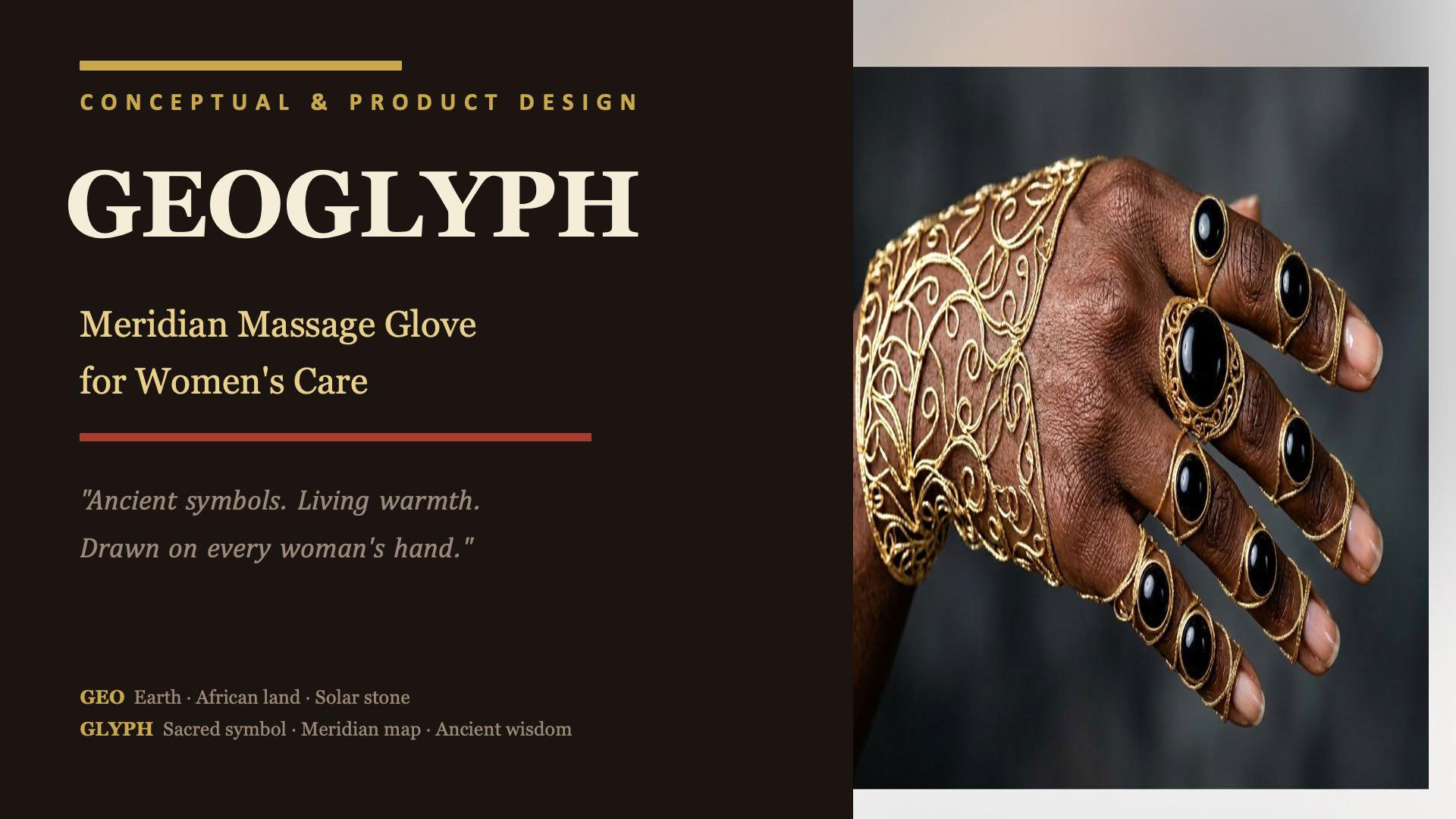
The conceptual product design, “GEOGLYPH: Meridian Massage Glove for Women's Care,” is a patented solution...
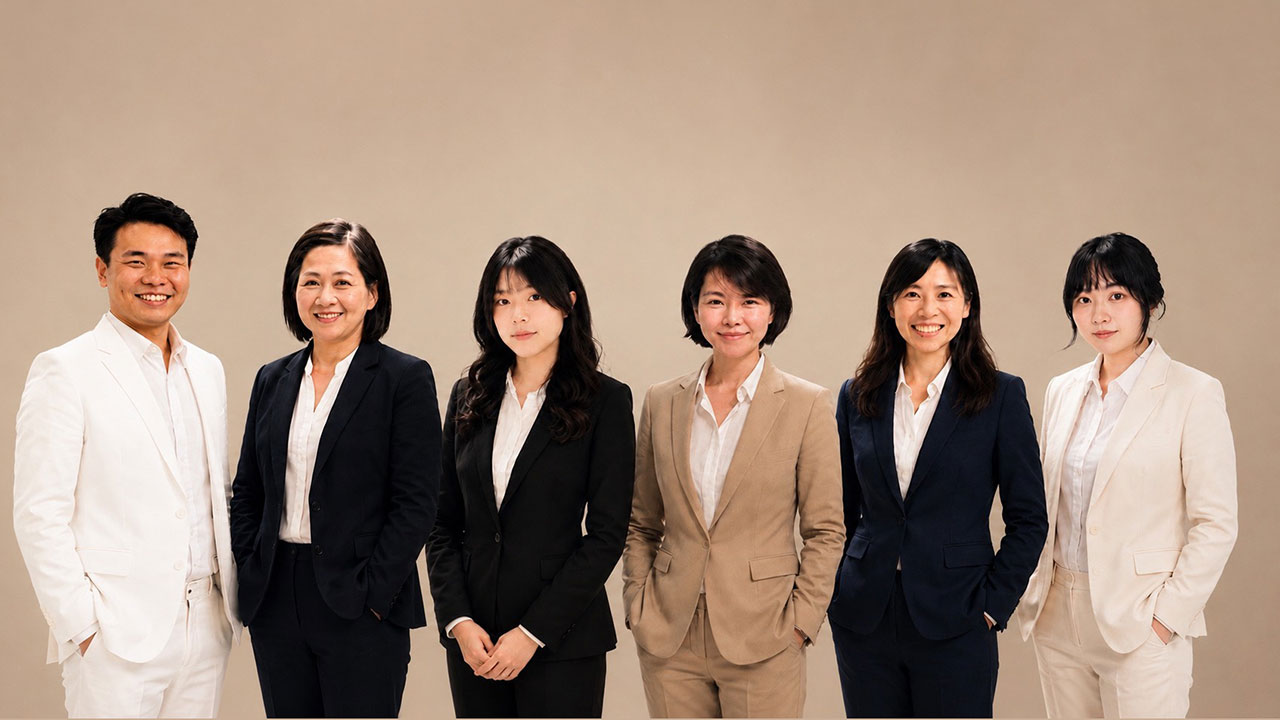
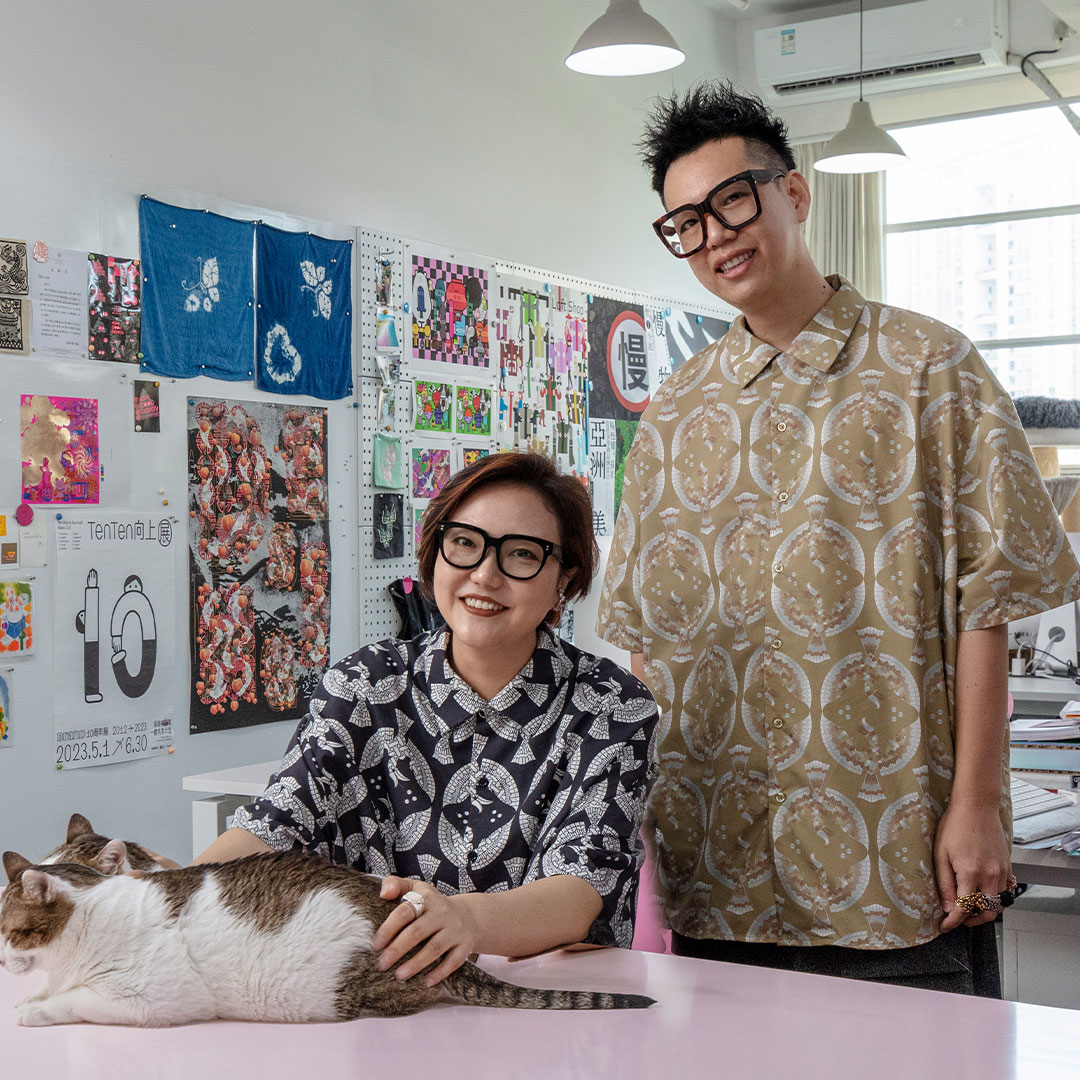
Assistant Professor Kai-Li Chen, Assistant Professor Chi-Ling Chen, Chun Wan, Ching-Jung Chen, You-Jun Liu, and Yu-Zhen Lin are the interdisciplinary team behind GEOGLYPH: Meridian Massage Glove for Women's Care. Bringing together expertise in healthcare, clinical care, and human-centred design, they create thoughtful solutions that combine empathy, innovation, and functionality to improve well-being and enrich everyday lives.
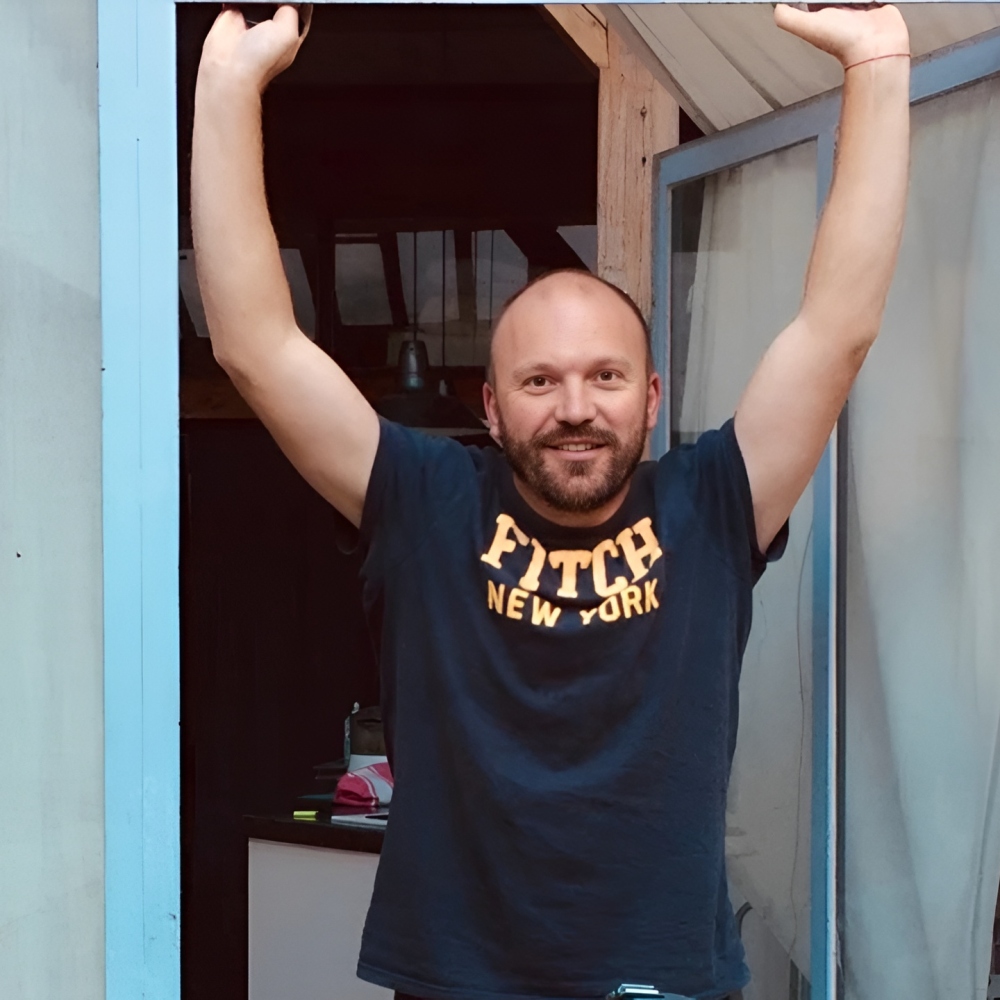
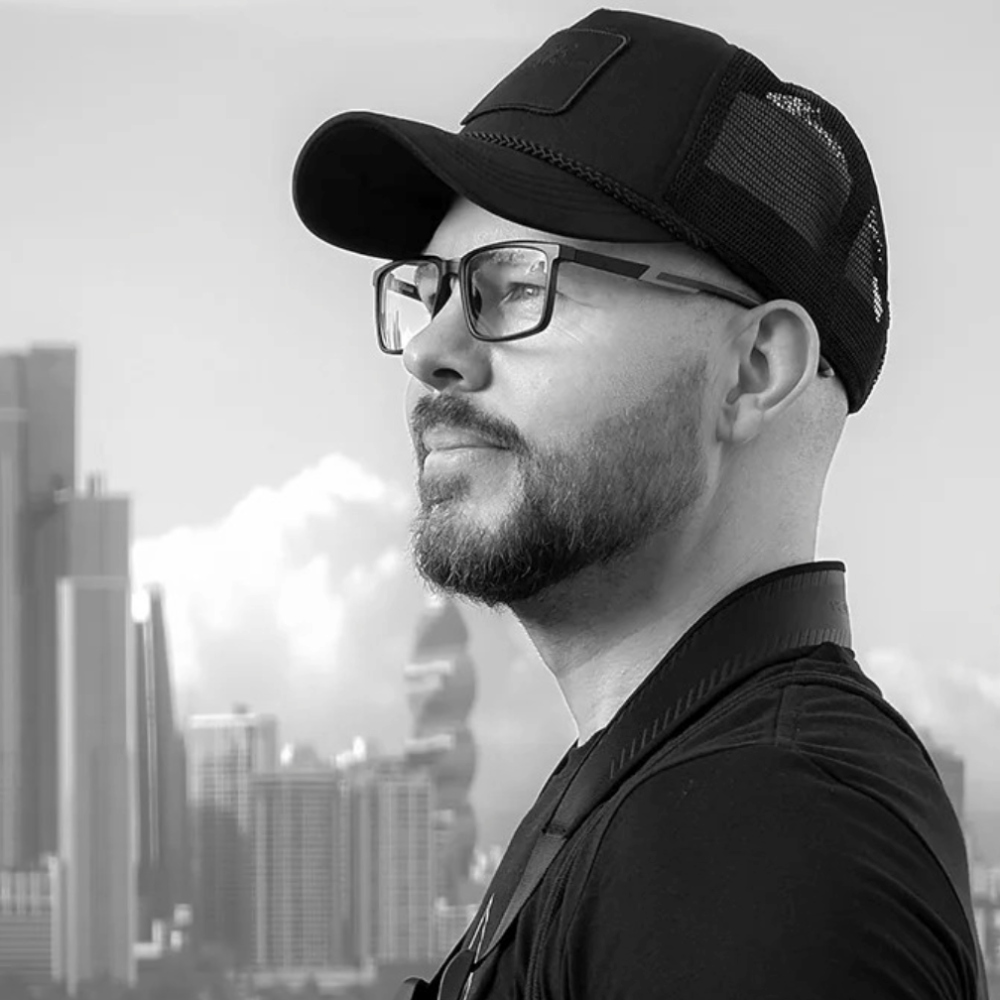
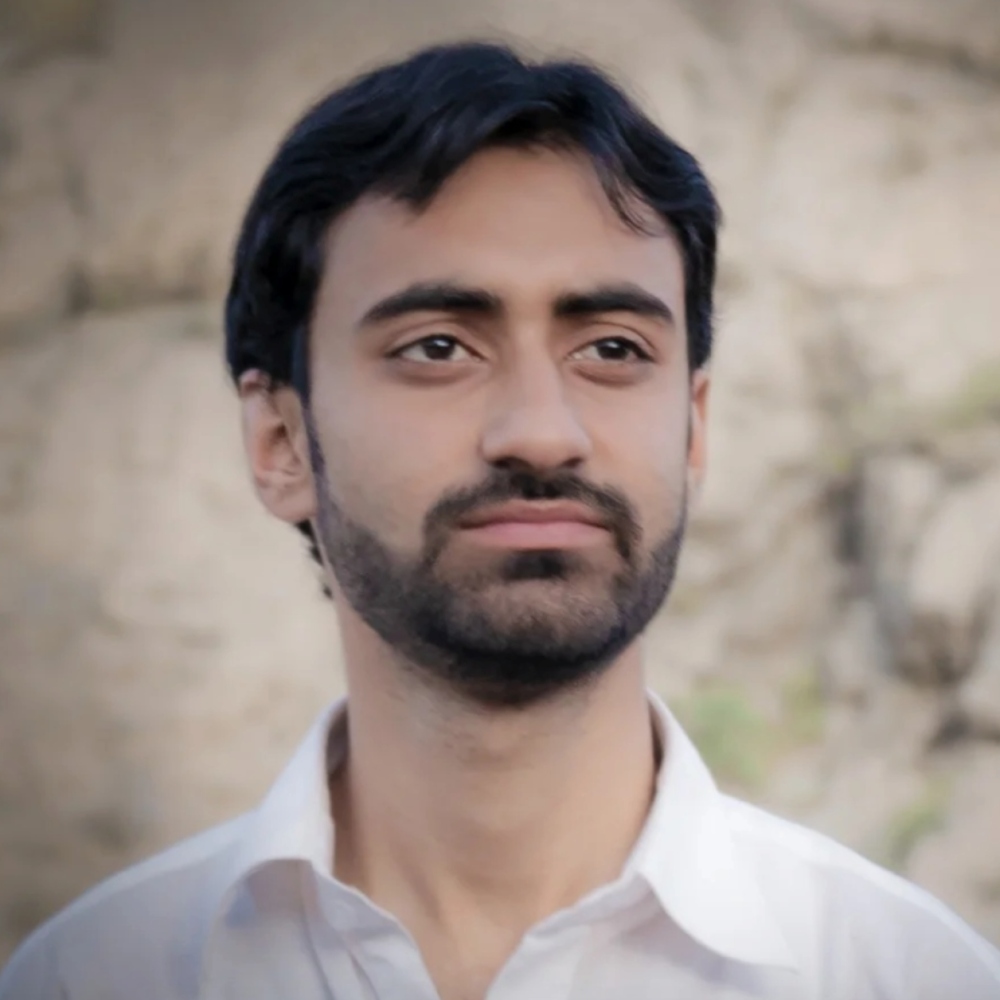
The design team includes Assistant Professor Kai-Li Chen from the Department of Nursing, Chang Jung Christian University; Assistant Professor Chi-Ling Chen from the Department of Speech and Language Therapy, Chung Hwa Medical University; registered nurse Chun Wan from the Cardiac Surgery Intensive Care Unit, National Taiwan University Hospital; nursing student Ching-Jung Chen from the Post-Bachelor’s Program in Nursing at Chang Gung University; and nursing students You-Jun Liu and Yu-Zhen Lin from the Department of Nursing, Chang Jung Christian University.
Assistant Professor Kai-Li Chen: I come from a nursing background, but I have always been passionate about fine arts and design. Through years of experience in clinical care, I have witnessed the realities of illness and the unequal distribution of medical resources firsthand. These experiences inspired me to use design as a way to bring greater warmth and dignity to care, making it a source of comfort and hope for others.
I believe truly meaningful design goes beyond aesthetic expression. By understanding human needs, it has the power to improve quality of life while supporting emotional well-being.
Assistant Professor Chi-Ling Chen: I have long been engaged in speech and language therapy and clinical care, focusing on communication, emotional expression, and healthcare services. Through both clinical practice and teaching, I have come to realise that the value of design extends beyond aesthetics. For me, it lies in responding to people's needs, enhancing quality of life, and providing emotional support and companionship.
This perspective has inspired me to explore the integration of healthcare, human-centred design, and technology to develop products that combine practical functionality with genuine human warmth.
Ching-Jung Chen: As a nursing student in the Post-Bachelor’s Program in Nursing at Chang Gung University, I joined this project to explore how aesthetics and practicality can be integrated into product development. Through this interdisciplinary collaboration, I gained a deeper appreciation for the social value and real-world impact of design.
You-Jun Liu: As a nursing student in the Department of Nursing at Chang Jung Christian University, I participated in this project and learned how aesthetics and practicality can come together in product development. Through collaborating across disciplines, I developed a deeper understanding of the social value and real-world impact of design.
Yu-Zhen Lin: As a nursing student in the Department of Nursing at Chang Jung Christian University, I participated in this project and discovered how aesthetics and practicality can be thoughtfully integrated into product development. Working alongside professionals from different fields showed me how design can create meaningful change in healthcare and society.
Receiving recognition from the award programme is not only a great honour for our team, but also a deeply meaningful learning journey. Inspired by the spirit of the Renaissance, the award programme encourages creators to develop innovative and visionary work that can change the world. Being recognised among outstanding designers from around the globe has allowed us to experience the joy of having our efforts acknowledged and celebrated.
We believe design is not merely an expression of aesthetics, but also a way of understanding people. Whether in speech and language therapy, educational research, or product development, only through a genuine understanding of human needs can we create work that fosters connection and delivers meaningful impact.
Throughout this competition, the collaboration between faculty members and students gave us valuable insight into the process of bringing an international design project from concept to completion. For our students in particular, it has been an incredibly valuable opportunity for growth and learning. Through interdisciplinary collaboration and teamwork, they were able to recognise their own strengths while gaining a strong sense of accomplishment.
Looking ahead, we hope to continue integrating healthcare, AI technology, and human-centred design to develop more innovative work that combines social impact with meaningful healthcare value.
This award has not only brought greater attention to our ideas, work, and product, but has also strengthened the project's international visibility and future potential. For us, this recognition is not merely an important affirmation, but also a reflection of the value and possibilities created through the interdisciplinary integration of medicine, design, and technology.
It has also demonstrated how medical expertise can be transformed through design thinking into innovative, human-centred products and services. At the same time, it has opened up opportunities for collaboration with industry, academia, and the healthcare sector, creating new possibilities for future development.
For our student team members, this award marks not only their first international recognition, but also a meaningful milestone that has deepened their understanding of cross-disciplinary collaboration between nursing and design.
Through participating in this competition and receiving this award, we also had the opportunity to connect with many individuals and organisations dedicated to environmental sustainability and women’s health education, making the experience both valuable and enriching.
During our creative process, experimentation plays a crucial role in helping us break through existing boundaries. We believe design should not be constrained by conventional ways of thinking, but should continually explore whether new possibilities exist.
For example, when people are accustomed to believing that certain products must rely on water or electricity, can we instead create solutions that function without either? When materials inevitably deteriorate and cannot last forever, can their value be sustained through alternative concepts and forms?
We therefore place great emphasis on the interaction between people and products. We believe good design is not something that is fully defined from the outset. Instead, it begins with bold ideas that are continually tested through practical application. Through observation, user experiences, prototyping, and feedback, we continuously refine and evolve our designs.
Taking Meridian Massage Glove for Women’s Care as an example, the project itself is a cross-disciplinary experiment that integrates Eastern meridian principles, women’s healthcare needs, wearable design, and stress-relieving emotional experiences. During the early stages of development, we repeatedly tested different hand-fit structures, pressure-point placements, and material textures, while carefully considering how the massage experience could go beyond physical functionality to provide emotional comfort and psychological well-being.
Throughout the development process, our instructors also invited students and community members to participate in real-world testing. Their firsthand experiences and feedback enabled us to continually improve and refine the design, ultimately leading to the most comfortable and effective solution.
Our design team has drawn inspiration from many unexpected sources, including IV drip bottles in hospitals, as well as subtle observations from clinical rehabilitation and care settings. At times, some of us have even experienced sudden flashes of inspiration while in a state of extreme fatigue or drowsiness. Upon waking, we immediately recorded these ideas, many of which later became important starting points for our design process.
Through our clinical experience, we have come to understand that truly important information often comes not only from spoken words, but also from subtle human expressions such as facial cues, pauses, hand movements, breathing rhythms, and even silence. These seemingly insignificant moments have led us to reconsider the very essence of design.
As a result, our project was inspired by these real-world clinical observations. We wanted it to be more than just a massage tool, serving instead as a source of companionship, emotional support, and a gentle reminder for users to reconnect with self-care.
In addition, we drew inspiration from traditional hot compress therapy and Chinese meridian massage techniques. This challenged the common assumption that modern design must always rely on advanced technology. Instead, we sought to integrate fundamental elements such as stones, thermal energy, and acupressure into a contemporary wearable device, allowing traditional healing wisdom to be reinterpreted and experienced in a new way.
Our team views product design as an ongoing process of understanding people, refining problems, and continuous reflection. Our project takes its name from GEOGLYPH, inspired by geoglyphs—large-scale symbolic markings on the earth's surface. “GEO” represents the land and the energy of natural minerals, while “GLYPH” refers to the acupoint markings on the glove and the wisdom of traditional Chinese meridian theory.
The acupoint layout forms a visualised system resembling geoglyphs on the earth's surface, supported by structured contact points for precise pressure application. Our project is a patented glove developed specifically for women's menstrual health, integrating nursing care, traditional acupressure massage, and wearable design principles. It adopts a non-electrical, non-pharmaceutical approach, combined with the therapeutic warmth of mineral stones to help relieve menstrual discomfort.
At the heart of our project is empathy. We strive to understand users' needs and continuously refine the design based on their feedback. At the same time, we remain mindful of global socio-economic disparities. In resource-limited regions, we use locally sourced sustainable textiles to reduce distribution costs and improve accessibility. In more economically developed regions, we incorporate diverse skin tones and artistic influences from different cultures, giving the product both cultural identity and aesthetic richness.
We also embrace gender inclusivity and a de-labelling approach. Through intuitive, user-friendly interactions, we aim to reduce psychological barriers while encouraging men to take a more active role in caregiving and emotional support.
Beyond the product itself, we see design as a form of social practice. We have collaborated with the Jane Goodall Institute to implement our project across four African countries, working directly with schools and local communities and reaching more than 3,000 people.
Through this initiative, we hope to reduce reliance on medication, promote reusable cloth sanitary pads, and encourage local production and sewing practices. In doing so, we aim to reduce plastic waste, create employment opportunities, and foster a sustainable cycle of resource reuse. We also hope to reduce school absenteeism related to menstruation while promoting gender equality and strengthening community support networks.
We believe the key to balancing our clients’ expectations with our own design philosophy lies in communication and understanding. Only through open dialogue and a willingness to see things from another person's perspective can we find a balance that is both meaningful and mutually beneficial.
To us, truly good design is neither about stubbornly insisting on our own ideas nor completely yielding to external demands. Instead, it is about discovering, through collaboration and co-creation, a direction that not only addresses practical needs but also preserves design values, human warmth, and aesthetic integrity. In this way, our work can embody functionality, beauty, and emotional connection, allowing it to create a lasting and meaningful impact.
During the development of our project, one of our greatest challenges was finding the right balance between healthcare functionality, emotional healing, and aesthetic design. At the same time, we needed to translate the abstract concept of emotional well-being into a tangible design language, ensuring the product would not only provide massage functionality but also convey a sense of care, comfort, and self-healing.
To achieve this, we repeatedly tested and refined the materials, hand-fit comfort, surface textures, and overall form, ensuring that both the tactile and visual experience created a consistent emotional connection.
Another major challenge was interdisciplinary collaboration. Fortunately, we received invaluable support and guidance from healthcare professionals throughout the process. Through continuous discussion, questioning, and brainstorming, combined with information technology tools that improved collaboration and helped us overcome design blind spots, we were able to further refine every aspect of the design.
Ultimately, through repeated iterations and the integration of diverse expertise, we developed a practical, reusable, and electricity-free solution by combining natural stone materials with the structural form of the human hand.
In addition to reigniting our creativity through interdisciplinary collaboration, which often brings fresh perspectives and breakthrough ideas, we also draw inspiration from our professional expertise, work experience, and everyday life.
Whether through observations in clinical care settings, the emotions revealed in human interactions, or the subtle yet authentic moments found in daily life, these experiences often become valuable sources of creative inspiration. We believe the most meaningful and impactful designs are rooted not simply in the pursuit of form, but in a deep understanding of people and life.
To us, creativity does not appear out of nowhere. Instead, it develops naturally through a continuous process of observation, reflection, accumulation, and transformation. Whenever we encounter creative stagnation, we intentionally step away from high-intensity work to rest and gain a fresh perspective, allowing our thoughts to settle and reorganise.
We also seek inspiration from a wide range of disciplines, including art, technology, psychology, healthcare, as well as nature and culture. It is often through the intersection of different fields, experiences, and ways of thinking that new ideas begin to emerge.
At the same time, everyday conversations with colleagues, students, friends, and people from diverse professional backgrounds frequently spark unexpected inspiration and fresh insights in the most natural and unplanned moments.
In light of the unequal distribution of global healthcare resources and the harsh realities of illness and suffering, we recognise that many tragedies which could have been prevented continue to occur because adequate care and support remain out of reach for many. Our project is guided by the core value of empathy, with the hope that it can truly become a blessing to others.
Through our design, we strive to overcome resource limitations while pursuing functional innovation, incorporating the natural beauty of the earth's raw materials. Through its tactile qualities, interactive experience, visual appeal, and the sense of safety and emotional comfort it provides, we hope women from different cultures and backgrounds can receive care that combines scientific support, emotional reassurance, and dignity.
In moments of pain and discomfort, we hope our project can offer gentle support and compassion while reflecting the human-centred values and professionalism of design. Ultimately, our goal is to respond to people's deeper needs for dignity, understanding, and companionship.
With the rapid advancement of information technology, artificial intelligence, digital innovation, and interdisciplinary collaboration, we believe the design landscape is being continuously reshaped. Today, design is no longer confined to a single discipline. Instead, it increasingly embraces the integration of technology, humanity, and lived experience.
We believe successful designers should immerse themselves in different cultures and environments to broaden their global perspective while cultivating the ability to observe everyday life, understand users’ needs, and actively engage in cross-disciplinary collaboration. Through the exchange of diverse perspectives, new ideas emerge, opening the door to fresh possibilities and innovation.
In this rapidly changing era, we see the role of designers evolving beyond that of creators to become integrators, communicators, and problem-solvers. Alongside professional expertise and innovative thinking, designers must also understand social trends and people’s genuine needs to develop solutions that unite functionality, aesthetics, and human-centred care.
For emerging designers, we believe interdisciplinary learning and the integration of diverse perspectives are essential for fostering innovation. Above all, however, empathy remains the foundation of meaningful design. The most impactful work often begins with a willingness to see the world through the user’s eyes and understand their emotions and needs. By placing people at the heart of the design process, we believe design can move beyond form and style to deliver genuine warmth, lasting value, and meaningful impact.
We would love the opportunity to collaborate with the Spanish modern artist Joan Miró and the renowned humanitarian architect Shigeru Ban.
Joan Miró was celebrated for transforming natural elements such as stars, birds, and women into symbolic forms. Through his bold use of primary colours and free-flowing lines, he created a surrealist universe filled with childlike imagination, dreamlike beauty, and poetic expression. His ability to communicate profound ideas through simplicity and symbolism continues to inspire us.
In contrast, Shigeru Ban is renowned for creating shelters for disaster-affected communities using simple paper tubes. Through his environmentally conscious approach and humanitarian spirit, he has demonstrated how design can address pressing social challenges while embodying compassion, social responsibility, and human-centred values. His work reminds us that design has the power to create meaningful change where it is needed most.
We hope people will ask about the meaning behind our project and whether it can truly reach those who need it most.
Our project is guided by the core value of empathy, with the hope that it can genuinely become a blessing to others. Through design, we aim to overcome resource limitations while pursuing functional innovation, incorporating the natural beauty of the earth's raw materials. Through its tactile qualities, interactive experience, visual appeal, and the sense of safety and emotional comfort it provides, we hope our project offers not only physical relief but also psychological reassurance and emotional well-being.
At the same time, we hope it reminds people that caring for themselves is not a luxury, but an essential part of well-being. By adopting a low-cost and environmentally conscious design approach, we also hope our project can reach countries and communities with limited resources, helping to improve lives while demonstrating the humanitarian and social value that design can create.