Church of Root
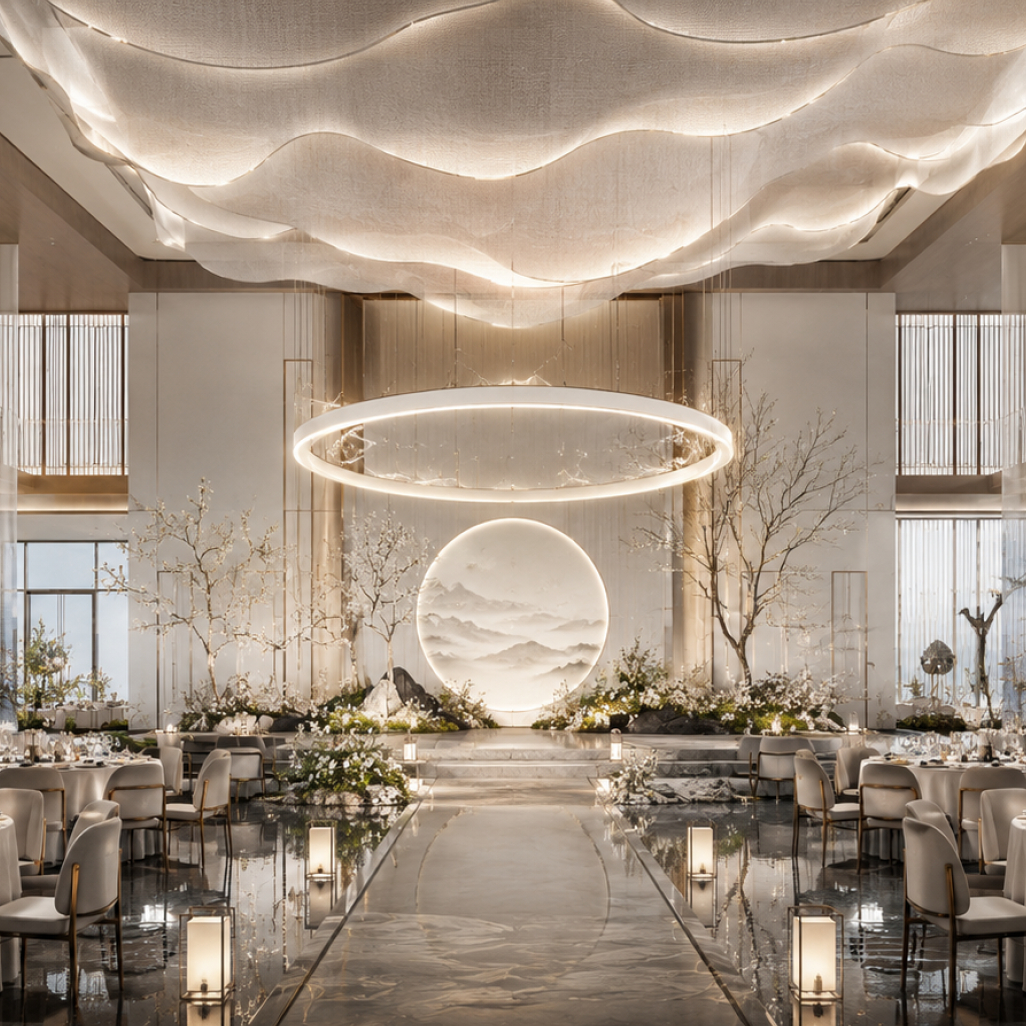
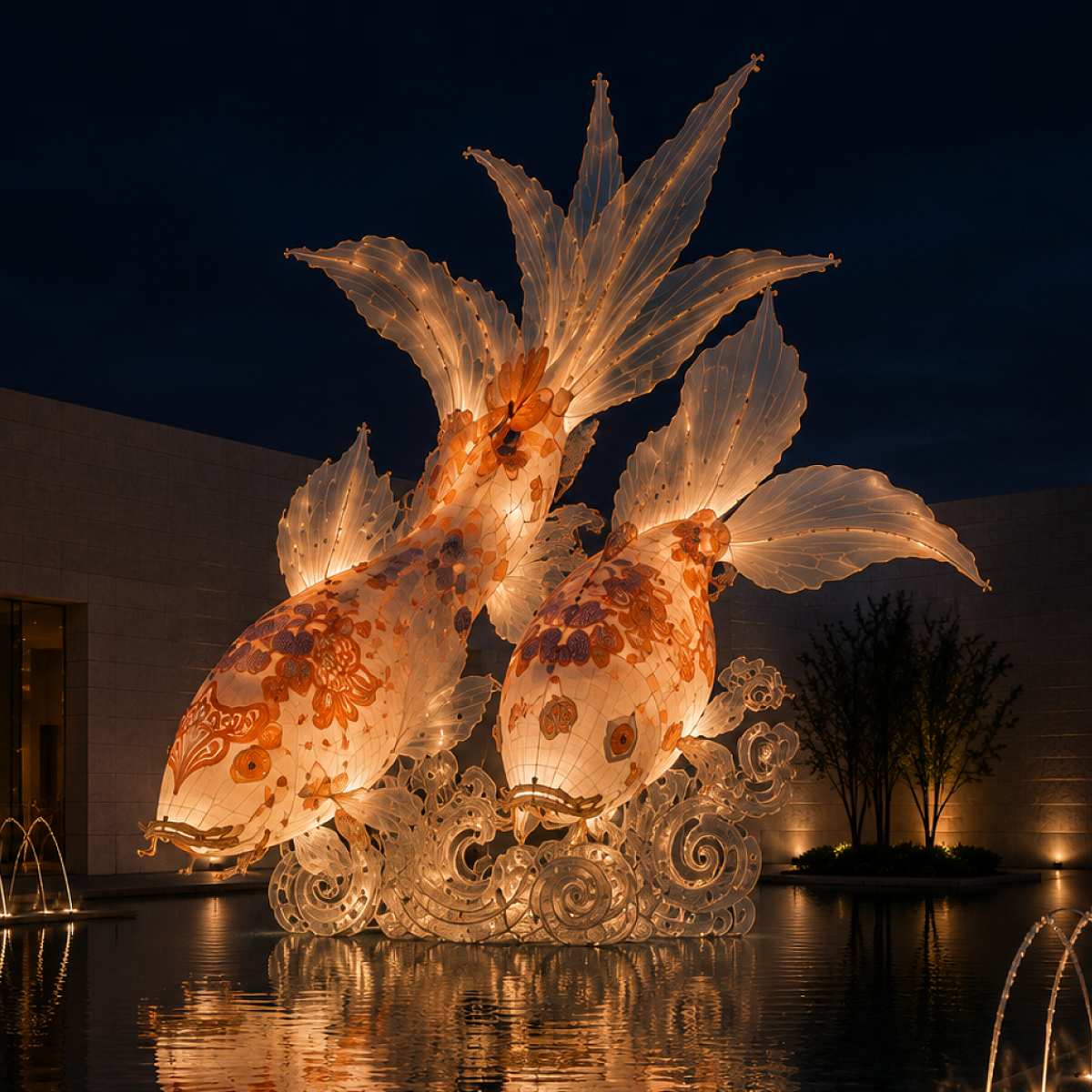
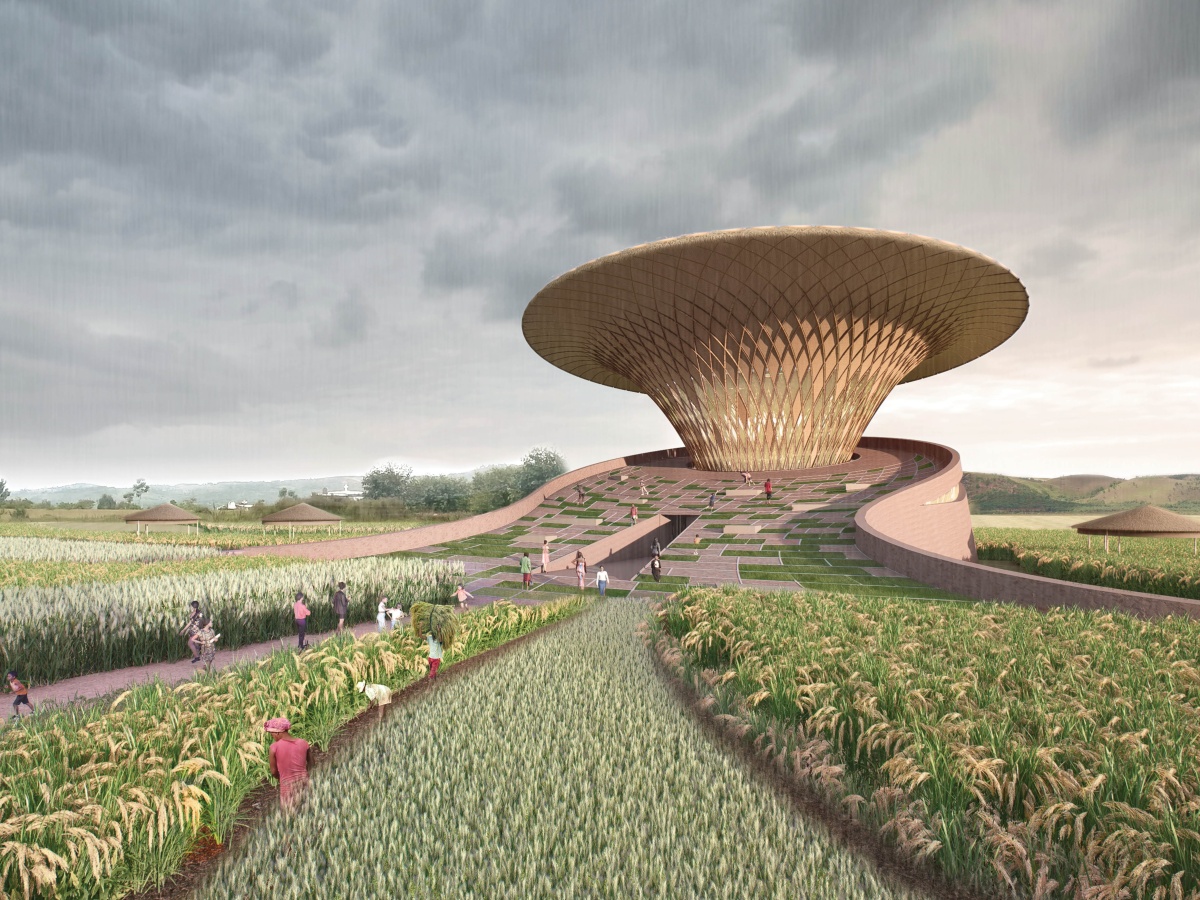
The Church of Root draws inspiration from Madagascar’s iconic baobab tree—a natural reservoir of life...
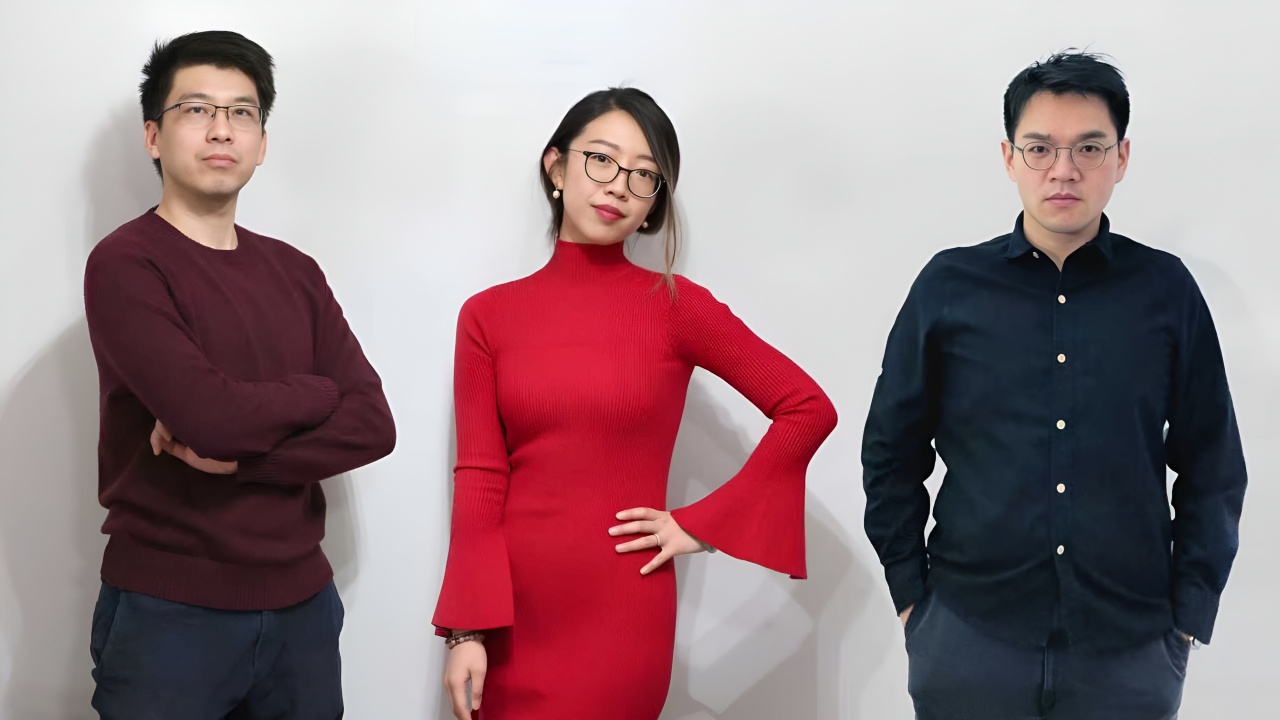
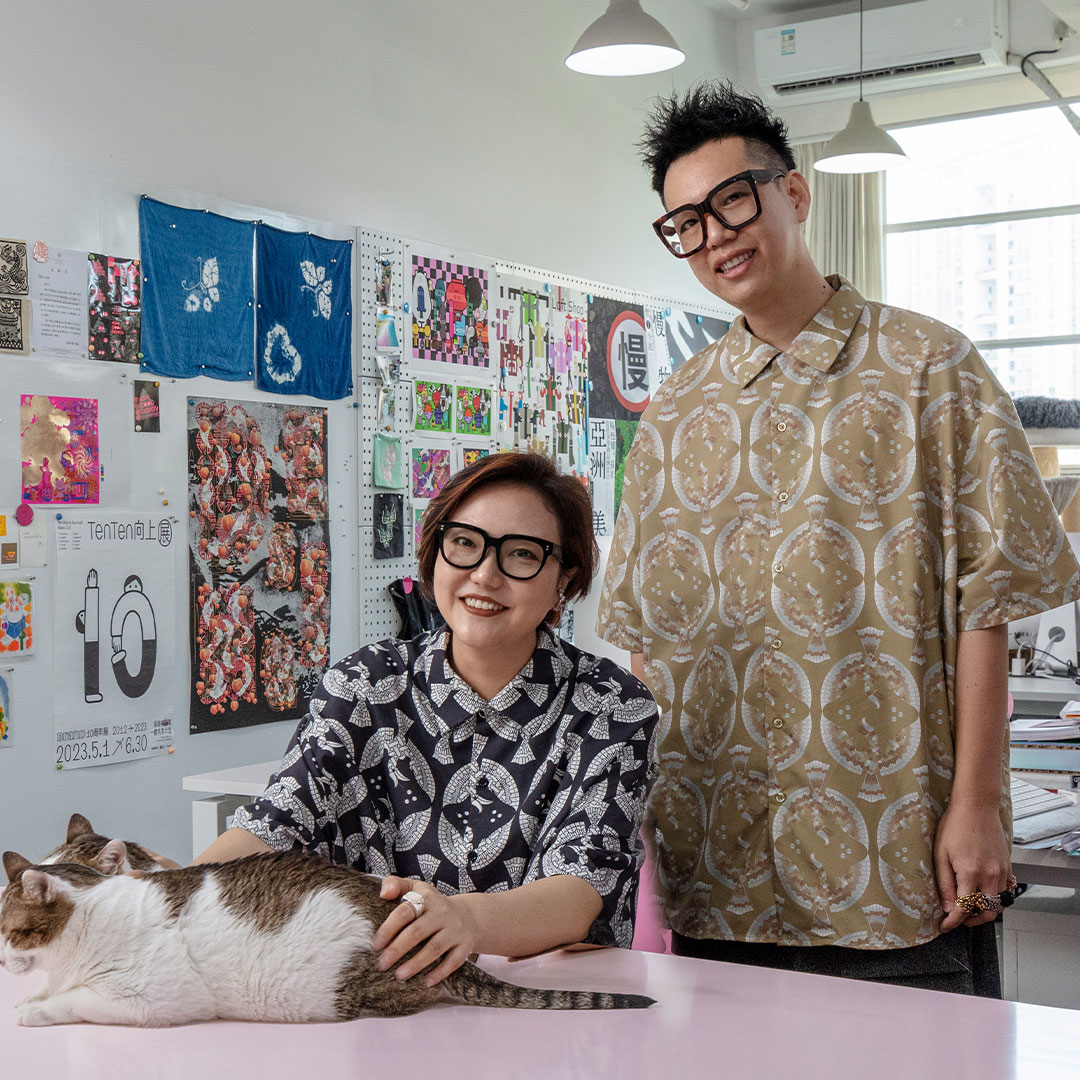
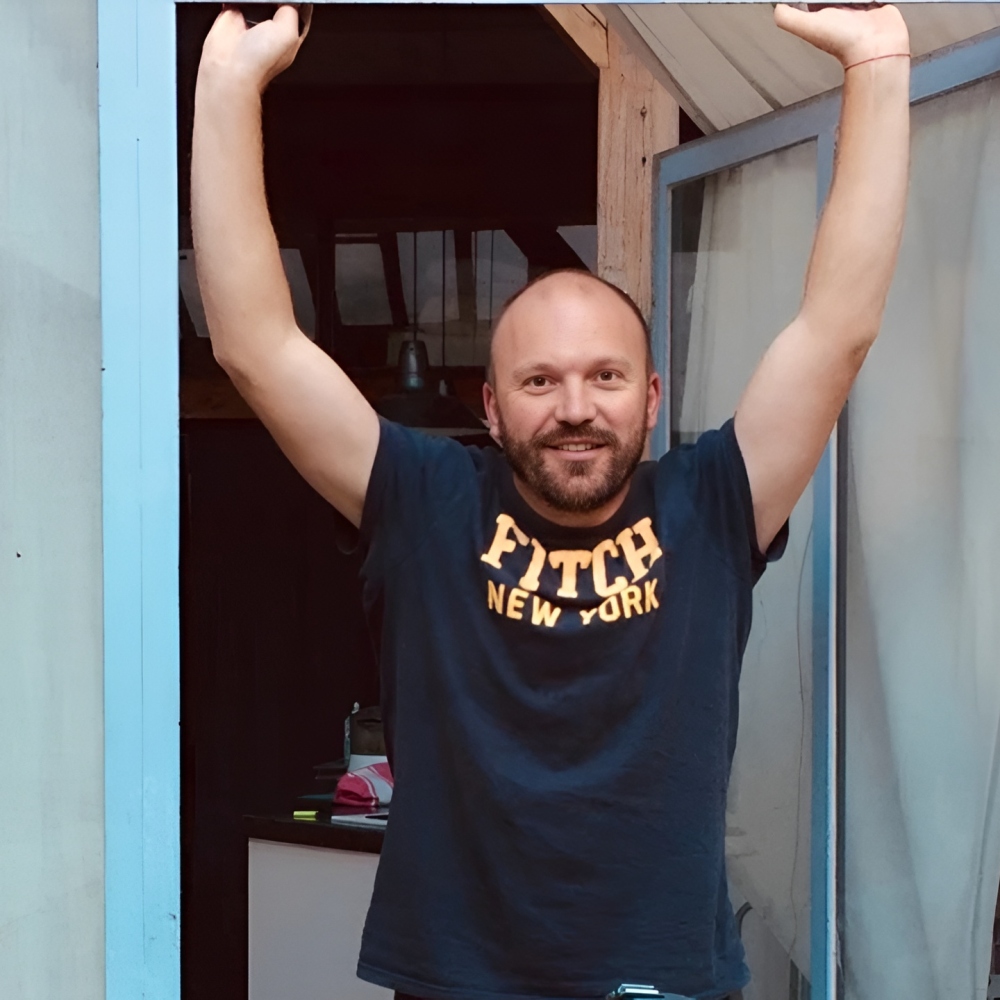
Rachel Yi Lu, Jian Liang, and Tian Li represent a research-driven approach to architecture that integrates AI, environmental analytics, and infrastructure design. Across sustainable campuses, civic transportation spaces, and climate-responsive systems, their work balances advanced computation with measurable performance and public impact.
Rachel Yi Lu: Hello, I’m Yi (Rachel) Lu, a licensed architect, building scientist, and creative leader working across architecture, advanced computation, and large-scale planning. My work has focused on AI-driven building performance, sustainable campus and life-science design, and high-impact architectural systems across academic, industrial, and urban contexts.
I was drawn to design because it allows imagination to become a rigorous tool for real-world transformation. Architecture, at its best, reshapes how people experience space, time, and care for one another and for the environment. That belief has consistently guided my work.
Jian Liang: My name is Jian Liang, an architectural designer based in New York, with a focus on transportation infrastructure and civic space. Alongside professional practice, I have participated in and received recognition through international competitions.
I was drawn to design by a curiosity about how environments quietly shape human behaviour. Architecture became a way to choreograph movement, perception, and experience—especially in public spaces where design influences daily life at scale.
Tian Li: Hello, I’m Tian Li, an architectural designer and building technology researcher specialising in climate-responsive systems and high-performance design. My work integrates architecture with environmental analytics, simulation, and building science.
I chose this path because architecture is one of the few creative disciplines where ideas must be tested against reality—through performance, resilience, and measurable impact. That balance has continually motivated my practice.
Rachel Yi Lu: Receiving a Platinum Award is deeply meaningful. It recognises a body of work where innovation, sustainability, and human experience are inseparable. For me, it affirms a long-standing commitment to interdisciplinary design—where architecture performs environmentally, functions socially, and communicates cultural and scientific ideas with clarity.
Jian Liang: The Platinum recognition validates the rigour behind my work. It affirms the value of careful observation, restraint, and precision—principles I have consistently explored in civic, residential, and competition-based projects.
Tian Li: This award represents recognition of performance-driven architecture. It confirms that sustainability, environmental intelligence, and technical rigour are not constraints, but essential foundations of design quality.
Rachel Yi Lu: The award serves as recognition of a trajectory already shaped by complex, multidisciplinary projects. Prior work on “Millbrae Life Sciences Campus,” “UNSW Sustainable Tower,” and campus-scale academic and industrial developments established a foundation for integrating architectural expression with performance, constructability, and environmental responsibility.
The Platinum Award acknowledges that approach and reinforces my ongoing commitment to leading projects where conceptual ambition and technical depth are equally critical.
Jian Liang: The recognition has strengthened the visibility of my design perspective and affirmed the direction of my work, particularly in public-space and transportation-related design informed by earlier competition projects.
Tian Li: The award affirms a practice grounded in research and performance. It supports my continued engagement with climate-responsive strategies and interdisciplinary collaboration.
Rachel Yi Lu: Experimentation has always been central to my design methodology. In “Millbrae Life Sciences Campus,” where I led the design of the façade system, we studied microscopic cellular patterns to establish a biological foundation for architectural form. These studies informed initial panel profiles, which were iteratively tested for constructability, durability, and environmental performance.
The resulting Chromosome Scheme, a woven hybrid referencing the DNA double helix, demonstrated how experimental research can translate abstract biological logic into a buildable, high-performance architectural system.
Jian Liang: Experimentation allows me to test architectural meaning beyond conventional representation. I explored elemental themes—water, fire, earth, sky, and wood—as spatial drivers, using atmosphere and material to shape experience.
Tian Li: For me, experimentation is analytical. I test multiple performance scenarios—such as façade configurations and massing strategies—allowing climate data and environmental behaviour to inform design decisions from the outset.
Rachel Yi Lu: Scientific imagery has been a recurring source of inspiration. Cellular structures, environmental data visualisations, and biological systems have informed several projects, allowing scientific processes to become generators of architectural form rather than applied metaphors.
Jian Liang: Cultural landscapes and symbolic natural forms—such as the baobab trees studied during conceptual research—have influenced my exploration of sacred and collective space.
Tian Li: Environmental mapping tools, including thermal imaging and heat-flow visualisation, have revealed invisible spatial dynamics that often inspire new design strategies.
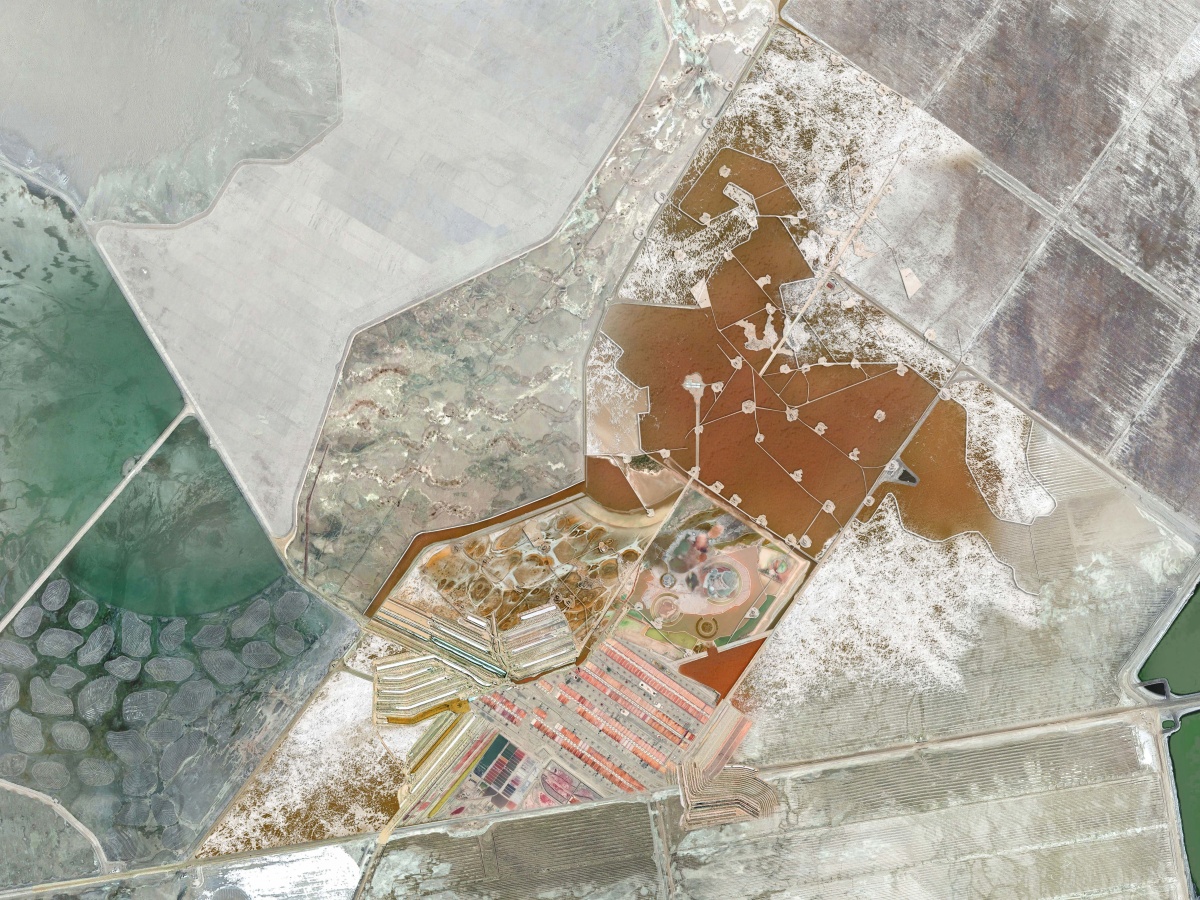
Rachel Yi Lu: Design is an act of synthesis. Projects such as “Culinary Eden,” “Millbrae Life Sciences Campus,” and “Saline Dreams: Ecologies of Coexistence”—the latter a Silver Winner of the London Design Awards—emerged from integrating ecology, environmental performance, cultural history, technology, and human experience. What appears intuitive is often the result of deep research, iteration, and ethical decision-making.
Jian Liang: Minimal design is not about doing less—it’s about thinking more. Clarity emerged through repeated refinement and critical editing.
Tian Li: Strong architecture is evidence-based. Performance, durability, and long-term impact are integral to design intent.
Rachel Yi Lu: I focus on aligning design integrity with shared values and long-term goals. In “Millbrae Life Sciences Campus,” the client’s priorities—scientific identity, performance efficiency, and durability—aligned naturally with a biologically driven façade strategy. In “UNSW Sustainable Tower,” interior design translated sustainability objectives into spatial clarity and occupant wellbeing.
Jian Liang: I begin by understanding the values beneath the brief. This approach allows design intent and client expectations to reinforce one another rather than compete.
Tian Li: I rely on data as a shared language. When performance outcomes are clear, alignment becomes collaborative.
Rachel Yi Lu: A recurring challenge has been translating complex ideas into solutions that are both buildable and enduring. In “Millbrae Life Sciences Campus,” biological concepts had to be rationalised into repeatable façade panels with clear fabrication logic, long-term durability, and operational performance.
In environmentally sensitive projects such as “Saline Dreams: Ecologies of Coexistence,” the challenge was designing within fragile ecological systems shaped by extreme salinity. In both cases, constraints became generative forces guiding resilient, context-responsive solutions.
Jian Liang: The challenge often lies in translating site-specific climate, culture, and circulation into spaces that feel intuitive and calm for users. Iterative spatial testing helped resolve this complexity.
Tian Li: Meeting ambitious environmental performance targets within tight spatial and technical constraints required extensive simulation and refinement.
Rachel Yi Lu: Through drawing, photography, and time spent in natural landscapes—stepping outside architecture to return with a renewed perspective.
Jian Liang: By walking through cities and observing how people interact with everyday spaces.
Tian Li: By studying natural systems and environmental phenomena.
Rachel Yi Lu: Empathy, environmental responsibility, and the belief that architecture can create lasting memory guide my work. Projects such as “Culinary Eden,” “UNSW Sustainable Tower,” and “Millbrae Life Sciences Campus” reflect my commitment to elevating everyday experience while respecting ecological and scientific systems.
Jian Liang: User experience and spatial clarity—prioritising comfort, dignity, and intuitive movement, which are also my principles behind my re-draw competition work.
Tian Li: Responsibility—to people, climate, and future generations.
Rachel Yi Lu: Balance imagination with rigour. Let your ideas be ambitious, but ground them in research, performance, and care for people and the environment.
Jian Liang: Stay curious and patient—strong ideas take time to mature.
Tian Li: Think broadly and test rigorously across disciplines.
Rachel Yi Lu: Tadao Ando, for his mastery of light, restraint, and emotional depth.
Jian Liang: Shigeru Ban or Peter Zumthor, for their integrity and material intelligence.
Tian Li: Ken Yeang, for his pioneering ecological vision.
Rachel Yi Lu: What kind of future does this work quietly prepare for? I hope it prepares futures grounded in care, environmental intelligence, and meaningful human connection.
Jian Liang: How can architecture serve people beyond its immediate users?
Tian Li: What defines success beyond aesthetics? For me, success is long-term resilience—for people and for the planet.
Explore and read about Curating Sound in Space: A Designer’s Perspective With Carly Madhvani here.