RIVER RESIDENCE
Situated along the Pearl River in Guangzhou, China, River Residence is a transformative interior design...

Hanxin Xing, founder and principal designer of OHSTUDIO, designs spaces that are calm, measured, and enduring, blending architectural clarity with lived experience and a keen sense of material and context.
Thank you. I am the founder and principal designer of OHSTUDIO, a practice that works across residential and commercial projects. The studio focuses on spatial coherence, material restraint, and long-term usability, emphasizing clarity, consistency, and durability in design.
My academic and professional background spans exhibition studies, data analysis, and the built environment, together with early experience in real estate investment and development. This experience provided an understanding of project feasibility, spatial value, and the relationship between design intention and operational performance. It continues to inform the studio’s approach to design and project execution.
My interest in design developed through observing how architecture shapes everyday experience. Growing up in Guangzhou during a period of rapid urban change, the emergence of culturally significant architectural works demonstrated how the built environment can influence perception, behavior, and daily life. These observations shaped a sustained interest in creating spaces that are measured, calm, and responsive to human use.
Through OHSTUDIO, I aim to create environments that balance architectural clarity with lived experience. The work is guided by thoughtful construction, contextual awareness, and a considered sense of permanence.
Receiving recognition from the MUSE Design Awards is a meaningful milestone for the studio. The project was awarded three Gold prizes in the categories of Interior Design Compact Living, Living Spaces, and Sustainable Living Green Design, as well as a Silver prize in Residential Design. For a first completed project and the studio’s first international award, this acknowledgment holds particular significance.
The recognition affirms the values that have guided the project from its inception, including spatial clarity, careful material selection, and a considered approach to sustainability and long-term use. It is encouraging to see these intentions resonate across multiple categories within an international framework.
For OHSTUDIO, the award represents both an affirmation and a starting point. It provides confidence in the studio’s direction and reinforces a commitment to developing thoughtful, responsible, and enduring design work. The recognition also strengthens the studio’s resolve to continue refining its approach and contributing meaningfully to the broader design discourse in future projects.
The recognition has served as a strong professional affirmation for both the studio and the project team. It validates the design approach, as well as the close collaboration between design and build, reinforcing confidence in the studio’s methodology and execution standards.
For the broader team, including the build partners involved in the project, the award has strengthened a shared sense of trust and professional alignment. It has affirmed the value of careful coordination, material discipline, and attention to detail throughout the entire process.
At an external level, the recognition has enhanced the studio’s professional credibility. It has increased visibility among clients and industry peers, facilitating clearer communication of the studio’s values and capabilities. As a result, the award has opened opportunities for deeper engagement with clients who place importance on quality, responsibility, and long-term thinking in design.
Experimentation plays an important role in the studio’s creative process, particularly as a method for testing how design intentions can be translated into practical and durable solutions. Rather than being treated as a formal exercise, experimentation is integrated into the development of materials, details, and construction methods, with the aim of improving environmental performance and spatial clarity.
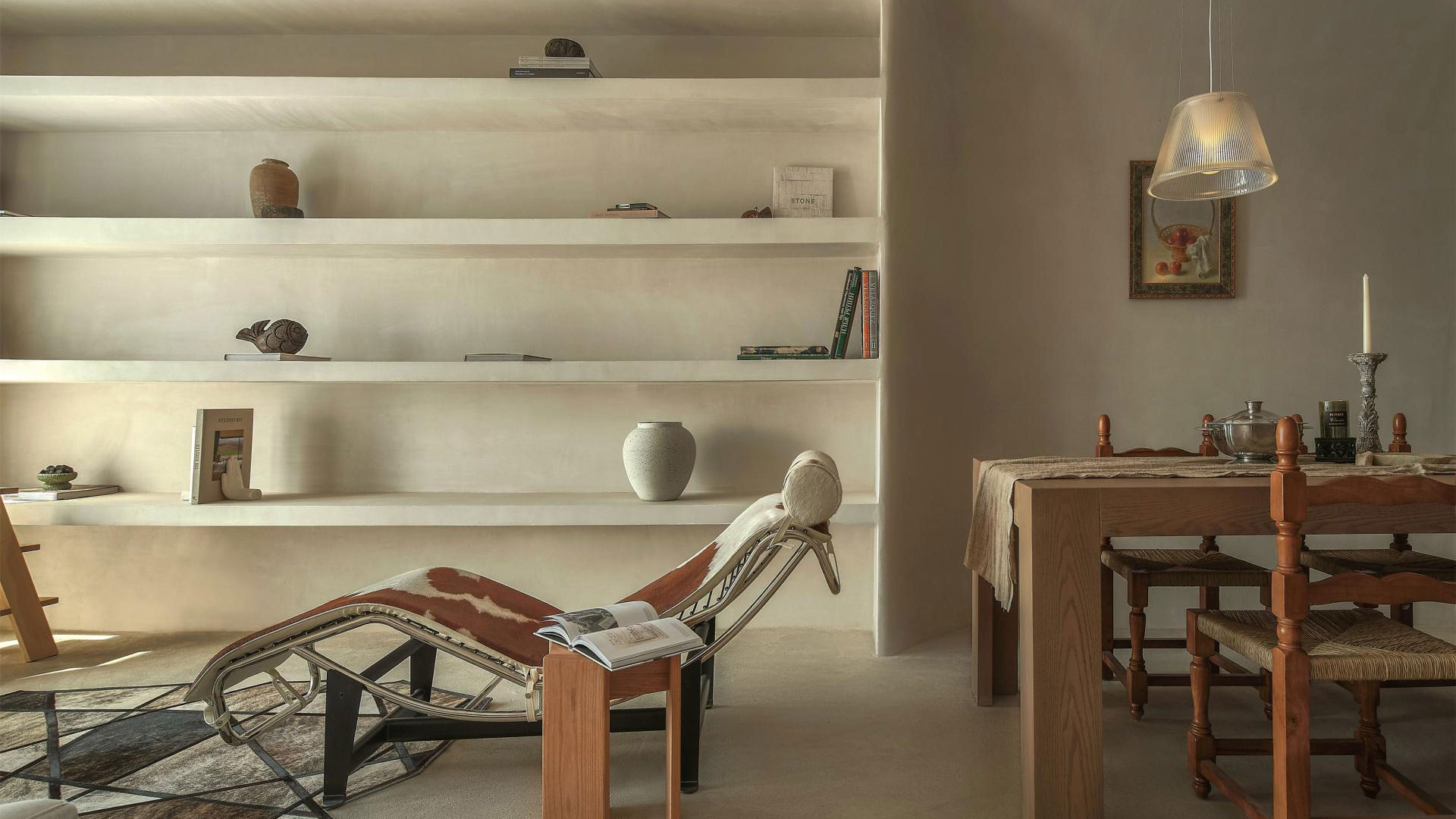
In this project, several material and technical explorations were undertaken in support of sustainability and long-term use. Natural solid wood was used extensively for doors and kitchen components, allowing the material to age naturally over time. For wall finishes, the project avoided the use of paint and conventional putty, relying instead on plaster to achieve a breathable and tactile surface quality.
Further experimentation was carried out in more specific areas. In the storage spaces, natural beeswax was applied as a protective finish, creating a surface that responds to humidity while maintaining a subtle material texture. In parallel, custom 3D-printed power sockets were developed to allow electrical components to integrate seamlessly into the wall surface, supporting a clean and visually continuous interior environment.
These explorations reflect the studio’s broader interest in material honesty, construction logic, and the careful integration of technical elements into everyday space.
One source of inspiration for this project came from Impressionist painting, particularly the work of Claude Monet. The way Monet captures light, atmosphere, and subtle shifts in color and shadow provides a reference for creating a calm and luminous interior.
In translating this into design, the intention was not to mimic painting literally, but to evoke a sense of quiet presence, filtered sunlight, and gentle rhythm within the space. Natural light, material textures, and spatial composition were carefully considered to create an environment that conveys a similar feeling of calm, observation, and subtle emotional resonance.
One thing I wish more people understood is the importance of discovering the true intention behind a space. Design is not only about how it looks or functions, but about understanding what the space really needs to be for the people who use it.
It starts with clarifying the experience and atmosphere the space should have. The goal is to create a sense of authenticity and harmony, a feeling that the space naturally fits its purpose and feels right for its users.
Clients choose the studio because the work reflects values and qualities they appreciate, which provides a shared starting point. From there, the process becomes a matter of alignment and communication.
The focus is on clearly defining the standards of the deliverables and the core values that guide the design. These include simplicity, natural materials, attention to light, and creating spaces that are relaxing, inspiring, or sustainable. By establishing this shared framework early, it becomes possible to meet client expectations while staying true to the principles that define the studio’s work.
One of the main challenges was coordinating closely with the build team on a renovation project that required patience and careful experimentation. Selecting and working with the specific materials for this project added complexity, as it demanded higher standards, longer fabrication processes, and precise execution from everyone involved.
We addressed these challenges through close collaboration with engineering partners and the construction team, tackling each issue step by step. Experimentation and testing were repeated as needed to ensure that materials, details, and finishes met the intended design quality. This iterative and cooperative approach allowed the project to maintain both its vision and high standards of craftsmanship.
When facing a creative block, I focus on recharging both physically and mentally. Physical activity, such as sports or rest, helps refresh energy and clarity. I also seek inspiration by reading, engaging in conversations with people from different industries, spending time with family, and participating in youth NGO activities.
Exploring new technologies and methods in design is another way to stimulate ideas and expand perspectives, allowing creativity to return with renewed focus.
My design approach is shaped by both personal temperament and upbringing. Coming from a family environment that values reading, reflection, and the arts, I developed an early sensitivity to calmness, order, and thoughtful expression. These influences continue to inform how I perceive space and its impact on the mind.
I am drawn to environments that are clean, simple, and easy to maintain, as well as to natural materials that age gracefully over time. Rather than relying on excessive decoration, I prefer spaces that remain restrained and open, allowing room for imagination, reflection, and emotional clarity.
At its core, the work seeks to support a sense of calm in both mind and body. By reducing visual noise and focusing on proportion, light, and material presence, the space becomes a quiet backdrop for daily life, offering people the freedom to think, rest, and engage more fully with their surroundings.
As a relatively young practitioner, I would hesitate to frame this as advice in a definitive sense. However, from personal experience, the early years are an important period for exploration. When a long-term direction is not yet clear, it is valuable to remain open, curious, and willing to try different paths.
Over time, this process of exploration helps clarify what truly matters and what kind of work one wishes to pursue in the long run. Once that direction begins to take shape, it is important to hold onto it with consistency and intention. When opportunities arise that align with this purpose, committing fully and doing the work with care and discipline can become a meaningful starting point for long-term growth.
As a young practitioner, I approach this question with humility. One designer I greatly admire is John Pawson. His work demonstrates a deep commitment to restraint, proportion, and clarity, and his understanding of minimalism extends beyond visual simplicity into a way of thinking about space and life.
I am particularly drawn to how architectural space, furniture, and products are integrated seamlessly within his projects, creating environments that feel complete and carefully resolved. His ability to translate a clear design philosophy into built reality with such consistency and precision is something I deeply respect and continue to learn from.
A question I wish people would ask more often is, “How does this space support everyday life and well-being over time?”
For me, design extends beyond visual appearance to include long-term health, comfort, and daily use. In this project, particular attention was given to the use of natural materials and restrained finishes, prioritizing a healthy indoor environment. As a result, the space may appear less commercial or decorative, but this restraint is intentional.
By limiting materials and focusing on breathability, tactility, and light, the design aims to create an environment that supports both physical health and mental calm. These considerations allow the space to remain comfortable, adaptable, and meaningful over time.







.jpg)