Wandrly
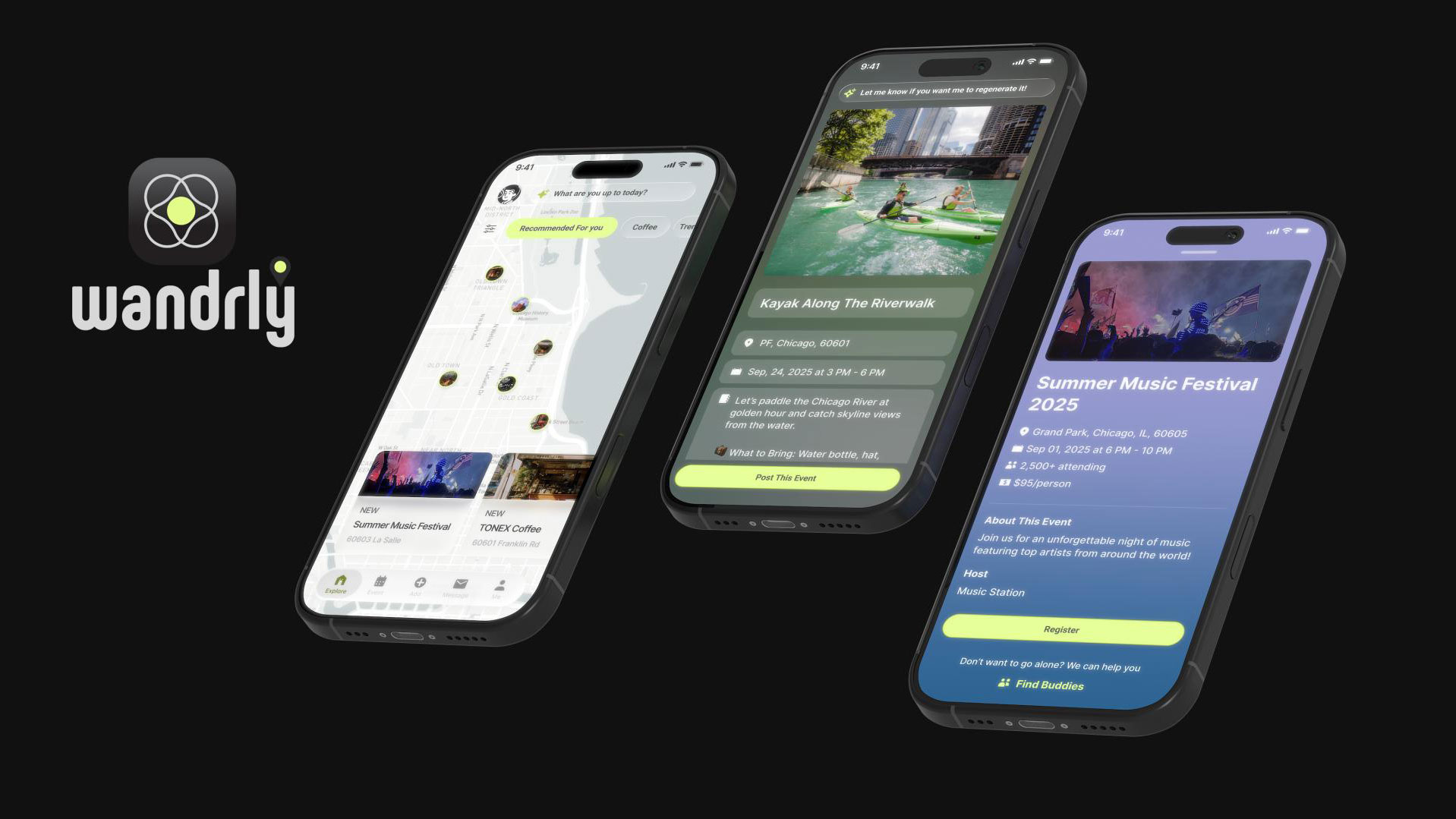
Wandrly is an AI companion that reimagines how people connect in real life. It unifies...
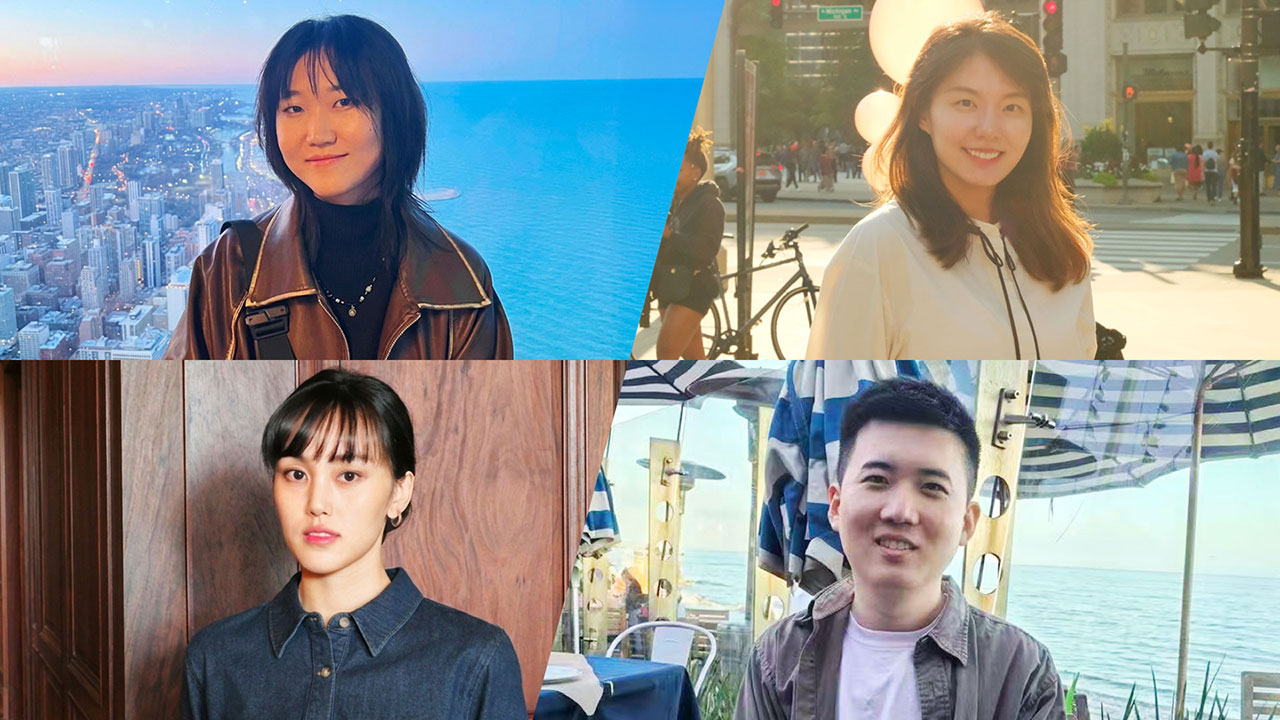
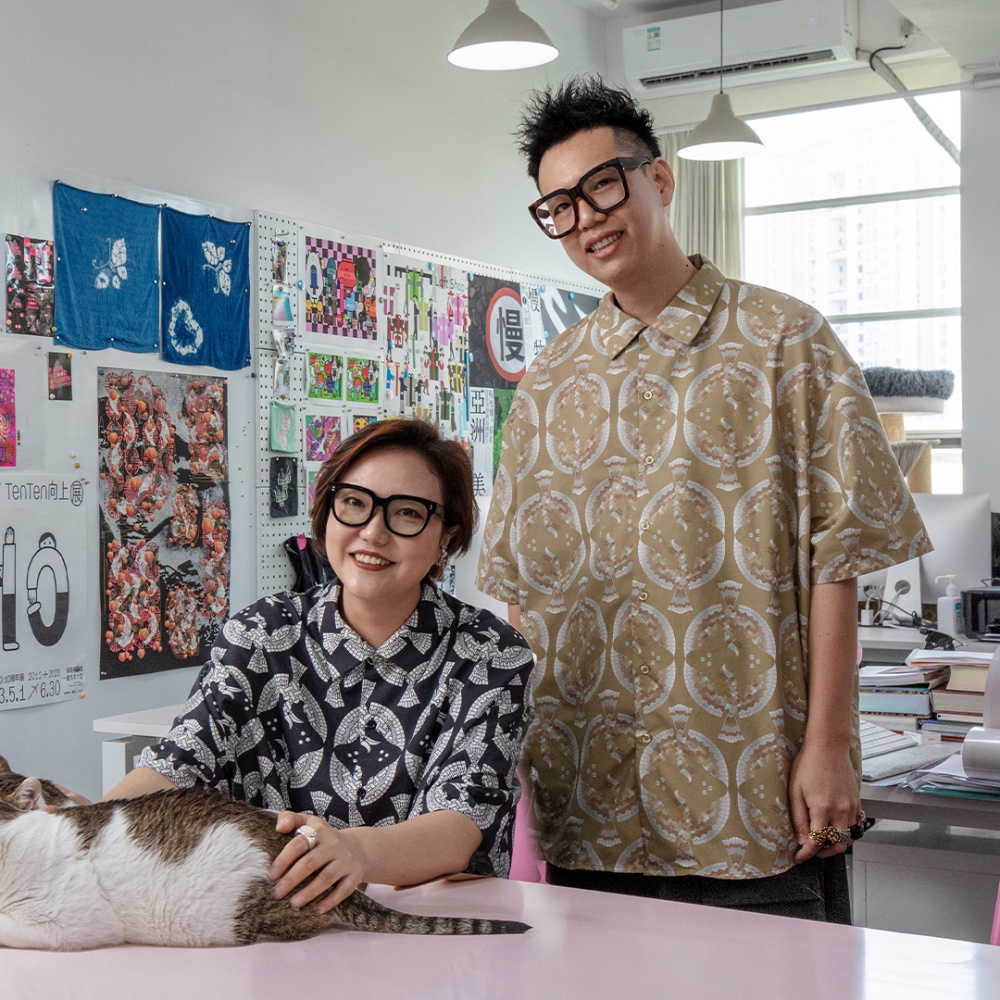
Comprised of Xuejiao Liu, Ziyao Jiang, Qun Zhang, and Shuyang (Andy) Ding, the Chicago-based Wandrly Team brings together expertise in UX, product, and industrial design to create human-centered experiences at the intersection of emerging technologies and everyday life.
Thank you. We are a team of designers based in Chicago with a shared interest in creating human-centered experiences, particularly at the intersection of emerging technologies and everyday life.
Xuejiao Liu: I’m a UX designer dedicated to turning complex digital and hardware systems into intuitive, human-centered experiences. Driven by empathy and problem-solving, I love creating meaningful, real-world impact out of intricate ideas.
Ziyao Jiang: I’m a product designer currently working at the intersection of user experience, emerging technology, and systems thinking. My path into design began through architecture and evolved into UX, driven by a curiosity about how thoughtful systems shape human behavior and experience.
Qun Zhang: I’m a UX designer currently working across enterprise workflows, design systems, and platform experience, and I was drawn to design because it pushes me to understand the root cause behind a problem, the real user needs behind the request, and how to turn that into something that can actually help people.
Shuyang (Andy) Ding: I am an industrial designer with a passion for UX design. To me, great design transcends surface aesthetics; it is about solving everyday problems to deliver a seamless, worry-free, and truly elevated user experience.
It is an incredibly proud moment for our entire team to be recognized by the MUSE Design Awards. This award is not only a validation of the work itself but also a testament to the countless hours, shared passion, and collaborative spirit of every team member.
It demonstrates that when diverse talents come together with a unified vision, something truly impactful can be created. It is also a strong morale booster that motivates us to continue pushing boundaries together.
This recognition has had a meaningful impact on our team by validating both our design approach and the direction we are exploring with Wandrly. It boosts our confidence in pursuing ideas around human-centered AI and real-world social connection while also allowing us to share the project more broadly, opening up conversations with peers and professionals interested in social design and emerging technologies.
Experimentation is the bridge between ambitious AI concepts and authentic human experiences. For example, early concepts relied on overly proactive, AI-driven map suggestions, but testing revealed user discomfort when the system took the lead in making socially sensitive decisions.
This insight led us to shift AI’s role from an automated decision-maker to an intuitive facilitator, giving users greater control by prioritizing personal preferences and vibe over rigid algorithms, resulting in a more human-centered experience.
Chicago itself became one of the most meaningful sources of inspiration for this project. While using existing social apps in our own routines, we kept noticing a quiet contradiction: we were surrounded by small concerts, neighborhood events, and hidden spots, yet most of us defaulted to the same familiar places.
The richness of the city was there, but it rarely surfaced when we had time to enjoy it. That gap became the emotional starting point for the project: helping people absorbed by their daily routines rediscover what’s happening right next to them and turn it into something shared with friends.
The one thing we wish more people understood is that design isn't just the part where something is made to look good. It covers the whole arc: figuring out what problem is worth solving, exploring different ways to solve it, and planning how to actually get there.
We didn't have a traditional client on this project, but we had potential users, each with their own personality and expectations of what a social app should feel like. Some wanted spontaneity, others wanted structure; some wanted to discover new people, while others wanted to deepen plans with friends they already had.
Trying to satisfy every preference would have left the product shapeless, so the work became finding the deeper pattern underneath. Most people, regardless of personality, wanted less friction between noticing something interesting and actually making it happen with others. That became the anchor, and individual preferences shaped how the experience flexed around it rather than pulling the core idea apart.
Staying true to the design meant being clear about what was central and what was adaptable, instead of trying to be everything to everyone.
One of the biggest challenges was designing for a problem that was both functional and emotional, helping users overcome fragmented experiences and trust barriers without making the experience feel overwhelming.
We addressed this through iterative research and usability testing, refining an AI-supported journey that seamlessly connects discovery, matching, planning, and shared memories into a more human-centered social experience.
As a team, we continuously brainstorm throughout the entire process—from identifying everyday pain points to drawing inspiration from existing solutions to spot gaps where we can add more value for users.
When we hit a wall, we often explore different creative directions. Ultimately, these diverse perspectives and distinct solutions come together, merging into a cohesive story.
Our team comes from both UX and industrial design backgrounds, and we infuse the value of mindful simplicity into the project. We believe design’s true purpose is to eliminate friction. Our experience has taught us to look at design not just as an aesthetic statement, like a beautiful UI, but as a silent, reliable companion in a user's daily life.
We strive to create experiences that feel intuitive and seamless, and those are the principles we followed when we created Wandrly.
Our advice is to always look at the full, holistic user experience. Don't shy away from complexity during the early brainstorming stages; our job is to simplify messy ideas and find the most logical, seamless thread.
As the challenge deepens, break the system down into manageable sections. Examine the details, identify the points of friction, and execute confidently based on your established design principles.
A dream collaborator would be James Turrell, whose work demonstrates how light, color, and spatial experience can evoke emotion without words. His approach inspires the idea of blending art, digital interaction, and immersive spatial experiences to create moments people can emotionally step into.
We wish people would ask why we chose this problem space. The answer is that we have seen many people around us feel overwhelmed, isolated, and disconnected when moving to a new city and often struggle to find a genuine sense of community.
We wanted to design something that felt like a social good: a platform that lowers the emotional barriers to connection and helps people feel a little more at home.