The Violence of the Winds
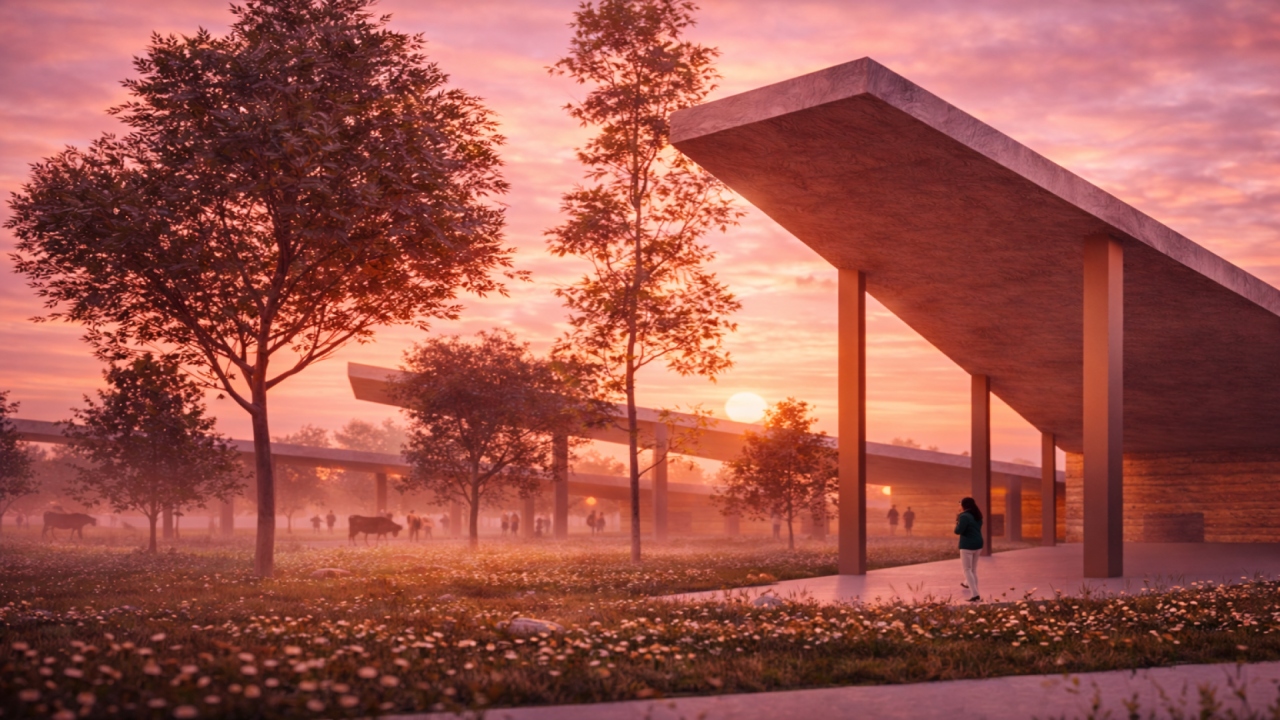
Shaped by Iceland’s relentless storms, the Renewable Research Center in Reykjavik embodies the motion of...
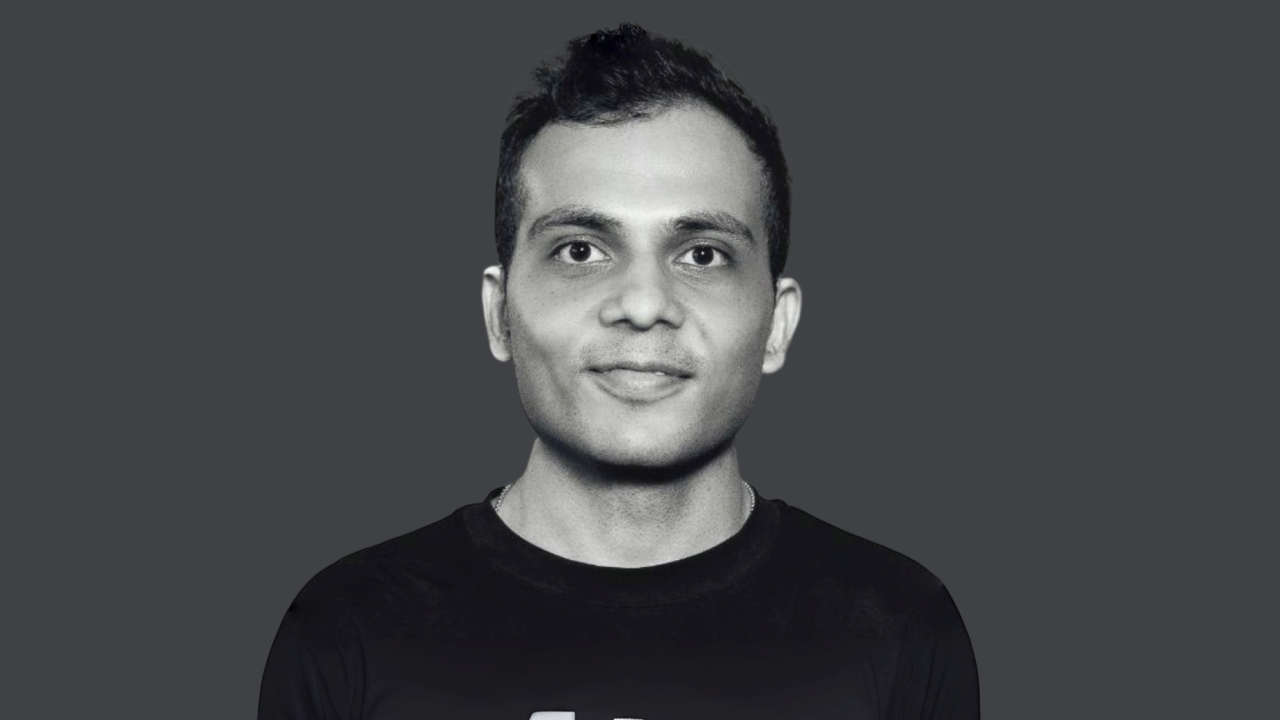
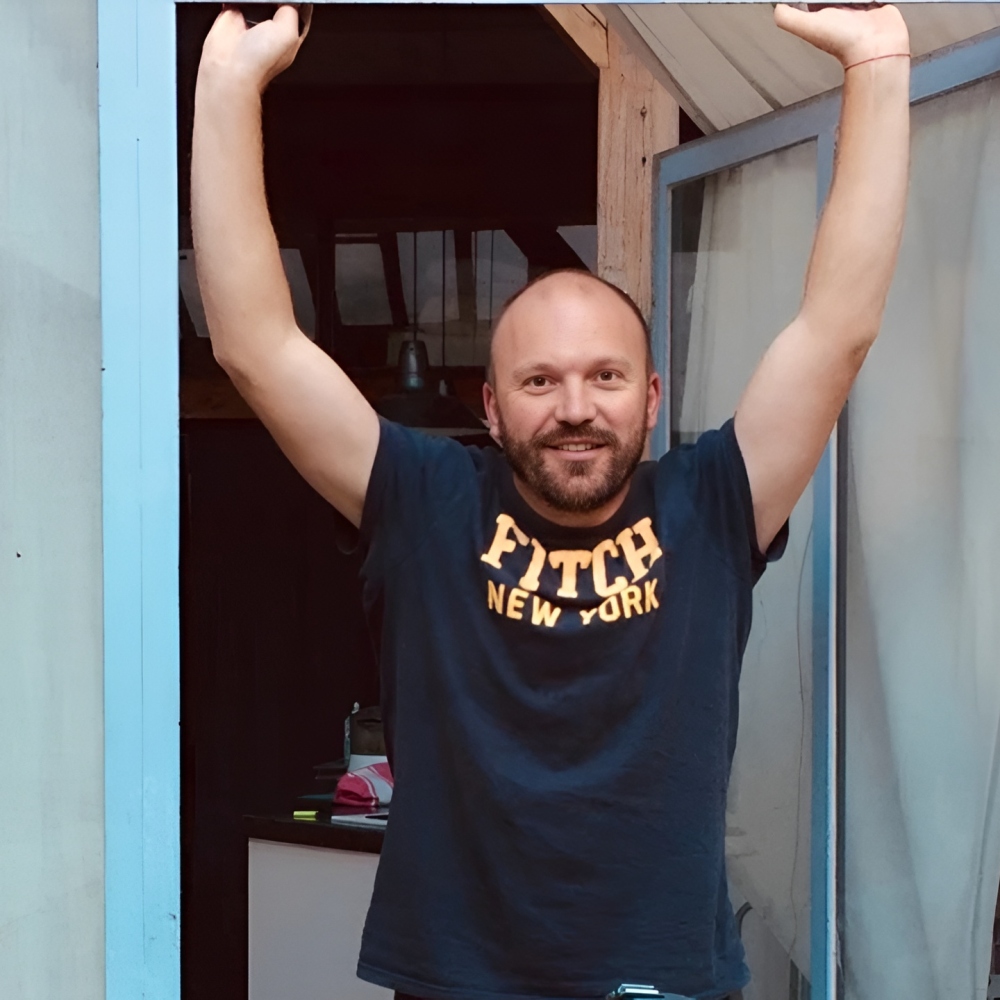
Param Patel approaches architecture through the lens of research, public engagement, and environmental response, creating work that reflects the relationship between people and the spaces they inhabit. His projects investigate how architecture operates within broader urban systems, shaping everyday experiences in subtle yet meaningful ways.
Thank you. I was drawn to submit this project because it sits at an intersection I care deeply about: architecture as research, as public interface, and as a response to its environment. The NY Architectural & Interior Design Awards offered a platform where such speculative yet grounded work could be meaningfully evaluated. It felt like the right context to let the project speak.
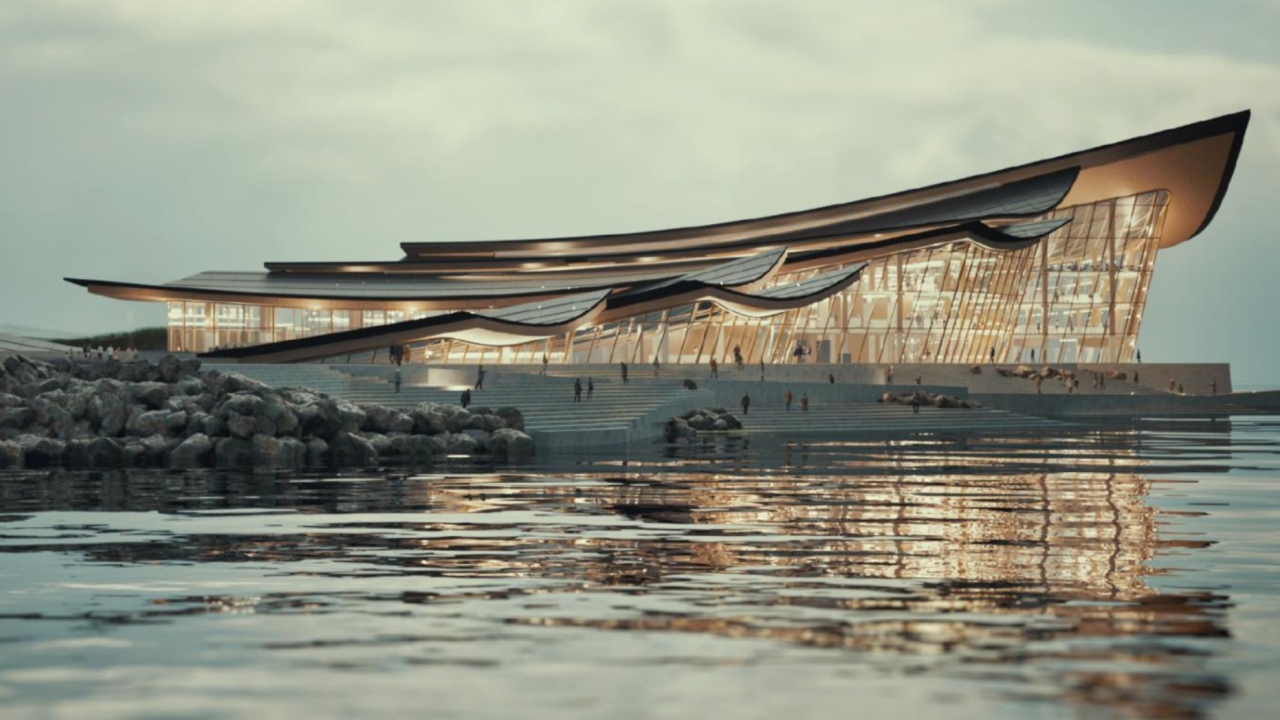
The project explores how a research center can move beyond being a closed, technical facility and instead become a shared public interface. The idea was to bring together energy research, landscape, and human experience into a single spatial system rather than treating them as separate layers.
Set within Iceland’s dynamic environment, the architecture responds to natural forces like wind, terrain, and geothermal energy, not just functionally but experientially. Circulation and spatial organization are designed to make research visible and accessible, allowing visitors to engage with processes rather than just outcomes.
In that sense, the project is less about creating a singular object and more about framing a relationship between science and society, and between the built form and the forces that shape it.
My journey into architecture has been shaped by a growing curiosity about how people interact with space, especially in cities. I was always interested in drawing and visual storytelling, but over time, that expanded into understanding how environments influence behavior, movement, and everyday life.
Studying architecture and later urban design helped me frame that curiosity more clearly. It allowed me to think not just about buildings as isolated objects, but as part of larger social and spatial systems. My work today continues to be driven by that idea, architecture as something that quietly shapes how we experience the world, often without us even noticing it.
My design process usually begins with understanding the problem beyond the brief, what the project is really asking, once you move past the obvious requirements. The early stage is quite open, involving research, sketching, and testing multiple ideas without getting too attached.
As the project develops, those ideas are translated into diagrams, models, and drawings that can be discussed and refined. I tend to move back and forth between concept and detail, because often the smaller decisions help clarify the larger intent.
For this project, the process was strongly shaped by collaboration. The team was working across different locations, so most of our coordination happened over Zoom, with regular check-ins and shared working sessions. Given the tight schedule, we followed a rhythm of weekly decisions, which kept the project moving forward while allowing space for iteration. It was a fast-paced but focused process where collaboration played a key role in shaping the final outcome.
Explorative, collaborative, and evolving.
It is very meaningful for the team. The project was developed in a relatively short timeframe and relied heavily on collaboration, constant communication, and shared decision-making. Recognition like this reflects that collective effort more than anything else.
It also gives the work a life beyond the competition itself. For a project that brought together different perspectives and ways of working, it is rewarding to see it resonate at a broader level. In that sense, the recognition feels less like an endpoint and more like an acknowledgment of what a strong, collaborative process can achieve.
The field feels like it is shifting from designing static objects to designing systems, systems that respond to climate, data, and patterns of human behavior. There is also a stronger push toward making architecture more open and accessible, rather than something that operates behind the scenes.
With the rise of computational tools, the way we design is changing quite rapidly. But I think the real value will come from how we translate those tools into meaningful spatial experiences.
I hope to contribute by bridging that gap, using technology as a way to inform design decisions, but keeping the focus on how spaces are actually lived in. For me, architecture becomes relevant when it connects performance with everyday experience.
I see sustainability as something that should be embedded in the way a project is conceived, rather than applied later as a layer. For me, it starts with understanding context, climate, materials, and how people actually use space, and letting those factors shape the design from the beginning.
In my work, I try to approach sustainability as both performance and experience. It is about efficiency and resource use, but also about creating spaces that make people more aware of their environment, whether through light, material, or how they move through a building. Small decisions, when aligned early, can have a much larger impact over time.
Read When Architecture Meets Development: Exploring the Future of Urban Residences by visiting this link, a 2025 NY Architectural & Interior Design Awards winner.