
Creative vs Effectiveness Awards | Key Differences Explained
SEPTEMBER 21, 2026
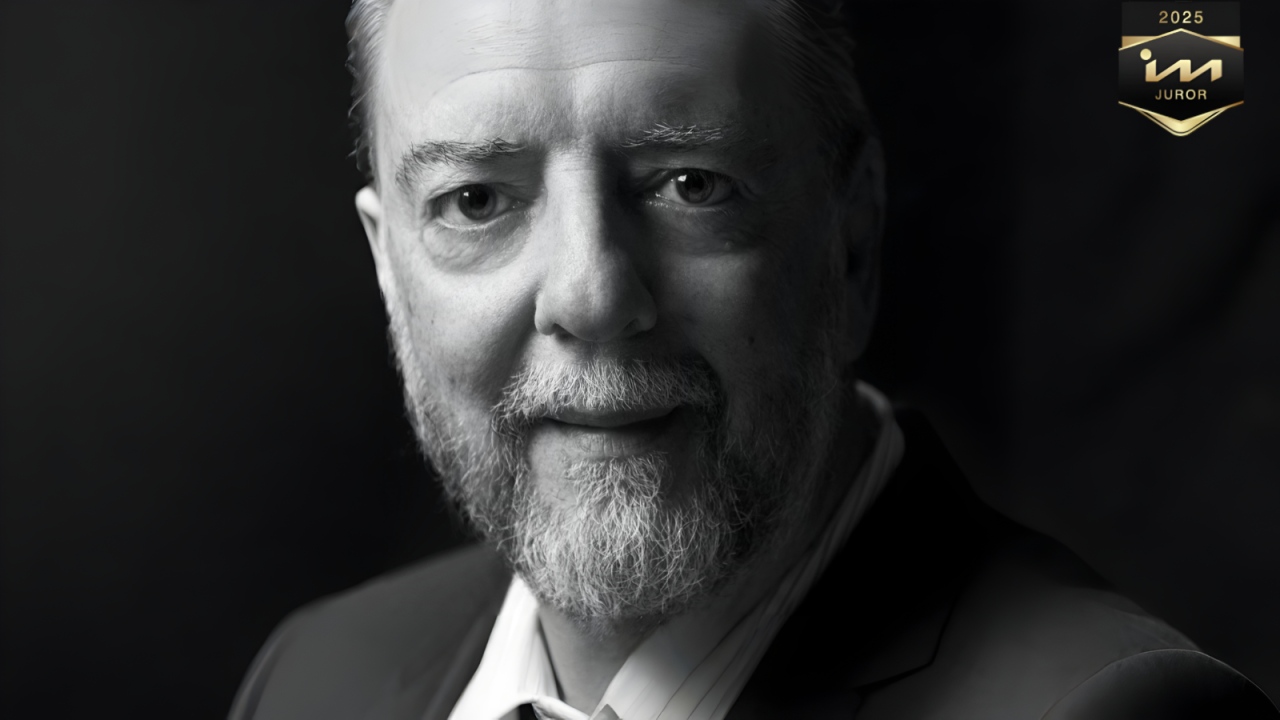
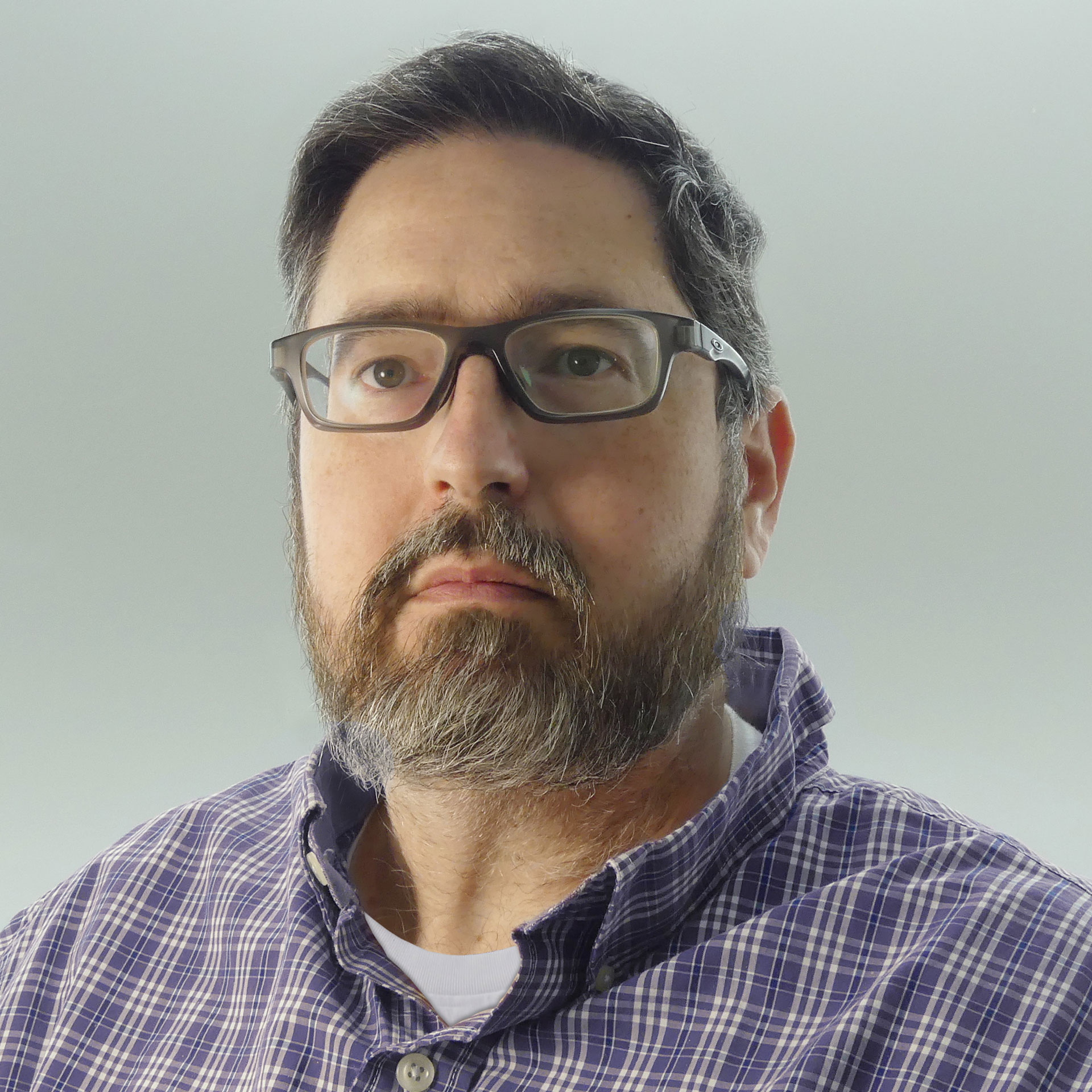
Yvan Bedard is an internationally recognized Canadian fine art photographer whose work has been exhibited across major cities worldwide and recognized with more than 100 awards from prestigious photography competitions. Drawing from both his accomplished artistic career and experience as an Emeritus university professor, he brings a thoughtful, impartial perspective to jurying, supported by years of evaluating creative and academic work with fairness and precision.
I started landscape photography at the age of 17 with my first 35mm. I learned using B&W films and a darkroom, as well as large aerial photographs, during my university degree. For years, I worked mostly with slides for travel photography. When I bought my first digital camera in 2003, photography became a true passion.
Shortly after, I acquired professional cameras and lenses, and implemented my printing studio in 2009. I learned a lot from world-renowned photographers in workshops, online courses, books and videos.
Since 2014, I have been working full time in fine art landscape photography, being represented by art galleries in Quebec, Montreal and Barcelona. I sold limited editions worldwide, and have been published in books and magazines internationally. I have made solo and group exhibitions more than fifty times in the world's largest cities, received over 100 awards in prestigious competitions, and was interviewed by various media in Canada, France, Japan, Russia and the USA.
I look for emotion or a message, or for pure aesthetics. I try to understand the intent of the photographer, why he made this photograph or series of photographs. Aesthetics is important, but it must be coherent with the emotion or message conveyed by the photograph (if there is one).
Accordingly, I look for titles that speak, that give life to the photograph. I also value highly having a clear artist's statement that explains "what, why and how" the photograph was made. This is the best way to show that the photograph is a work of art, the result of creative work, and not something that happened suddenly by chance.
I don't look for the types of photographs that are similar to my style or my preferred topics. I would rather try to evaluate each submission with regards to the artist's statement, "the what, why and how" he made his photographs.
To me, a good photograph is a photograph that succeeds in conveying to others the photographer's intent. I have many years of experience in evaluating hundreds of grant proposals in R&D, and I have been a judge for several photography competitions. Consequently, I have a long experience with the need to have good information about someone's intent and for impartiality.
It convinces me even further of the importance of having an "intention" when making a single photograph or a series. Being able to explicitly describe what we photograph, why we photographed it, and how we made it creates a better relationship with the viewer. Although a good photograph "speaks" by itself, knowing the intention of the photographer adds a level of understanding and appreciation of the work done.
It is like that for all arts, and for life in general: the better we know and understand something, the better we can appreciate it. NB. "appreciate" does not mean "like"; in fact, we may not like a piece of art, but we may appreciate what it is, how and why it was done.
I rapidly browse the images + titles to have a feeling of the overall level of submitted photographs. Then, I come back and look at them individually. I especially take the time to read the description of the photograph and the artist's statement for his photograph. Having a limited timeframe is not an issue for me; I only have to do it in a shorter period of time.
Consequently, I will take all the time necessary to analyze each photograph, even if I have to work late at night for a few days. Because of the first step, when I rapidly browsed the photographs, I rarely had to come back to modify my judgment for a photo.
Drone photography has opened a whole new world of images. They often are spectacular. They offer either vibrant colors of human activity or almost abstract views of natural phenomena.
It is very important since such photographs usually result from proper planning. Nevertheless, I also like photographs that exist solely for their aesthetics. Pure beauty also conveys emotions, even if it is not intended right from the start.
Submit only strong or creative photographs, give a strong title conveying emotion or a story (not a descriptive title such as "Tractor on a Wyoming Farm"), and take the time to describe your artist's statement for this photograph or series (what, why and how).
Winning entries tend to show creativity. It can be about mastering specific techniques (ex., drone, lighting, processing), about showing a topic with a new angle, or about conveying a strong emotion or message. Photographs that surprise the viewer have better chances.
Street photography and sports photography are challenging to judge since it is difficult to figure out if it is a matter of "luck" (i.e. being there at a good time) or talent, or both.
For me, creativity and innovation are more important than technical excellence. Technical excellence focuses more on mastering tools (hardware, software), while creativity and innovation focus more on artistic talent and vision. Nevertheless, the combination of both is necessary to achieve excellence.
I love looking at the best photographs people submit. I discover different approaches to photography, different topics, and different views of the world. The most rewarding aspect is to learn and to share my point of view (although anonymously) with other judges to encourage the best photographers in the world.
Being a judge also helps me to be a better photography professor. As a retired university professor in engineering, learning and sharing my expertise with others has always been fundamental. And, in addition, it helps me in my career as a photographer to be recognised as an expert in photography.
Juror Profile
2025 IAA Juror
European Photography Awards
────────────────────────────Read Inside the IAA Jury Room: Venkateswarlu Mullangi | Reviewing Engineering for Modern Mobility, a seasoned product engineering leader and jury member of the International Awards Associate (IAA), by clicking this link.