Watson Marlow China New Plant | 2023
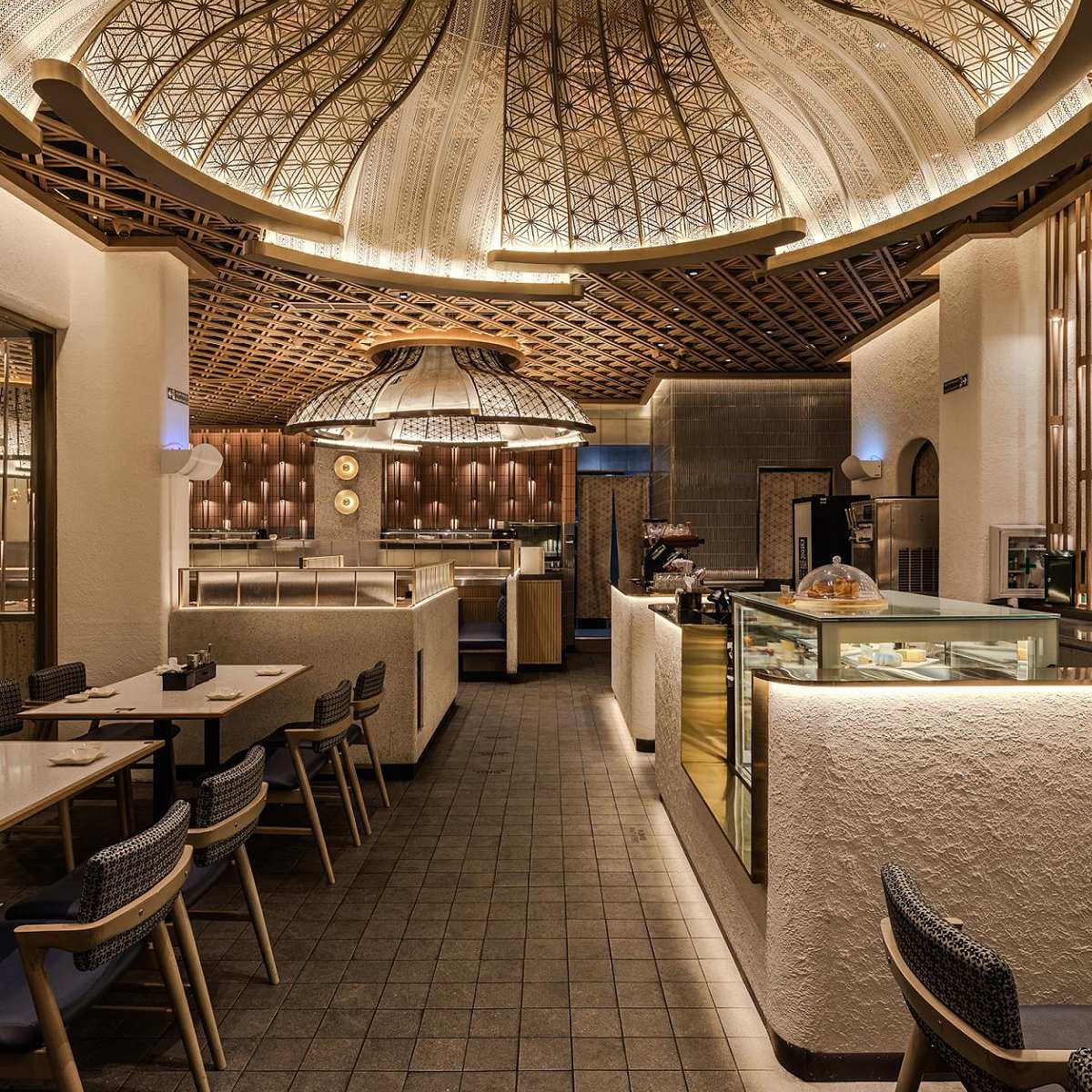
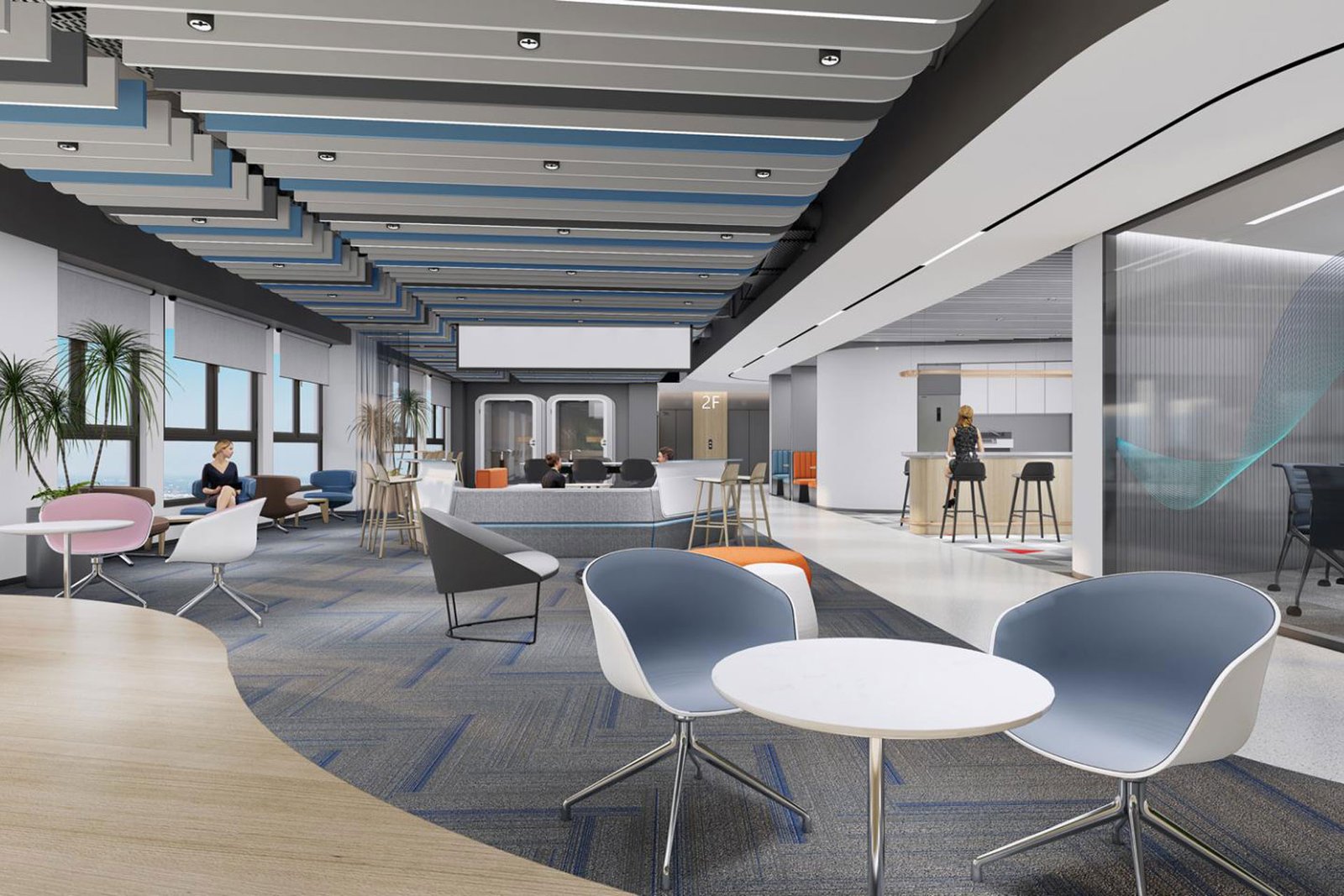
Located in the international metropolis of Shanghai, China, this project embodies the client's position as...

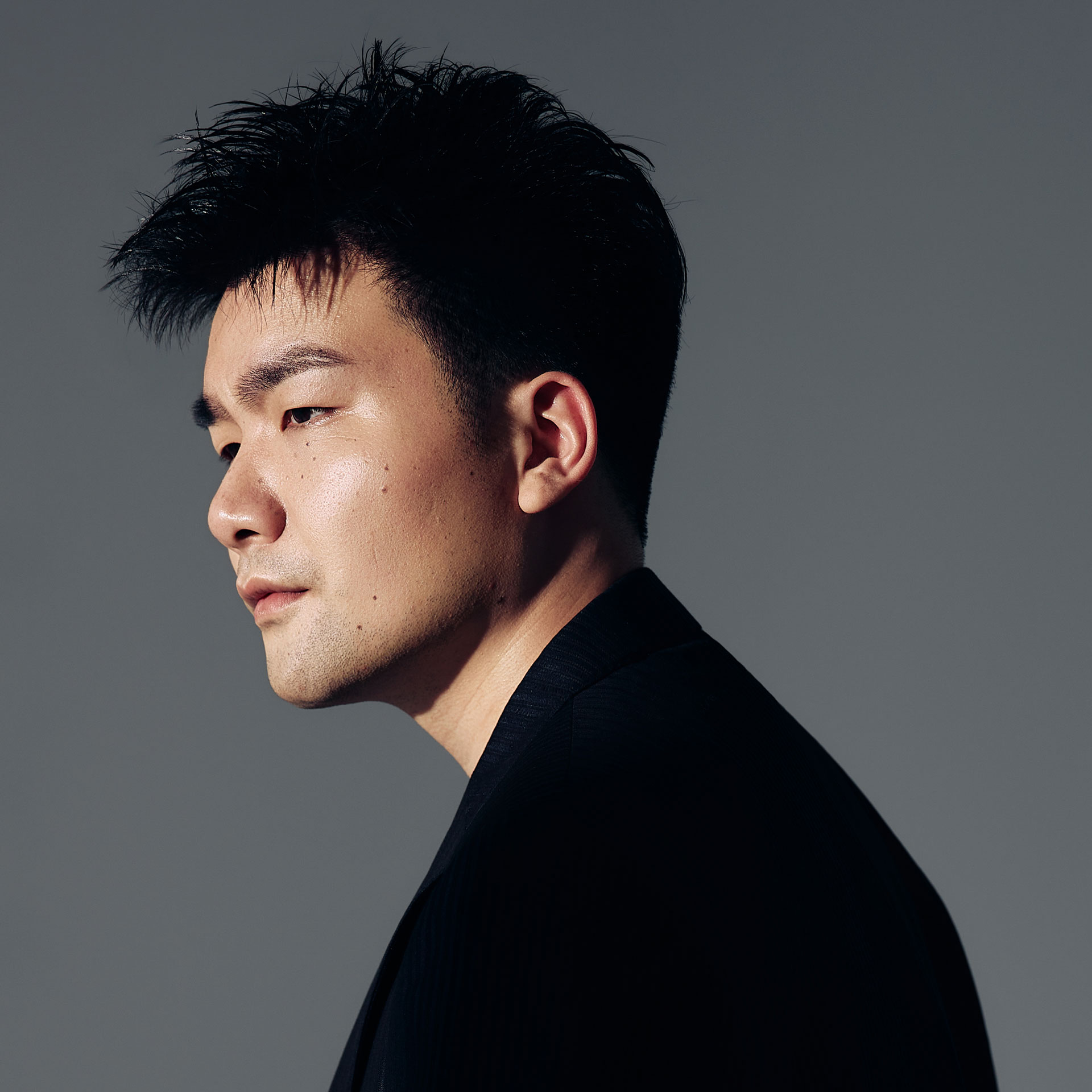
I graduated with a degree in Interior and Furniture Design from Nanjing Forestry University and earned an EMBA certificate in Business Administration. Having dedicated six years of study to design and business management, I held roles at Bulgari Design and Starbucks China.
My experience spans various design domains, with particular expertise in office design, boutique stores, and showroom design. I enjoy solving problems and enhancing user experiences with my design techniques. With close attention paid to details and prioritization of functionality, I always seek breakthroughs in creating spaces.
My interest in interior design began with a love for architecture and spatial arrangements. Growing up, I was constantly drawn to beautiful architecture and spaces. I actively engaged in various design-related courses and practical activities during my early years of academic study, accumulating rich design experience.
Additionally, my artistic skills and attention to detail endowed me with the potential to later excel as an interior designer, a professional who helps clients fulfill their lifestyle needs and aesthetic expectations.
Our company holds a national second-level decoration qualification for architectural decoration, a third-level general contracting qualification, a second-level mechanical and electrical installation qualification, and a Class B decoration design qualification.
Located in Shanghai, a hub for international economics, finance, trade, and technological innovation, our company specializes in end-to-end design and construction solutions for commercial spaces, office spaces, chain stores, hotel spaces, and brand restaurants.
As the CEO and Creative Director of the company, my primary responsibilities include overseeing and leading strategic planning and decision-making, guiding our team in delivering high-quality design solutions to our clients, and supervising the execution process of design projects.
Design means using an aesthetic perspective to create efficient and comfortable environments and enhance the quality of work and life.
In terms of architectural design, I prefer the modernist style. It's simple, clear, and uses basic geometric forms to create spaces without the need for complex decorations or embellishments. Renowned masters of this style include Le Corbusier and I. M. Pei.
Good designs always center around the user's experience and perception. It's only considered a good design when the user finds it comfortable and convenient, whether physical architecture, landscape, interior, product design, or virtual visual and interactive design.
My design style would be minimalist! In my interior design projects, I'm very fond of using monochromatic colors for walls, ceilings, or floors, with occasional vibrant elements that adhere to a specific color scheme.
1. Communicate with the client to understand their needs and expectations, such as requirements for each space, daily habits, preferred styles, and more.
2. Survey the space to gather details about the layout, facilities, regulations, and other factors, providing an accurate foundation for the design.
3. Develop a detailed design plan based on the information from the previous steps.
4. Engage in communication with the client and relevant regulatory bodies to review the plan and ensure it meets expectations while satisfying safety, practicality, and aesthetic requirements.
5. Oversee and manage the construction process, including progress and quality.
China boasts a rich history and vibrant culture that provide me with abundant design inspiration and materials. For instance, traditional Chinese art, architecture, and craftsmanship possess unique charm and value.
Many elements and symbols from Chinese cultural heritage, such as dragons, phoenixes, and lotus flowers, along with fundamental concepts like symmetry, balance, and harmony, naturally find their way into our essence and designs. They reflect the uniqueness and cultural depth of Eastern design.
Receiving this award is a heartfelt validation of our design skills, reigniting our passion and belief in the magic of interior design. It inspires us to keep pushing our creative boundaries and to explore an even wider array of styles. As we look to the future, we're committed to crafting spaces that are not just practical and beautiful, but also kind to our planet.
As one of the most influential international awards with high recognition in the creative design industry, winning a MUSE Design Award helped draw the attention of international professionals and design colleagues to Chinese designers and outstanding projects.
Participating in such competitions offered great international design exchange and collaboration opportunities, allowing us to learn about the latest design trends and cutting-edge technologies, enhancing our team's design capabilities and competitiveness.
The reasons for choosing this project:
Firstly, this project was completed during the outbreak of the COVID-19 pandemic when our team members were isolated at home, facing difficulties and challenges. This project was an achievement based on such challenges and through online collaboration, which holds a commemorative value.
Secondly, the design concept incorporates Chinese elements, while effectively conveying the client's corporate culture and philosophy.
The main challenge was integrating the design theme with the client's human-centric philosophy and differentiating the various functional areas. It was essential to capture the core concept of connection and flow for Watson Marlow's brand in a business context while emphasizing the importance of interpersonal interaction in the office space and enhancing the efficiency of commercial office work.
The drive for excellence provided by such awards helps me continually improve in my professional journey, promoting career development. For the team, it elevates our international recognition, and influence, enhances our industry reputation and brand value, and expands our network and collaboration opportunities.
1. Creating unique spaces with Chinese culture.
2. Meeting professionals from various industries and exchanging company management ideas.
3. Constantly taking on challenging projects with new concepts.
Its deep heritage in history and culture! The profound and elegant Ming style, the tranquil and winding Qing Dynasty, etc., have all inspired Chinese designers.
With the development of artificial intelligence, big data, and internet technologies, the design industry will become increasingly digitized and intelligent. Designers can utilize these technological tools to enhance design efficiency, achieve more precise design solutions, and offer greater personalization and customization.
Furthermore, as global environmental issues intensify, the design industry must focus more on sustainable development from ecological, social, and economic perspectives, using design to promote resource efficiency and environmental protection.
Respect the changing tastes of society while staying true to your creative ideas. Avoid flattery and conservatism. Stick to your original intentions to create the most authentic and practical designs.
Keep learning from masters' techniques, whether modernism or post-modernism. Visiting more design exhibitions is a good choice because a designer's mind should always be knowledgeable and experienced.
I enjoy exploring a stretch of road on a day-long bike ride in my free time.
I get more easily inspired by literary works and authors such as Shakespeare and Lu Xun. Their works have inspired my thoughts about human nature, society, and life. They have taught me how to express myself more accurately and tell captivating stories.
The key to success lies in continuous learning, adaptability, and innovation. If you give up now, the game is over.
Grandview Design, keeps on moving!
Read more about this interview with Yachu Feng from the United States, the Gold Winner of the 2023 London Design Awards.