寿吉司 Sushi Ji
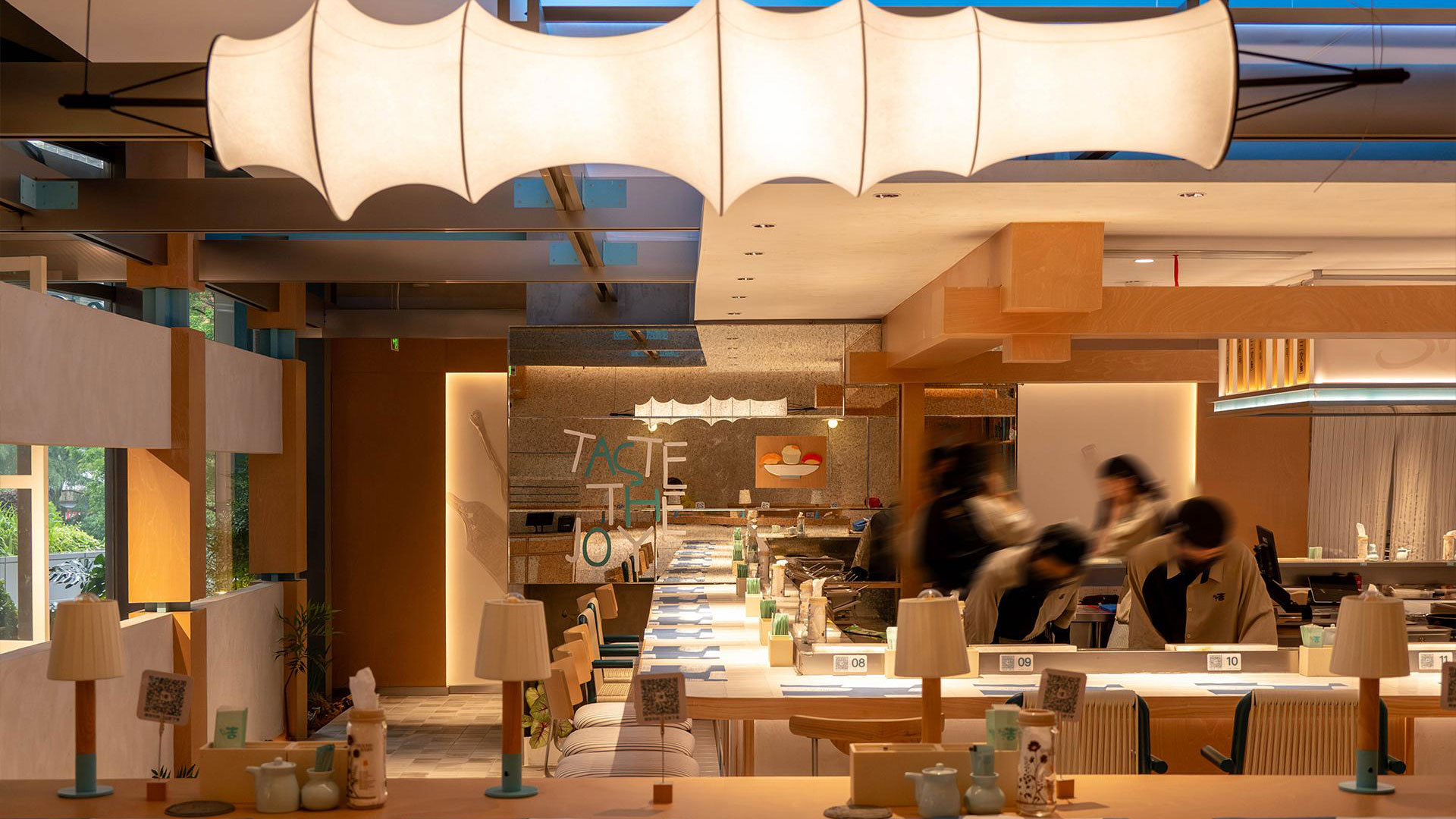
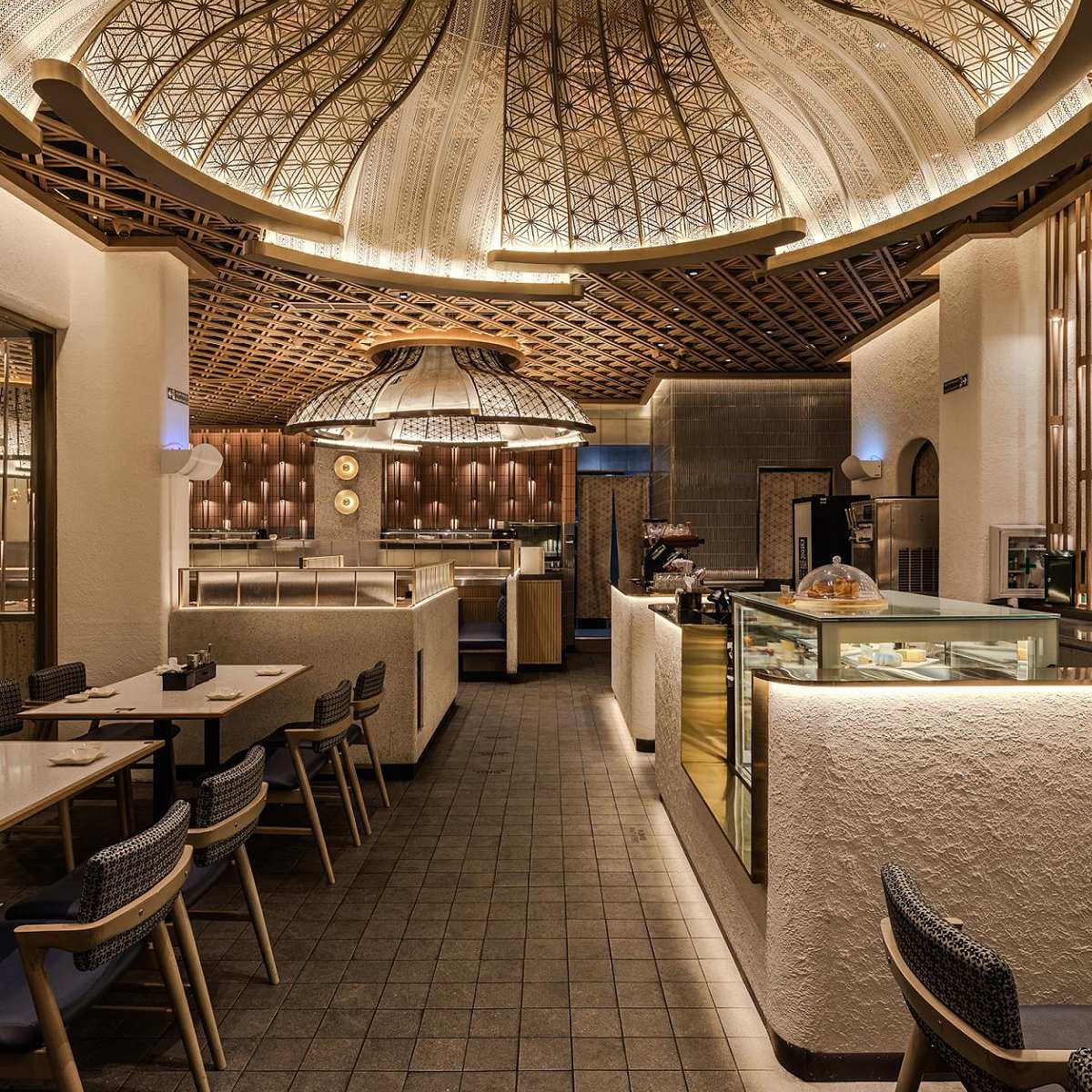
This project features an omakase counter restaurant that redefines the solo dining experience with an...
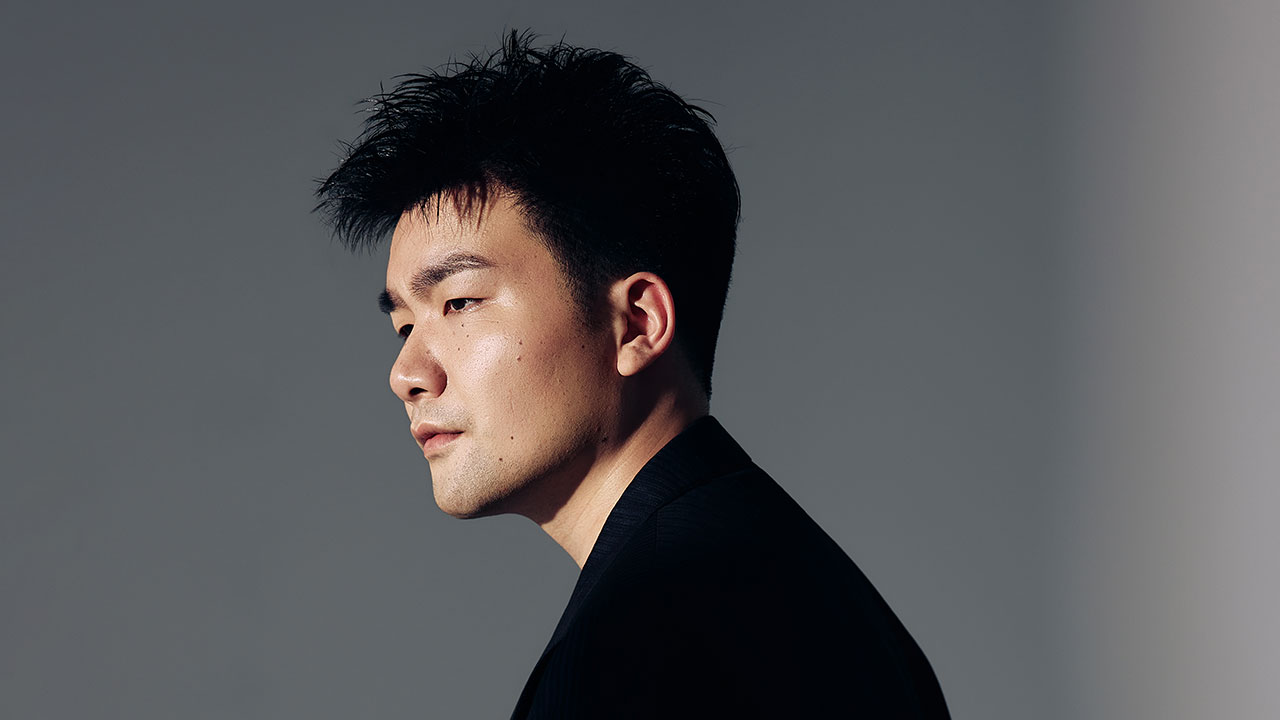
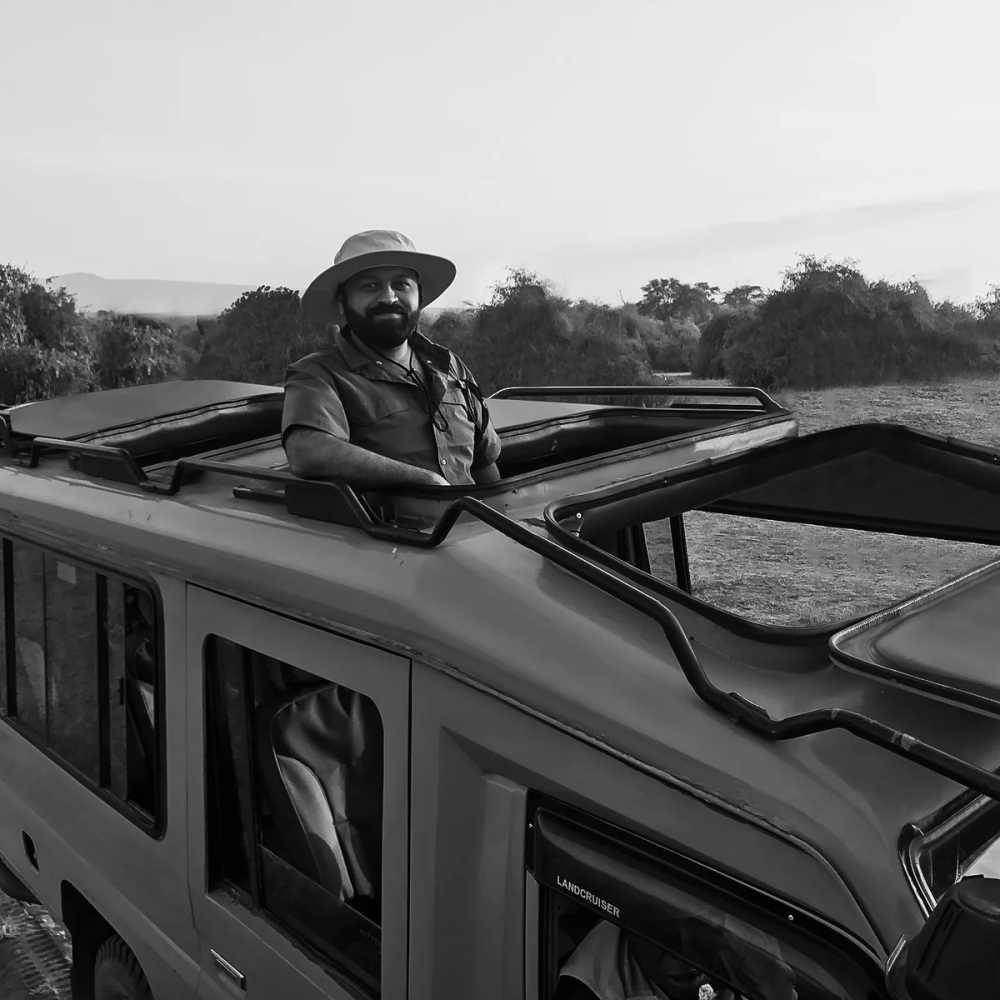
Wu Di is a commercial space designer specializing in dining and hospitality interiors, exploring how materials, light, scale, and spatial relationships shape human emotion and experience. His work treats space as a living dialogue between people and their surroundings, creating environments that feel immersive, grounded, and full of life.
I'm Wu Di, a designer specializing in commercial space design for the dining and hospitality industry.
My path into design began with a curiosity about the “vitality of space.” I've always been fascinated by how space shapes people's feelings, emotions, and experiences. To me, design is not merely a matter of form and visual presentation — it is a nuanced dialogue between people and space. Materials, light and shadow, scale, and the relationships between scenes all work together to shape the state of mind of those within the space.
I believe space has the power to hold memories and bring people together. A good space should carry an inner vitality, offering people a sense of ease and grounding. It is this conviction that drives me to translate my reflections on spatial vitality into every project that comes to life. For me, design is a continuous journey of exploration — one that constantly refines the connection between space and the people who inhabit it.
Receiving recognition from the MUSE Design Awards is a truly meaningful honor. This award not only represents the acknowledgment of the work itself by an international jury, but also validates the design philosophy behind it.
On a personal level, this recognition has further reinforced my conviction that good design — sincere and full of warmth — will ultimately be seen.
This international recognition means a great deal to me and to the entire design team. In the past, we built our reputation among clients and the industry through word of mouth from completed projects and the quality of our work.
Now, the international endorsement from this program has given authoritative validation to the original design philosophy and design attitude we have upheld for years. This honor has also deeply united the team, rewarding every member's dedication and refinement with positive feedback. Going forward, we will bring even greater passion and focus to our work, committed to creating commercial spaces that carry warmth, aesthetic beauty, and human connection.
Experimentation is the core foundation of our original design. Every differentiated spatial quality and unique visual experience comes from one experiment after another realized on site. Experimentation helps us break free from ingrained aesthetic habits by testing the compatibility of materials, light and shadow, proportion, and scenes, so that design drawings truly come to life with warmth and detail.
For example, in the early stages of a project, we conduct material screening, tests of practicality and suitability, as well as color testing and various other experiments to ensure that the final spatial result lives up to our vision.
Rather than drawing references from traditional dining spaces, architecture, or works of art, I observed the real dining habits of today's young people. Many of them like to pair their meals with anime or TV dramas, watching while they eat to complete the whole dining experience.
The bold, vivid color language found in anime inspired me. I began to wonder whether this kind of emotional experience could be translated into a physical space. We wanted to create a dining environment that unfolds like an anime narrative — one that speaks to the consumption preferences and emotional sensibilities of the younger generation.
And so, in the 寿吉司 Sushi Ji space, we boldly embraced color, transferring the chromatic energy of the screen into a real life dining scene, allowing the space itself to become a vessel for emotion.
What I most want people to understand is this: good looks are merely the result of design — adaptability, execution, and sustainability are the true core. But real commercial design is a comprehensive balance of aesthetics, functionality, business logic, user experience, and on-site craftsmanship.
I hope more people come to realize that professional design is not casual creation — it is a systematic discipline defined by restraint, precision, and accountability for outcomes.
For me, balancing client expectations with creative self-expression is, at its core, relative freedom within an absolute framework.
The absolute framework consists of the immovable boundaries of a project: brand positioning, commercial and operational logic, the real user experience, and the objective constraints of budget and site. These are the premises that must be upheld without compromise. It is on top of this that the relative freedom of creative expression begins.
I don't treat creativity as unconstrained self-expression, nor do I simply defer to every subjective aesthetic preference. In the early stages, I listen closely to the client's needs, breaking them down and distinguishing between what constitutes the rigid framework a project must adhere to and what parts are open to discussion and creative interpretation. Once we establish this shared framework together, design essentially becomes the search for unique solutions within defined boundaries.
I believe that, in many cases, truly powerful creativity is precisely what emerges from constraint. Grounded in an understanding of materials, space, and user behavior, we reason and innovate within the given conditions — satisfying the client's commercial objectives while preserving a distinctive character that belongs to the project itself. In this way, we achieve both the fulfillment of the client's needs and the expression of creative intent.
During the creation of this award-winning project, the core challenge we faced was uncertainty. Since most spaces of a similar type on the market tend to favor dark-toned presentations, what we wanted to create was a space with intense color contrast.
With no existing reference point to judge whether the market's target customers would accept such a highly saturated color environment, this was a risk we couldn't predict. To address this, we conducted extensive user research, case analysis, and physical color sample testing, adjusting the color brightness and color pairing scheme until we arrived at the spatial result you see today.
When I hit a creative block, I deliberately step away from the computer and the drawings, breaking out of the closed loop of work related thinking.
I'm in the habit of wandering through the city, and sometimes climbing to a high vantage point to look down over the entire skyline — taking in the arrangement of buildings, the play of light and shadow, and the pulse of contemporary life flowing through the city. It helps me detach from the fixed logic of a project and reopen my perception.
I place people's real behavior at the very top of my design priorities. To me, space is a container that responds to human behavior and emotion. In addition, years of moving through the city and observing it have cultivated a habit in me: I respect the existing conditions of a site rather than forcing a transformation of everything.
These experiences don't directly translate into any particular form — instead, they permeate the entire process of research, decision-making, and testing, and ultimately reveal themselves in the space.
Design is never static — it continuously evolves with the changing times and the development of society. Aesthetics, user behavior, and the commercial environment are all constantly being renewed.
Stay open, keep observing the real lives and people of the present moment, and don't settle for being a designer who works only on paper. Settle down and refine every project, build up your own system of thinking, and persevere over the long term — the work will speak for itself.
I would choose Le Corbusier. He wasn't just an architect — he was also a painter, sculptor, and urban planning theorist. He believed in the power of rules, order, and industrialization, yet he always pursued the spiritual and emotional resonance of architecture, thinking about architecture, art, human habitation, and urban issues within a single coherent system.
What draws me to him is precisely this quality of being both contradictory and unified.
If I'm ever asked, “Where does your sense of achievement at work come from?” — my answer is: every time a project comes to life. The moment I step into a space I've designed, I go silent.
I don't want to talk; I just want to feel the atmosphere the space gives me. And every time I hear positive feedback from customers about my work, it brings me tremendous encouragement.