ZBrush Summit 2025 Opening
ZBrush Summit 2025 is a three-day virtual event celebrating ZBrush’s 25th anniversary, bringing together digital...
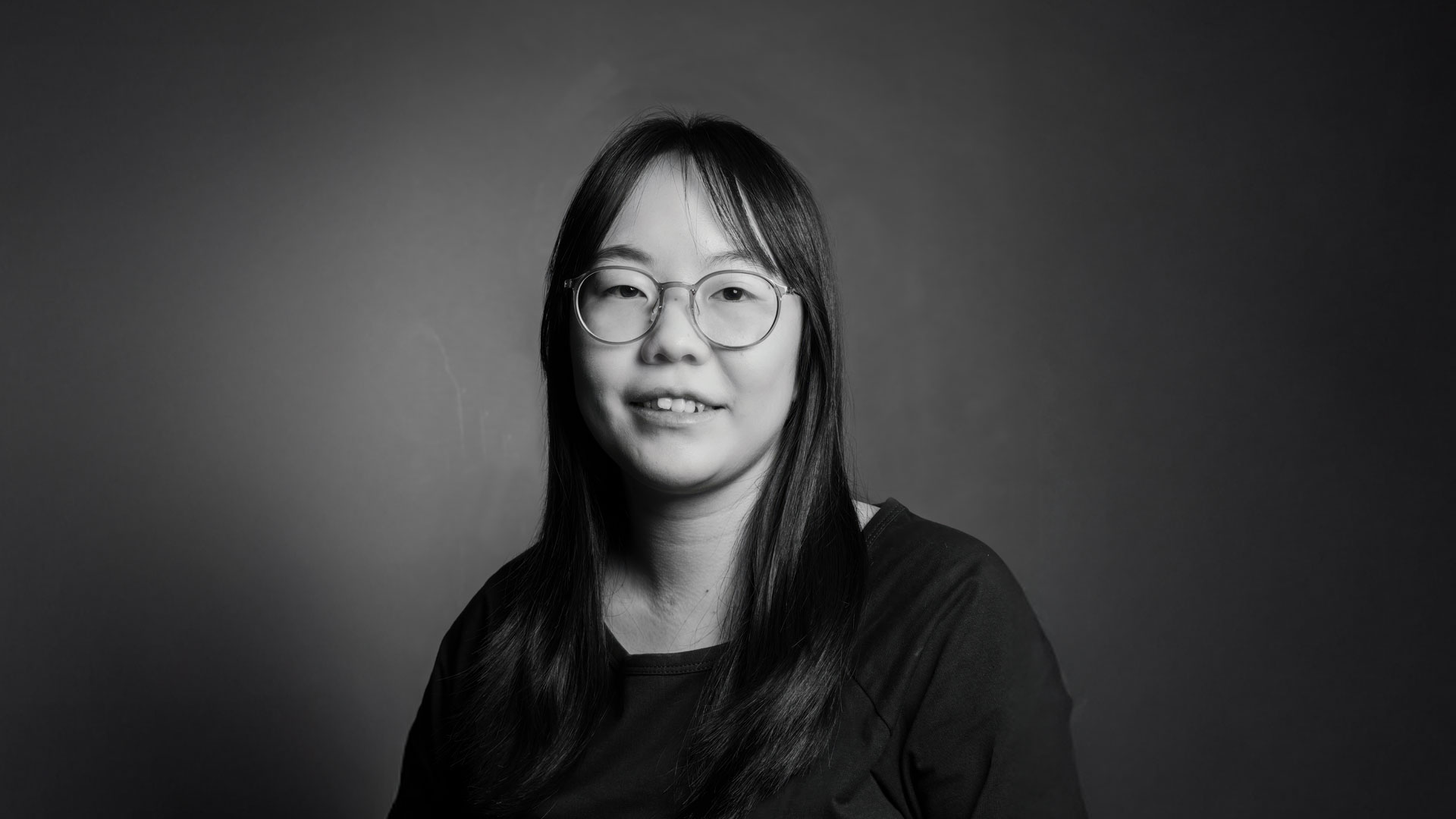
Xinyue Gu is a Los Angeles-based motion designer at Maxon, known for blending technology, storytelling, and brand communication into emotionally driven visual narratives. With experience at Imaginary Forces and Black Math, she has worked on projects ranging from Netflix title sequences to public-facing campaigns.
My name is Xinyue (Casey) Gu, a Los Angeles-based motion designer working at the intersection of technology, storytelling, and brand communication. I currently work at Maxon as the sole motion designer, shaping product narratives and global brand communication.
My background in marketing before transitioning into motion design gave me a dual focus on strategy and emotional storytelling.
Prior to Maxon, I worked across studio environments that significantly shaped my perspective. At Imaginary Forces, I contributed to Netflix title sequences, where the work focused on establishing tone and narrative expectations within a limited timeframe. At Black Math, I worked on public-facing campaigns, including projects for the Boston government, where clarity and immediacy of communication were essential.
I submitted the work because I wanted it to exist within a broader professional dialogue beyond its original context. Projects like the Maxon One Brand Expression Film and the ZBrush Summit Title Sequence pushed motion beyond conventional promotional formats.
Winning Gold confirmed that this more conceptual, system-driven approach to motion can still resonate widely. It reinforced my belief that motion design holds depth as a narrative medium, not just as a production tool.
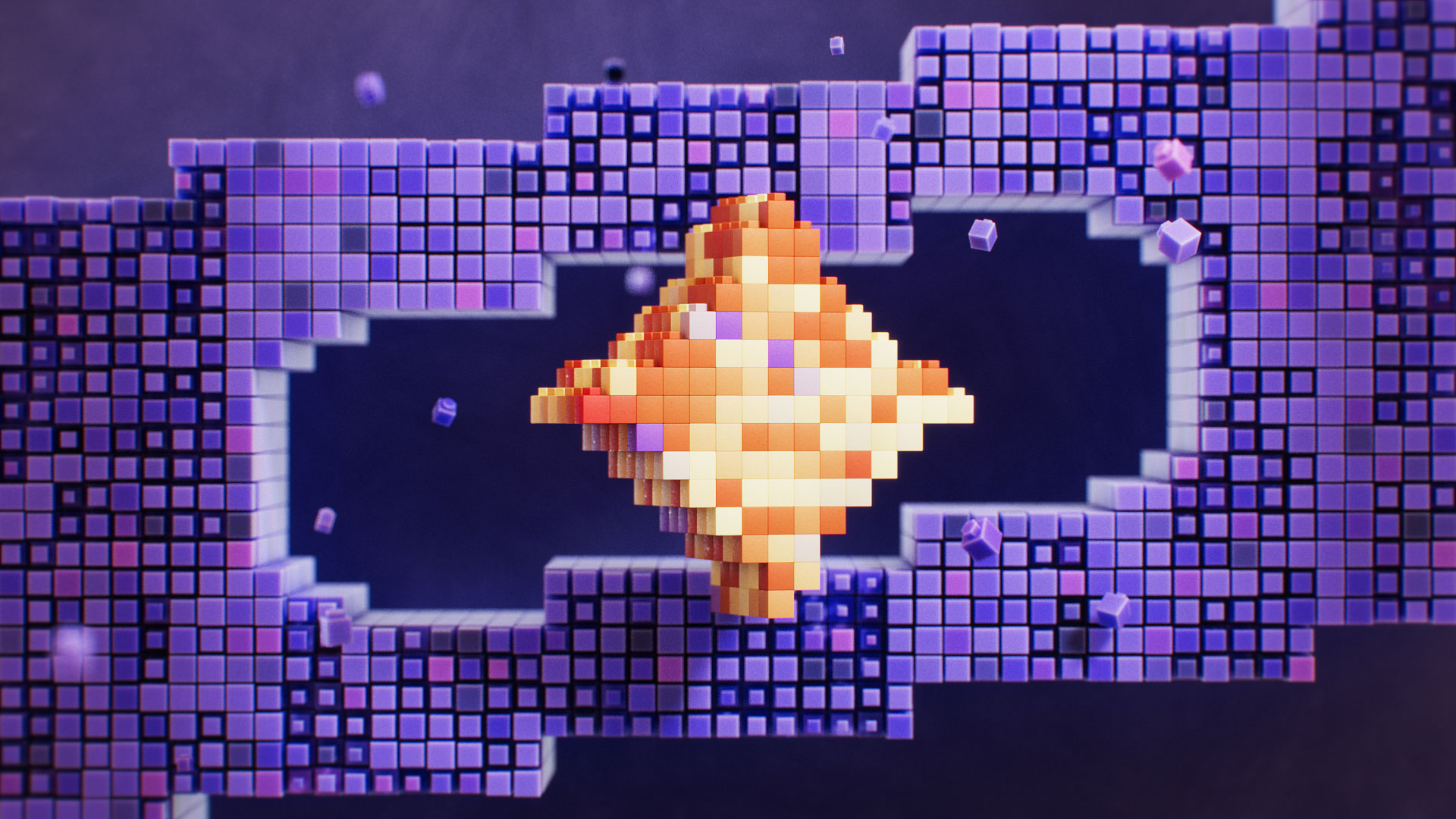
The Maxon One Brand Expression Film came from a very specific creative challenge: Maxon has a broad suite of tools—Cinema 4D, ZBrush, Redshift, Red Giant, and more—and the goal was to show that these are not simply separate products existing side by side, but a genuinely connected ecosystem. The honeycomb-inspired identity system gave us a modular visual language to work with, and the challenge was translating that into motion in a way that felt both distinct for each tool and cohesive as a whole.
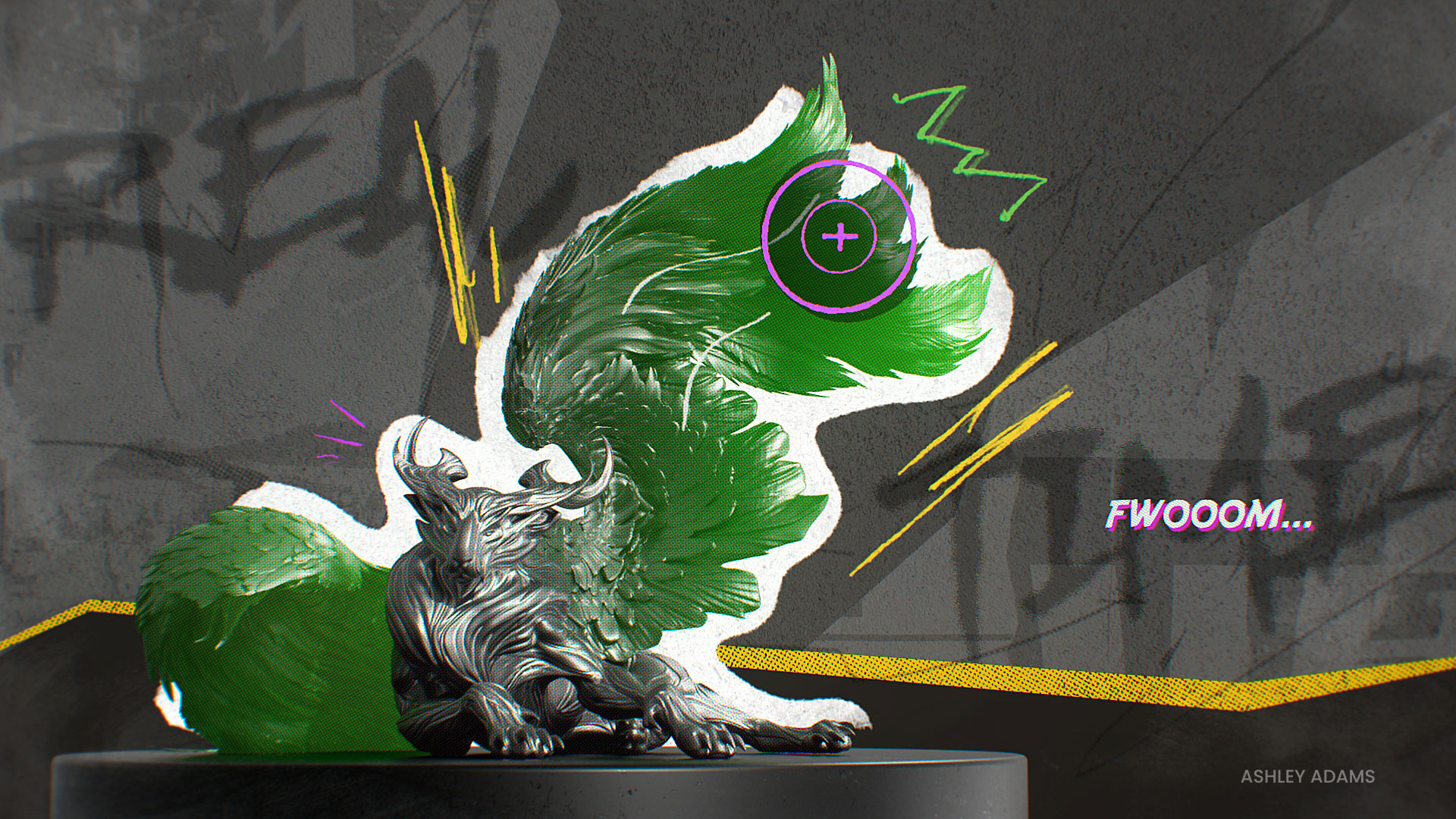
We wove the signature characteristics of each product into the narrative while using consistent geometry, transitions, and rhythmic pacing to communicate how seamlessly they work together. The ZBrush Summit title sequence operated on a different emotional register. As ZBrush celebrated its 25th anniversary, the community of digital sculptors and artists already had a deep, almost personal relationship with the software. The sequence traced that evolution—from the foundational brush system to advanced capabilities like ZRemesher and toon shading, and forward toward new frontiers such as ZBrush for iPad. It needed to feel like a milestone worth honoring.
Together, I believe these projects reflect a broader shift in the industry toward brand communication that does more than simply announce what tools exist—it articulates why those tools matter to the people who use them every day.
The key difference was prioritizing narrative structure over visual spectacle. Both the Maxon One Brand Expression Film and the ZBrush Summit Title Sequence were built around motion as meaning, not decoration. Timing, rhythm, and transformation carried the message rather than relying on overlays or effects. That alignment between form and intent created a more unified and distinctive experience.
One of the consistent challenges in my role at Maxon is working independently across a broad range of projects—brand films, product launches, event titles, and global campaigns. The Maxon One Brand Expression Film, in particular, involved translating a complex, multi-product ecosystem into a single cohesive narrative, which required balancing a large amount of conceptual and visual information simultaneously.
I spent a significant amount of time asking myself one question: what is the one thing the viewer should feel by the end of the film? Everything else—which products appeared, in what order, and with what visual treatment—had to support that answer. Having that North Star made it possible to make fast, confident decisions under pressure and push back when something technically impressive was not actually serving the core idea.
Long term, I hope this contributes to broader recognition that motion design can and should operate at a strategic level—not as a finishing step, but as a core communication discipline.
On a personal level, the recognition has opened conversations and opportunities I would not have had otherwise, including speaking invitations at Half Rez, SCAD, and the University of Houston.
These are spaces where I can speak directly to the next generation of designers about why intention and storytelling will remain the most important skills as the production landscape continues to evolve.
The response that has meant the most to me has come from within the creative technology community itself—designers and artists who use these tools every day and felt genuinely seen by the Maxon One film.
When someone tells you that a brand film made them feel understood as a creative professional, it signals that the work accomplished something beyond its immediate commercial purpose. The ZBrush Summit title sequence received a similarly meaningful response from the ZBrush community.
Start by getting very clear on what you want the audience to experience. That question is more difficult than it sounds, and many projects fall short because it was never fully answered.
From a craft perspective, study temporal structure as seriously as visual aesthetics. Understanding how pacing, rhythm, and duration create meaning—not just how things look, but how timing shapes emotional response—is where real differentiation exists, and it remains underemphasized in most design education.
AI is transforming production efficiency, but it also reinforces the importance of thinking and intent. In projects like the Maxon One Brand Expression Film and ZBrush Summit Title Sequence, the focus has always been on narrative clarity over execution complexity.
As tools become more accessible, conceptual depth becomes the primary differentiator. I aim to stay focused on creating meaning through motion, not just producing images.
Competitions should be viewed as a framing exercise rather than a judgment of value. They force you to articulate what your work is and why it matters. That process alone is professionally valuable, regardless of the outcome.
The habit of finishing and submitting work is what truly builds long-term growth.
Movement, timing, and transformation are not just ways to make static ideas feel more dynamic—they are tools for shaping how people experience and understand something. When that is recognized from the beginning, the work becomes genuinely distinctive.
I’d love to express my gratitude to our team at Maxon. Without their support, none of this would have been possible.
A motion system that translates creative processes into a structured visual experience.
At Maxon, I continue to lead the development of motion systems that translate complex creative tools into human-centered narratives, shaping how the brand communicates on a global level. I am also expanding my role through speaking engagements and educational initiatives, contributing to broader industry conversations.
Looking ahead, I aim to further define and elevate motion design as a strategic system for creating meaning—both within organizations and across the industry.