Pet DNA Lab Social Media
Basepaws is a pet genetics brand that helps pet parents learn more about their cats...
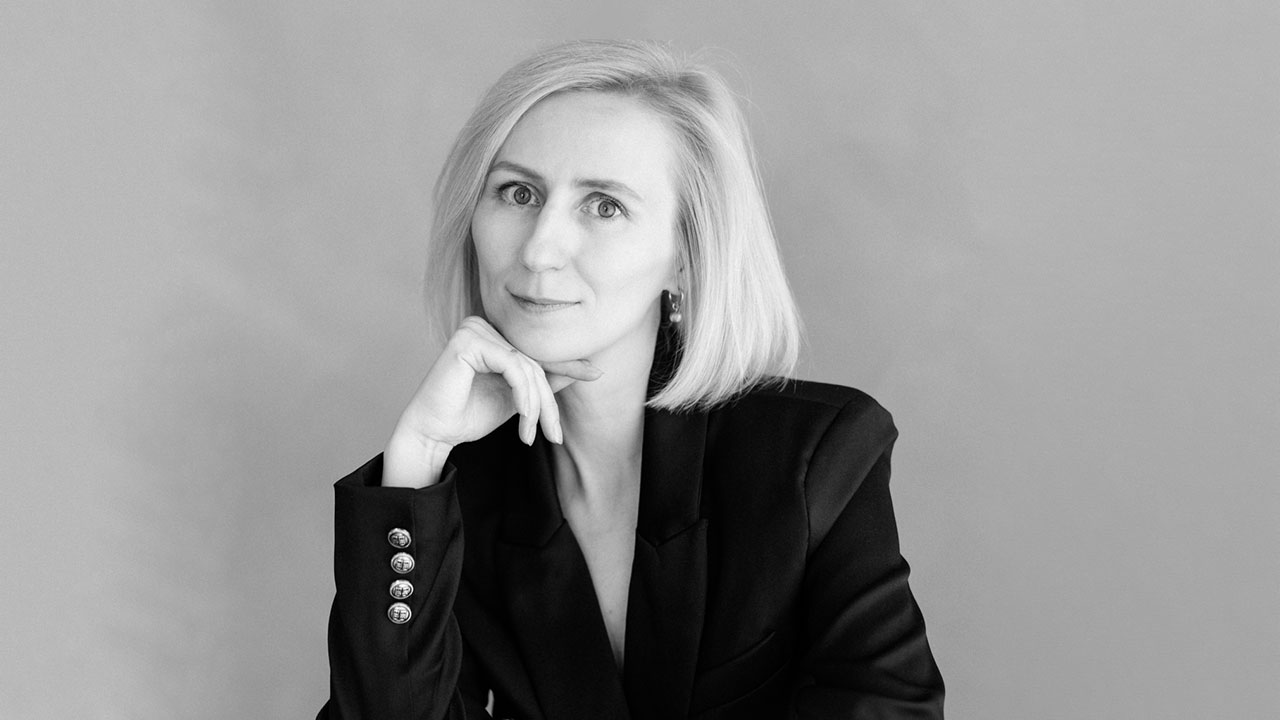
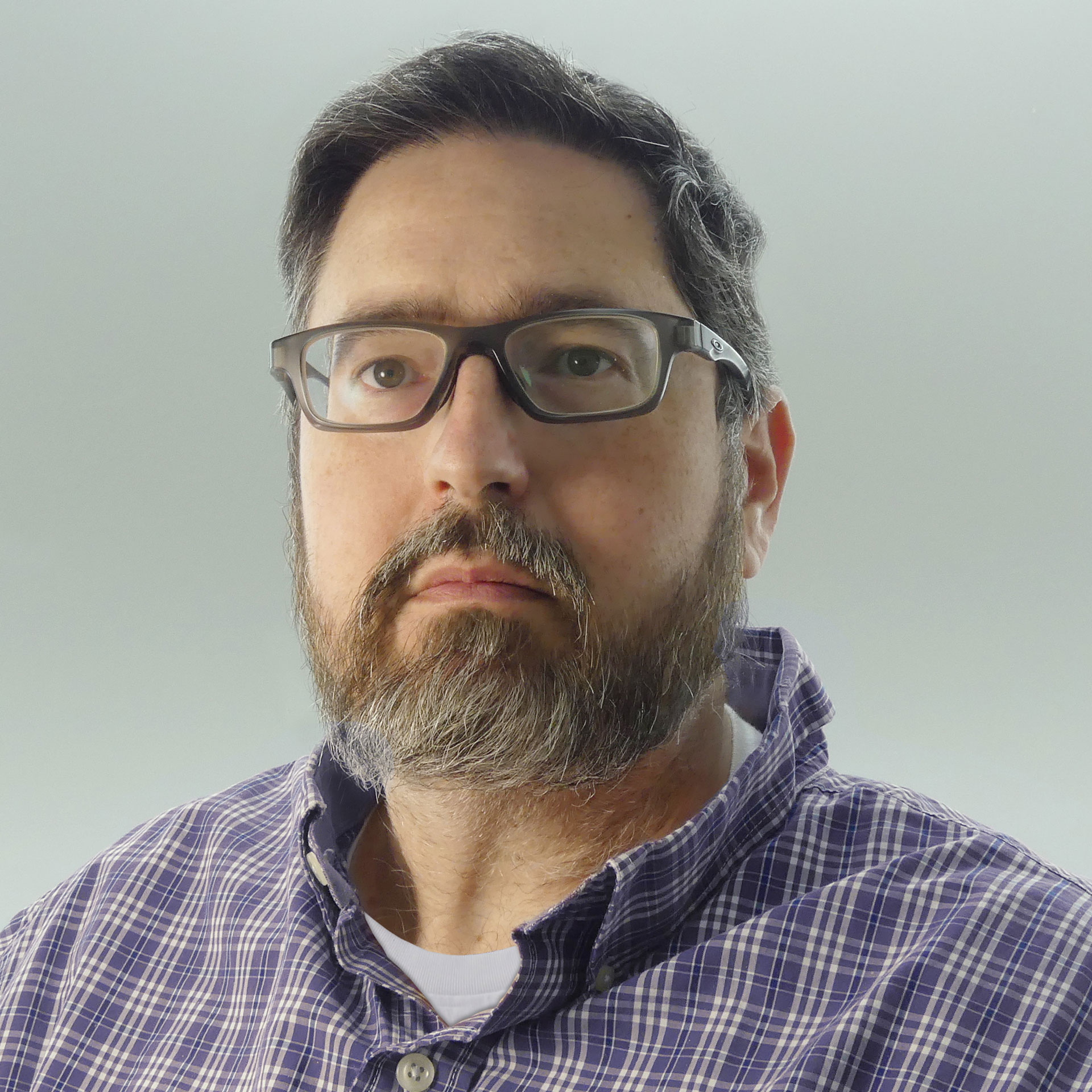
Yana Grishchuk is the founder of Delicate Matter and a multidisciplinary designer and art director with over 15 years of experience across brand communication, e-commerce, and digital design. She specializes in making complex ideas clear, engaging, and purposeful.
I’m a multidisciplinary designer and art director and the founder of Delicate Matter, an independent creative studio focused primarily on brand communication, e-commerce, and digital marketing design.
My background actually sits between art and design. I have a Master’s degree in Graphic Design and have spent more than 15 years working across agencies, in-house teams, and independent practice. I’ve always been drawn to ambitious, complex challenges.
I love leading projects where design has to do much more than look good. I’m especially interested in helping complex products enter the market, finding ways to make them understandable and desirable, engaging audiences, and building lasting relationships between brands and their customers.
Social media work is often judged by engagement, reach, clicks, or sales, but there is another layer to this project: how effectively design can translate specialized knowledge into something people genuinely want to understand.
Winning Gold is particularly meaningful because it validates that broader creative approach. It tells me that educational and commercially effective communication do not have to exist in separate worlds. A project can be useful to a business, valuable to its audience, scientifically responsible, and creatively ambitious at the same time.
Basepaws works with pet genetics, which means communicating subjects such as DNA, hereditary conditions, genetic risk, microbiome science, breed characteristics, and disease. These topics can be technical, intimidating, or sometimes emotionally difficult.
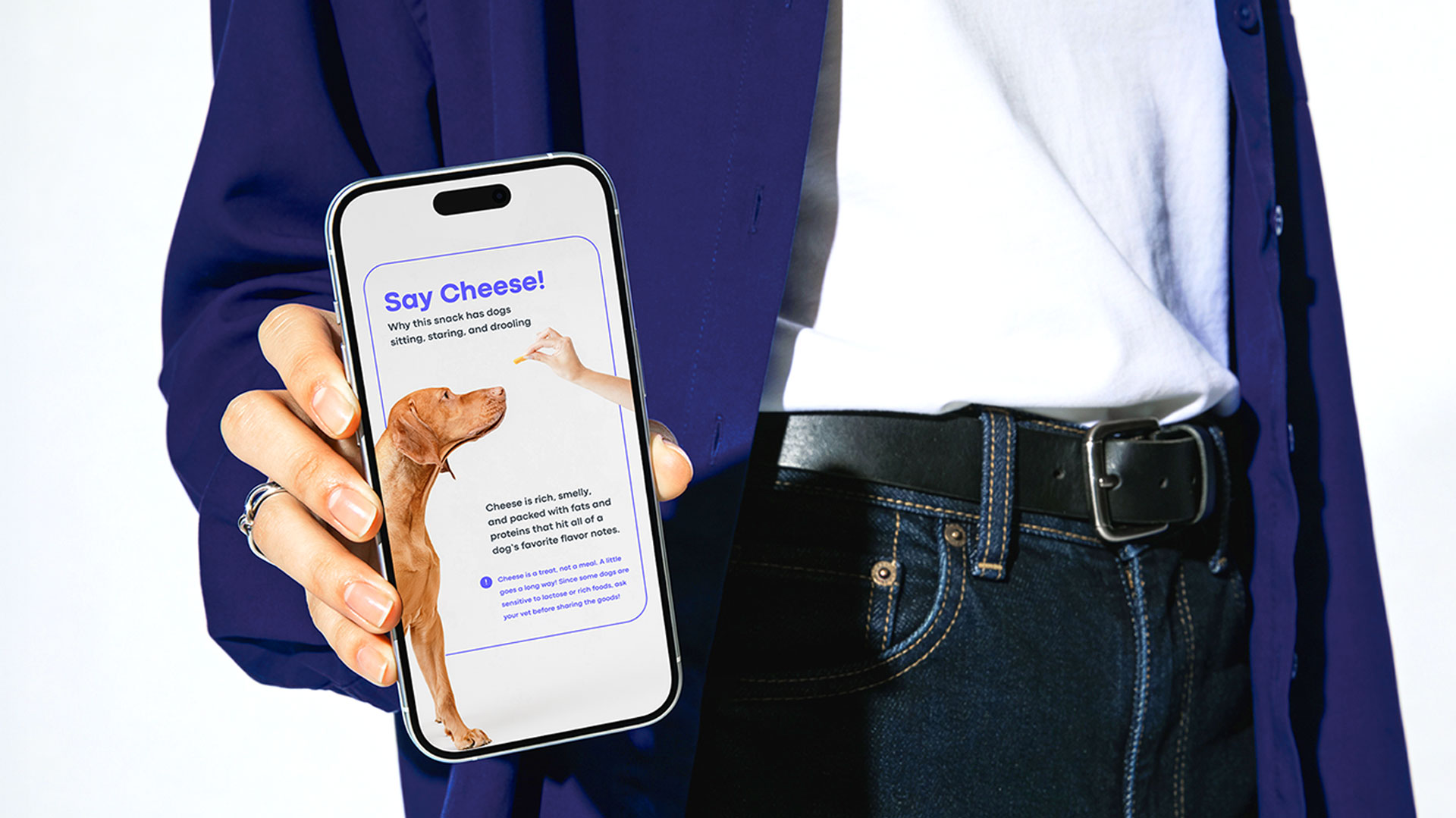
My role was to turn that complexity into visual stories people would actually stop for, learn from, share, and discuss. Instead of treating social media purely as a promotional channel, we approached it as an ongoing educational environment. Scientific information could become an infographic, an illustrated story, a playful comparison, a cultural reference, or something humorous, as long as the core meaning remained intact.
I think the project represents an important shift happening in our industry. Audiences are surrounded by information but have very limited attention. Designers increasingly have to become interpreters: deciding what matters, creating hierarchy, finding the right visual language, and helping people cross the distance between “this looks complicated” and “I actually want to know more.”
I think the strongest element was the contrast between the seriousness of the subject matter and the friendliness of the visual language.
Pet genetics is a sophisticated scientific field, but the communication never needed to feel like a textbook. I used illustration, typography, photography, humor, unexpected visual metaphors, and highly recognizable situations from pet owners’ everyday lives.
At the same time, playfulness was never an excuse to oversimplify the science until it became meaningless. Finding that balance was essential.
The biggest challenge was simplification without distortion. When you communicate scientific subjects to a broad audience, there is always a temptation to remove complexity until the message becomes extremely easy to consume. But with genetics, health, and biological science, small nuances can matter.
The solution was to identify the central idea first and then build a visual hierarchy around it. What does someone absolutely need to understand? What can be explained visually instead of verbally? What deserves additional context?
That process taught me that clarity and simplicity are not the same thing. Good communication can be simple to enter while still respecting the complexity behind it.
I see this win as an important milestone in building Delicate Matter’s reputation as a studio trusted with ambitious, complex, and strategically driven creative work. The award is still very recent, so I think it is too early to claim that it has transformed anything overnight. What it has already done, however, is give me an independent point of validation for the kind of work I want to pursue more deliberately.
Through Delicate Matter, I want to continue working with companies that have something genuinely interesting or complex to communicate—not necessarily products, but also knowledge, style, technology, research, culture, or ideas.
The win is very recent, so most of the reaction is still unfolding. What has been especially rewarding is seeing this body of work recognized as something larger than a collection of successful social posts.
During the project itself, the audience response was already a strong indicator that the communication was working. People were asking questions, sharing experiences, tagging other pet owners, and engaging with the science behind the product. Some even left comments specifically complimenting the design team, which was especially meaningful.
I would start by separating “good-looking work” from “good work.” Awards are much easier to approach when you can clearly explain what problem existed, what you changed, why you made those decisions, and what happened as a result.
When preparing an entry, I think designers should give almost as much attention to the story as they do to the final images. Judges need context. Show them the challenge, the thinking, the constraints, your specific contribution, and why the solution matters.
I would also avoid trying to make a project sound more revolutionary than it was. Specificity is much more persuasive than exaggerated claims.
And finally, document your projects while you are doing them. Save iterations, results, audience reactions, research, and decisions. Two years later, those details are much harder to reconstruct.
I see the changes happening in the creative industry as an expansion of what a designer can do rather than a replacement of traditional expertise. I have a strong foundation in traditional design tools, fundamental knowledge of design and art, and many years of experience developing ideas through visual thinking and craft.
At the same time, my work as an art director has taught me how to lead creative teams, communicate a concept clearly, give meaningful feedback, and help other people turn an idea into a strong final result.
Interestingly, many of those same skills are becoming essential when working with AI. You need to know what you are trying to achieve, articulate it precisely, evaluate what comes back, identify what is missing, and keep directing the process until the result is right. In that sense, being able to direct people well can also make you much better at directing AI.
That combination is where I see myself in the future: someone who can move comfortably between hands-on creative work, strategic thinking, team leadership, and emerging technologies, using each of them where they add the most value.
I would treat competitions as an opportunity to practice articulating the value of your own work. Even preparing an entry forces you to step outside the project and ask: What did I actually contribute here? Why does this solution deserve attention?
A strong project does not necessarily require a famous client, enormous budget, or huge team. Sometimes a small project has a very clear problem, an intelligent idea, and excellent execution, and that can be more compelling than something much larger.
Stay curious outside your own discipline. Some of the best ideas can come from science, contemporary art, history, anthropology, a strange conversation, a museum label, or something your audience says in a comment section.
Part of our job is making connections between things that did not previously seem connected.
And I think we should protect that curiosity, especially in an industry that can easily become dominated by speed, optimization, trends, and endless production.
Absolutely. I would dedicate this achievement to the Basepaws team. We’ve been working together for almost four years, and during that time, both the company and our creative work have gone through many stages of growth and transformation.
I’ve been fortunate to contribute to that journey by helping shape the visual language of Basepaws’ social media, one of the brand’s most important channels for reaching, educating, and converting its audience.
I’ve always appreciated how open they are to experimentation and unusual ideas, and I’ve felt equally valued for the perspective and creative thinking I bring to the work. That kind of relationship is rare, and it is a big part of why this project was able to grow into something so distinctive.
And, of course, some credit still has to go to cats and dogs for being exceptionally good creative material.
Serious science, translated through playful design to make pet genetics easier to understand, remember, and care about.
That sentence captures the tension at the center of the project: the information remained meaningful and scientifically grounded, while the way people encountered it could still be accessible, curious, and fun.
I’m continuing to develop Delicate Matter and working with brands on digital communication, e-commerce, campaigns, and creative strategy, while becoming increasingly selective about projects where design can play a deeper role.
I’m especially interested in the territory between design, education, science, and culture—subjects that contain complexity but need a human way into them.
Personally, I also want to keep experimenting. I have never been particularly interested in developing one recognizable visual style and repeating it. I would rather keep expanding the number of ways I know how to solve a problem.
So the goal is quite simple: more difficult questions, more interesting collaborations, and hopefully a few solutions I cannot predict yet.