Walmart Dynamic Showroom
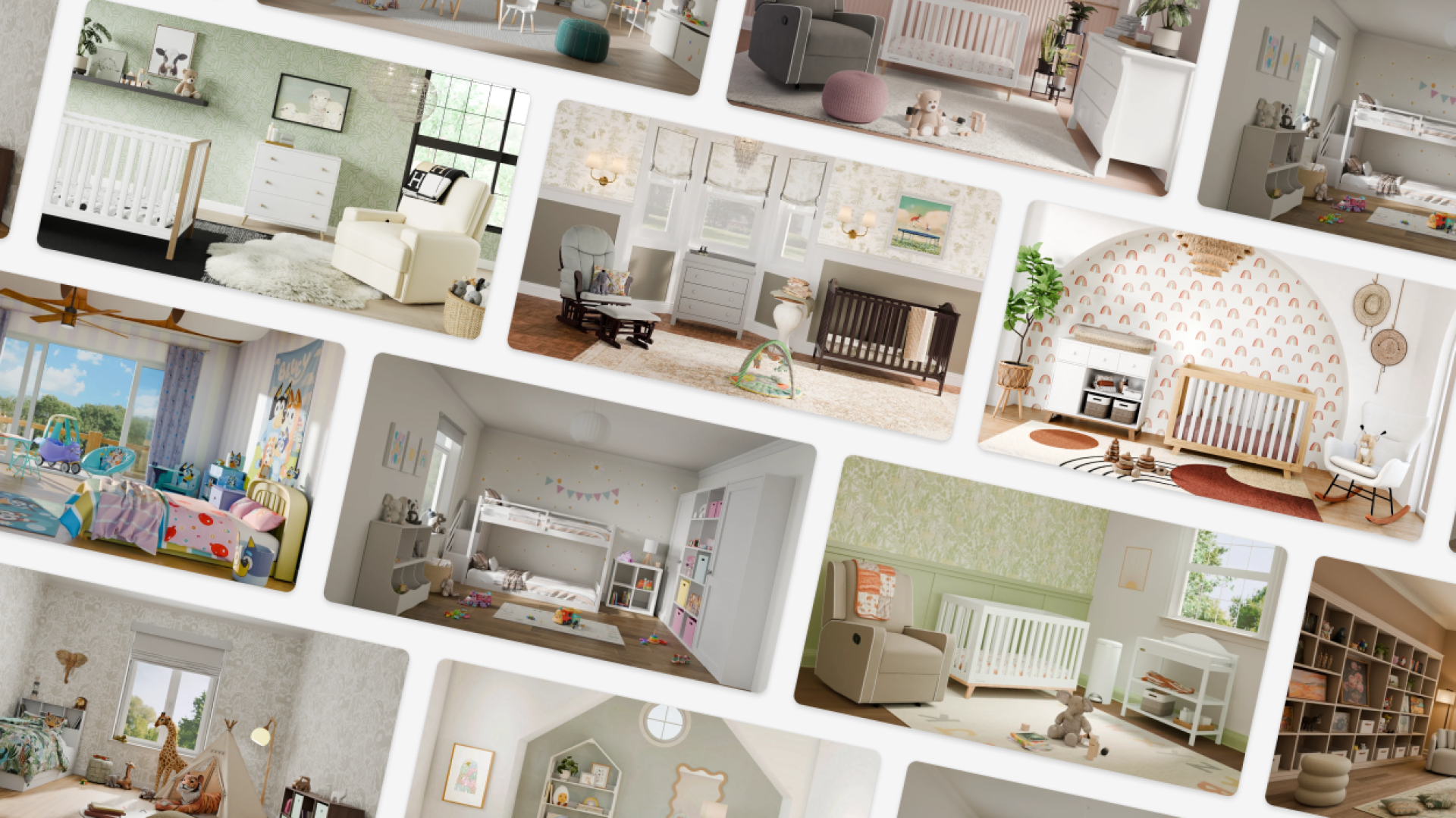
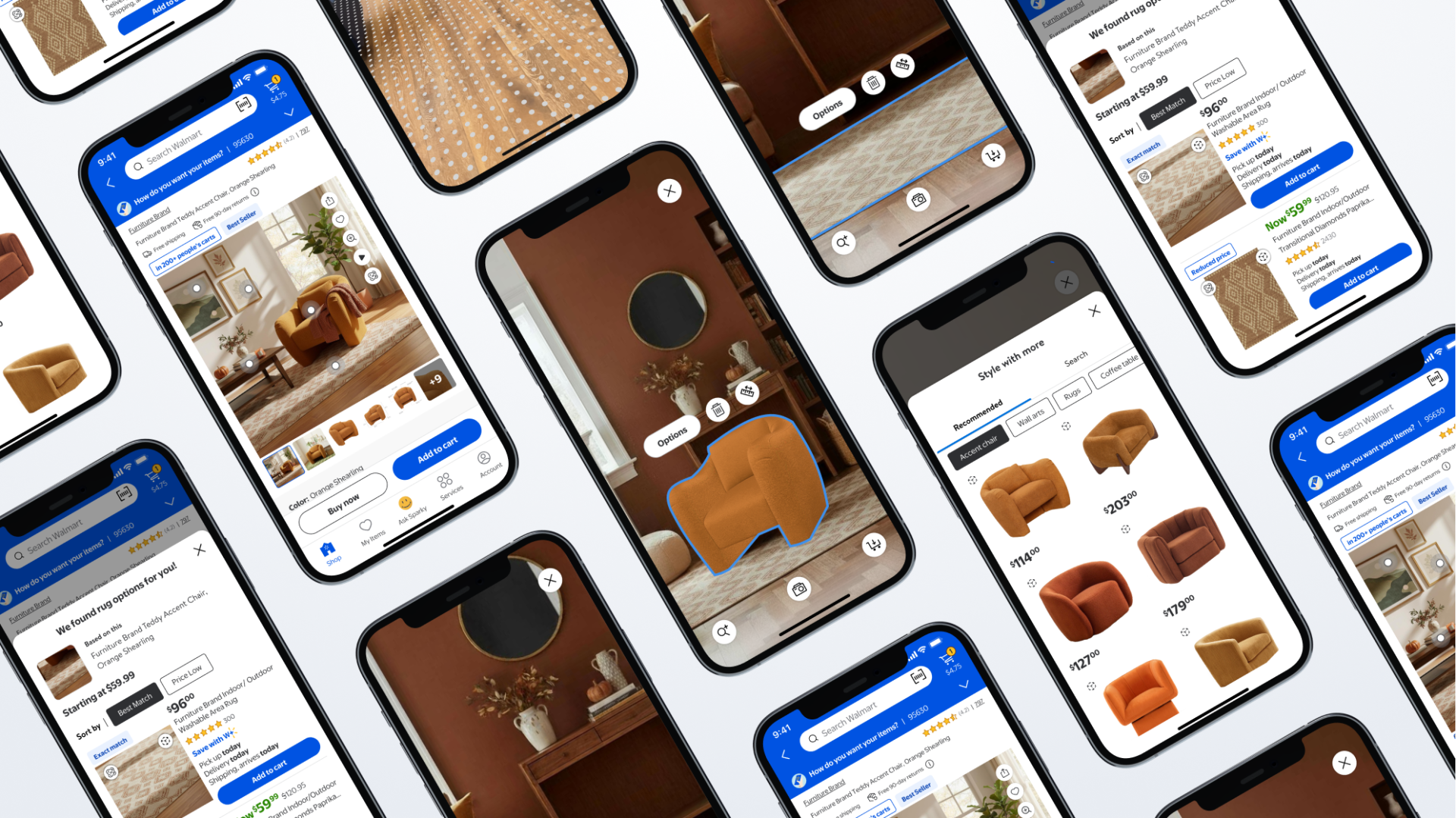
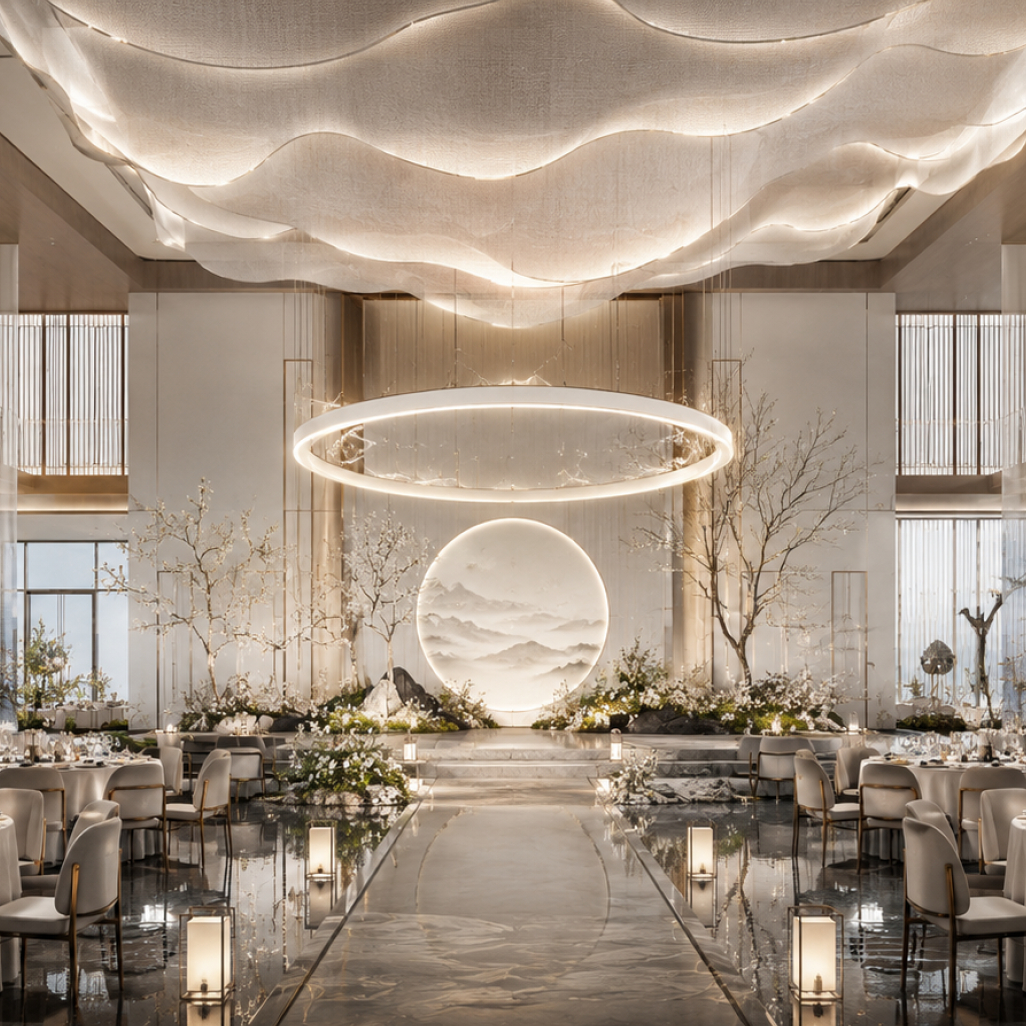
Dynamic showroom is a pioneering virtual showroom designed to address the challenge of a need...

Yuanhao Zhu is a UX designer at Walmart who has led multiple internationally recognized shopping experiences, crafting immersive and customer-centered products that transform complex technology into intuitive, engaging ways for people to shop, discover, and connect online.
Hi, I’m Yuanhao Zhu, a UX Designer at Walmart, where I focus on creating immersive, customer-centered shopping experiences. I’m passionate about transforming complex ideas into intuitive and impactful products that make shopping easier, more engaging, and more enjoyable for customers.
Over the years, I’ve had the opportunity to lead several 0-to-1 design initiatives at Walmart, and I’m honored that four of those projects—Walmart Beauty Virtual Try-On, View in Your Home, Shop the Background, and Dynamic Showroom—have received international recognition. I was the lead designer on all four projects, and those experiences have been especially meaningful in shaping my growth as a designer.
My path into design was not a traditional one. During my undergraduate studies, I was a pre-dental student majoring in Human Biology, and I spent time working in a dental clinic. That experience played a major role in shaping my career direction. I saw firsthand how the software used to document patient history was unintuitive, difficult to navigate, and often slowed down workflows in a busy clinical environment. That was the moment I realized how deeply poorly designed products can impact people’s daily lives—and how meaningful it would be to create better experiences.
That realization inspired me to transition into design. I went on to pursue a double major in HCI Design and later earned a master’s degree focused on UX design. Since then, I have remained driven by the belief that thoughtful design can solve real problems and create experiences that genuinely improve people’s lives.
Being recognized by the MUSE Design Awards is incredibly meaningful to me. It is an honor to have my work acknowledged on an international platform, and it serves as a reminder that thoughtful, user-centered design can create a meaningful impact. This recognition motivates me to continue pursuing work that is both creative and purposeful.
This achievement has been both validating and energizing. It has strengthened my confidence as a designer while bringing greater visibility to the work my team and I have been creating.
It has also created new opportunities to share our design thinking, build credibility with cross-functional partners, and connect with a broader creative community. While awards are never the ultimate goal, recognition like this helps open doors to larger conversations, meaningful collaborations, and future opportunities.
Experimentation plays a critical role in my creative process, particularly through user research and A/B testing. For example, through user research, we discovered that customers often do not read long product names in full.
That insight led me to shorten the displayed product names and prioritize the most meaningful information instead. A/B testing then helped validate that the updated experience better supported users in making purchasing decisions. For me, experimentation is what transforms assumptions into informed and effective design choices.
One of the most unexpected sources of inspiration came from room-decorating computer games I played as a child. I was also inspired by the imaginative interiors in Bluey and even the whimsical home of the Grinch in film.
Those spaces were filled with personality, storytelling, and visual richness. They reminded me that environments can feel playful, memorable, and emotionally engaging—qualities I continue to bring into my own design work today.
I wish more people understood that design is not a linear process, and that progress does not always happen in a straight line. Meaningful design requires iteration, reflection, and sometimes the willingness to step back before moving forward.
I also wish more people understood that adding more animation or visual effects does not automatically create a better experience. Good design is not about adding more, but about ensuring that every decision is thoughtful, intentional, and purposeful.
I believe the best outcomes come from strong cross-functional alignment. One approach that has been especially effective is the “4 in a box” model, where Product, UX, UI, and Engineering remain closely connected throughout the entire process.
This creates a shared space for discussion, tradeoff evaluation, and collaborative decision-making. That structure allows me to stay focused on the core user experience while also ensuring the work remains practical, aligned, and supportive of broader business goals.
One of the biggest challenges was balancing pressure from multiple directions, including business priorities, engineering constraints, and the constant demand to move faster. At times, the expectation was simply to deliver quickly or rely on new tools to accelerate execution. What helped me navigate those moments was staying grounded in what was genuinely best for the user.
I believe strong design requires conviction—the ability to remain open to collaboration while also respectfully challenging decisions when necessary. By consistently advocating for the user while working closely with stakeholders, I was able to help shape solutions that were both thoughtful and effective.
When I encounter a creative block, I recharge by studying great design in real-world contexts. I download apps, explore user flows, capture screenshots, and analyze what makes certain experiences effective. I also look to platforms like Pinterest, Dribbble, and Mobbin to study patterns, craftsmanship, and emerging ideas.
Sometimes creativity comes from stepping away from your own work and learning how others approach and solve similar problems.
One value I strongly believe in is “eat what you cook.” Whenever possible, I make an effort to use the products and experiences I help design myself. For example, I’ve purchased items such as a couch, standing desk, chair, and TV through experiences I contributed to creating.
That firsthand experience teaches me what works well, what feels intuitive, and where friction still exists. It allows me to design with greater empathy because I am not only designing for users, but also learning alongside them.
My advice would be to build strong relationships with engineers and develop a genuine understanding of technical possibilities and constraints. You can create something beautiful and imaginative, but if it cannot be built, it will never become a meaningful experience.
I would also emphasize the importance of accessibility. A design may look visually impressive, but if it is not inclusive, it is still not truly successful. Great design should be usable, thoughtful, and accessible for everyone.
I would love to collaborate with the designers behind Robinhood. I’ve always admired their illustration style, motion design, and overall visual identity.
Their work feels clean, refined, and highly intentional. I’m especially drawn to how they create experiences that feel simple and elegant while still maintaining a strong and distinctive visual character.
One question I wish people asked more often is: “Will UX design be replaced by AI?”
My answer is no. AI is not here to replace designers, but it is changing what it means to remain relevant within the industry. Rather than replacing human creativity, AI can become a powerful collaborator by handling repetitive tasks and accelerating execution.
This gives designers more space to focus on strategy, critical thinking, storytelling, and creating experiences that genuinely resonate with people. The role of the designer is evolving, but the human side of design remains essential.