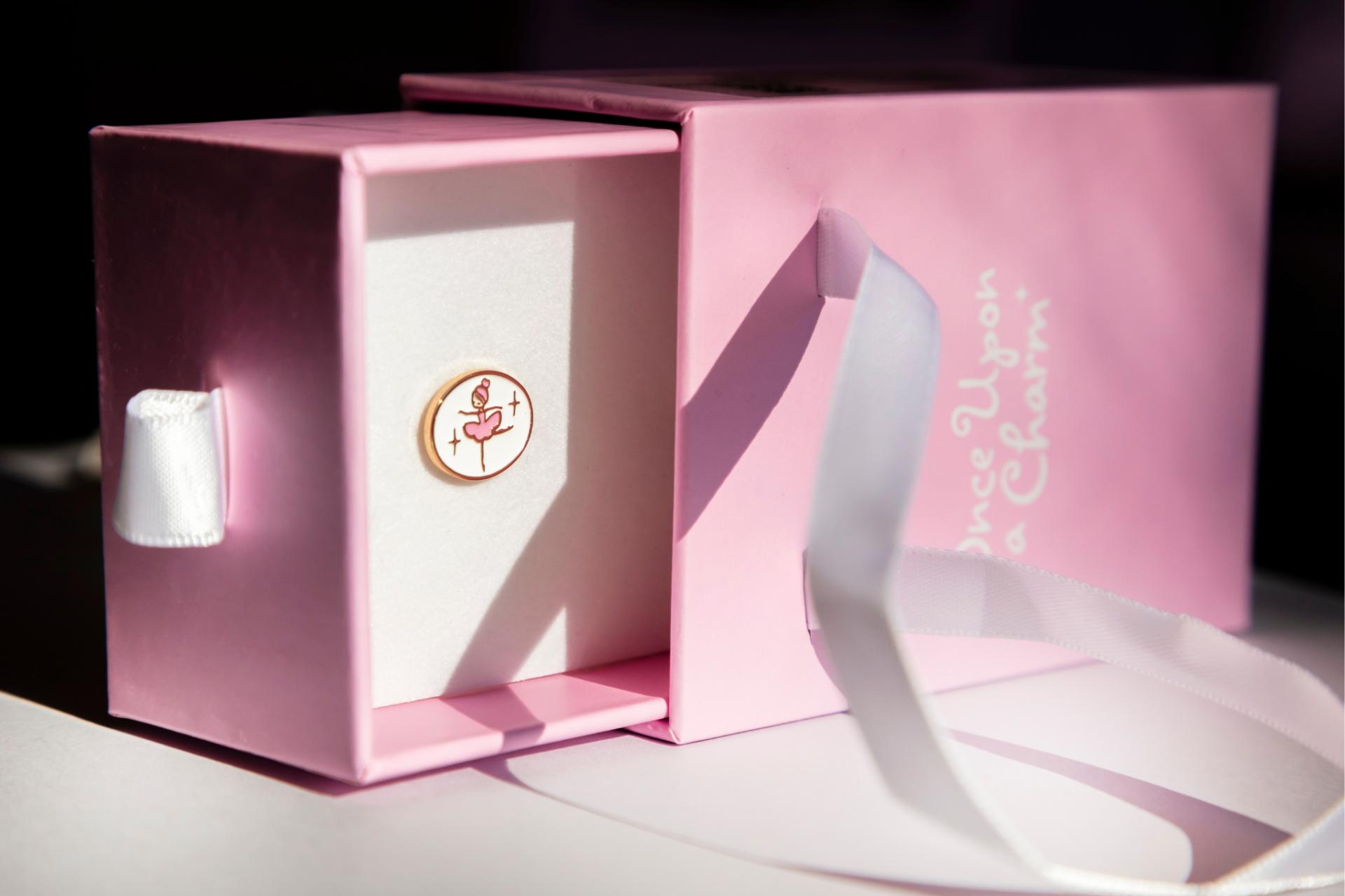
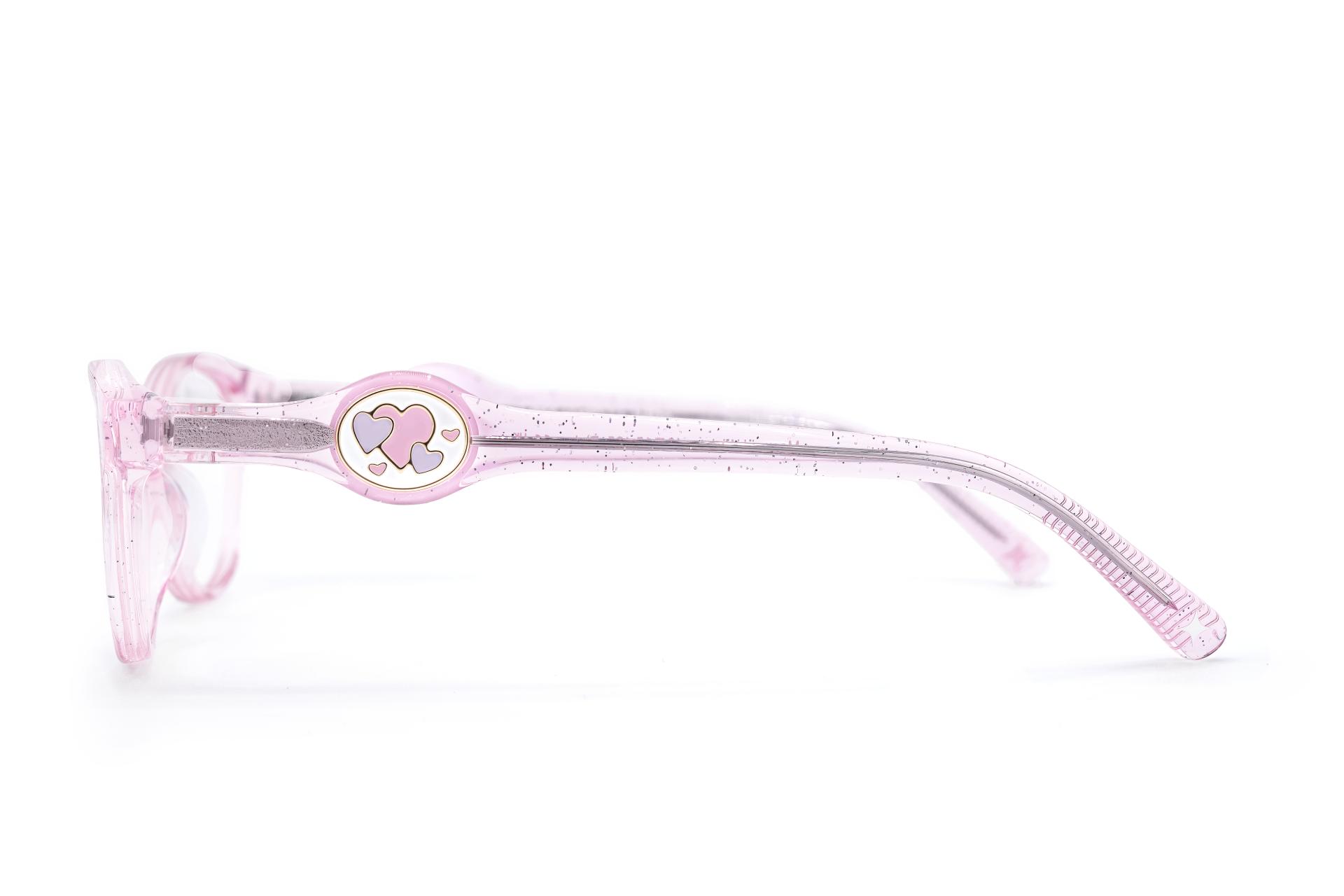
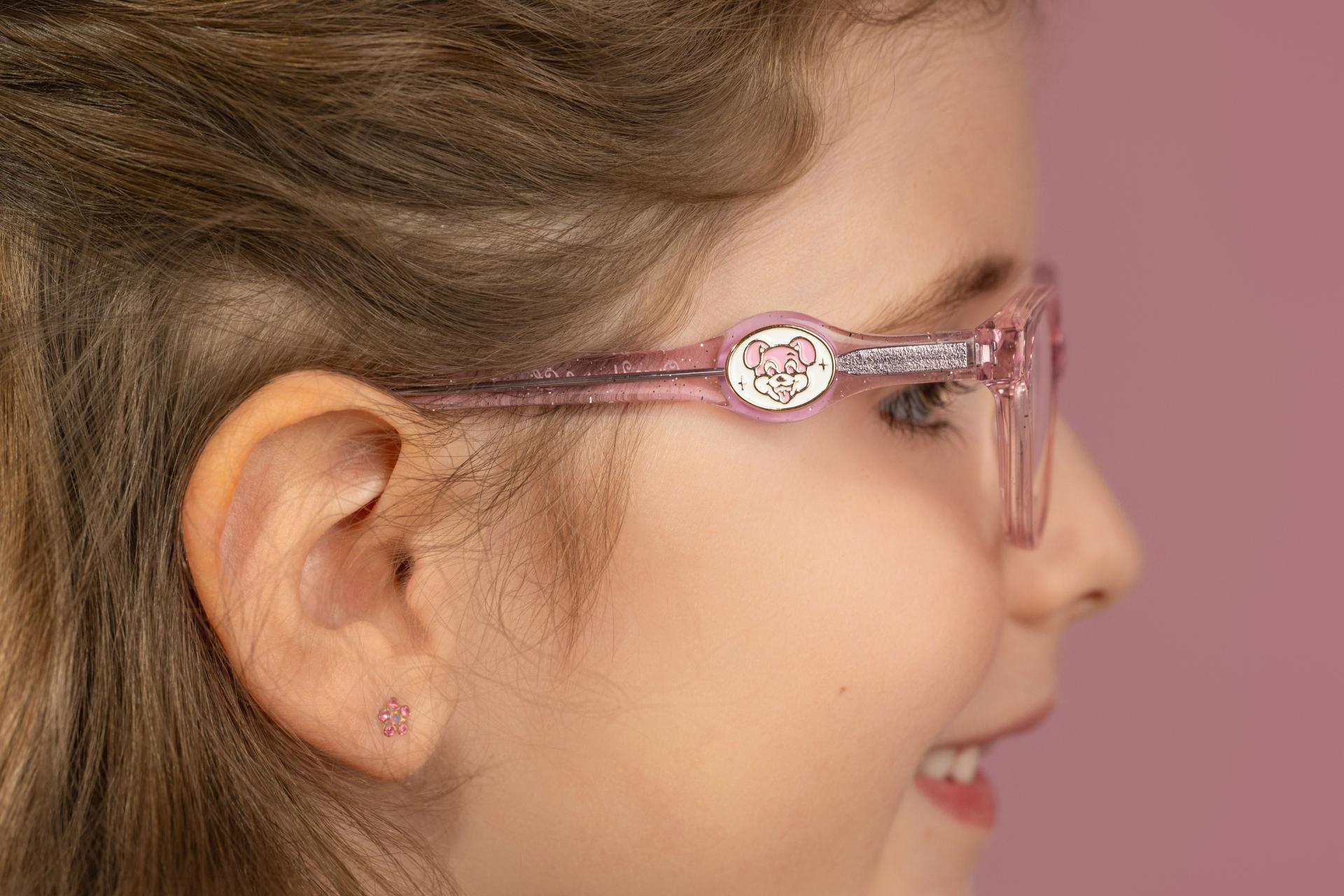
Children's Rx Eyewear with Interchangeable Charms
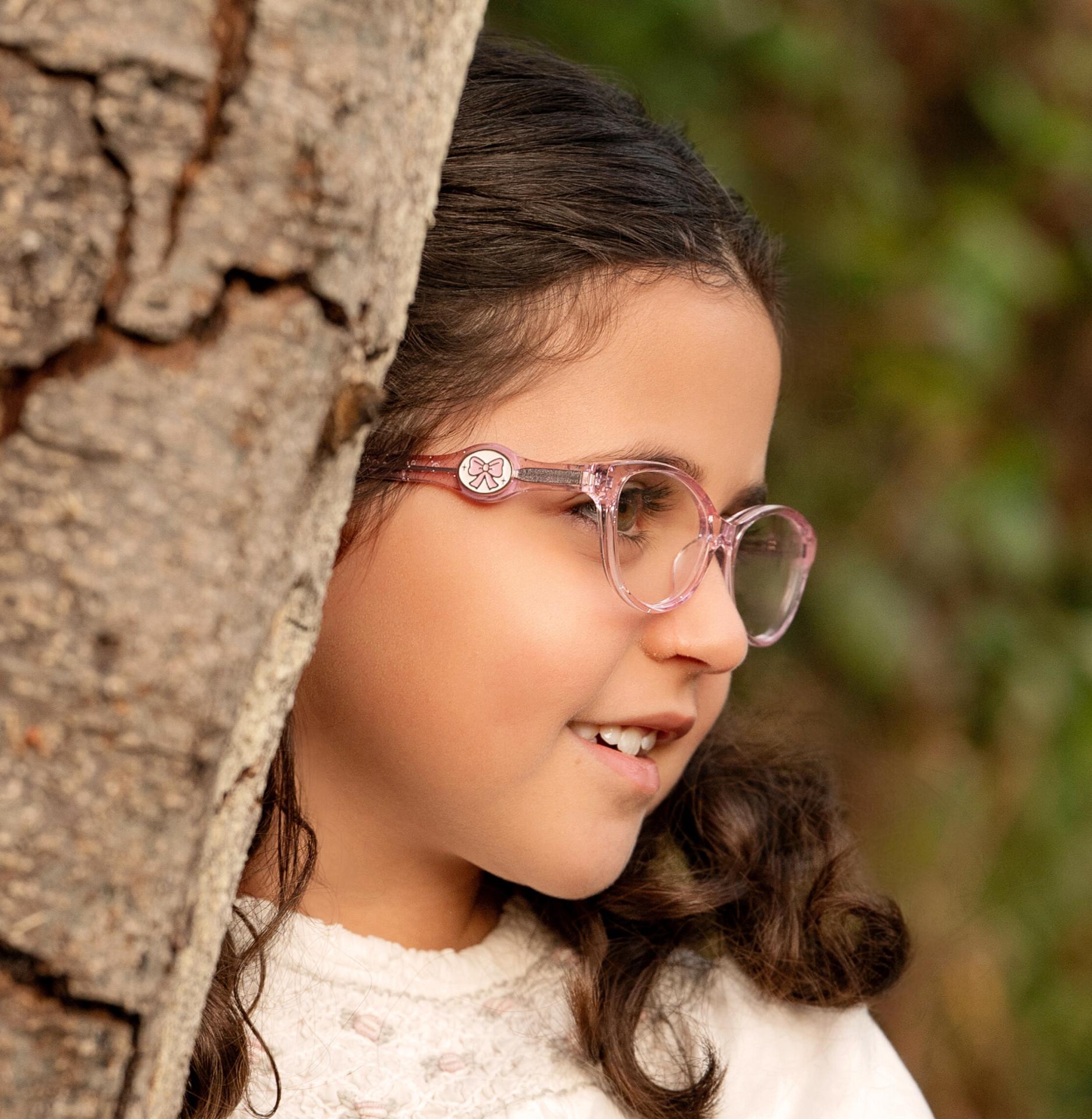
This project reimagines pediatric eyewear by treating emotional acceptance as a functional requirement, not a...
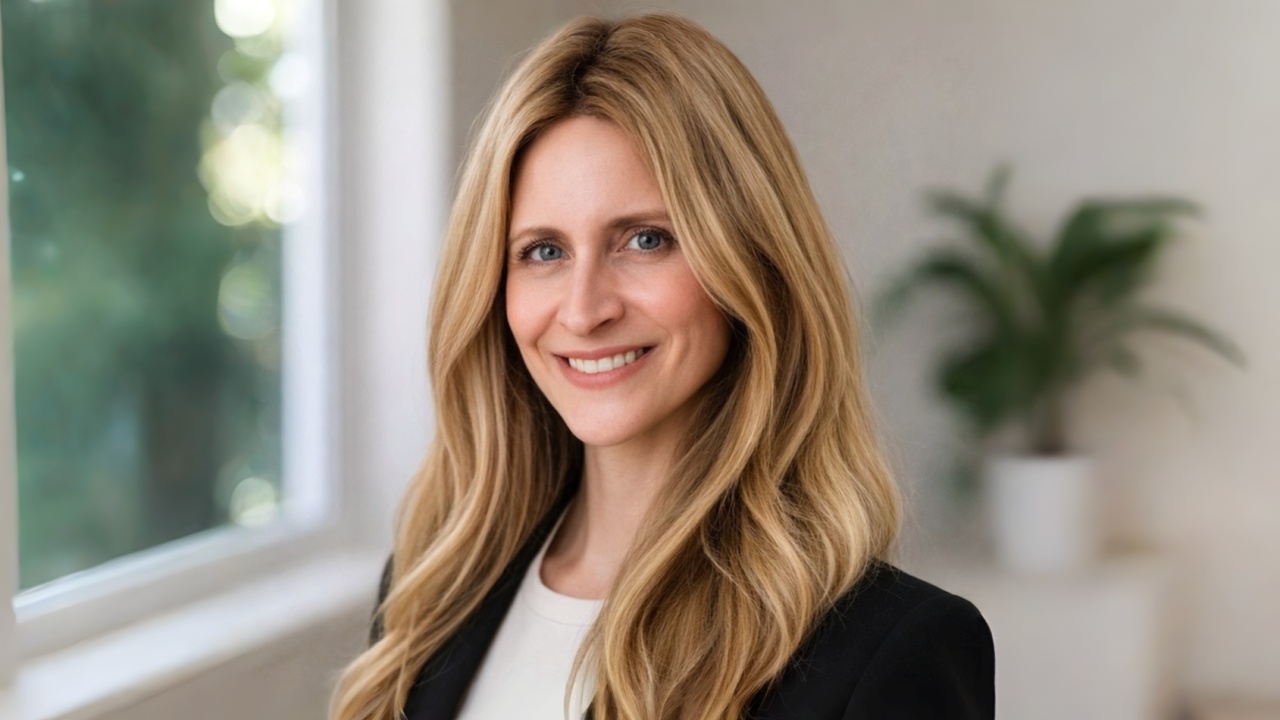
Hayley Martin brings a unique perspective to design, combining her technical background with a deeply human approach shaped by her daughter’s experience. Her eyewear work focuses on rethinking how children engage with necessary products, creating designs that are gentle, expressive, and confidence-building.
Thank you so much. I’m truly honoured and excited to be recognised by the French Design Awards!
Before founding my eyewear brand, I spent my professional career in the software industry at a large technology company. Although I did not begin in traditional design, I was drawn into it through a very personal experience that changed the course of my professional life.
When my daughter was prescribed glasses at four years old, I was surprised by how limited the options were for young girls. Most frames felt like scaled-down adult eyewear, often too bold, too large, too overpowering for a child’s small face. Rather than complementing her delicate features, they seemed to define her. When teasing followed, it made an already emotional experience even harder. In that moment, I found myself thinking that the eyewear industry can do better for girls. It has to do better.
What struck me most was that this was not simply about style. For many children, glasses are medically necessary. They need to wear their glasses consistently, or their vision issues can worsen. But when a child feels self-conscious, disconnected from her glasses, or is teased for wearing them, she is far less likely to keep them on. That creates a very real problem with very real consequences. I began to see that better design could do more than improve appearance. It could support confidence, encourage compliance, and ultimately help children get the visual support they truly need.
That belief became the foundation of my design journey. I began imagining what eyewear could look like if it were created from a child’s perspective. What would make a girl feel proud, excited, and truly seen in her glasses? My daughter was my purest inspiration and muse, and because of that, this work has always been deeply personal.
Design, for me, became a beautiful and creative way to solve a practical and emotional problem at once, creating something meaningful, confidence-building, and full of wonder.
Being recognised in the French Design Awards means a great deal to me because this work is so much more than a product. It is the result of a deeply personal journey that began with my daughter and a desire to create something better for girls who need glasses. What started as a mother’s response to a gap in the market became a design mission rooted in empathy, confidence, and care. To have that recognised on an international stage feels incredibly special.
It is also meaningful because it affirms something I have believed from the beginning: that children deserve beautiful, thoughtful design, particularly when it serves a real medical need. If design can help a child feel proud to wear their glasses, then design can truly change an experience, and even an outcome.
This recognition feels like validation not only of the aesthetics, but of the heart and intention behind the brand. It encourages me to keep going, to keep advocating, and to keep designing with both beauty and purpose in mind.
As an emerging independent brand, this recognition has been incredibly meaningful. It has brought a new level of credibility to my work. When you are building something new, particularly in a category where there is little precedent, that kind of validation carries real weight.
Professionally, it has strengthened my confidence in the path I have taken, particularly in moving from a career in the software industry into product design and entrepreneurship. It has reinforced that this was not simply an idea rooted in personal experience, but a design solution with broader relevance and value.
From a business perspective, it has already opened doors by creating greater visibility and helping spark conversations with industry professionals, optical partners, and others who may not have discovered the brand otherwise. Awards like this can create an important moment of pause, where people take a closer look and begin to understand both the innovation and the purpose behind the work.
Most of all, it has created momentum. It has helped position the brand not just as a new entrant, but as one with a distinct point of view and a meaningful mission. For me, that is one of the most valuable opportunities recognition like this can bring.
Experimentation is essential to my creative process because the work I do begins with a question rather than a formula. I am always asking how design can better serve a child, not only in function, but in how it makes her feel. That requires curiosity, openness, and a willingness to test ideas that may not have an obvious precedent.
Much of my process is iterative. I explore different directions, study what feels too mature or too heavy for a young child, and refine details until the design feels both beautiful and emotionally right. I do not see experimentation as separate from design. It is how design becomes more thoughtful.
In the development of my girls’ eyewear collection, I was trying to address a very real gap in the market. I experimented with how to create something more personal, more expressive, and more enchanting, while still serving an important medical purpose. That meant pushing beyond conventional expectations of children’s eyewear and continuing to refine the concept until it felt truly aligned with the experience I wanted to create.
For me, experimentation is where innovation becomes possible. It is how an initial instinct is challenged, improved, and ultimately shaped into something meaningful.
One morning, I was searching for a pen in my purse. Instead, I found a myriad of "treasures" my daughter had asked me to hold on to for over the past few weeks. I found shells she had collected at the beach and refused to leave behind, pebbles from a walk that she had decided were too special to stay on the path, and tiny beads from a bracelet she had made that had come undone.
Looking at this assortment of very small objects to which she had assigned great value, I suddenly understood how I could design my eyewear line in a way that girls would treasure. Looking at all the debris in my purse, it dawned on me that little girls are collectors of tiny beauty. They find wonder in details that adults often overlook.
That insight stopped me in my tracks. As I had been thinking about what girls might truly want in a pair of glasses, I realised the answer was not just in colour or shape. It was in giving them something personal, expressive, and collectable. That was the beginning of the interchangeable charm concept.
So, as strange as this sounds, the most unusual source of inspiration I have ever drawn from was, quite honestly, the bottom of my very messy purse.
I wish more people understood that design is not simply about making something look beautiful. At its best, design is about solving a problem in a way that feels intuitive, meaningful, and deeply human.
What people often see is the final product. What they do not always see is the amount of thought, questioning, refinement, and emotion that happens before a design is ever ready to be shared. Good design asks not only, “Does this look right?” but also, “Does this help someone? Does it make them feel seen? Does it improve their experience in a real way?” That is the part of the process I feel deserves more appreciation, particularly in the children's eyewear category as the design very much influences whether a child will consistently wear her glasses.
In my own work, design is not solely about aesthetics (although they, admittedly, play a significant role). It is also about understanding a child’s emotional world, a parent’s concerns, and the practical realities of a product that may be medically necessary.
The process involves empathy as much as creativity. It is often iterative, demanding, and full of countless small decisions that shape how a person ultimately experiences what you create.
For me, the most meaningful design happens when beauty and purpose are working together. That is the piece I wish more people understood.
In my work, that balance begins with recognising that I am really designing for two clients at once: the child who will wear the frames every day, and the parent who is making the decision to purchase them. Both matter deeply, but they are often looking for different things.
The child is looking for something she feels excited to wear, something that feels personal, beautiful, and expressive. The parent is looking for quality, practicality, and reassurance that they are choosing something that will support their child’s needs. I see my role as designing at the intersection of those two perspectives.
Staying true to my ideas has never meant ignoring expectations. It means holding onto the core belief that emotional connection is not separate from function, but part of it. If a child loves her glasses and feels proud to wear them, that supports the parent’s goal as well. So rather than seeing those needs in conflict, I try to resolve them through thoughtful design.
For me, the balance comes from listening closely to the real problem, while staying anchored in the purpose behind the work. The best design solutions are the ones that honour both the emotional experience of the child and the practical priorities of the parent.
One of the biggest challenges was creating a design that could hold both emotional and functional value at once. I was designing for a young girl’s sense of identity and self-expression, but I was also designing a product that needed to be practical, wearable, and trusted by parents. That balance was not simple. I wanted the frames to feel special and enchanting, but never frivolous. They needed to carry emotional resonance without losing their everyday usability.
A second challenge was that I was working in a space where there was very little precedent for the kind of design approach I wanted to take. Much of the market was built around reduced versions of adult eyewear, and I was trying to create something more child-centred and emotionally intelligent. That required me to move beyond conventional assumptions and develop a new design language rooted in how girls actually see and experience beauty.
I overcame those challenges through constant refinement and by staying very close to the original purpose behind the work. I kept returning to the real problem I was trying to solve: how to help a child feel proud, connected to, and confident in her glasses. That clarity helped guide every decision.
In the end, the challenges themselves became part of what shaped the design into something more thoughtful, distinctive, and meaningful.
When I hit a creative block, I try not to battle my way through it. I have learned that forcing creativity usually only makes it quieter. Creativity usually returns when I give myself space to observe rather than produce. Stepping away helps me reset my eyes and reconnect with the details that often spark ideas in the first place.
I find inspiration in small visual moments, in objects, textures, colour, and the quiet beauty of things that might otherwise be overlooked. I often return to the perspective that shaped my work from the beginning: seeing the world through a child’s sense of wonder. Children notice things so instinctively and assign meaning to details that adults often dismiss. Reconnecting with that way of seeing helps me return to the work with fresh clarity.
I also come back to the emotional intention behind the design. When I stop thinking only about solving the immediate problem and instead reconnect with what I want the design to make someone feel, the creative direction usually becomes clearer. For me, recharging creativity is less about searching for something new and more about becoming quiet enough to notice what is already there.
The values I most strongly infuse into my designs are empathy, intentionality, and emotional insight. My perspective as a designer was shaped by a very personal experience, watching my daughter need glasses at a young age and realising how little the existing market reflected the emotional world of the child wearing them. That experience taught me that design does not simply shape appearance. It shapes how a person feels in what they wear.
Because of that, I approach design with a deep respect for the end user, in this case, the child, while also considering the parent’s perspective and the functional realities of the product. I believe good design should balance beauty with purpose, and expression with usability. It should solve a real problem, but it should do so in a way that feels human.
I feel that success in design begins with learning how to see clearly, not just aesthetically, but humanly. My advice would be to stay curious, stay observant, and pay attention to the problems that genuinely matter to you. The most compelling work often comes from designing in response to something real.
I would also encourage aspiring designers to be patient with the process. Strong design is shaped through iteration. It asks for persistence, discernment, and a willingness to keep refining until both the function and the feeling are right. Developing your own voice matters, but so does designing with empathy for the person on the receiving end.
Most of all, I would say to protect the integrity of your perspective. The most memorable work is not created by chasing what is expected. It comes from bringing a thoughtful, honest point of view to the work and following it with discipline.
If I could collaborate with any designer, it would be Eva Zeisel. I have always been moved by the way she described herself as a "maker of useful things". There is something so simple and beautiful in that idea. Her work carried grace, warmth, and humanity, while never losing sight of function.
I also admire that her inspiration came from personal relationships and the natural world, because my own work was born from a deeply personal experience and shaped by close observation of childhood. For me, the best design is not only functional. It has feeling in it. That is what makes Eva Zeisel such a meaningful choice.
I wish more people would ask, “How do you want a child to feel when she puts on the glasses you designed?”
Because for me, that question is at the heart of everything.
Of course, I care about function, quality, and aesthetics (those are not optional; they are basic requirements), but what matters most is the emotional experience of the child wearing it. I want her to feel proud. I want her to feel beautiful, confident, and connected to her glasses rather than defined by them.
Most importantly, I want her to treasure them. I want her to treasure them the way children treasure small, seemingly ordinary things that feel full of wonder to them.
Too often, design conversations focus only on appearance or innovation in a technical sense. But in children’s eyewear, emotion matters. If a child feels good in her glasses, she is more likely to wear them, and that can have a real impact on her daily life and visual development. So, when I design, I am not only asking whether something works or looks good. I am asking whether it helps transform the experience of wearing glasses into something positive and empowering.
This is the question I wish people asked more often, because the answer explains the purpose behind all of my work.

Click here to read about Integrated Design Thinking with Franck Giral | Design Insights, which explores more design winners of the French Design Awards.



.jpg)