EcoEat
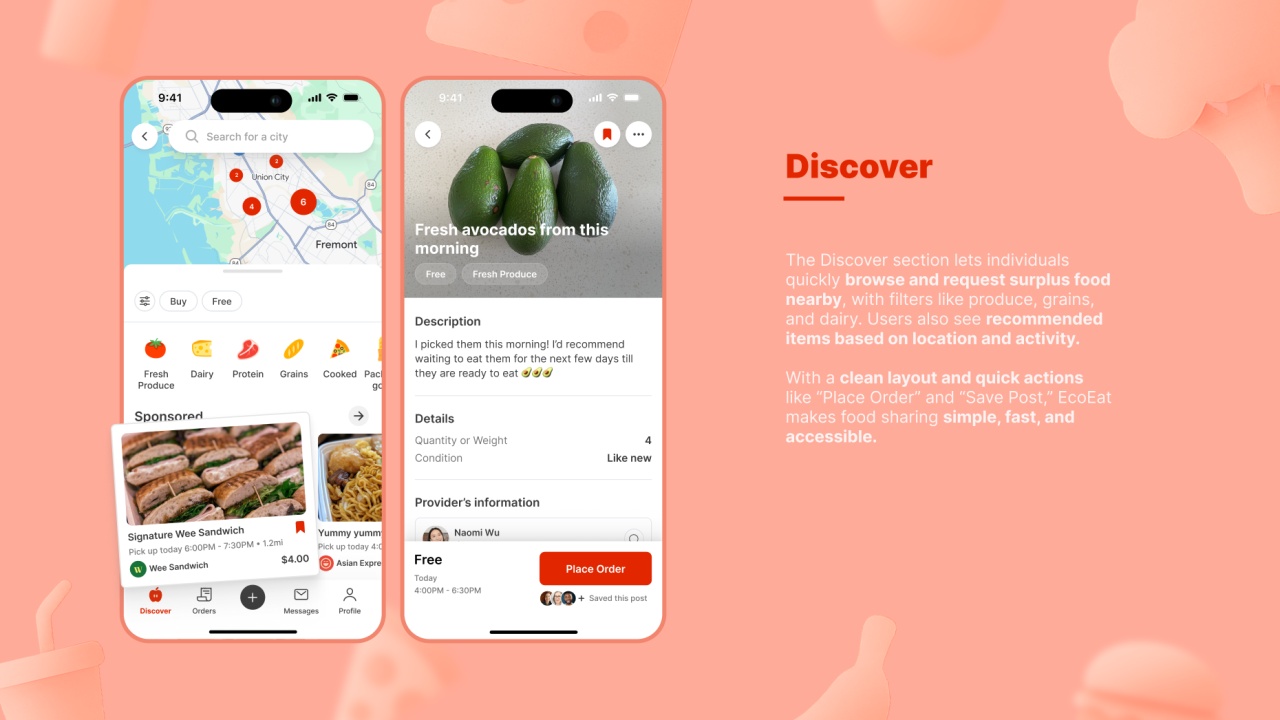
EcoEat makes reducing food waste simple, accessible, and impactful. It’s a platform where businesses and...
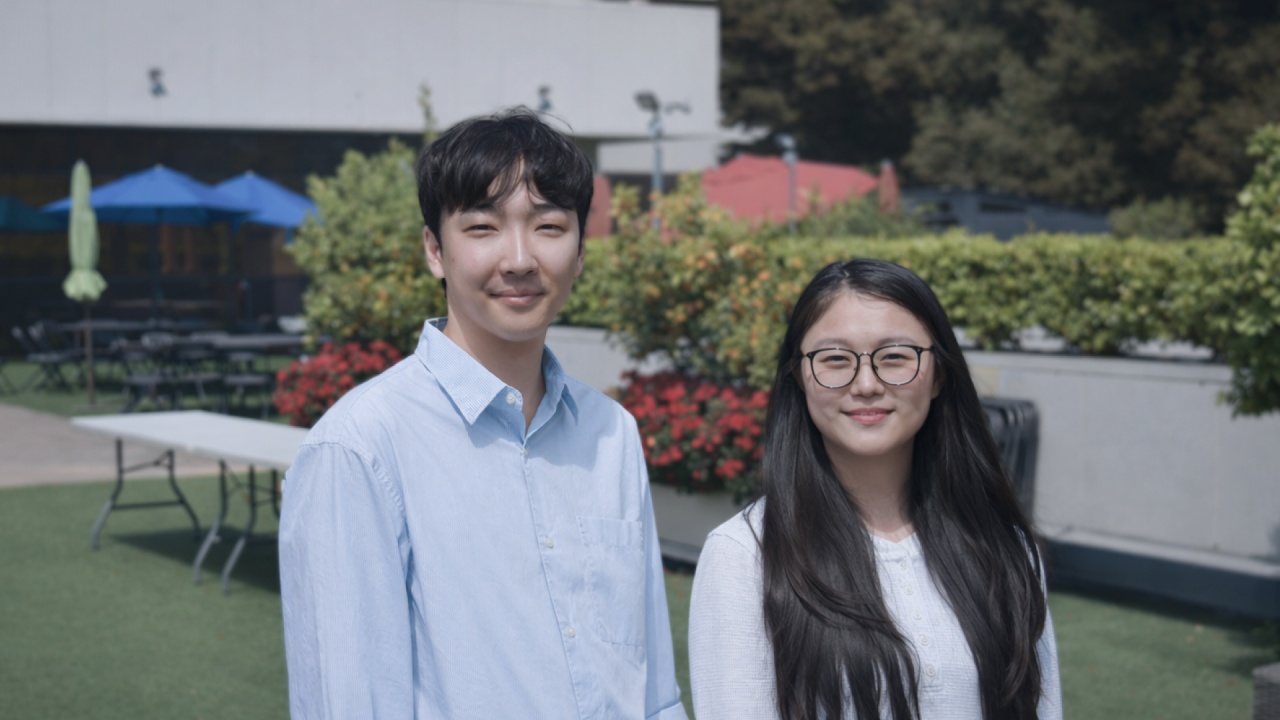
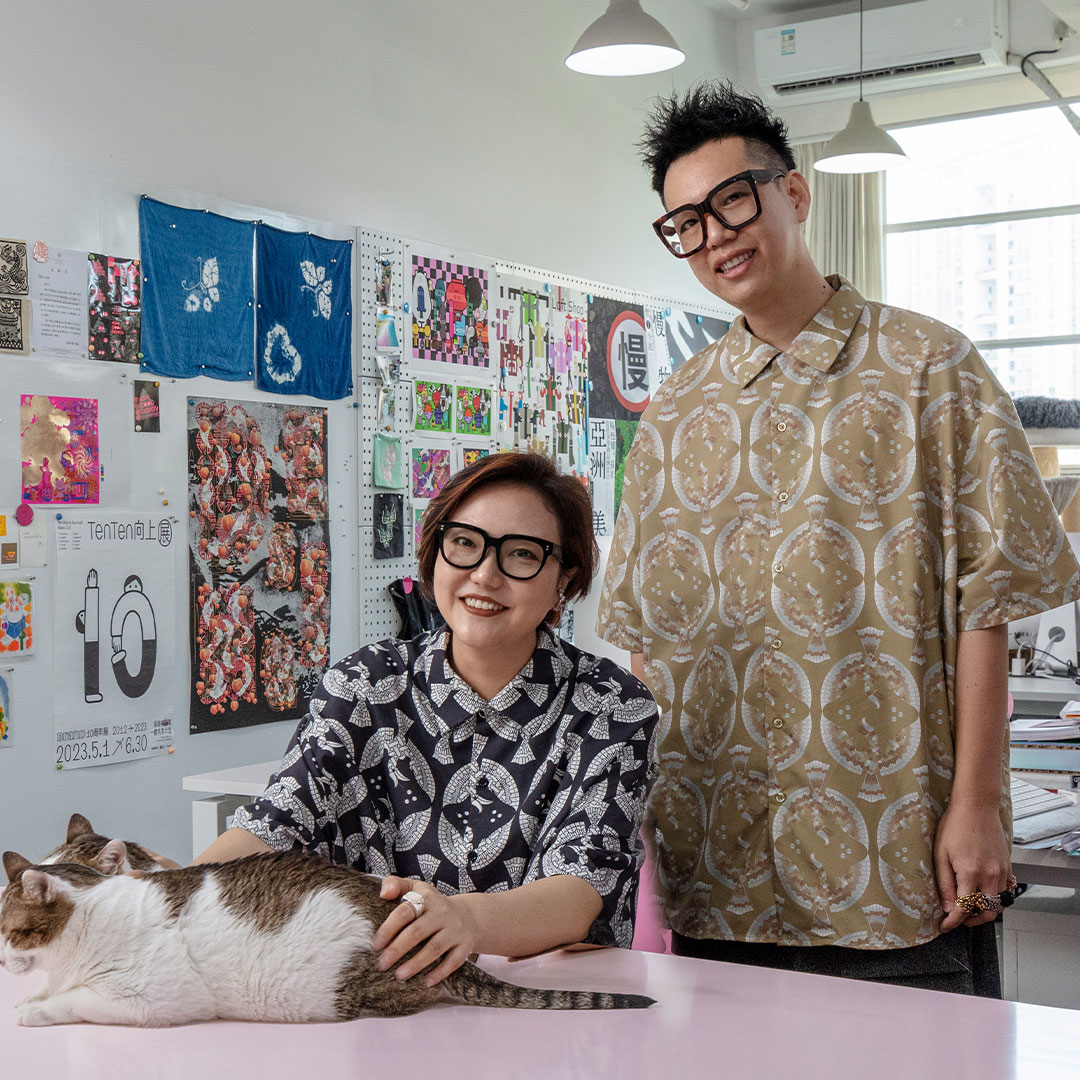
For both Shinga Yoshimine and Yitian Zeng, strong design emerges through continuous experimentation and observation. Whether refining interaction styles or breaking down complex concepts into approachable experiences, their work focuses on creating solutions that are both engaging and human-centered.
Shinga: I’m originally from Japan and moved to the United States to pursue further education. I majored in Mass Communications, which was not specifically design-focused, but I had the opportunity to take several digital design courses as electives, including web design and UX/UI. Those classes shifted my perspective and ultimately led me to pursue a career in design.
Yitian: Thanks. I’ve been curious about how things work since I was young, from drawing to taking things apart, and that naturally led me to design. Over time, I realized design is not just about visuals, but about making complex ideas clear and usable, which is what continues to drive my work today.
Shinga: I’m truly honored to receive this award. As the NY Product Design Awards is internationally recognized, it means a lot to see our work acknowledged on that level. It makes me feel that what we created truly has value and connects with people beyond just our own team.
Yitian: For me, this recognition also validates the way we approach our work. It’s not just about the final outcome, but the thinking, iteration, and problem-solving behind it. It gives me confidence to continue focusing on building thoughtful and practical solutions
Shinga: This award has given us meaningful credibility by showing that our work is recognized on a global stage. It has strengthened our confidence as a creative team and helped us communicate the value of our design approach more clearly to clients and collaborators.
Yitian: For me, it has also shaped how I work with others. I’ve become more intentional about sharing ideas and helping the team think through problems together. It reminded me that good design is not just about individual output, but about enabling others to contribute and move forward as a team.
Shinga: Experimentation plays an important role in our creative process. For our product, we intentionally introduced gamified elements to create a more engaging and distinctive user experience. We explored multiple illustration styles, visual directions, and animation approaches to understand which types of interactions would best capture users’ attention and encourage participation. This process helped us shape an experience that feels both enjoyable and purposeful.
Yitian: Experimentation plays a key role in my process, especially when working with complex ideas. I tend to test assumptions early and break concepts into smaller steps so I can learn from real feedback. For example, with EcoEat, the idea started from observing everyday situations. I explored simple ways to validate the concept first, then refined it through small iterations. Over time, the direction became much clearer.
Shinga: One of the most unusual sources of inspiration came from everyday human behavior like small habits people often overlook. We find that simple moments, such as how people organize their space, make decisions, save things, or avoid waste, can reveal meaningful design opportunities.
Yitian: For me comes from problems that feel inefficient or unnecessarily complex. I tend to pay attention to moments where systems don’t quite work as expected, even if people have already accepted them. For example, EcoEat started from noticing how food is often wasted in everyday situations, from backyard gardens to shared spaces. That observation led me to explore how small changes in structure could make a real difference.
Shinga: One thing we wish more people understood about the design process is that design is not only about making something look good. It is about understanding people, identifying real problems, and creating solutions that feel easy and meaningful to use.
Yitian: One thing I wish more people understood is how much of design happens beneath the surface. Many decisions are not immediately visible, but they shape how a product feels over time. Structure, consistency, and small details shape how a product feels, even if people don’t consciously notice them.
Shinga: I typically propose two design directions: one that is closely tailored to the client’s initial preferences, and another that reflects what I believe may work better from a strategic and user-experience perspective. This allows the client to feel heard while also giving them the opportunity to consider a fresh perspective.
Yitian: For me, I start by understanding what the client is trying to achieve, then build on their input. I also explain the reasoning behind each decision, which helps create alignment and trust throughout the process.
Shinga: One of the biggest challenges was finding the right balance between making the product fun and interactive while still addressing users’ real pain points. We did not want the experience to feel too serious or overwhelming, but we also wanted to make sure the core purpose remained clear and meaningful. To overcome this, we explored different interaction ideas, visual styles, and gamified elements, then refined them based on how naturally they supported the user journey.
Yitian: One of the main challenges for me was thinking about how the idea could move closer to real-world use. Even though it started as a concept, I didn’t want it to stay abstract. I spent time considering how it could actually help people in practical situations and what would be needed to make it more feasible. That process helped me refine the direction and focus on solutions that could create real value, not just a good concept.
Shinga: When I hit a creative block, I usually step away from the work and look for inspiration from different sources. Sometimes I explore a wide range of designs from other designers to understand different approaches and perspectives. Other times, I simply go outside, observe everyday environments, and look for unexpected inspiration in real life.
Yitian: When I hit a creative block, I usually step away from the problem and give myself some distance. I like to go for a walk, exercise, or spend time in nature. It helps me reset and clear my mind. Often, the solution becomes more obvious once I come back with a fresh perspective. For me, it’s less about forcing ideas and more about creating space for clarity.
Shinga: As a Japanese designer, I often bring the value of simplicity into my work. Japanese culture has a strong appreciation for clarity, balance, and subtle details, and I try to reflect that in my design approach.
Yitian: I tend to approach design from a structural perspective. I think a lot about how a product works as a whole, including its boundaries, scalability, and how different parts connect with each other. At the same time, I pay close attention to details. Small inconsistencies can affect how people experience a product, even if they are not immediately obvious. For me, it’s important to keep both the overall structure and the finer details aligned.
Shinga: My advice to aspiring designers is to observe a wide range of designers and learn from how they think, structure, and solve problems. For personal practice, recreating or studying existing work can be a valuable way to understand composition, hierarchy, interaction, and visual details. However, the goal should not be to copy for final work, but to learn the principles behind strong design and gradually develop your own voice.
Yitian: My advice would be to focus on understanding problems, not just creating solutions the right way. In real work, design is often about making decisions, prioritizing what matters, and working within constraints. It’s also important to stay curious and patient. Many problems take time to understand, and progress often comes from small, consistent improvements.
Shinga: I would love to collaborate with a designer who has a very different perspective from mine. Working with someone from a different background or discipline would challenge me to think beyond my usual approach and discover new ways to solve problems.
Yitian: I’d be interested in collaborating with someone who works on complex systems in real-world environments. I’m curious how different disciplines approach structure and constraints, and how those perspectives can shape better solutions.
Shinga: I wish more people asked about the purpose behind the design, not just how it looks. For me, design is about creating meaningful connections between people and ideas.
Yitian: One question I wish people would ask is, “How do you decide what not to build?” In product work, clarity often comes from restraint. Not every idea needs to become a feature. A big part of my role is defining boundaries, prioritizing what matters, and making sure the system stays focused and coherent.




Read this Interview | Design Beyond Visuals with Paulo Duarte Gomes de Senna Fernandes, an award-winning fashion designer in the NY Product Design Awards.