It's a beautiful day
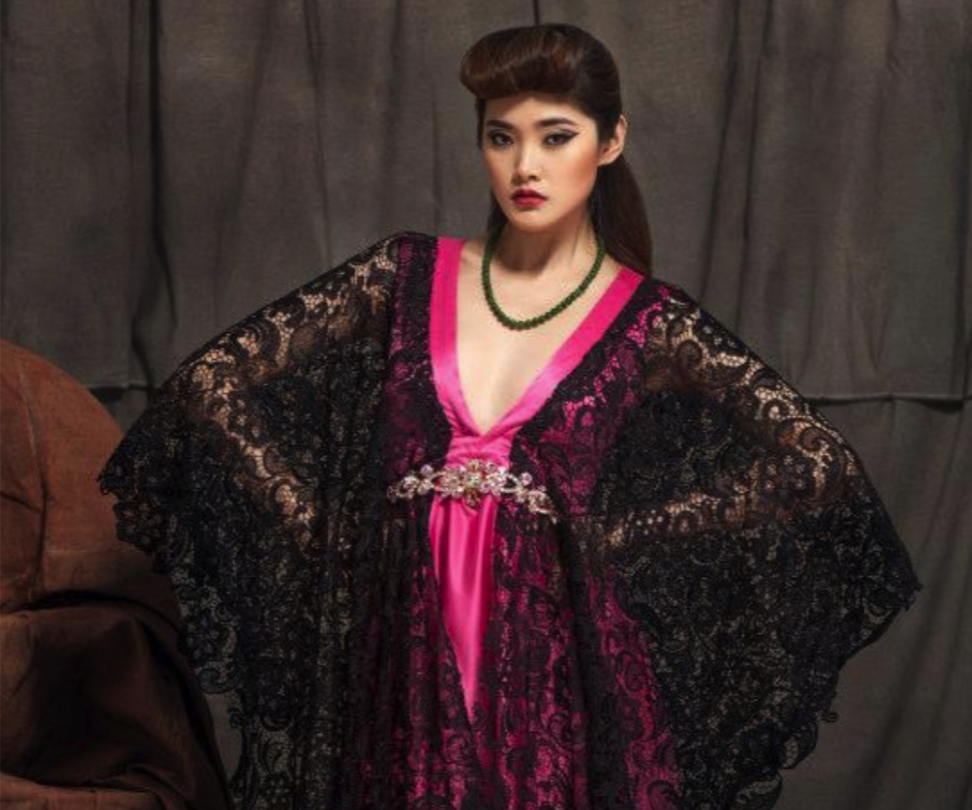
Fashion designers are responsible for conceiving and creating original clothing, accessories, and footwear.
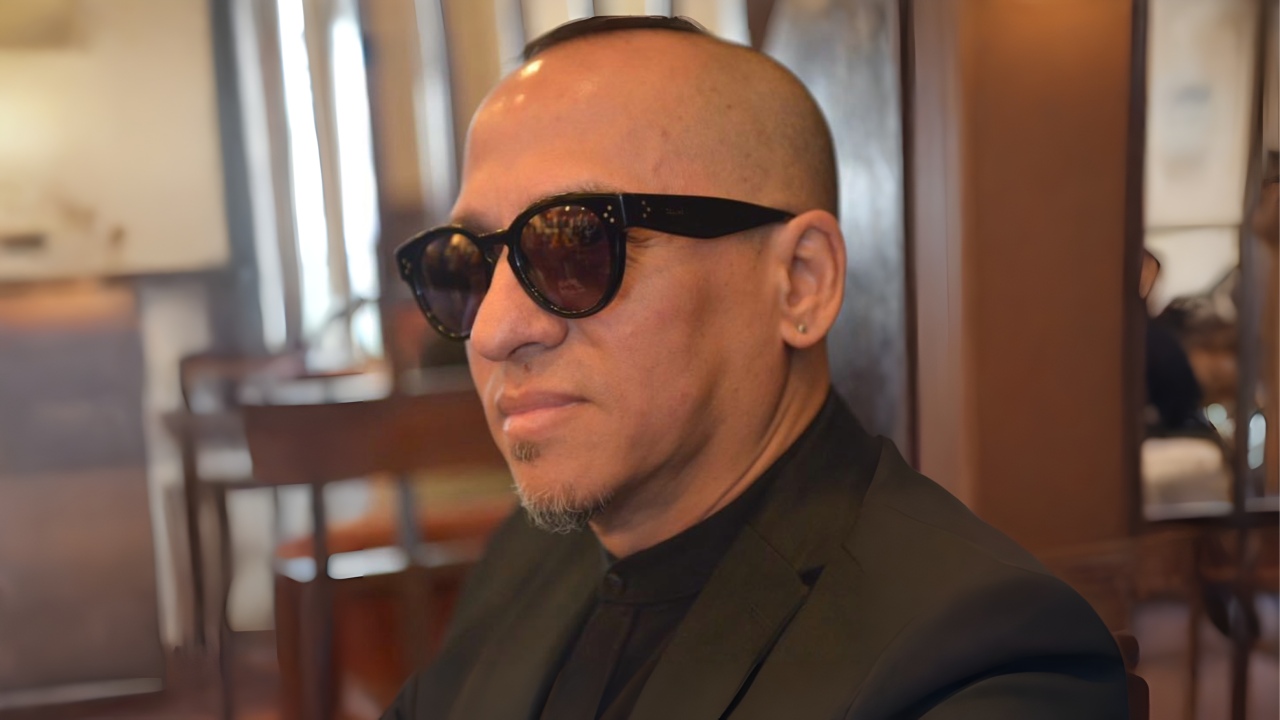
Paulo Duarte Gomes de Senna Fernandes believes strong design begins with understanding behavior, context, and logical structure before visual development takes place. Through research-driven strategy, he creates solutions that support meaningful and intuitive user experiences.
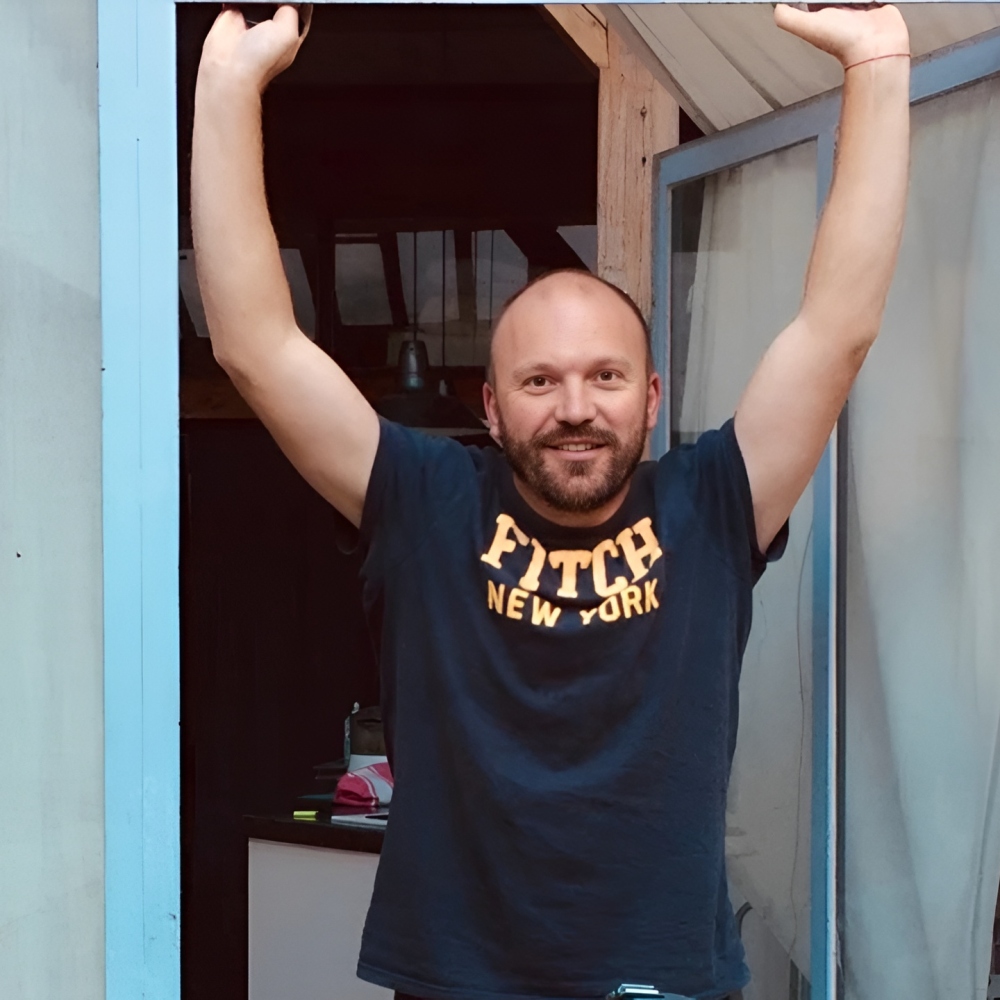
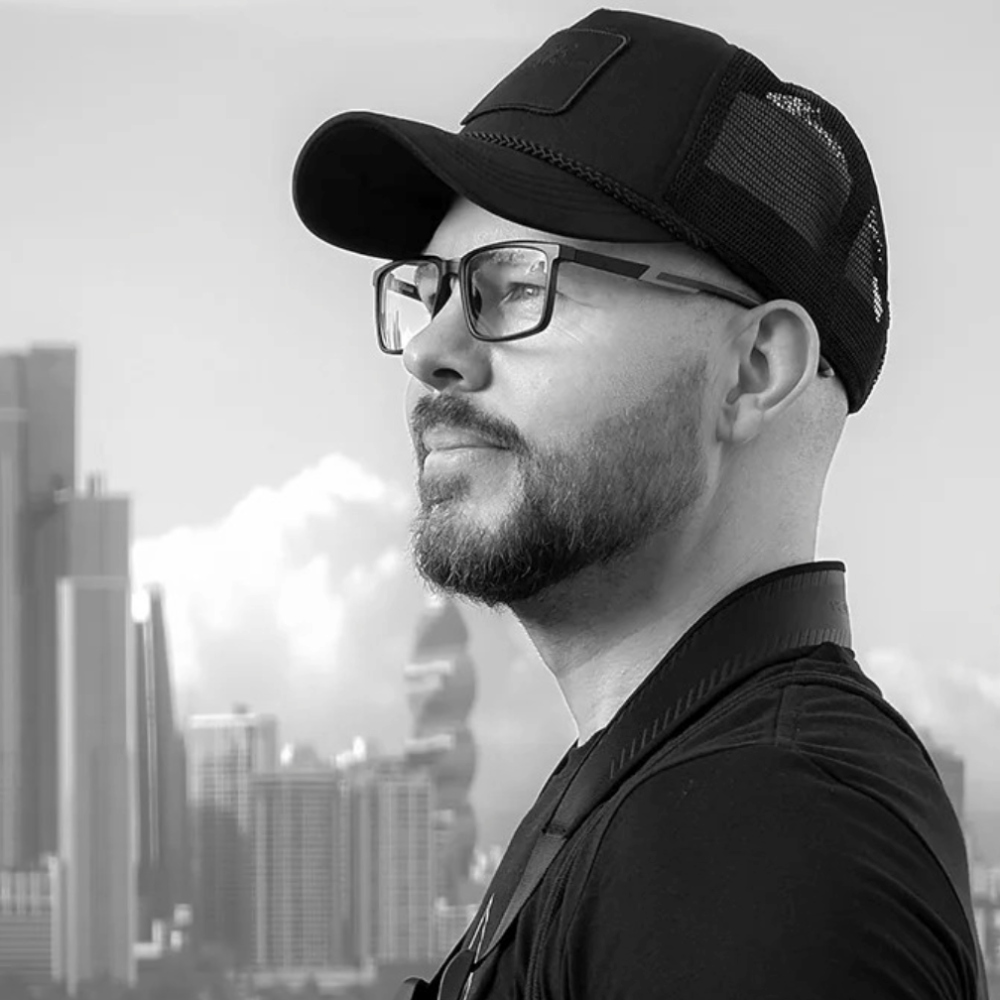
My name is Paulo Duarte Gomes de Senna Fernandes. I transitioned into design when I realized that I wasn’t just interested in how things looked, but in how they functioned for the people using them. What really inspired me was seeing a confusing app or a poorly designed physical space—it made me realize that good design is actually a form of advocacy for the user.
Now that my work have reached the international stage, winning the New York Product Design Awards is not just a trophy, but a significant turning point in my career and personal life.
I might be invited to serve as a design reviewer, speak at industry events, or take on high-risk projects that were previously only for senior designers. This would turn my resume into a testament to my outstanding achievements.
In one project, I struggled to make a complex data dashboard feel human. I put down my computer screen and started experimenting with paper prototyping—cutting out various elements and moving them by hand. This tactile experiment revealed a hierarchy I had previously overlooked when staring at pixels, ultimately leading to this Silver Award Winning design from the New York Product Design Awards!
Now that I've reached the level of excellence recognized by the New York Product Design Awards, my answer should prove that my "design eye" has never truly stopped. I not only browse other people's portfolios, but I also observe how the world works.
I hope people can understand that design is first and foremost a cognitive process, and only secondly a visual one. 'Work' is not just about the final layout; it also involves spending a lot of time doing research, questioning assumptions, and solving logical puzzles. When I start 'designing' the visuals, 80% of the problems have already been solved through strategy.
I don't try to "sell" my ideas. Instead, I show clients how my creative direction can most directly help them achieve their goals. If I can prove that my "idea" can indeed solve their "problems," then everything will fall into place naturally.
In professional interviews or feature reports, the challenges I encounter are actually more interesting than my successes. They demonstrate my resilience and technical depth.
Creative blocks are an inevitable part of a productive design process. When I reach award-winning levels, "pushing myself" often leads to exhaustion, so I should recharge as consciously as I do my work.
I value inclusivity. My design philosophy is that products should be suitable for everyone, regardless of their skill level. I often draw inspiration from my own experience to ensure that my work removes barriers, rather than creates them.
Don't just look for inspiration in design. Read history, study biology, go to a concert, or observe how chefs arrange their kitchens. The best designers draw inspiration from outside their industry and transform it into entirely new works. Be a seeker of knowledge about the world, not just a student of Behance.
Choosing an ideal partner is a great way to showcase your design philosophy. It not only reflects who you admire but also demonstrates the "energy" you want to inject into the project.
This is a clever way to end an interview because it allows you to steer the conversation toward the part of your work that you are most proud of—the “invisible” efforts that others might overlook.
Looking to read more design insights? Click here to read about Finding Design Inspiration Through Daily Life with Kyung-seo (Kaline) Yoo.