MedAlert Sticker Reminder System
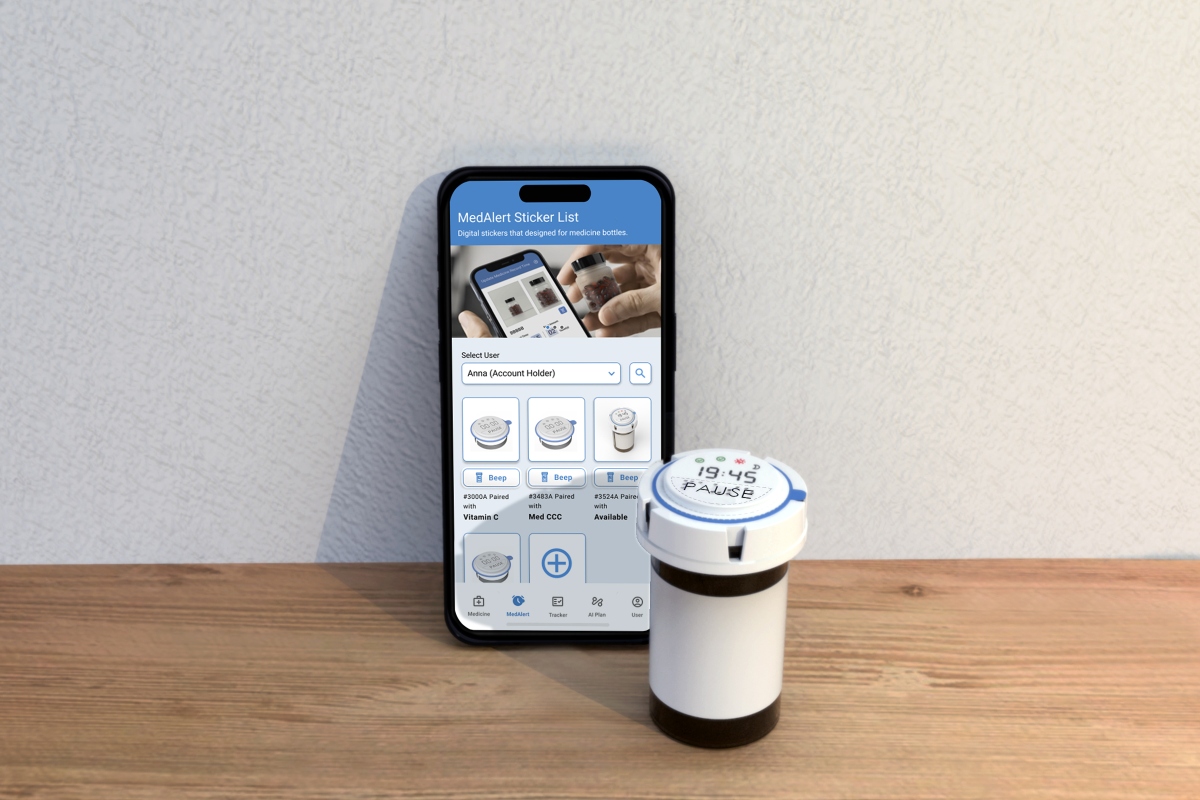
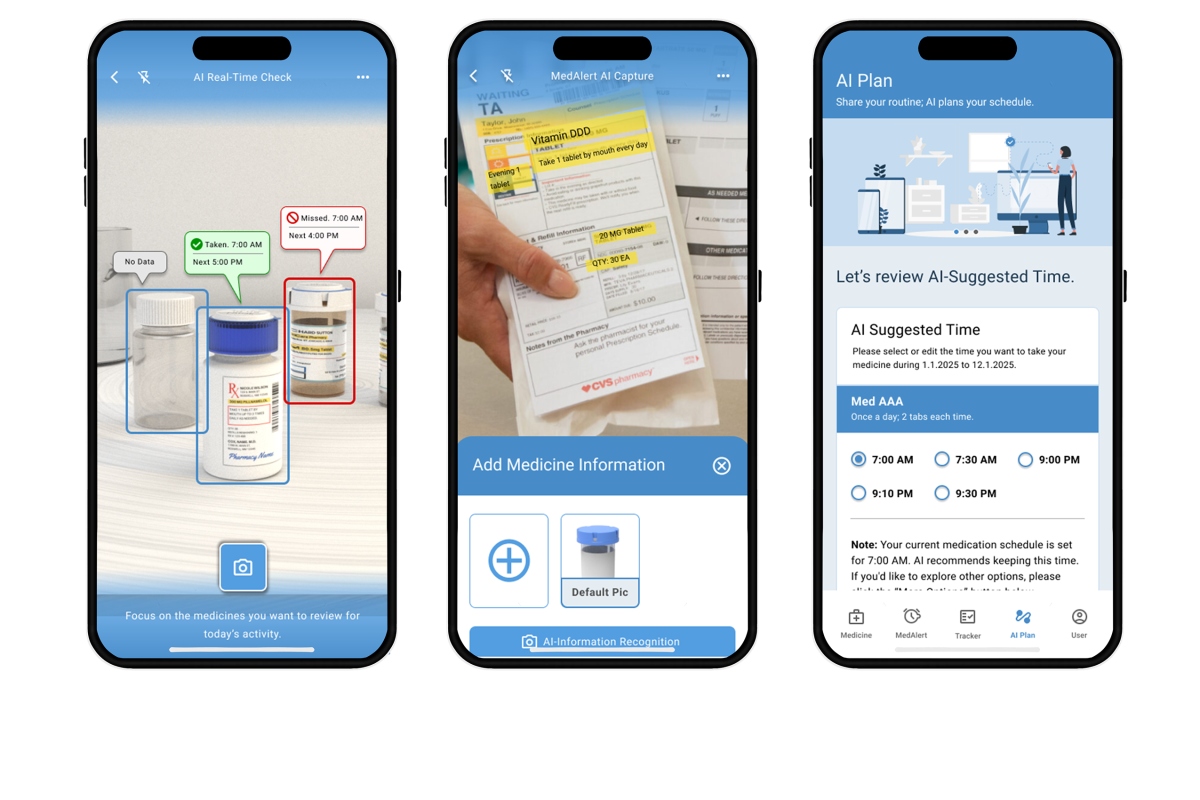
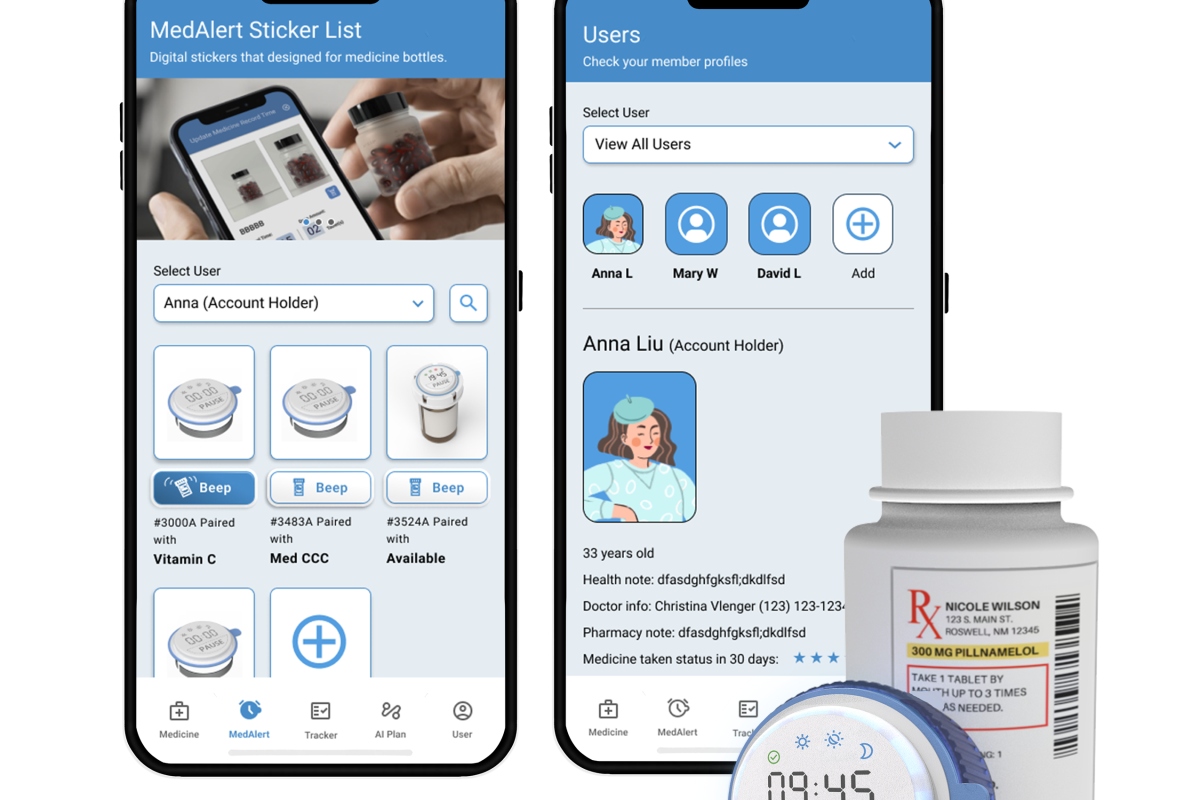
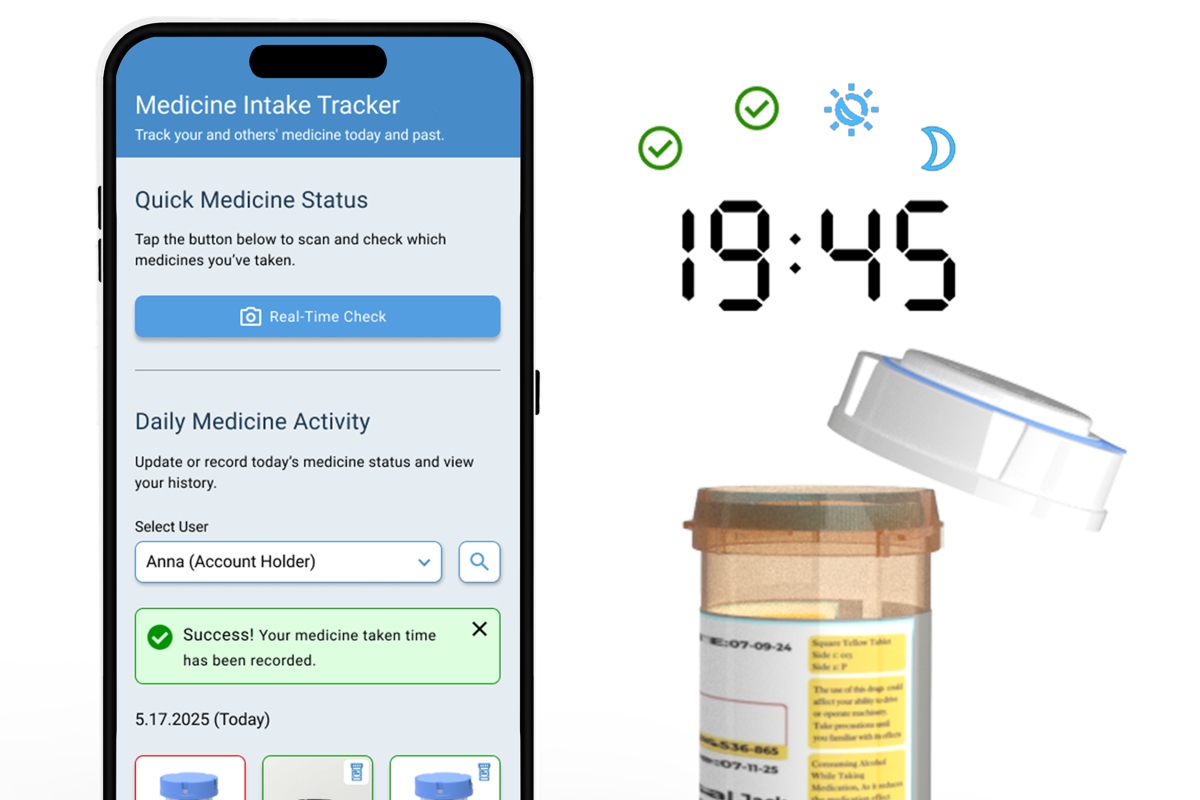
The MedAlert AI combines a compact device with AI and UX-driven solutions to simplify medication...

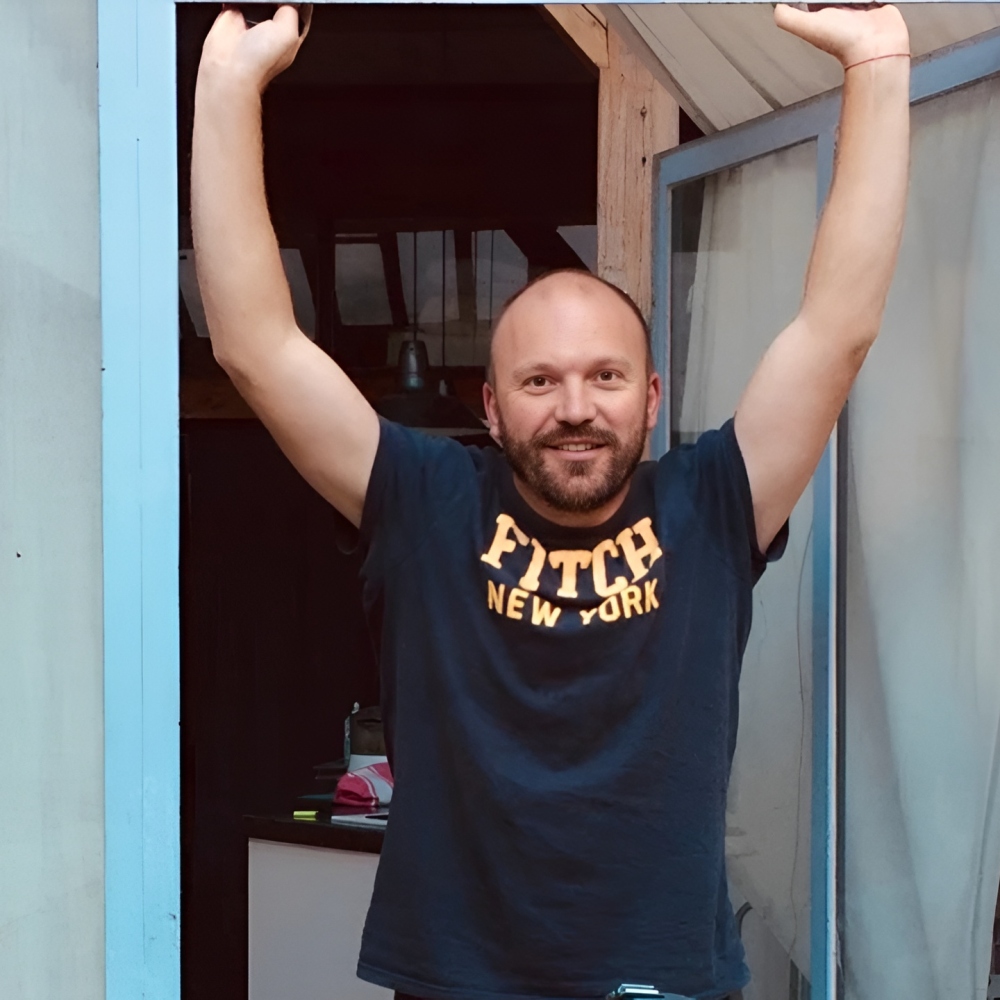
Puyi Liu approaches UX and product design through the lens of behavior, context, and decision-making. By combining physical cues with digital systems, Liu creates experiences that feel intuitive, practical, and grounded in everyday interaction.
Thank you. I’m truly honored.
I’m a UX and product designer with a background in Human-Computer Interaction and Industrial Design. My work focuses on bridging digital and physical systems to create cohesive, end-to-end experiences.
I was drawn to design through an interest in how everyday interactions are shaped by small decisions. That perspective continues to guide my work, especially in projects that sit at the intersection of behavior, context, and product systems.
This recognition is meaningful as it affirms not only the outcome, but the underlying problem and approach.
The project addresses medication adherence, which is often overlooked despite its real impact. Being recognized reinforces the importance of designing for everyday behaviors, especially in areas where small improvements can lead to meaningful outcomes.
This recognition has helped strengthen the direction of my work, particularly in exploring system level design that connects digital and physical interactions.
It has also led to more in-depth conversations, where the focus shifts from visual output to problem framing, decision making, and long-term impact, opening up opportunities for more complex and meaningful projects.
Experimentation plays a critical role in validating assumptions.
In this project, I explored both purely digital reminders and physical interaction models. Through iterative prototyping, it became clear that integrating physical cues with a digital system created a more reliable and context-aware experience.
For me, experimentation is a process of narrowing toward what works in real behavior, rather than expanding options.
A key insight came from observing how people rely on environmental cues to manage memory.
For example, placing objects in visible locations often serves as a reminder mechanism. This behavior informed the decision to design not just notifications, but a physical presence that integrates into existing routines.
Design is fundamentally about decision-making, not just visual output.
Much of the work happens before anything is visible, understanding context, defining the right problem, and testing assumptions. The simplicity people see is often the result of resolving significant underlying complexity.
I approach it as alignment rather than compromise.
By clarifying the underlying goals and constraints, I use rationale and prototyping to make design decisions transparent and discussable. This helps ensure that outcomes are grounded in both user needs and broader product or business objectives.
One of the main challenges was defining the boundary between digital and physical interactions.
This required multiple iterations to determine what functions are best supported in each layer. By grounding decisions in observed behavior and refining through prototypes, the result evolved into a system where each component plays a clear and complementary role.
This process highlighted that clarity often emerges through iteration rather than initial concepts.
I shift perspective by stepping away from the problem.
Rather than forcing solutions, I return to observation or explore ideas through quick, low-fidelity sketches. This creates space for new connections and helps reframe the problem more effectively.
Empathy and clarity are central to my work.
I focus on how products integrate into real routines, aiming to create solutions that are intuitive and unobtrusive. I also value simplicity—not as minimalism, but as reducing friction to better support everyday use.
Focus on understanding the problem before defining the solution.
Strong design is rooted in clarity of users, context, and intent. Iteration is equally important, as early ideas often evolve through testing and refinement. Over time, developing a clear point of view is what differentiates meaningful work.
I would choose Dieter Rams.
I admire his discipline in reducing design to its essential elements and his principle that good design should be as little design as possible.
I would be interested in exploring how these principles translate into today’s more complex, interconnected systems.
A question I find valuable is: What behavior is this design trying to influence?
Design is not defined by its output, but by how well it responds to real-world context and behavior.
Much of my work focuses on understanding routines and decision-making patterns, which often leads to solutions that extend beyond interface design into systems that better support everyday life.

Read Inside the Balance of Structure and Expression in Danting Li’s Designs by clicking this link here.