Rehab
As populations age worldwide, recovery and rehabilitation have become central to maintaining independence, dignity, and...

Ji Yoon Ahn is a Product Designer at Asana, where she creates thoughtful and scalable digital experiences centred around human needs and intuitive interaction. Driven by a curiosity for how people experience technology, her work focuses on designing meaningful solutions that support healthcare, ageing, and everyday wellbeing.
Thank you! I’m Ji Yoon Ahn, a Product Designer currently working at Asana, where I focus on building thoughtful, scalable digital experiences.
I was drawn to design because it sits at the intersection of people and technology. I’ve always been curious not just about how systems work, but how people experience them: what feels intuitive, what feels frustrating, and what makes something truly useful. That curiosity, combined with realising the impact design can have at scale, is what led me to pursue it as a career.
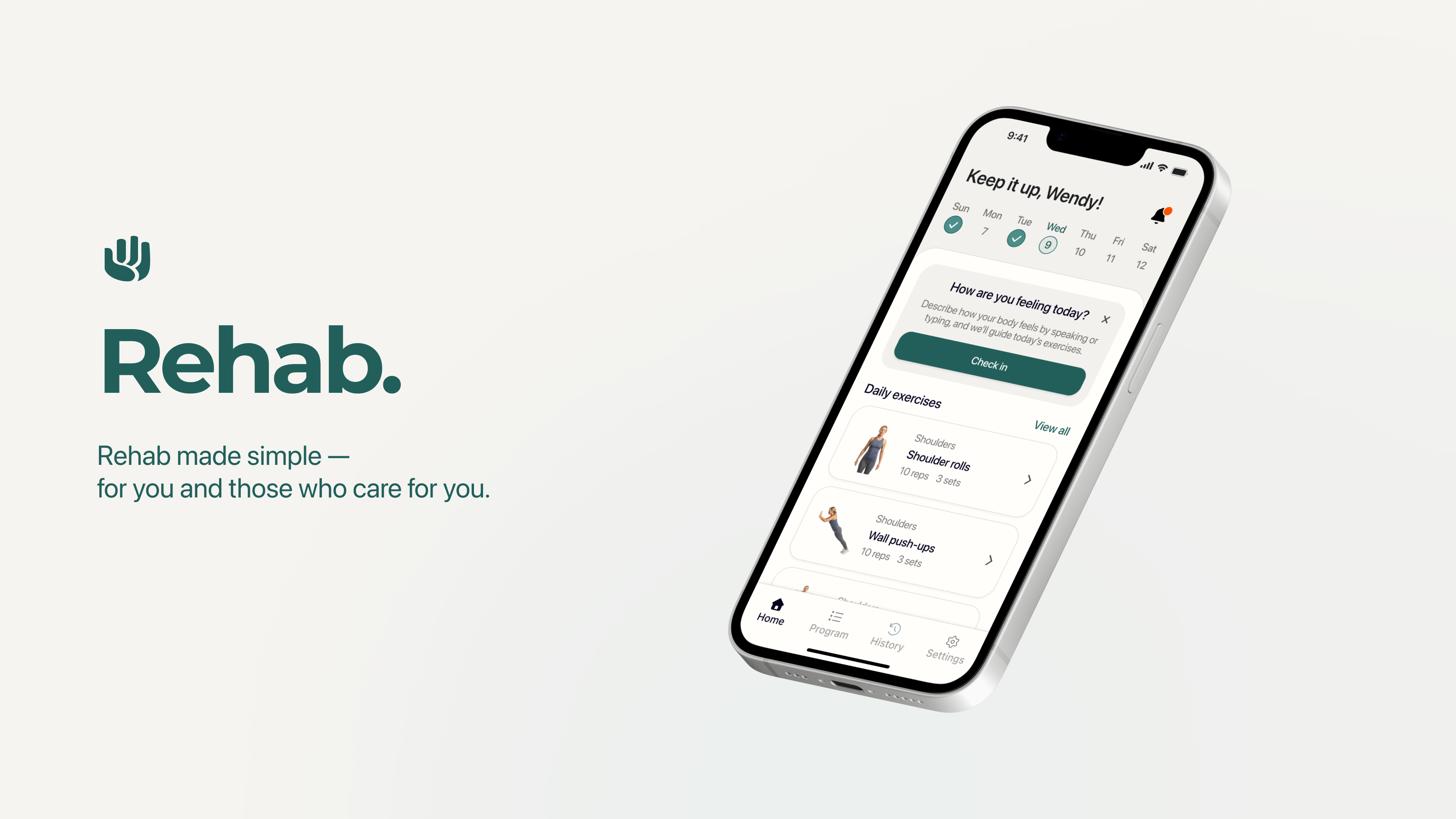
It means a lot, honestly. Rehab was an independent project that I built from the ground up, on my own, around a problem I genuinely cared about. Having it recognised at this level is a reminder that work made with real intention can land. It also feels meaningful because the project centres older adults, a demographic that's often underserved in design conversations. Getting that work seen matters beyond just the award itself.
It's opened up more conversations with people working in health tech, in AI, in caregiving spaces. It's also given me more confidence to pursue independent work alongside my day job. I think the recognition validated something I already believed: that design in healthcare and ageing is one of the most important places we can be putting serious creative energy right now.
It's essential, but I think about experimentation less as wild exploration and more as structured questioning. I'll hold a design direction for a while, then deliberately stress-test it: what breaks, what doesn't hold up under real use?
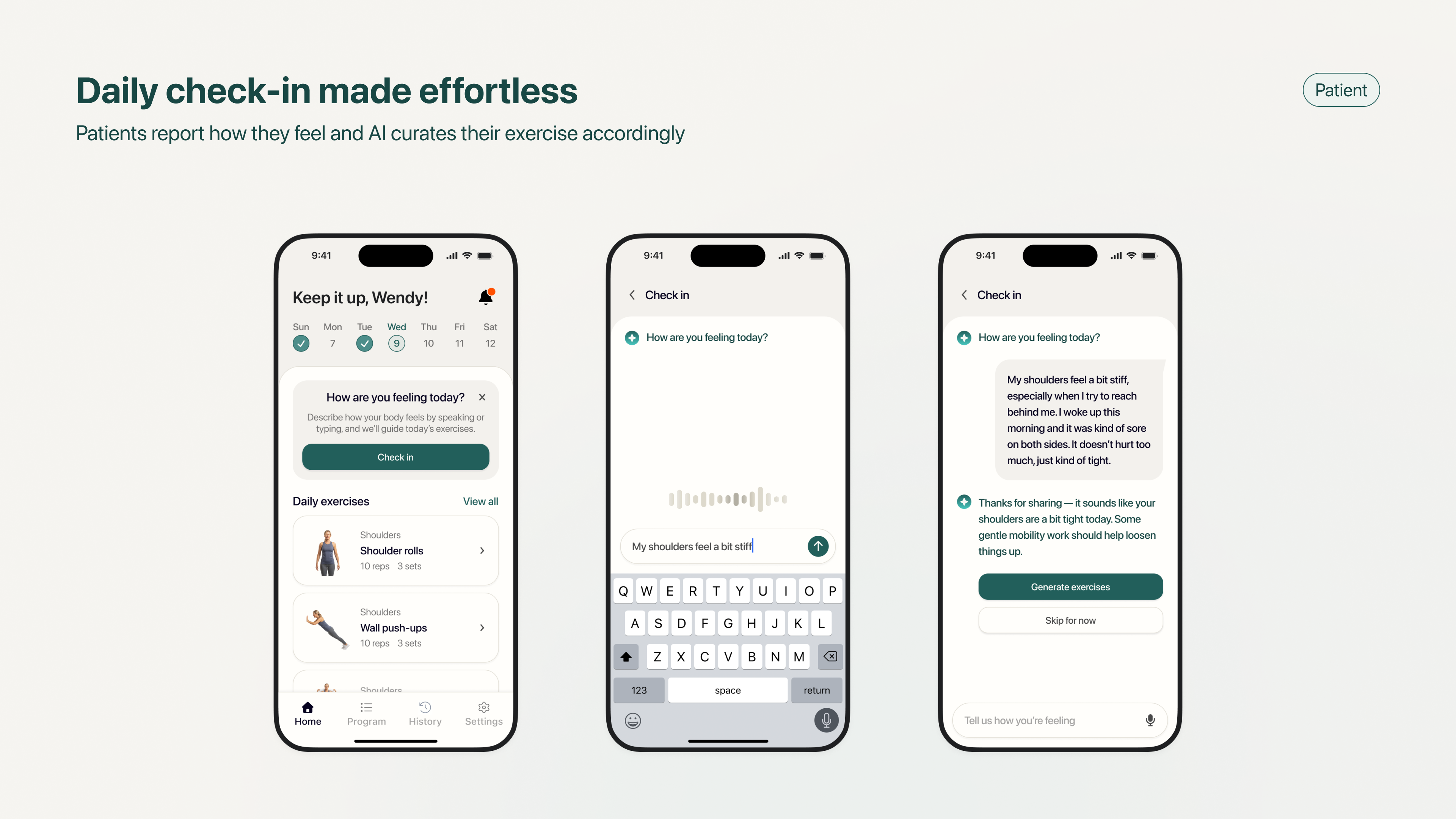
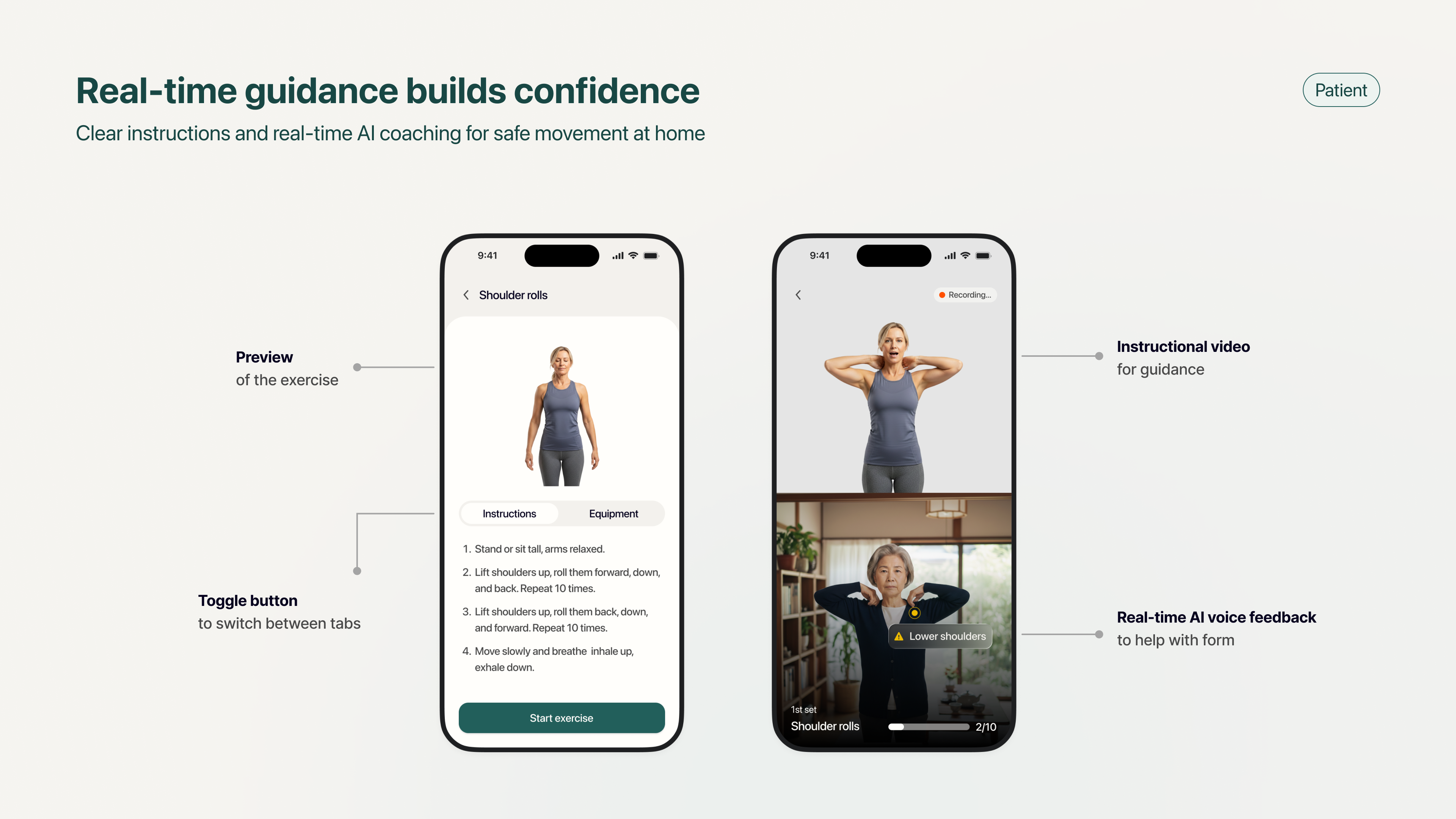
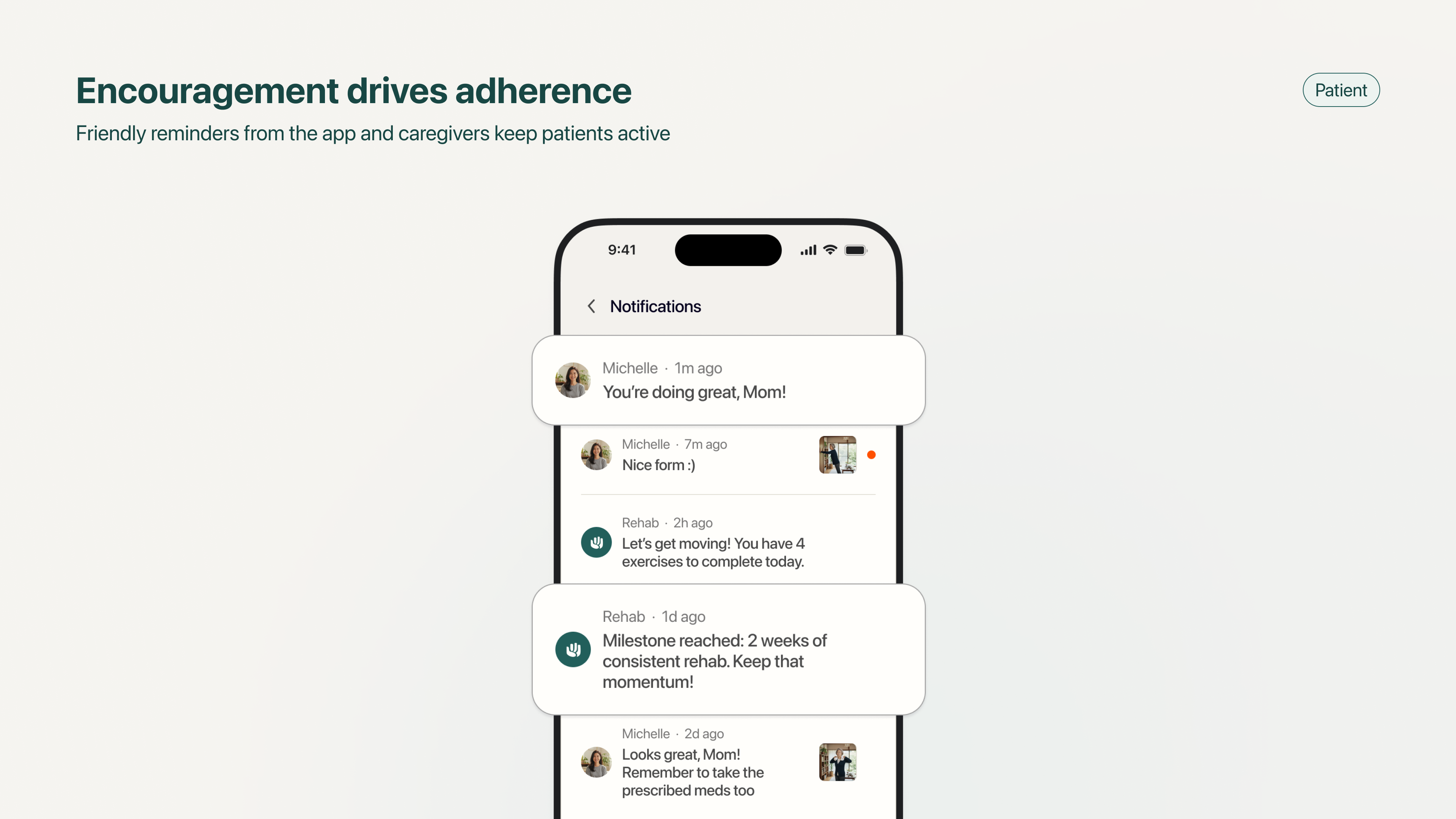
With Rehab, I experimented a lot with the emotional tone of the interface. Small things like the timing of encouragement cues or how progress was visualised, changed how the whole experience felt. Those weren't big swings, but they were careful experiments that added up to something meaningful.
Airport signage! I got a little obsessed with it during a long layover once, just watching how people navigate a completely unfamiliar space under stress, with luggage, often in a language that isn't theirs.
The best airport signage doesn't make you feel like you're being directed; it makes you feel like you already know where you're going. That distinction stuck with me and completely changed how I think about navigation and information hierarchy in digital products – the goal isn't just clarity, it's making the user feel confident rather than guided.
I wish more people understood that design isn’t just about making things look good; it’s about making decisions under constraints. A lot of the work happens through constant trade-offs between user needs, business goals, technical limitations, and time, and what looks simple on the surface is usually the result of many careful, intentional choices. Good design is often invisible, not because it’s effortless, but because so much thought went into making it feel that way.
I try to reframe that tension early. My ideas only matter if they're grounded in the problem, so when I advocate for a direction, I'm doing it because it serves the user, not because I'm attached to it. That reframing usually dissolves the conflict. When pushback does come, I try to understand what's driving it. Often, there's a real constraint I hadn't fully accounted for, and working through it actually improves the design.
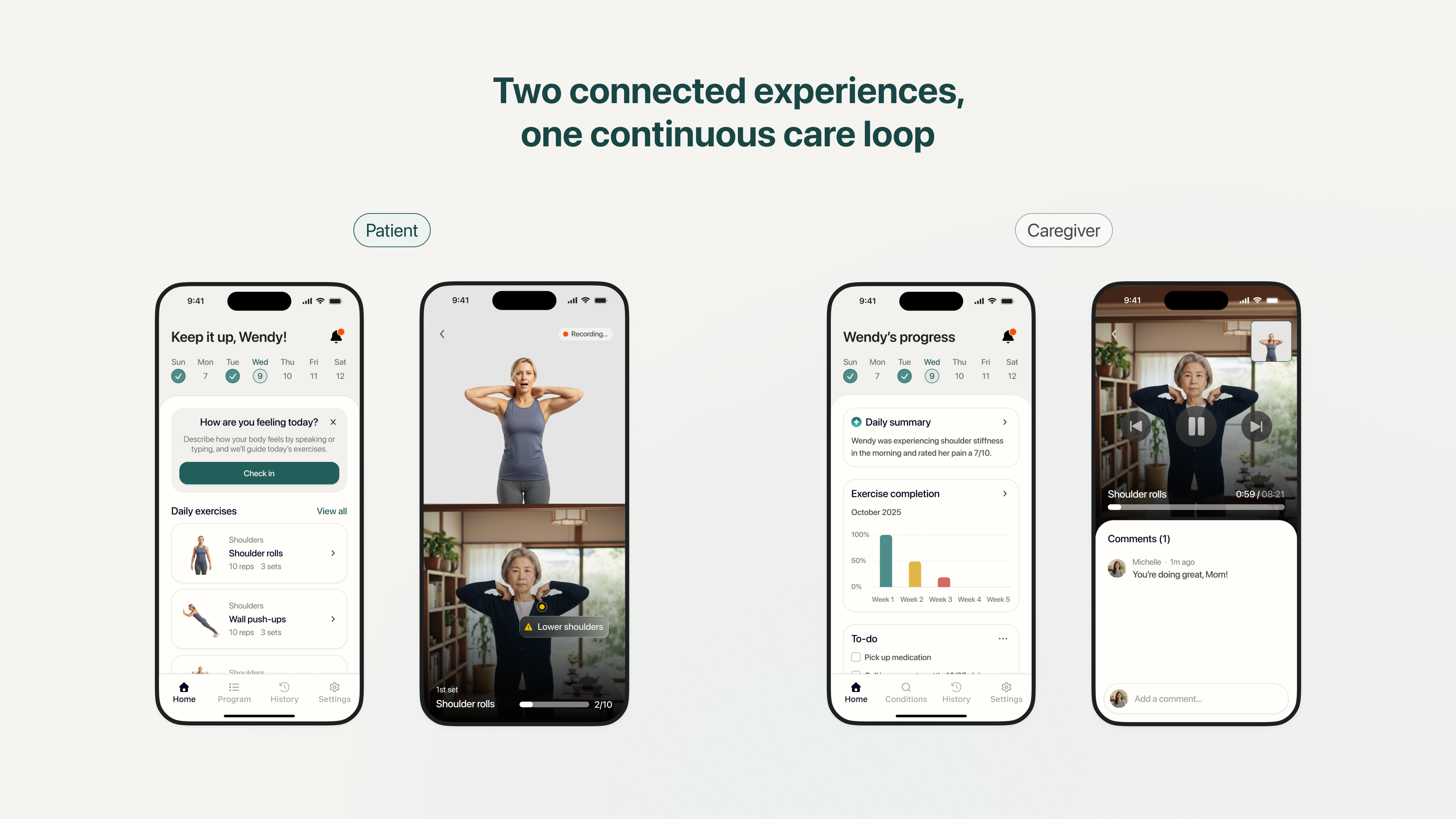
The biggest challenge was designing for two very different users – elderly patients and their caregivers – without letting one experience compromise the other. Patients needed calm, low-cognitive-load interactions; caregivers needed fast, meaningful insights they could act on.
Getting both right required a lot of iteration and being ruthless about cutting anything that served neither group well. The breakthrough came when I stopped thinking about features and started thinking about emotional states: what does each person need to feel right now? That lens clarified almost every decision.
I step away from screens and go somewhere with a lot of people – a park, a coffee shop, a subway station. Just observing how people move through space, interact with each other, navigate small frictions in daily life. It reconnects me to why I do this work. Design is about people, and sometimes the best thing I can do is go be around them.
A deep respect for people's time and energy. Everyone using a product has a full life outside of it, and I never want to lose sight of that. It pushes me toward simplicity, toward removing anything that doesn't need to be there, toward making sure every interaction earns its place. When something clicks and just works without asking too much of the person using it, that's the feeling I'm always chasing.
Learn to be curious about problems before you're curious about solutions. The designers I respect most are the ones who can sit with ambiguity long enough to find the real question, and then design toward that. Also, build things outside of work! Side projects teach you things your 9-5 work can't, because you're accountable to your own standards, no one else's.
Susan Kare. She designed the original Macintosh interface icons – tiny images that had to communicate complex functions to people who had never used a personal computer before. That's an extraordinary constraint, and she solved it with warmth and wit. I'd love to just sit in a room with her and talk about how she made those decisions.
"Who did you design this for, and how did you get to know them?"
I wish more conversations started there. Every project I'm proud of traces back to a specific person or group I was genuinely trying to understand – not a persona, not a demographic, but real people with real fears and habits and constraints. With Rehab, it was older adults navigating recovery alone, and caregivers lying awake worrying. Keeping them in mind is what pushed the work past functional into something that actually felt human.
Click here to read about the Creating Intuitive Experiences Through Research and Experimentation with Xuejiao Liu.