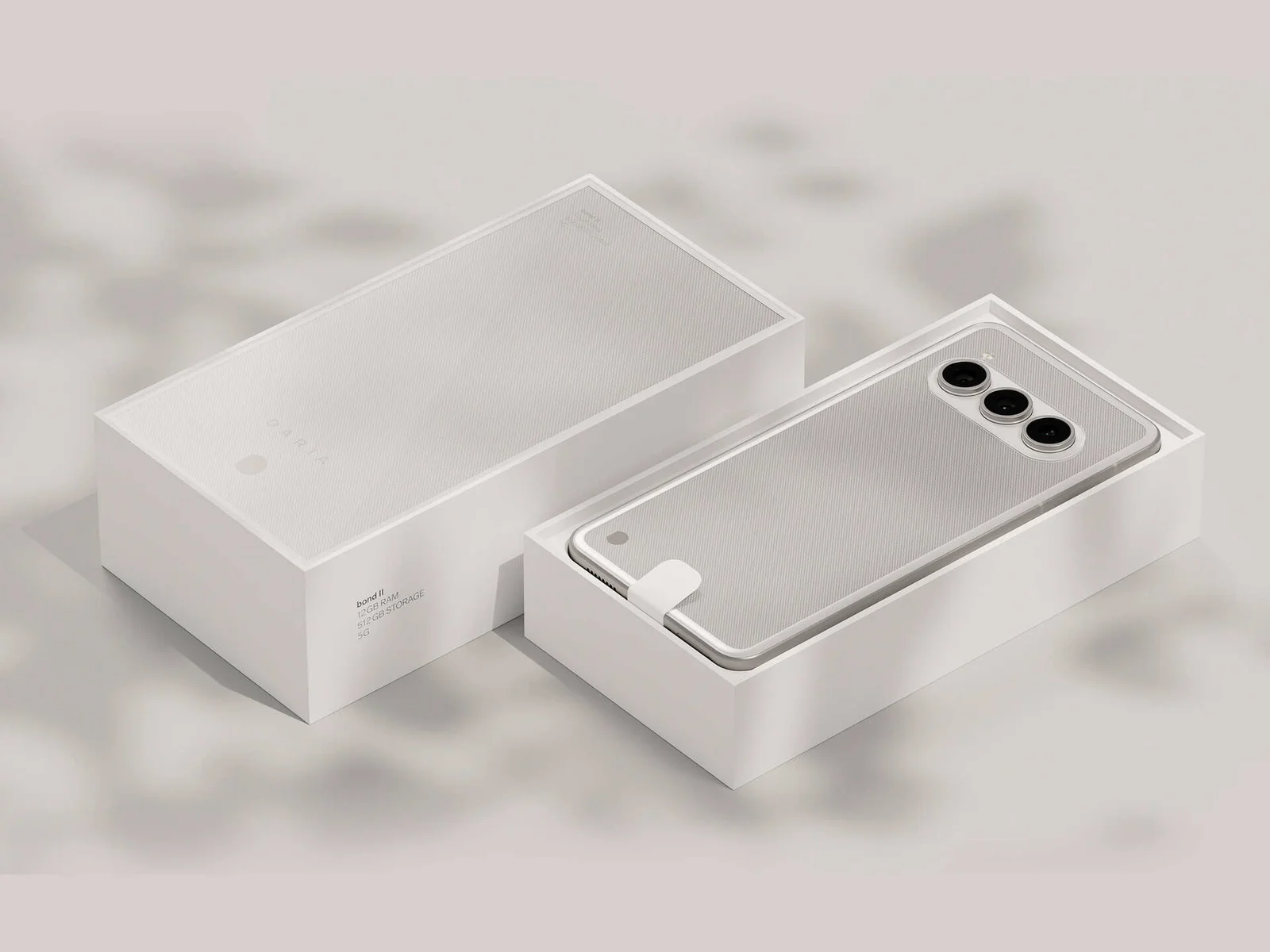
Daria bond II | London Design Awards
To achieve democratized access to smartphones, Daria bond II, as part of the Daria ecosystem,...
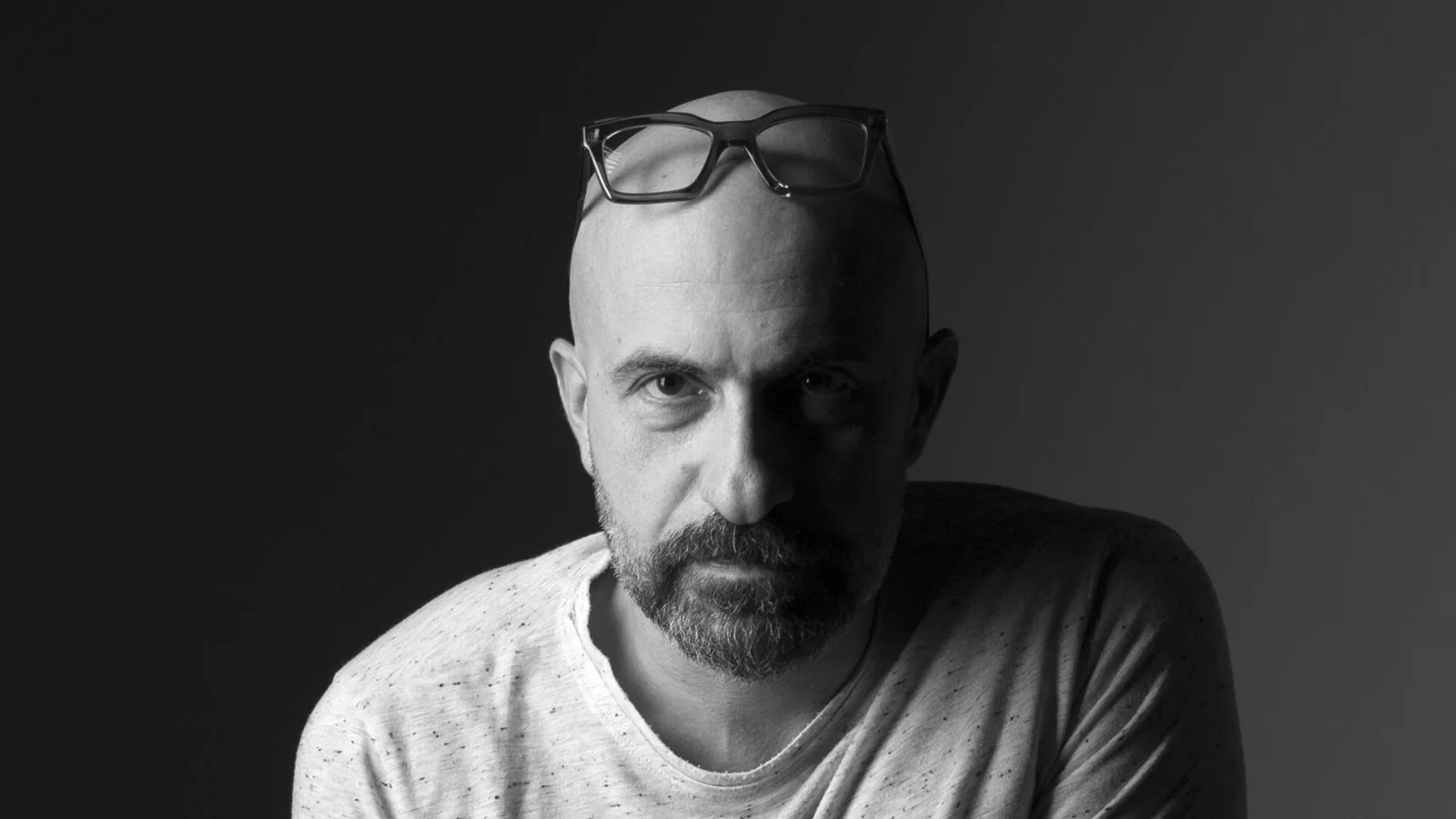
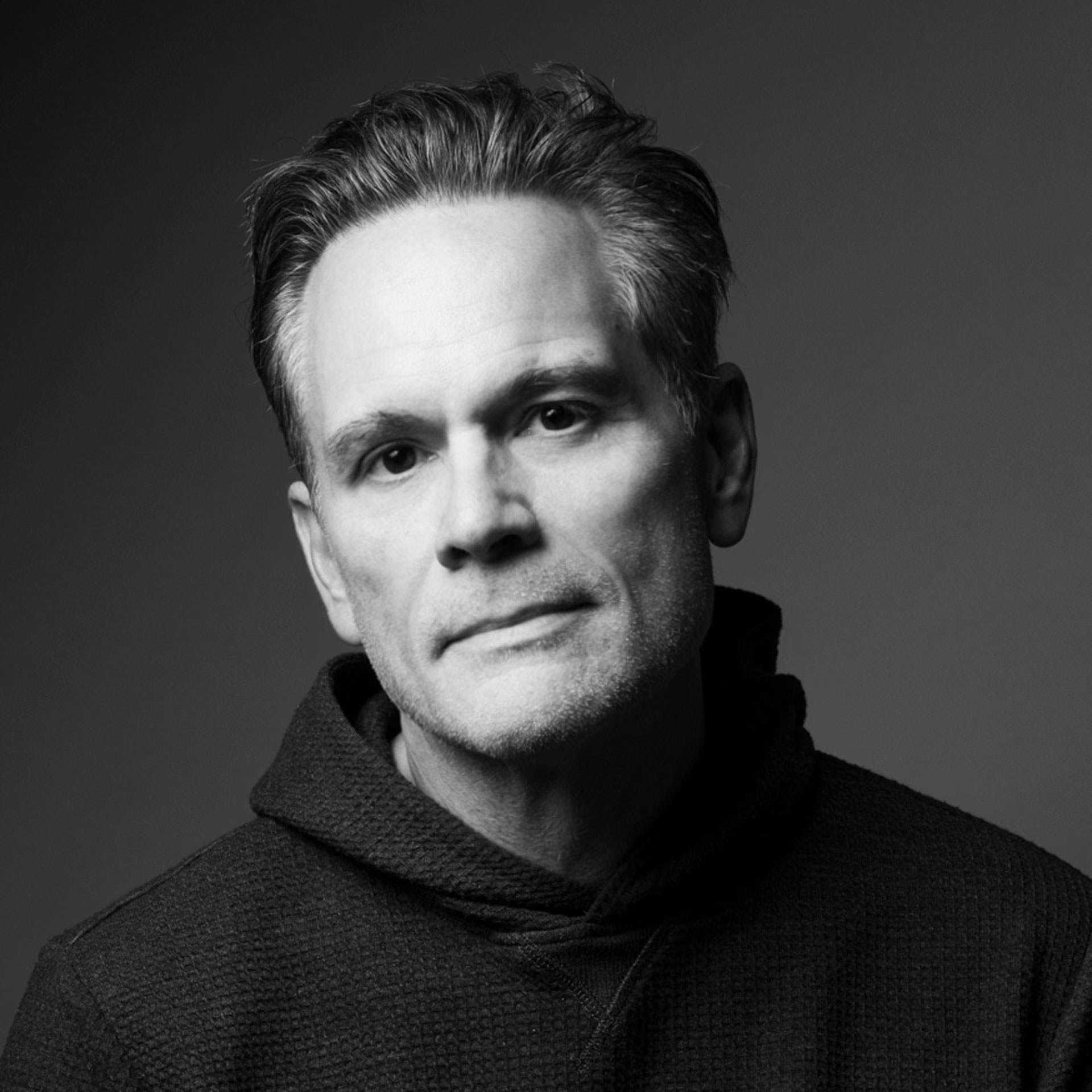
I am Ali Afsarpour, born in Tehran, Iran, in 1977. I studied graphic design and started my career working with several design companies and advertising agencies. Over the years, I have worked in roles like graphic designer, art director, and creative director. Right now, I run my own freelance design office, but I also work full-time as the Chief Design Director at Daria.
I have been fortunate to win several international awards in graphic design and wrote a book, “Graphic Design for Advertising”, published in Persian. After 25 years in the industry, I just call myself a “designer” without limiting myself to one specific field.
To start with, I don’t really consider myself an artist. I think art and design are two different fields. As for why I became a designer, in the beginning, it was because design felt simple, exciting, and a bit magical to me. But over time, that reason has changed.
Now, design is not just something I love, it has also become a central purpose in my life. I live to design, according to my own interpretation of it. I will explain more about how I define design later for you.
Daria is a brand under “Multi Ways International”, a company focused on the research, development, production, and sales of smart objects. So far, we have launched two mobile phone models including our own DariaOS, an operating system based on the “Android Open Source Project".
The mobile phone that won the London Design Award is actually our upcoming product launch in January 2025. My role at the company is to guide the design direction and ensure everything aligns with our goals.
For me, design is about solving problems, and it is not limited to graphics nor product design or visual arts; Design applies to everything. Choosing what to wear, preparing your plate, organising your day, and even fixing personal problems as these are all forms of design. In short, I think design is the ultimate tool for tackling life’s problems creatively.
I really appreciate designs that strike a balance between how they look and how they work. I used to be obsessed with minimalism, but now I think you should use whatever style that makes sense for the situation. The key is creating something that feels balanced and works well for the user. That said, I am a perfectionist, which could be a challenge. I sometimes have to force myself to stop tweaking things and remind myself,“It is done. don’t overdo it!”
Good design, for me, is anything that is thoughtfully created. But, if we are talking about“great”design, it is something that leaves you with a feeling that nothing needs to be improved anymore. Great design doesn’t make you second-guess, it just works, both in how it looks and how it functions. It is that difference between“good enough”and“wow, this is perfect.”
It started with a lot of research, reading, brainstorming, thinking about the problem, understanding what users need, and working within the limitations we had. Then it was a continuous loop of designing, tweaking, and refining. Teamwork was also a huge part of it. To be honest, it was a mix of obsession, collaboration, and attention to detail again and again until we got it right.
The inspiration came from nostalgia, looking back at things users used to enjoy but don’t see anymore. For example, the design started with the fabric and protective layers of old speakers. It evolved into perforated surfaces and then changed to small embossed dots, placed under a transparent protective screen to preserve their integrity.
Definitely. Iran’s artistic history holds a strong emphasis on attention to detail, harmony, and symmetry, which is evident in everything from carpets to architecture. Growing up in such an environment leaves a lasting mark on you. It becomes part of your DNA. That said, I am not a fan of forcing traditional elements into modern designs, it often feels fake and unnecessary.
Instead, I believe those cultural influences naturally show up in your work if you let them flow. During this project, we aimed to create something original but still balanced, without overusing traditional motifs. Hopefully, we succeeded.
Honestly, it is a huge encouragement. Winning this award reassures us that we are on the right track. Anyone who has worked in design knows how often you face setbacks, doubts, and challenges. But there are two moments that make it all worth it: when you finally see the finished product, and when your work gets recognised. This award is proof that the hard work, persistence, and passion of the whole team paid off. It is not just a trophy; it is a reminder to keep going.
The project was our third mobile phone design. Our first two products were more about learning and figuring things out since we were new to this field. With this third one, we were just focused on making the best product we could. Honestly, entering the competition was not on our minds at first. But as we got closer to the finish line and started getting positive feedback from industry professionals, we felt confident enough to submit it, and here we are!
The biggest challenge was navigating unfamiliar territory. We were experimenting with new materials and production methods, and sometimes things didn’t go as planned. There were moments when we had to repeat processes over and over to get them just right. On top of that, we were working under tight deadlines and had to keep production costs in check.
Another challenge was the way mobile phone cameras are usually arranged. I have always found their placement awkward, so we wanted to find a better solution. Of course, once we started, we realised why most companies stick to their weird layouts. It is not easy to arrange cameras while considering the internal components. But we took on the challenge and, thankfully, succeeded.
It is definitely giving me a boost of confidence, especially in the field of product design. Before this, most of my work had been in graphic design, creativity, and advertising, so stepping into product design felt like uncharted territory. Winning this award motivates me to take this field more seriously and explore it further.
1. It is never boring. Every day brings new challenges, ideas, and discoveries.
2. It allows me to lose myself in the process. When I am designing, the rest of the world fades away, and it is just me and the work.
3. I love the creative energy of the people in this industry. Designers tend to see the world differently, and that perspective is refreshing.
I guess it is the way we approach the process. For me, it is about planning everything carefully, having a big-picture perspective, and paying attention to even the smallest details. Sometimes we take the“attention to detail”part a bit too far, but I think it is those extra touches that make our work stand out.
The rapid growth of technology, especially AI, is going to change the design industry significantly. There is a lot of talk about AI replacing designers, but I am not worried about that. What interests me more is how these advancements will reshape life, human needs, and society as a whole.
We are living in a pivotal moment in history, and it is exciting to imagine how design will evolve to meet the challenges of this new world. I am optimistic about what the next decade will bring and glad to be a part of it.
Don’t aim for awards. Focus on doing the work right, stick to principles, be patient, and remember that design is not about showing off, it is about creating something meaningful for others. Design should solve a problem or make someone’s life better, not just look good in a portfolio. Keep things practical but beautiful at the same time, and don’t underestimate your users. If you approach design with this mindset, the rewards will come naturally.
The entire world is your resource. Designers should not limit themselves to books, websites, or most importantly AI tools. They are all helpful, but a good designer should have a broad understanding of almost everything, like art, science, technology, and don’t forget to spice it up with a little sociology and psychology. They will help you understand people better, which is the key to a good design.
Most importantly, learn how to use your tools which are “your senses and your mind”. Being observant, curious, and analytical is key. If you master those skills, you will always find inspiration.
I'm Batman!
All the people I envied in my life!
I don’t really see myself as“successful”. Being a perfectionist, I always feel like there is more to do and more to improve. But there is a quote I love from Salvador Dalí in Dali’s Mustache, a Photographic Interview book. When asked about the secret to his success, he said:“Providing the right flower, for the right bee, at the right moment and place.”I think that sums it up perfectly.
Yes, I would like to mention that this award wasn’t just about me, it was a team effort. I worked with a group of talented and hardworking people who put in so much effort to make this happen. This award belongs to all of us.
I would like to thank my team: Pooya M Zonooz, Pedram Harby, Mehrdad M Zadeh, Aboozar Alavitabar, Erfan Abdi, Ali Akbar Bakhshi, and Shokoufeh Rezapour, as well as our partners at Coosea Co. who helped us bring the product to life.
Read about the interview about Empowering Minds & Memories: A Talk with Qihang Zhang, Co-Founder of Memory Land & MindFuel here.